EHD Die-Offs in Minnesota Deer
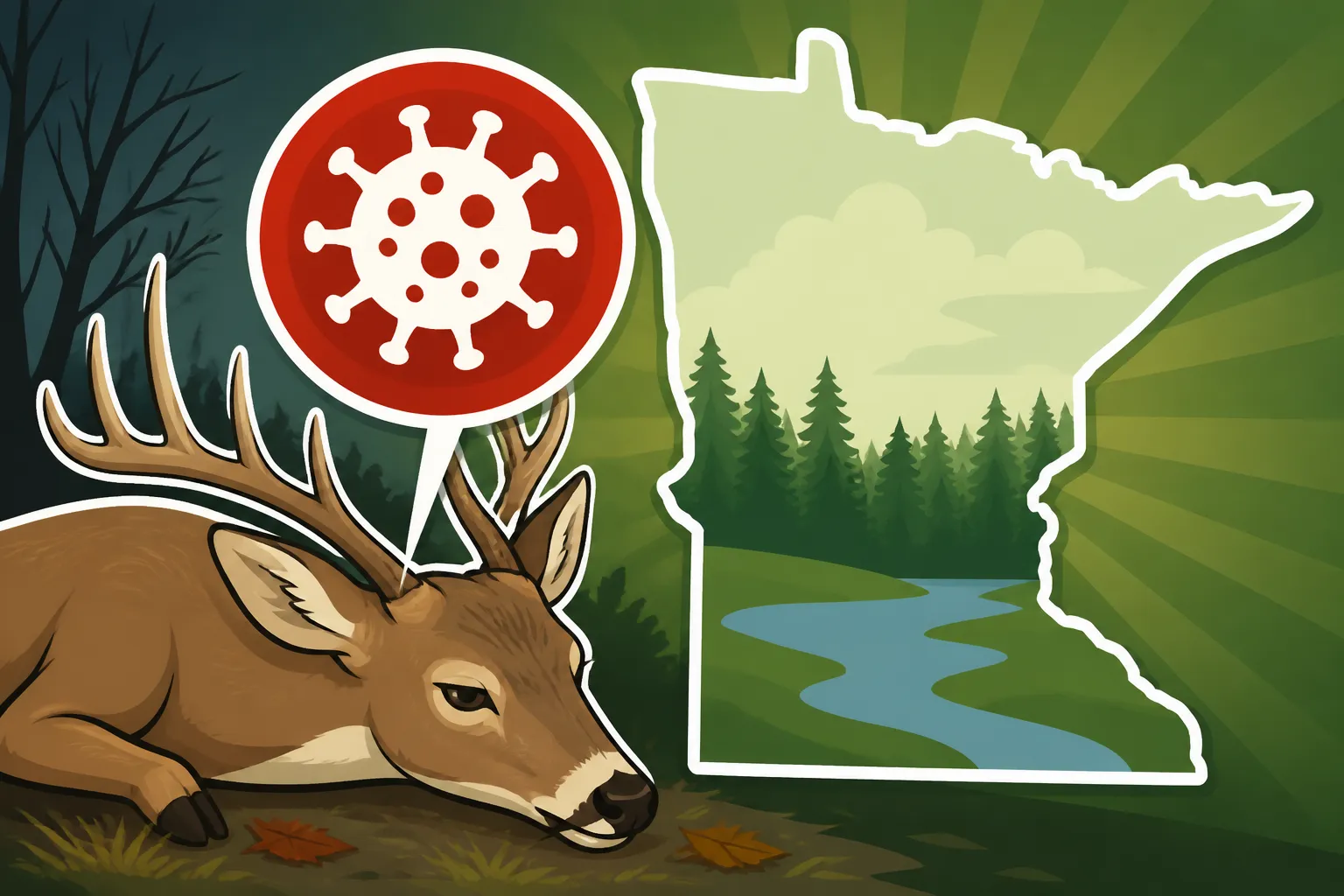
There's nothing quite as heartbreaking for a hunter or landowner as coming across a dead deer that shows no obvious signs of trauma from a vehicle or another hunter. You start to wonder, "What happened here? Is something wrong with the herd?" In Minnesota, one of the naturally occurring diseases that can cause these sudden, often localized die-offs is Epizootic Hemorrhagic Disease, or EHD. This guide will walk you through what EHD is, how to recognize its signs, and what its presence means for our beloved whitetails here in the North Star State.
What is EHD and How Does It Affect Deer?
EHD can strike fear into the hearts of deer hunters because it often leads to visible, sometimes significant, deer deaths. It’s a disease that can flare up quickly, leaving many wondering about the health of the local herd and if their hunting season will be impacted. Understanding the basics of this disease is the first step in recognizing its signs and appreciating its potential effects on Minnesota's deer population, which we often track through efforts like the Minnesota Deer Herd Size.
The Culprit: A Tiny Midge
At the heart of EHD is a virus, but it's not passed directly from deer to deer like a common cold. Instead, it's carried by tiny biting insects called midges, specifically certain species of Culicoides gnats. These aren't your typical mosquitoes; they're much smaller, sometimes called "no-see-ums." The midges pick up the EHD virus when they bite an infected deer. Then, when that same midge bites a healthy deer, it transmits the virus, continuing the cycle. This means EHD outbreaks are entirely dependent on the presence of these midges.
The midges thrive in warm, humid conditions, especially near muddy areas, shallow water, and stagnant pools where they lay their eggs and their larvae develop. So, prolonged periods of hot, dry weather followed by rain, creating these ideal breeding grounds, can lead to population explosions of the midges, which in turn can trigger a severe EHD outbreak. A hard frost is typically what brings an end to an EHD season, as it kills off the midge population, breaking the transmission cycle until the following warm season.
How EHD Impacts Deer Health
Once a deer is infected with the EHD virus, it starts a rapid and often severe disease progression. EHD primarily affects the lining of blood vessels throughout the deer's body, causing them to hemorrhage and swell. This internal bleeding can lead to a host of debilitating symptoms. Deer might develop a high fever, become lethargic, and lose their appetite. The swelling can be particularly noticeable in the head, neck, tongue, and eyelids, giving the deer a puffy, sometimes bruised appearance.
The damage to blood vessels can also lead to lesions and ulcers in the mouth, on the tongue, and along the gastrointestinal tract, making it painful for the deer to eat or drink. In severe cases, the hemorrhaging can extend to vital organs, leading to organ failure. The disease progresses so quickly that many deer die within 8 to 36 hours of showing symptoms. This acute form is most common, leading to those sudden die-offs. Some deer might survive, especially if they've developed some immunity, but they can suffer from long-term effects like hoof sloughing or general weakness.
Recognizing the Signs of EHD in the Field
Knowing what to look for when you're out scouting, hunting, or just enjoying the woods can make a big difference. It helps you accurately identify potential EHD cases and understand what's happening in your local herd. This is crucial for maintaining situational awareness, much like how you might use a tool like GoHunt to analyze terrain or identify Deer Density by Minnesota Permit Area.
Visible Symptoms of Infected Deer
When EHD is active, you might observe live deer acting unusually. A deer suffering from EHD might appear very listless, almost dazed, and unafraid of human presence. They often look sickly, moving slowly and having a labored gait. A key sign to look for is swelling, particularly around the head, neck, eyes, and tongue. Their tongues might be blue or swollen and protruding from their mouths.
Another common symptom, driven by the fever, is an intense thirst. Deer will often seek out water sources, so finding sick or recently deceased deer near ponds, streams, or low-lying wet areas is a strong indicator of EHD. You might also notice excessive salivation or discharge from the nose. These animals are in distress, and their behavior will clearly deviate from a healthy deer. Sometimes, their breathing can become very rapid and shallow as the disease takes its toll.
Clues in the Environment and Carcasses
Unfortunately, for many hunters and landowners, the first sign of EHD is finding dead deer. As mentioned, these carcasses are often found near water sources because of the deer's intense fever and thirst in their final hours. If you find a dead deer, especially multiple dead deer in a relatively confined area, and there's no sign of predation, vehicle collision, or gunshot wounds, EHD should be considered.
Upon closer inspection of a fresh carcass, look for the physical symptoms described above: swollen heads, blue or swollen tongues, and sometimes reddened or ulcerated eyes or mouths. The skin may also show areas of hemorrhage, appearing red or purple. Inside the body, if you were to field dress a deer that died from EHD (though generally not recommended, especially if found dead), you would see widespread hemorrhages in the organs, particularly the heart and lungs, and often a very bloody trachea. The hooves might also show rings or sloughing if the deer survived the initial infection but died later from complications. Reporting such findings is vital for Reporting a Sick Animal in Minnesota.
Understanding EHD's Prevalence and Impact in Minnesota
EHD isn't a new phenomenon in Minnesota, but its pattern and severity can fluctuate significantly year to year, keeping wildlife managers and hunters on their toes. It’s part of the broader picture of Minnesota Wildlife Disease Monitoring that helps us understand the overall health of our deer herd.
Historical Presence and Outbreak Patterns
Minnesota sits at the northern edge of EHD's typical range. States further south experience it much more frequently and severely. Here in Minnesota, EHD outbreaks tend to be sporadic and localized. We might go several years without a significant report, and then suddenly, a particular county or region will experience a noticeable die-off. These outbreaks are almost always tied to specific environmental conditions that favor the midge vector. Warm, humid summers, particularly those with periods of drought followed by rain, can create ideal breeding conditions for the midges, leading to a surge in cases.
The good news is that because Minnesota is at the fringe of its range, our deer often don't experience the massive, widespread mortality seen in southern states. Localized outbreaks can certainly reduce the deer population in specific areas, sometimes impacting hunter success the following season. However, deer populations are resilient, and in most cases, the herd recovers fairly quickly in subsequent years, especially if the following winters are not too severe. We've seen How Severe Winters Hit Northern Deer Herds can also impact recovery, so a mild winter after an EHD outbreak is always a welcome relief.
Factors Influencing EHD Severity
Several factors play a role in how severe an EHD outbreak might be in Minnesota. First and foremost is the midge population itself. The timing and duration of warm, wet weather directly influence midge numbers. An early, hard frost is the best defense, as it quickly eliminates the vector. Secondly, deer density in a particular area can influence the spread. Higher deer densities mean more opportunities for midges to transmit the virus between animals. This is why using tools like GoHunt can be beneficial for hunters to observe deer movement patterns and density in their areas of interest, helping them understand potential risks.
Deer immunity also plays a role. In areas where EHD has been present for a while, older deer may have developed some level of immunity after previous exposure, making them less susceptible or causing milder infections. However, in areas where the disease is novel or has been absent for many years, the entire herd, lacking prior exposure, might be highly vulnerable, leading to more widespread mortality among all age classes. Habitat quality, availability of food sources – consider Hunting After a Poor Acorn Year and how deer health might be compromised – and overall deer health can also influence a deer's ability to fight off the infection.
What Hunters and Landowners Can Do
Dealing with EHD can feel helpless, but there are proactive steps you can take to help wildlife managers and minimize local impacts. Your observations from the field are incredibly valuable, and responsible actions contribute to the long-term health of our deer.
Reporting Suspect Animals
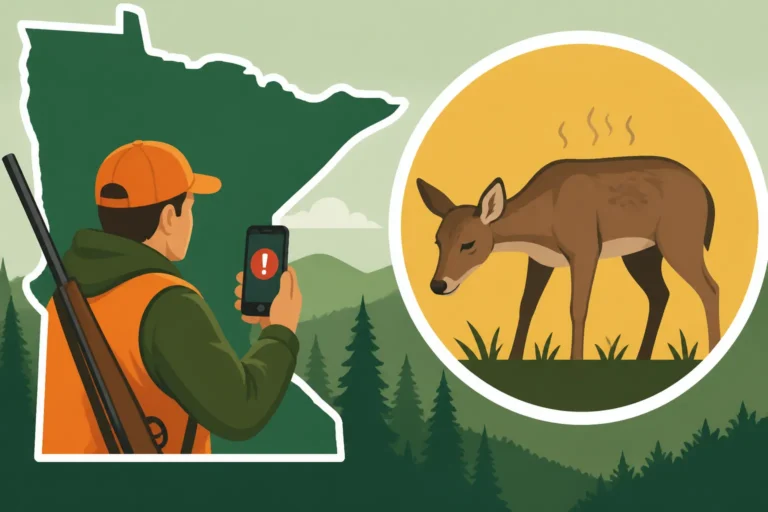
One of the most important things you can do as a hunter or landowner is to report any suspicious deer sightings or discoveries of deer carcasses that fit the EHD description. Wildlife agencies rely on these reports to track outbreaks, understand their geographical spread, and assess their severity. When you report, try to provide as much detail as possible: the exact location (GPS coordinates are best!), the date and time you found the animal, and a description of the deer's condition or symptoms.
It's tempting to think someone else will report it, but every piece of information helps paint a clearer picture. The sooner wildlife officials are aware of a potential outbreak, the better they can monitor the situation. This data also helps them differentiate EHD from other diseases like CWD, which is a very different challenge for wildlife management, especially in CWD Management Zones in Minnesota. Timely reporting of sick animals helps track the spread of many diseases and allows for proactive management decisions.
Mitigating Local Impact and Carcass Management
While you can't stop the spread of EHD once it's in a midge population, landowners can take some steps to potentially reduce midge breeding habitat around their properties, though this is often difficult on a large scale. Think about draining small, stagnant pools of water or improving drainage in muddy areas. However, this is largely impractical in many natural environments. The most direct action for hunters is to be aware of the disease's presence in their hunting area.
If you find a deer carcass suspected of EHD, it's generally best to leave it undisturbed for wildlife officials to investigate. If moving it becomes necessary, perhaps because it's on private land and close to a residence, follow local guidelines for carcass disposal, which often involve burying it deeply. Always wear gloves when handling any dead animal. If you harvest a deer that appears healthy but you later find signs of EHD during processing, such as internal hemorrhaging, it's recommended not to consume the meat. However, EHD is not known to affect humans, so there's no direct risk from the meat itself, though the quality might be poor. Always ensure proper handling and cooling, similar to procedures for Field Dressing a Deer in Cold Weather, to maintain meat quality.
Staying Informed and Responsible
Staying informed about wildlife health issues, including EHD, is part of being a responsible steward of Minnesota's natural resources. Keep an eye on announcements from the Minnesota Department of Natural Resources (DNR) or local wildlife management areas. They will often issue advisories if EHD activity is high in certain regions. Joining local hunting groups or online forums, where people often share their observations, can also be a valuable way to stay updated on localized EHD occurrences.
If you are planning a hunt in an area that has recently experienced an EHD outbreak, adjust your expectations. While the herd will recover, there might be fewer deer, particularly mature bucks, in the immediate aftermath. Using scouting tools like GoHunt to track deer movement and density in your chosen hunting grounds can help you adapt. Remember, a healthy deer population is a resilient one, and understanding the challenges they face, like EHD, contributes to better conservation efforts and ensures that our state remains a fantastic place to hunt and enjoy nature. Healthy deer lead to better hunting and better meals, offering the Best-Eating Game in Minnesota.
Disclaimer
This article is for general informational purposes only and does not constitute professional advice. Laws, prices and regulations vary by location and change over time. Consult a qualified professional for guidance on your specific situation.