When the Minnesota Rut Peaks
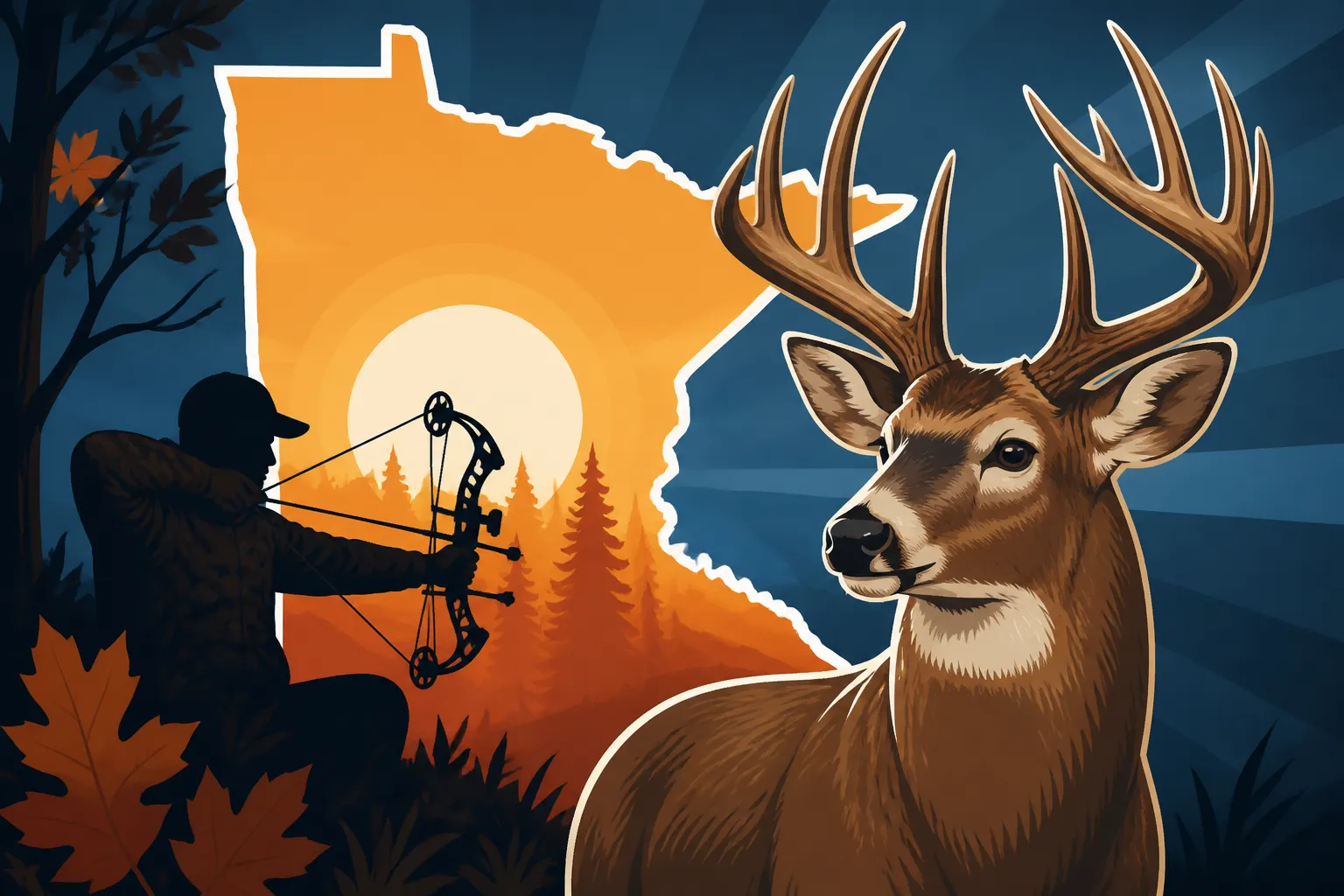
Ah, the Minnesota whitetail rut. It's the most exciting, and often the most frustrating, time of year for deer hunters across our beautiful state. We've all been there: seeing frantic buck sign one week, only for the woods to go completely silent the next, leaving us wondering if we've missed the boat entirely. This guide is all about cutting through the guesswork and helping you understand when the Minnesota rut truly peaks, so you can maximize your time afield and finally connect with that buck you've been dreaming about.
Understanding the Phases of the Rut in Minnesota
The "rut" isn't just one glorious week; it's a complex, multi-stage event that unfolds over several weeks, each with its own unique buck behavior and corresponding hunting challenges. Misunderstanding these phases is a common pitfall, leading many hunters to believe the rut is "over" when it's really just shifting gears.
Early October: The Pre-Rut Scrape & Rub Phase
As September fades into early October, you can almost feel the shift in the air, and the deer certainly can too. Bucks, fueled by increasing testosterone and shorter days, start to become more aggressive and territorial. This is when you'll begin to see an explosion of scrapes and rubs appear almost overnight. Those young trees and saplings that were untouched just a week ago suddenly bear the scars of a buck polishing his antlers and leaving his scent.
During this phase, bucks are feeling the urge, but the does aren't quite receptive yet. This means you'll often find bucks visiting scrape lines, checking their territorial boundaries, and even sparring with other males, but they're still largely focused on building their strength and establishing dominance. They might travel through these areas in daylight, especially towards dusk or dawn, but they're not yet "stupid" for love. It can be incredibly frustrating to find a freshly worked scrape or a cluster of impressive rubs and then sit that spot for days without seeing the buck responsible. Your scouting efforts are crucial here; look for active Scrape Lines Along a Logging Trail and really pay attention to the freshness of the sign. Don't be fooled by old sign; focus on the ones that are actively being visited.
Late October: Increased Daylight Movement and Chasing
As we push deeper into October, usually around the last week, things really start to heat up. This is often the first burst of what many hunters think is the peak rut, and for good reason. The bucks are now actively seeking out does, and while the majority of does aren't quite ready to breed, their scent signals are getting stronger. This creates a highly dynamic and exciting period in the woods.
You'll see a noticeable increase in buck movement during daylight hours. They're covering more ground, checking doe bedding areas, and generally on the prowl. This is when the "chasing phase" really kicks off. You might witness a buck dogging a doe, pursuing her relentlessly through the timber or across a field, trying to wear her down until she's ready. These chases can be fast and furious, leading to brief, exciting encounters that get your heart pounding. However, because the does aren't fully receptive yet, these chases can also be frustratingly short-lived, with the buck eventually giving up the pursuit, only to pick it up with another doe later. It's a fantastic time to be in the woods, with a tangible sense of anticipation and energy. For more detailed insights into this specific period, check out our guide on Hunting the Rut in Late October.
Pinpointing the Peak Rut: Early to Mid-November
Alright, let's get down to the brass tacks. While the pre-rut and chasing phases are exciting, there's a specific window in Minnesota when the majority of does come into estrus, and buck activity hits its absolute crescendo.
Why Early November is the Magic Window
Based on decades of biological observation and hunter experience across Minnesota, the peak of the whitetail rut consistently falls in the first two weeks of November. Typically, the sweet spot is from roughly November 5th to November 15th, give or take a few days depending on the specific year and local conditions. This is the period when the most does are receptive to breeding, triggering an all-out scramble among bucks.
During these magical days, bucks lose almost all caution. Their primary objective becomes finding and breeding does, and they will travel incessantly, day and night, to achieve this. Those cagey, nocturnal bucks you've been chasing all season suddenly appear in broad daylight, sometimes trotting through open fields or crossing logging roads in the middle of the afternoon. They are often so focused on the scent of an estrus doe that they pay little attention to their surroundings, making them more vulnerable to hunters. It's a phenomenon driven by photoperiod (daylight length), making it remarkably consistent year after year, regardless of moon phase or temperature swings. For an in-depth dive into how to capitalize on this specific window, you'll want to read our guide on Hunting the Peak Rut in Early November. It’s truly the best chance you'll have all season to encounter mature bucks on the move.
The Role of Genetics and Local Factors
While early November is the widely accepted "peak," it's crucial to understand that it's a window, not a single, precise calendar day. Some individual does may come into estrus slightly earlier or later, and this can shift the peak slightly within a localized area. For example, a small pocket of timber with a healthy, balanced doe-to-buck ratio might see a more condensed, intense rut, whereas an area with an imbalanced population might see a more drawn-out rut as bucks struggle to find receptive does.
Environmental factors can also play a minor role. A sudden cold snap during the peak might spur more movement, while an unseasonably warm spell could suppress it slightly, pushing more activity to the cooler hours of dawn and dusk. However, these are generally minor fluctuations within the overall November peak. The underlying biological trigger—daylight length—is the most powerful force. Furthermore, the genetics of a local deer herd can also have subtle influences on the timing. While the vast majority will follow the early November pattern, some areas might have a slight variation. As hunters, our job is to be out there consistently during this entire window, maximizing our chances rather than trying to hit one single, elusive "perfect" day.
Hunting Strategies During the Minnesota Peak Rut
Being in the woods during the peak rut is only half the battle; knowing how to hunt it effectively is what truly makes the difference. This isn't the time for passive hunting; this is the time to be aggressive and strategic.
Aggressive Calling and Decoy Tactics
During the early November peak, bucks are driven by an intense desire to breed and a fierce competitive instinct. This makes them significantly more responsive to calling. Forget the subtle grunts you might use in the early season; now is the time to get aggressive with your calls. Intense rattling sequences, simulating two bucks fighting over a doe, can often bring a curious or dominant buck charging in. Follow those rattling sequences with a few tending grunts or an estrus bleat to really seal the deal.
Decoys can also be incredibly effective during this phase. A buck decoy, especially when paired with a doe decoy, can trigger an immediate, territorial response from a cruising buck. He sees competition, and his instincts take over. Placement is key: position your decoy so an approaching buck will present a broadside shot as he comes to challenge it. Apps like GoHunt can be invaluable here, helping you identify open areas, fields, or natural funnels where a decoy would be highly visible and where bucks are likely to travel. They allow you to virtually scout potential setups, even before you step foot in the woods. Dive deeper into specific calling techniques with our guide on Rattling and Grunting in Minnesota.
Focusing on Doe Bedding and Travel Corridors
It might sound obvious, but during the peak rut, bucks will be where the does are. Therefore, your hunting strategy should revolve around identifying and setting up near prime doe bedding areas, food sources they frequent, and the travel corridors connecting them. Look for areas of thick cover, such as cedar swamps, dense popple stands, or brushy creek bottoms, where does feel secure bedding down.
Once you've identified these bedding areas, use mapping tools like those offered by GoHunt to find the natural funnels, pinch points, and terrain features that funnel deer movement between bedding, feeding, and water. This could be a narrow strip of timber between two open fields, a saddle in a ridge, or a thick transition line along the edge of a cattail slough. Bucks will systematically cruise these corridors, scent-checking for receptive does. Setting up a stand or ground blind on one of these high-traffic routes can put you directly in the path of a cruising monarch. Our article on Reading Aerial Photos for Big Woods Deer can provide some excellent insights into using these mapping tools to your advantage.
Here’s a quick overview of rut phases and associated tactics:
| Rut Phase | General Timing | Buck Behavior | Primary Hunting Tactic |
|---|---|---|---|
| Pre-Rut (Sign Making) | Early-Mid October | Rubs, scrapes, territorial, mostly nocturnal | Scouting for fresh sign, focused stand sites near active scrapes/rubs, patience. |
| Seeking/Chasing | Late October | Actively seeking does, chasing, more daylight movement | All-day sits near doe bedding/travel routes, aggressive calling (grunts), observe chase patterns. |
| Peak Breeding (The Rut) | Early-Mid November | Breeding does, covering huge ground, less cautious | Aggressive calling (rattling, grunts, bleats), decoys, all-day sits in funnels/doe areas. |
| Post-Rut (Recovery) | Mid-Late November | Exhausted, feeding heavily, seeking security cover | Focus on primary food sources, bedding areas, patience. |
| Secondary Rut | Late November-Early December | Some unbred does re-cycle, less intense chasing | Similar to seeking phase but less predictable, often coincides with late seasons like Muzzleloader Tactics in December Cold. |
Persistence and Long Hours on Stand
This cannot be stressed enough: during the peak rut, bucks are moving all day long. While dawn and dusk remain prime times, many, many big bucks are taken between 10 AM and 2 PM. This is often when other hunters have left their stands for lunch or a break, and it's precisely when a buck might be pushing a doe through an unexpected area.
Mentally prepare yourself for long hours in the stand. Pack enough food, water, and warm clothing to stay comfortable from before legal shooting light until after dark. Layering is crucial in Minnesota's unpredictable November weather. You might start the day in freezing temperatures, only for it to warm up considerably by midday, before dropping again in the evening. Don't let discomfort push you out of your stand prematurely. Consider using a quality treestand setup that allows for comfort during extended sits. For tips on how to endure those long hours, our guide on Cold-Weather Sitting Strategy in Minnesota is a must-read, as is Treestand Setups in Minnesota Hardwoods for optimizing your perch. The buck you're after might just walk by when you least expect it, especially during those midday lulls when everyone else is taking a break.
Post-Rut and Secondary Rut: Don't Give Up Too Soon!
Just because the primary peak breeding activity subsides doesn't mean your season is over. Deer hunting in Minnesota extends well beyond the first two weeks of November, and there are still opportunities for success.
The Post-Rut Lull and Recovery Phase
Immediately following the peak rut, typically from mid-November onward, bucks enter a much-needed recovery phase. They've spent weeks chasing, fighting, and breeding, burning through an incredible amount of energy and often losing a significant portion of their body weight. This can lead to what many hunters perceive as a "lull" in buck activity. They aren't wrong—bucks aren't as visible or as reckless.
During this post-rut period, a buck's primary focus shifts dramatically to food and security. They need to replenish their reserves to survive the coming winter, so they will be found aggressively feeding, often becoming somewhat nocturnal again or sticking to very thick cover. This can be one of the most frustrating times to hunt, as the woods can seem empty after the frenzy of the rut. However, understanding this behavior means you can adjust your strategy: instead of focusing on random cruising routes, you'll want to pinpoint preferred late-season food sources and bedding areas, patiently waiting for a buck to emerge for a meal.
The Secondary Rut in Late November/Early December
But wait, there's a second act! Not all does get bred during the primary rut. Some mature does might not have come into estrus until later, and many fawn does, born earlier in the spring, reach sexual maturity and their first estrus cycle in late November or early December. This creates a "secondary rut" – a less intense, but still significant, period of breeding activity.
This secondary rut often coincides perfectly with Minnesota's late firearm or muzzleloader seasons. While you won't see the same widespread, frantic chasing as in early November, you will encounter bucks that are still actively seeking out these later-cycling does. They might be a bit more cautious, having recovered some of their energy, but the urge to breed is still strong. This period can be particularly productive for hunters still holding tags, especially antlerless tags, as bucks will still be scent-checking doe groups. Persistence through the cold weather can pay off handsomely, as detailed in our guide on Muzzleloader Tactics in December Cold. Even as the Minnesota Muzzleloader Season Dates kick in, there's still a chance to find a buck on the move.
The Minnesota rut, from the first rubs of the pre-rut through the frantic peak and into the late-season secondary push, is a dynamic and captivating journey. While the first two weeks of November stand out as the undisputed peak for breeding activity and daylight buck movement, understanding all phases and adapting your tactics accordingly is what truly makes a successful deer hunter. Don't get discouraged by the lulls, and don't give up too early; often, the biggest opportunities arise when other hunters have packed it in. Stay persistent, use your scouting tools (like those from GoHunt!), and enjoy the incredible experience of chasing whitetails in the North Star State during this special time of year.
Disclaimer
This article is for general informational purposes only and does not constitute professional advice. Laws, prices and regulations vary by location and change over time. Consult a qualified professional for guidance on your specific situation.