How Many Black Bears Minnesota Has
If you've spent any time in Minnesota's north woods, or even just heard the occasional whisper of a sighting down south, you've probably wondered just how many black bears are actually roaming our beautiful state. It's a common question, and one that taps into both curiosity and a healthy respect for these magnificent creatures. This guide is here to pull back the curtain on Minnesota's black bear population, diving into how wildlife managers track them, where they typically live, and what the numbers mean for both hunters and those who simply appreciate our wild neighbors.
The Current Picture: How Many Black Bears Roam Minnesota?
It's natural to feel a mix of awe and a little bit of apprehension when you think about Minnesota's black bear population. These aren't just fuzzy critters from a storybook; they're powerful, intelligent animals that share our landscape. Understanding their numbers isn't about counting every single bear, which would be impossible, but about getting a reliable estimate that helps us appreciate their presence and manage their future.
Estimating Bear Numbers: A Complex Task
Counting wild animals, especially those that are elusive and roam vast territories like black bears, isn't as simple as conducting a census in a town. Wildlife biologists employ a variety of scientific methods to arrive at an estimated population. One of the primary techniques involves mark-recapture studies, where bears are trapped, tagged, and released, sometimes with GPS collars to track their movements and survival rates. This data, combined with statistical models, helps create a picture of the overall population.
Another critical component comes from den surveys, where researchers locate bear dens during winter hibernation and gather data on cubs and sows. This provides invaluable information on reproductive success, which is a key indicator of a healthy and growing population. These methods aren't perfect, but they give us the best scientific understanding we can get of such a dynamic and widespread animal.
General Population Ranges and Trends
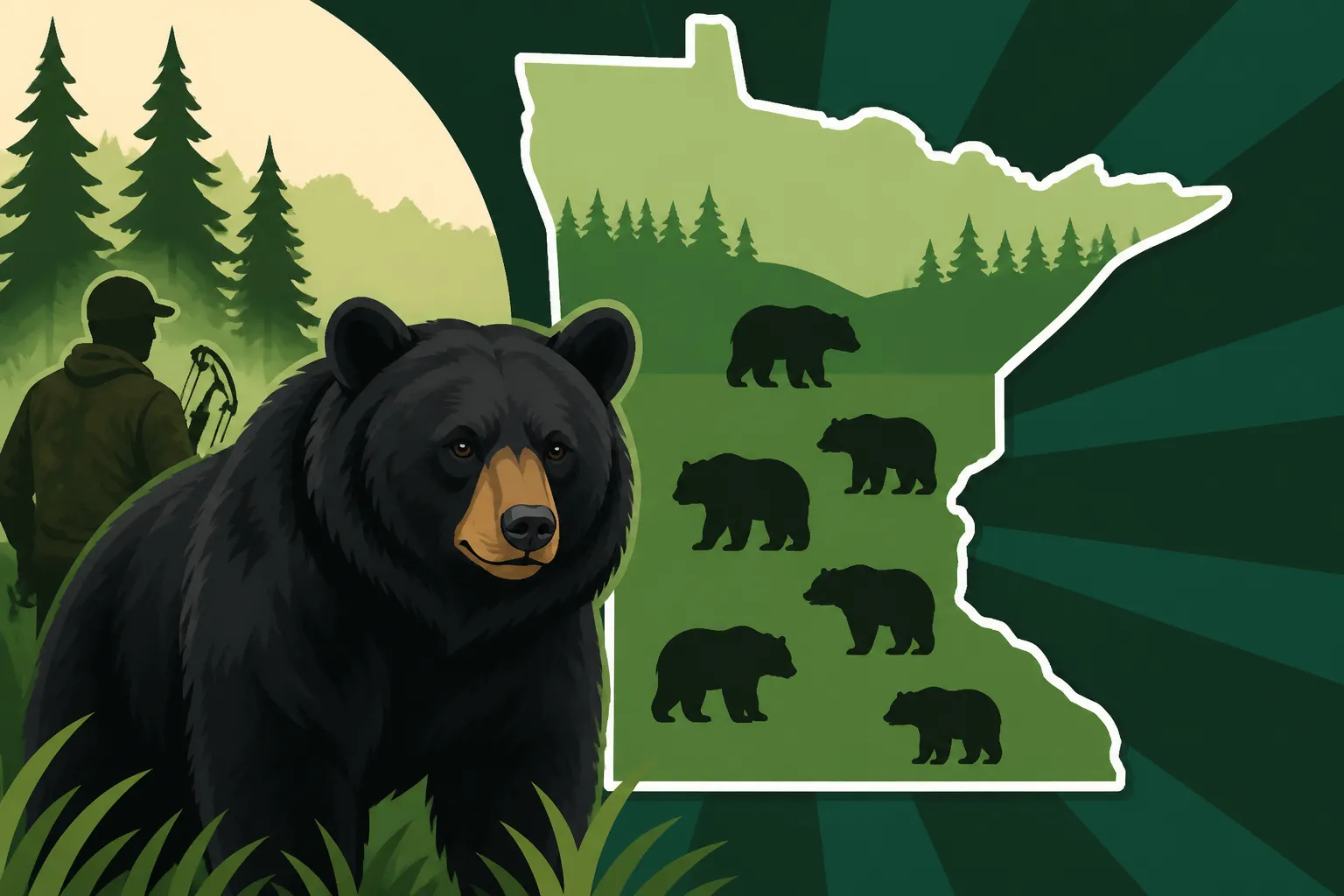
So, how many bears do we have? While specific numbers fluctuate year to year due to various factors like cub survival, food availability, and hunting pressure, Minnesota generally supports a robust and healthy black bear population. Historically, the population has been estimated to be anywhere from around 10,000 to over 15,000 individuals, with fluctuations occurring based on habitat conditions and management efforts. The trend over the last few decades has generally been one of stability or even slight increase, which is good news for the species.
It's important to remember that these are estimates, not exact counts. The real takeaway is that Minnesota has a thriving black bear population, particularly in its northern forests, which allows for both a sustainable hunting season and ample opportunities for wildlife viewing, albeit from a respectful distance. This healthy population is a testament to effective wildlife management and the resilience of our natural landscapes.
Where the Bears Call Home: Minnesota's Bear Range
When most Minnesotans think of black bears, their minds immediately go to the vast, wild expanses of the northern forests. And they're not wrong – that's definitely the heart of bear country. But the truth is, bears are adaptable, and their range isn't quite as confined as you might think. Understanding where these animals primarily live, and how that territory is shifting, gives us a better sense of why we might encounter them in unexpected places.
The Traditional Northern Strongholds
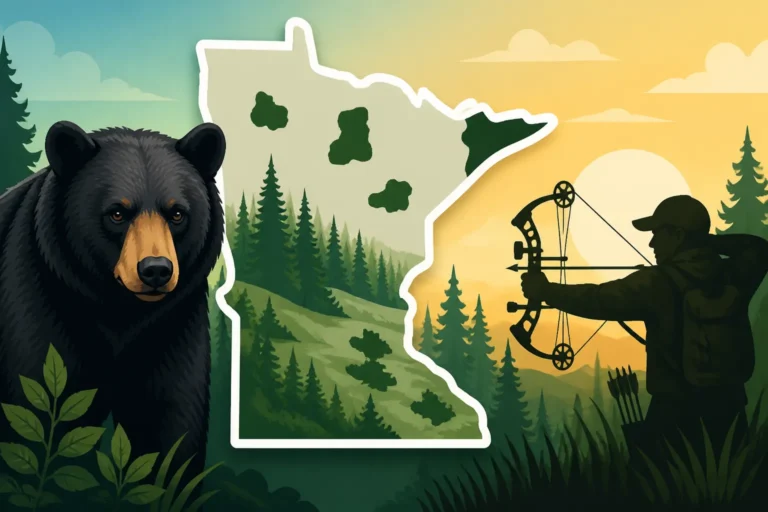
The vast majority of Minnesota's black bears reside in the northern forested regions of the state. Areas like the Superior National Forest, the Chippewa National Forest, and the numerous state forests and Wildlife Management Areas (WMAs) in counties such as Beltrami, Itasca, St. Louis, and Koochiching, are prime bear habitat. These areas offer the dense cover, diverse food sources, and relative solitude that bears need to thrive. Think thick aspen stands, mature hardwoods, and abundant berry bushes – that's classic bear country.
Within these northern regions, bears establish home ranges that can span dozens of square miles, especially for males. Females typically have smaller territories, especially when raising cubs. These forests provide everything a bear needs: denning sites for winter, water sources, and an endless buffet of acorns, berries, grubs, and other natural foods. This is also where you'll find the majority of the Minnesota's Fifteen Bear Permit Areas for hunters.
The Slow Expansion South: New Territories
While the north remains their stronghold, anecdotal evidence and increasing sightings suggest that bears are slowly but surely expanding their range southwards. Bears Moving Into Southern Minnesota isn't a sudden invasion, but a gradual process driven by population growth in core areas and the dispersal of young bears looking for new territories. These pioneering individuals might venture into more agricultural or semi-developed areas, following river corridors, wooded ravines, and even suburban greenbelts.
You might hear reports of bears showing up in counties that traditionally haven't had a resident bear population. These aren't usually signs of a widespread new breeding population, but rather individual males exploring new ground, or young bears pushed out of crowded northern ranges. These movements highlight the adaptability of black bears and underscore the importance of being bear-aware even outside the traditional northern "bear country." If you're planning a hunt or simply spending time outdoors, using resources like GoHunt can help you stay informed about recent sightings and habitat changes in specific regions.
Habitat Preferences and Food Sources
Minnesota's black bears are omnivores, meaning they eat both plants and animals, and their diet is incredibly diverse, changing with the seasons. Their preferred habitats are those that offer a buffet of options. In spring, they emerge from their dens seeking out tender green vegetation, grubs, and carrion. Summer is prime time for berries – blueberries, raspberries, serviceberries – and other soft mast. As fall approaches, they shift their focus to hard mast like acorns and hazelnuts, packing on fat for the long winter. This seasonal availability of food is a major driver of their movements and dictates where you're most likely to find them.
Dense forest cover is crucial for security, denning, and travel. Bears prefer areas with minimal human disturbance, though they are intelligent and opportunistic, often learning to exploit human-provided food sources if available. This is why managing attractants is so important, whether you're camping in the Boundary Waters or have a cabin tucked away in a northern forest.
What Impacts Bear Populations in the North Star State?
Black bear populations, like all wildlife, are not static. They ebb and flow based on a complex interplay of natural and human-influenced factors. Understanding these dynamics is crucial for effective management and for appreciating the resilience, yet also the vulnerabilities, of these animals. It’s not just about counting bears; it’s about understanding what makes those numbers go up or down.
Habitat, Food Availability, and Environmental Factors
The health of Minnesota's bear population is intimately tied to the quality and abundance of their habitat and, critically, their food sources. Years with abundant natural foods – a good berry crop, a strong acorn fall – typically lead to healthier bears, higher cub survival rates, and more successful reproduction. Conversely, a poor mast year can result in bears having to travel farther to find food, leading to more human-bear conflicts, lower cub survival, and potentially smaller litter sizes the following year. This directly impacts Minnesota Bear Harvest Numbers as well, as hungry bears are more likely to visit bait sites.
Environmental factors like harsh winters can also play a role, particularly for cubs. While bears are incredibly resilient during hibernation, extreme cold or late-season thaws can sometimes impact denning success. Disease, while not a widespread issue for black bears in Minnesota, can also have localized impacts. Ultimately, the overall health of the forest ecosystem is the greatest determinant of a stable bear population.
Hunting Seasons and Management Strategies
Minnesota has a long-standing and carefully managed black bear hunting season. This isn't just about providing recreation; it's a critical tool for managing the population. The state sets quotas for different permit areas, taking into account population estimates, previous harvest numbers, and habitat conditions. This ensures that the harvest remains sustainable and doesn't negatively impact the long-term health of the bear population. Hunters often use methods like Building and Freshening a Minnesota Bear Bait or Running Hounds for Minnesota Bears, both of which are regulated to ensure ethical and effective hunting practices.
The permit system, especially in designated quota areas, allows wildlife managers to control hunter numbers and influence harvest rates. In years where the population might be a bit lower or food is scarce, quotas can be adjusted. Conversely, if numbers are robust, more permits might be issued. This adaptive management approach is key to maintaining balance between bear populations and human communities, ensuring healthy bear numbers while minimizing conflicts.
What This Means for Hunters and Wildlife Enthusiasts
For those of us who spend time in Minnesota's outdoors, understanding the black bear population isn't just academic; it has practical implications. Whether you're a hunter planning your next season or a cabin owner enjoying the peace of the north woods, knowing more about these animals helps foster respect and promotes safe interactions.
Understanding Permit Areas and Opportunities
Minnesota's black bear hunting is primarily managed through a lottery system for specific permit areas, with some "no-quota" zones also available. Knowing When Minnesota Bear Season Opens and understanding the permit area structure is crucial for hunters. Each permit area is managed with specific population goals in mind, and the number of available permits reflects that. This system is designed to provide fair chase opportunities while maintaining sustainable bear populations.
If you're interested in bear hunting, researching the different permit areas, their success rates, and the specific regulations for each is your first step. Resources like the GoHunt platform often provide valuable insights and data that can help you strategize your application and hunt. Whether you're considering Hunting Bear Without Bait or Dogs or utilizing bait, being well-informed about the area's bear density and past harvest trends is vital.
Living with Bears: Safety and Coexistence
With a healthy and sometimes expanding bear population, Bear Encounters Around Minnesota Cabins or in other recreational areas are a real possibility. Coexistence is key, and it largely comes down to managing attractants. Bears are incredibly intelligent and will quickly learn where easy food sources are available. This means securing garbage, cleaning up barbecue grills, removing bird feeders during bear season, and storing pet food indoors.
Knowing Where Minnesota Bears Range also means understanding their behavior. If you encounter a bear, staying calm, making noise to make your presence known, and never running are crucial steps. Most bears will try to avoid human confrontation. Education is your best tool for minimizing potential conflicts and ensuring both human and bear safety.
Resources for Bear Information
Staying informed about Minnesota's black bear population and management is easier than ever with various resources available. The Minnesota Department of Natural Resources (DNR) website is an invaluable source for official regulations, permit area maps, harvest reports, and general bear biology. They offer detailed data and insights into Minnesota Bear Denning Behavior, population trends, and safety guidelines.
Beyond official sources, online platforms like GoHunt provide aggregated data, tools for analyzing permit area statistics, and community forums where hunters can share experiences and insights. These resources are excellent for planning trips, understanding population dynamics, and staying updated on any changes in bear management strategies. The more informed we are, the better we can appreciate and coexist with Minnesota's black bears.
| Factor | Impact on Black Bear Population |
|---|---|
| Food Availability | High: Increased cub survival, higher reproductive rates. |
| Low: Lower cub survival, fewer cubs born, increased conflicts. | |
| Habitat Quality | Good: Ample cover, denning sites, diverse food. Stable population. |
| Poor: Reduced carrying capacity, dispersal into new areas. | |
| Winter Severity | Mild: Better cub survival, less stress on hibernating bears. |
| Harsh: Potential for increased cub mortality, stress on adults. | |
| Hunting Pressure | Controlled: Maintains healthy population, manages human-bear conflicts. |
| Uncontrolled: Can lead to population decline. | |
| Human Development | Increased: Habitat fragmentation, increased human-bear conflicts. |
| Managed: Coexistence strategies, attractant control. |
Disclaimer
This article is for general informational purposes only and does not constitute professional advice. Laws, prices and regulations vary by location and change over time. Consult a qualified professional for guidance on your specific situation.