When Northwest Minnesota Enters CWD Testing
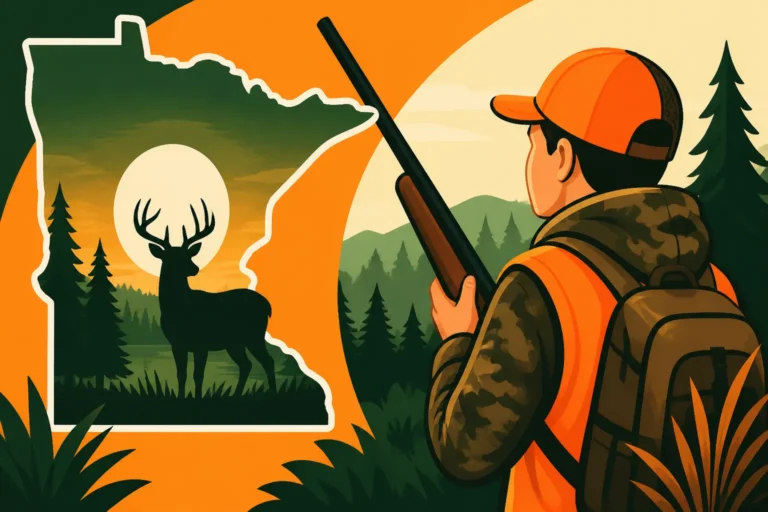
It’s a truly confusing time to be a deer hunter in Minnesota, especially with all the talk about Chronic Wasting Disease (CWD) and the constant changes in testing requirements. One minute you're just focused on finding that perfect buck, and the next you're trying to decipher complicated maps and remember specific dates for mandatory testing. This guide is here to cut through that noise and give you a clear understanding of when Northwest Minnesota will be part of the CWD testing rotation and what that means for your hunting season.
Understanding Minnesota's Statewide CWD Surveillance Plan
The Minnesota Department of Natural Resources (DNR) isn't just throwing darts at a map when it comes to CWD testing. They’ve implemented a comprehensive, rotating surveillance plan designed to monitor the spread of this devastating disease across the state. This isn't just about finding CWD; it's about understanding its prevalence and distribution to inform future management strategies. It’s a huge undertaking, and it impacts hunters directly.
What is CWD and Why it Matters So Much
Chronic Wasting Disease is a neurological disease that affects cervids, which includes our beloved white-tailed deer, elk, and moose. It's caused by abnormal proteins called prions that slowly destroy the brain and nervous system, leading to emaciation, abnormal behavior, loss of bodily functions, and ultimately, death. What makes CWD so concerning is that it’s always fatal, there’s no known cure, and the prions can persist in the environment for years, making it incredibly difficult to eradicate once established. For hunters, it raises serious questions about herd health, future hunting opportunities, and even the safety of consuming venison, though there's currently no evidence of CWD being transmitted to humans. However, the CDC still recommends against eating meat from CWD-positive animals. It's a sobering thought, isn't it?
The Four-Year Quadrant Rotation for Surveillance
To effectively monitor CWD across such a large and diverse landscape, Minnesota has divided the state into four geographical quadrants: Northeast, Northwest, Southeast, and Southwest. Each year, one of these quadrants is designated for enhanced CWD surveillance, including mandatory or increased voluntary testing efforts. The idea behind this approach is to systematically cover the entire state over a four-year cycle, allowing the DNR to track changes in disease distribution over time without having to implement mandatory testing statewide every single year. It helps them allocate resources more efficiently, focusing intense efforts where and when they're most needed. You can learn more about Minnesota's overall CWD management plan and how these zones are defined by exploring Minnesota's Four-Year CWD Testing Rotation. This strategic rotation helps provide critical data for understanding where CWD is, where it's going, and how best to respond.
When Northwest Minnesota Enters CWD Testing
If you hunt in the vast and wild landscapes of Northwest Minnesota, it's crucial to mark your calendar. Knowing the specific surveillance year for your region allows you to prepare for potential mandatory testing requirements and carcass movement restrictions, ensuring you stay within the legal framework and contribute to critical disease monitoring efforts.
Specific Timeline for the Northwest Quadrant
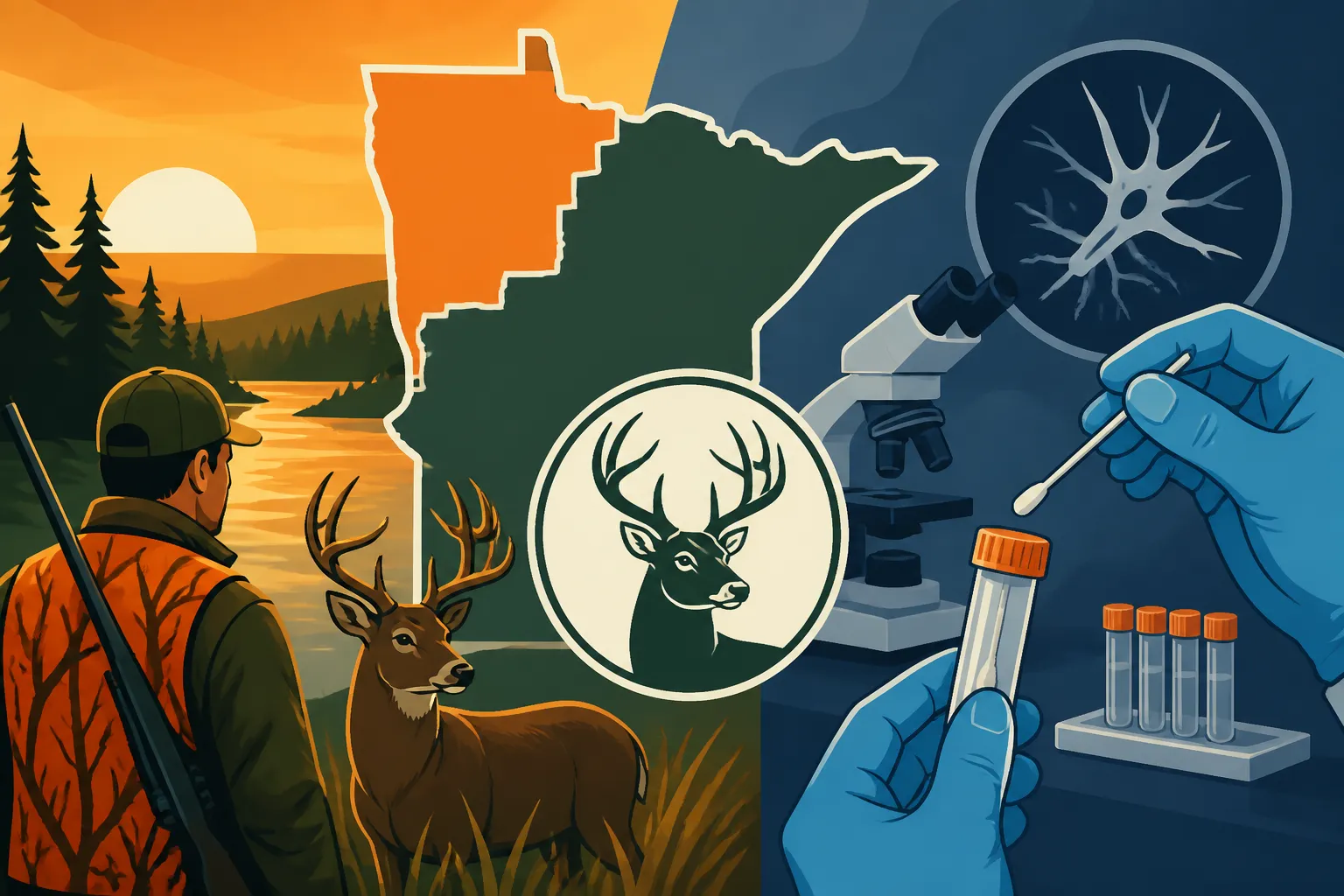
For hunters in Northwest Minnesota, the next scheduled year for enhanced CWD surveillance and potential mandatory testing is 2026. This means that come fall of 2026, if you successfully harvest a deer within the designated permit areas of the Northwest Quadrant, you will likely be required to submit samples for CWD testing. This is a significant shift for many hunters who may not have faced such requirements in their local hunting grounds before. It's not just a suggestion; it’s a necessary step to protect the health of Minnesota's deer herd, including the more isolated herds in the far north. This planned surveillance allows the DNR to gather baseline data and monitor for any CWD presence in a region that has, thankfully, remained largely CWD-free to date. Keeping up with announcements from the DNR as 2026 approaches will be vital, as specific details are always subject to fine-tuning based on current disease status and sampling logistics.
Counties and Permit Areas Affected During 2026
When 2026 rolls around, the mandatory testing requirements will generally encompass the counties and permit areas designated within the Northwest Quadrant. While the exact boundaries can sometimes be refined, this typically includes a large swathe of the state known for its unique hunting experiences, from the timber and wetlands to agricultural fringes. Expect counties like Polk, Marshall, Roseau, Kittson, Pennington, Red Lake, Norman, Clay, Clearwater, Beltrami, Lake of the Woods, and parts of Hubbard, Cass, and Itasca to be part of this surveillance effort. Specific deer permit areas within these counties will be identified by the DNR well in advance. For example, some of the areas near the Canadian border or the Red River Valley might fall into this quadrant. Hunters who pursue deer near the Kittson County Elk Herd Size will also need to pay close attention, as CWD surveillance is critical for protecting all cervid species. Staying informed about your specific permit area's status, which you can usually find through the DNR's online resources or by using mapping applications like GoHunt, will be key to compliance. These apps often provide overlays that show the specific CWD zones and permit area boundaries, making it much easier for hunters to navigate these regulations.
What Hunters in Northwest Minnesota Need to Know During Testing Periods
Once the mandatory testing period for the Northwest Quadrant arrives in 2026, there are several key actions and regulations that every hunter needs to be aware of. This isn’t just about following rules; it’s about being a responsible steward of the wildlife resource we all cherish.
Mandatory Sampling Requirements and Locations
During a mandatory surveillance year like 2026 for Northwest Minnesota, harvesting a deer within the designated CWD permit areas will trigger a requirement to submit the deer's head for CWD sampling. This process is designed to be as straightforward as possible for hunters. The DNR typically sets up numerous sampling stations, often at public access points, private businesses, or designated kiosks, throughout the affected zone. At these stations, trained staff (or sometimes self-serve options with clear instructions) will collect the necessary lymph node samples from the deer's head. You'll usually need to provide your license information and the location of your harvest. It's a quick process that provides invaluable data. Hunters are encouraged to quarter their deer in the field to make transport easier, leaving the head with at least 4-6 inches of neck attached for proper sampling. Remember, failing to submit a sample when mandatory can result in penalties, so make it a priority after your successful hunt. You can find detailed information on how and where to drop off your sample by looking for Finding a Minnesota CWD Sampling Station closer to the 2026 season.
Carcass Movement Restrictions and Regulations
One of the most critical aspects of CWD management, particularly during a surveillance year, involves restrictions on moving deer carcasses out of designated CWD zones. The primary goal here is to prevent the physical transport of potentially CWD-infected materials (like brain, spinal cord, or lymph nodes) into previously unaffected areas. During 2026, if you harvest a deer in the Northwest Quadrant, you will likely be restricted from taking the whole carcass out of that CWD surveillance zone.
Here’s what you generally can take out:
- Deboned meat
- Cleaned skull plate with antlers (no brain tissue)
- Antlers attached to a clean skull cap
- Cleaned hide (no tissue attached)
- Teeth
- Finished taxidermy mounts
These rules are in place because the parts you can't move are the ones most likely to harbor CWD prions. If you're planning to process your deer out of state or in a different part of Minnesota, you absolutely must adhere to these regulations. This is a crucial step in preventing the spread of CWD. Ignorance of the rules won’t be an excuse if you’re caught moving restricted materials. It's always a good idea to check the latest regulations concerning Moving a Deer Out of a CWD Zone before you head into the field, especially if you hunt near the border of a CWD management zone.
Voluntary Testing Options Outside Mandatory Periods
While mandatory testing for Northwest Minnesota won't kick in until 2026, that doesn't mean CWD monitoring stops in other years. The DNR encourages voluntary testing at any time, especially if you harvest a deer that appears sick or emaciated. Voluntary testing is a proactive way for hunters to contribute to the overall surveillance effort and gain peace of mind about the venison they consume.
Many hunters choose to voluntarily test deer harvested in areas that aren't under mandatory surveillance, just to be sure. This is particularly true for those who travel extensively for hunting or who are concerned about potential local CWD outbreaks. The process for voluntary testing usually involves taking the deer's head to a designated collection point, or in some cases, you can even request a mail-in kit. These kits usually include instructions on how to collect the lymph node sample yourself and where to send it. You can inquire about Ordering a Mail-In CWD Test Kit through the DNR website or by contacting your local wildlife office. Every sample, whether mandatory or voluntary, provides valuable data points that help shape the overall understanding of CWD prevalence and guides the DNR's management decisions for years to come.
Impact and Future Outlook for Northwest Minnesota
The implementation of CWD testing in Northwest Minnesota is more than just a regulatory hurdle; it's a vital component of a long-term strategy to protect the region's deer population and, by extension, the hunting heritage we all value. This strategic approach has far-reaching implications.
How Testing Helps Manage CWD
The data collected during CWD surveillance years, like the one coming for Northwest Minnesota in 2026, is absolutely critical for effective disease management. It helps the DNR understand several key factors:
- Presence or Absence: The most basic, yet fundamental, piece of information. Is CWD present in the region, or is it still free of the disease?
- Prevalence Rates: If CWD is found, how widespread is it? Are only a few animals affected, or is the prevalence rate higher? This helps gauge the severity of the situation.
- Geographic Distribution: Where exactly are the positive cases concentrated? This allows the DNR to pinpoint specific areas for targeted management actions, rather than broad, less effective measures.
- Disease Trends: By comparing data over multiple surveillance cycles, the DNR can track if CWD is spreading, remaining stable, or even declining in certain areas. This informs predictive models for future spread.
Without this robust testing data, wildlife managers would be largely blind, unable to make informed decisions about herd health, potential culling strategies, or future hunting regulations. It’s the foundation upon which all other CWD management efforts are built, helping to safeguard the Minnesota Deer Herd Size for generations to come.
The Role of Hunters in CWD Monitoring
Let’s be honest, CWD testing can feel like a burden when you’re just trying to enjoy your hunting trip. But as hunters, we are the front-line conservationists and play an absolutely indispensable role in monitoring and managing CWD. Without hunter participation, the vast majority of samples simply wouldn't be collected. Every hunter who submits a sample, whether voluntarily or through mandatory requirements, directly contributes to the scientific understanding of the disease.
Consider the sheer number of deer harvested annually across Minnesota. That's thousands upon thousands of potential data points that could reveal the presence and spread of CWD. Beyond just submitting samples, hunters can also help by:
- Reporting Sick Deer: If you observe a deer that appears emaciated, disoriented, or exhibiting unusual behavior, report it to the DNR immediately. Your eyes in the field are invaluable.
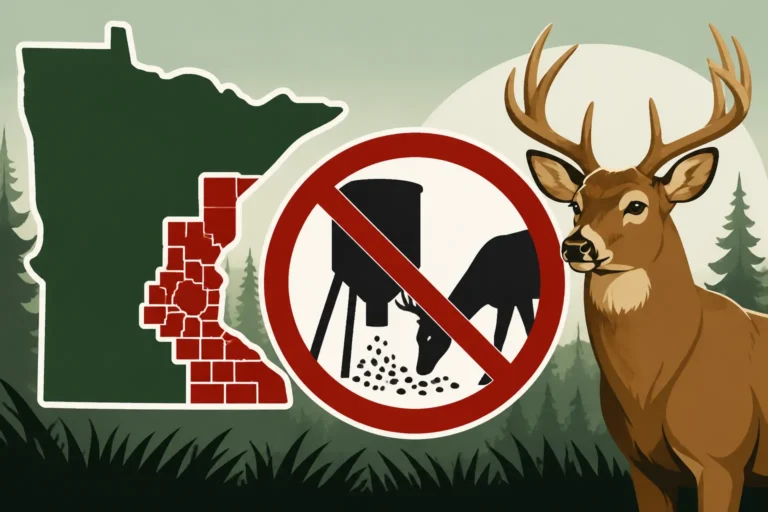
- Adhering to Regulations: Strictly following carcass movement restrictions and feeding/baiting bans (like Minnesota Feeding and Baiting Bans in CWD Zones) helps prevent human-assisted spread of the disease.
- Staying Informed: Keep up-to-date with the latest CWD information from the DNR. Knowledge is power when it comes to disease management.
Our participation isn't just about compliance; it's about being active partners in protecting the health of the resource we love.
Anticipated Changes and Adaptations
As 2026 draws closer and beyond, hunters in Northwest Minnesota should be prepared for potential adaptations to hunting practices and regulations. The outcome of the 2026 surveillance year will heavily influence future management decisions in the region.
If CWD is detected in Northwest Minnesota, especially at higher prevalence rates, you could see:
- Expanded Mandatory Testing: Surveillance might become more frequent or even annual in specific affected permit areas.
- Increased Antlerless Harvest Opportunities: In areas with CWD, increasing the harvest of antlerless deer can sometimes be part of management efforts to reduce deer density and slow disease transmission. This might mean more liberal tag allocations in some Minnesota Deer Seasons and Permit Areas.
- New CWD Management Zones: The DNR might establish specific CWD Management Zones within Northwest Minnesota, which come with their own set of stricter rules regarding carcass movement, baiting, and feeding.
- Changes in Scouting Tools: While tools like GoHunt are already indispensable for scouting and understanding public land boundaries, they might start incorporating even more detailed CWD zone overlays and real-time updates on testing stations.
It’s crucial to understand that these changes are not meant to penalize hunters but are necessary steps to preserve the long-term health and huntability of Minnesota's deer herd. Adapting to these changes, even if they're inconvenient, is part of being a responsible and forward-thinking hunter in the modern era.
CWD Testing Quadrant Rotation in Minnesota
To give you a quick visual overview of the Minnesota DNR's planned CWD surveillance rotation, here's a table showing when each quadrant is currently slated for enhanced testing. Please note, specific details and dates can be adjusted by the DNR based on evolving CWD conditions.
| Quadrant | Next Scheduled Enhanced Surveillance Year | Primary Counties (Examples) | Key Hunting Features |
|---|---|---|---|
| Northwest Minnesota | 2026 | Polk, Marshall, Roseau, Beltrami, Lake of the Woods | Forests, Red River Valley, Elk range, smaller deer herds |
| Northeast Minnesota | 2024 | St. Louis, Lake, Cook, Itasca, Koochiching | Vast "Big Woods" timber, Boundary Waters, low deer density |
| Southeast Minnesota | 2025 | Fillmore, Houston, Olmsted, Winona, Goodhue | Bluff country, high deer density, CWD endemic zone |
| Southwest Minnesota | 2023 (recently completed) | Pipestone, Lyon, Yellow Medicine, Redwood, Renville | Farmland, prairie, fragmented habitat, high deer density |
This rotation allows the DNR to systematically gather data from across the state, giving us the most comprehensive picture possible of CWD’s presence and spread.
Disclaimer
The information provided in this guide is for general informational purposes only and is based on publicly available data from the Minnesota Department of Natural Resources (DNR) as of the time of writing. Hunting regulations, CWD management plans, and testing requirements are subject to change. Hunters are solely responsible for knowing and abiding by all current hunting laws and regulations. Always consult the official Minnesota DNR website or their latest hunting regulations handbook for the most accurate and up-to-date information before planning your hunt.