What an Intensive Permit Area Allows
It can be incredibly confusing to navigate Minnesota's deer hunting regulations, especially when you start looking at the different types of deer permit areas. Many hunters scratch their heads, wondering what exactly an "Intensive" permit area entails compared to "Managed" or "Lottery" zones. This guide is here to cut through that confusion, clearly outlining the unique opportunities and responsibilities that come with hunting in an Intensive Permit Area in Minnesota.
Understanding Minnesota's Deer Permit Area System
Minnesota’s deer management isn't a one-size-fits-all approach. The state is incredibly diverse, ranging from the vast northern forests to the agricultural landscapes of the south and the suburban fringes of the Twin Cities metro. Deer populations, habitat, and human-wildlife conflicts vary dramatically across these regions, necessitating different management strategies. This is precisely why the Minnesota Department of Natural Resources (DNR) uses a system of Deer Permit Areas (DPAs), each with its own set of rules tailored to local conditions.
The Landscape of Deer Management in Minnesota
Our state's deer herd is a dynamic one, influenced by everything from harsh winters in the north that can significantly impact fawn survival, to abundant food sources in farmland areas that can lead to booming populations. The DNR's goal is to balance herd health, hunter opportunity, and reducing conflicts with agriculture and motorists. To achieve this, they assess deer populations, habitat carrying capacity, and social tolerance levels in specific geographic zones. This scientific assessment, combined with hunter feedback, helps determine the management goals for each DPA. For a broader overview of how the DNR categorizes these areas, you might find our guide on Minnesota Deer Seasons and Permit Areas helpful.
Differentiating Permit Area Types
The three primary classifications for deer permit areas—Intensive, Managed, and Lottery—each dictate the approach to antlerless deer harvest. Understanding the differences is crucial before you even start thinking about where to hang your stand.
- Lottery Permit Areas: These are typically found where deer populations are at or near goal, and the DNR wants to maintain a stable herd. Antlerless permits are limited, and hunters must apply in a lottery system to receive one. This means there's no guarantee you'll get an antlerless tag, making success contingent on luck. You can learn more about How the Antlerless Lottery Works if you plan to hunt these zones.
- Managed Permit Areas: Here, deer populations are generally a bit higher than goal, or the DNR aims for a slight increase in harvest to stabilize numbers. Antlerless permits are usually available over the counter after a certain date, or simply require choosing the "hunter choice" option on your license, offering more predictable antlerless opportunities than lottery areas, but still with some limitations.
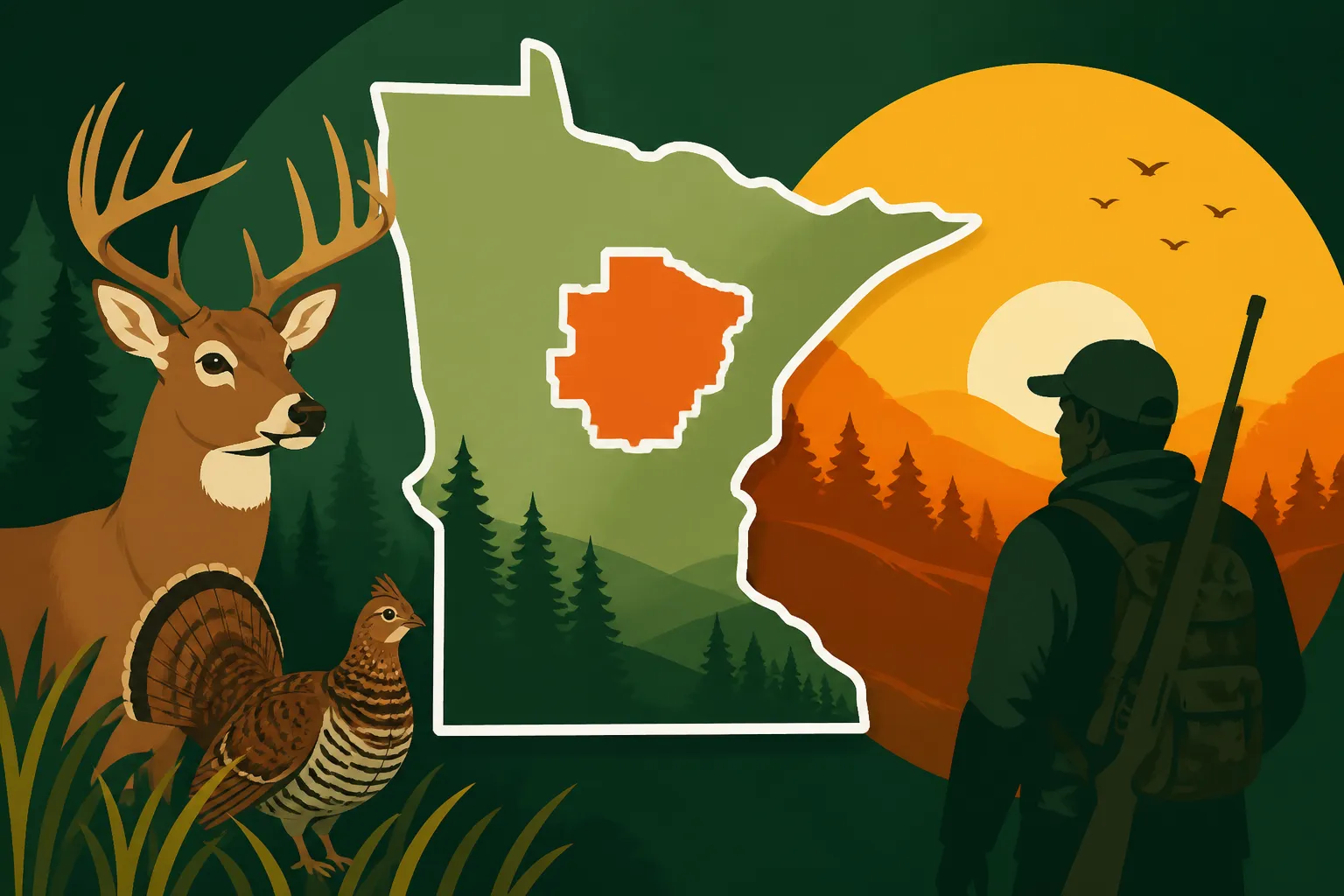
- Intensive Permit Areas: These are where the deer population is significantly above management goals. The DNR's primary objective in these areas is to reduce the deer herd. This translates directly into the most liberal antlerless harvest opportunities available to hunters.
The choice of where to hunt significantly impacts your season's strategy. If you're looking to fill the freezer, an Intensive area often presents the best chance to do so.
Diving Deep into Intensive Permit Area Regulations
When you commit to hunting an Intensive Permit Area, you’re stepping into a zone designed for aggressive deer population control. This means more opportunities for hunters to take antlerless deer, often through bonus tags and extended seasons, which can be a real boon for meat hunters or those looking to introduce new hunters to the sport.
Antlerless Harvest Opportunities
The hallmark of an Intensive Permit Area is the generous allowance for harvesting antlerless deer. Unlike Lottery areas where you might wait years to draw a tag, or Managed areas where tags might be available but still somewhat limited, Intensive areas usually make antlerless tags readily accessible.
In these zones, after you purchase your regular deer license (which typically includes an antlered deer tag and one antlerless tag valid in certain zones, or an "either-sex" tag in some cases), you can often purchase additional antlerless permits, commonly known as "bonus tags." These bonus tags are valid only for antlerless deer and are usually available without a lottery, meaning if you hunt in an Intensive Permit Area, you can almost always secure extra tags to fill your freezer. This direct availability allows hunters to contribute significantly to the population reduction efforts, which is a critical management objective in these areas. For hunters specifically aiming to harvest extra does, understanding Filling an Antlerless Lottery Tag in Minnesota is important, but remember, in Intensive areas, the "lottery" aspect for these additional tags is removed.
Bonus Tags and Extended Seasons
The availability of bonus tags is a game-changer. Imagine walking into your local license vendor or logging onto the eLicense system and simply adding several antlerless tags to your existing license. This is often the reality in Intensive Permit Areas. This allows hunters to take multiple deer, greatly increasing the chances of success for a family or a group of friends.
Furthermore, Intensive areas sometimes feature extended seasons or more liberal rules within existing seasons. For example, during the Minnesota Archery Season Dates, you might find that antlerless harvest is permitted throughout the entire season, or that additional bonus tags can be used with a bow. Similarly, for firearms hunters, the general Minnesota Deer Seasons and Permit Areas might have additional days tacked on in Intensive zones, or allow bonus tags to be used for the duration of the firearm season where they might be restricted in other areas. These extended opportunities are a direct reflection of the DNR's intent to maximize harvest pressure on the deer herd. Always check the current year's hunting regulations booklet for specific dates and rules, as these can change annually based on population assessments.
Specific Weapon and Season Considerations
While the general rule in Intensive areas is more liberal antlerless harvest, the specifics can still vary by weapon type and season. For instance, an archer might have specific antlerless opportunities that differ from a firearms hunter. With the recent changes making Hunting Minnesota Now That Rifles Are Legal Statewide, it’s important to remember that while rifles might be legal, the number of deer you can harvest (especially antlerless) is still dictated by the DPA rules.
In many Intensive areas, especially those closer to population centers or agricultural lands, firearm regulations might still favor straight-wall cartridges or even shotguns in certain counties, even with the statewide rifle changes. Always confirm the legal firearm types for your specific DPA. Muzzleloader season, typically in December, can also be a prime time for using bonus tags in Intensive areas, as deer are often concentrated on late-season food sources and less pressured than during the main firearm season. The key is to verify the specifics for your chosen permit area and preferred hunting method.
Why Hunt an Intensive Permit Area?
Choosing to hunt in an Intensive Permit Area isn't just about the tags; it's about being part of a larger conservation effort while enjoying a potentially very successful hunt. There are compelling reasons why these areas attract many hunters, but also unique challenges to consider.
Addressing High Deer Populations
Intensive Permit Areas exist because deer populations have grown to a point where they are causing significant issues. This could be anything from agricultural crop damage in southern Minnesota farmlands, increased deer-vehicle collisions on busy roadways, or over-browsing that damages forest regeneration and natural habitat. By allowing hunters to take more antlerless deer, the DNR is directly attempting to reduce herd numbers to a more ecologically and socially acceptable level.
For hunters, this means you're not just pursuing a trophy; you're actively participating in wildlife management. This sense of contribution can be very rewarding. In areas like the agricultural belt around southeastern Minnesota, for example, high deer numbers can devastate corn and soybean fields, impacting local farmers. Your efforts to harvest does directly help alleviate this pressure. Furthermore, a high deer density often translates to more deer sightings, which can make for an exciting hunt, especially for new hunters or youth, who might get discouraged in areas with very low deer numbers. Our breakdown of Deer Density by Minnesota Permit Area can give you a clearer picture of where these higher populations generally occur.
Hunter Opportunities and Success Rates
The liberal antlerless tags in Intensive Permit Areas translate to significantly higher hunter opportunities. You're not limited to a single deer for the season, which means more days afield, more chances for success, and more venison for the freezer. This is particularly appealing for families or groups who want to fill multiple tags. It also increases the success rate, making it more likely that you or your hunting partners will come home with game.
A robust Minnesota Deer Population Estimate often leads to the creation of more Intensive Permit Areas, signaling excellent opportunities for hunters. While the focus might be on antlerless deer, a healthy, high-density herd also means there are mature bucks in the mix. While you might not be allowed to take multiple bucks, the sheer number of deer moving through the woods means more encounters overall. It can also be a fantastic scenario for mentoring new hunters, as the higher deer activity provides more learning opportunities and increases the chance of them taking their first deer.
Navigating Challenges in Intensive Areas
While the opportunities are plentiful, hunting in Intensive Permit Areas isn't without its challenges. Because these areas often have high deer densities, they can also experience higher hunter pressure, especially on public lands. You might encounter more vehicles on forest roads or more hunters in popular spots. This requires different tactics, such as being willing to walk farther, hunt during off-peak times, or focus on overlooked pockets of habitat. Hunting Pressure on Minnesota Public Land can be intense, so scouting thoroughly and having a plan to avoid crowds is key.
Another challenge can be navigating the local landscape. Intensive areas are frequently located near human development, which means careful attention to property boundaries and safety zones is paramount. Access to private land might be more competitive, requiring more effort to secure permission. Additionally, while the deer population is high, chronic wasting disease (CWD) surveillance or management zones can sometimes overlap with Intensive areas. Always check for current Minnesota Carcass Movement Restrictions if you harvest a deer in a CWD-affected area to ensure you comply with processing and transport rules.
Planning Your Hunt in an Intensive Area
A successful hunt in an Intensive Permit Area, like any hunt, hinges on thorough planning and preparation. Maximizing your opportunities here means smart scouting, using the right tools, and understanding the unique dynamics of these high-density deer zones.
Utilizing Mapping Tools and Resources
In today's hunting world, digital mapping tools are invaluable, especially when navigating public lands in a potentially crowded Intensive Permit Area. Services like GoHunt, along with the Minnesota DNR's Recreation Compass map tool, offer a wealth of information at your fingertips. These platforms allow you to:
- Identify Public vs. Private Land: Crucial for staying legal and finding accessible hunting grounds.
- Analyze Topography and Cover: Pinpoint potential bedding areas, travel corridors, and funnels. Looking at Reading Aerial Photos for Big Woods Deer can help you identify subtle terrain features that might concentrate deer movement, even in more open farmland settings.
- Locate Food Sources: Find standing corn, recent clear-cuts, or areas with abundant mast crops that will draw deer.
- Evaluate Access Points: Determine where you can park and how far you'll need to walk to get away from other hunters.
Before you even step foot in the woods, spend time poring over these maps. Look for isolated pockets of cover, thickets along creek bottoms, or unpressured edges that might hold deer seeking refuge from pressure. The more detail you can gather from your mapping tools, the more efficient your scouting will be.
Scouting and Strategy
Even with generous tag limits, success in an Intensive Permit Area still comes down to finding deer and being in the right place at the right time. Scouting Minnesota Public Land Before Season is critical, but it takes on an added dimension in these high-pressure, high-deer-density zones.
- Pre-Season Scouting: Look for fresh deer sign like rubs, scrapes, and heavy trails. Pay attention to how deer are using the landscape in relation to available food, water, and cover. In Intensive areas, deer might become more nocturnal or utilize thicker cover faster due to increased hunter presence.
- Focus on Sanctuary: Deer will seek out dense cover, swamps, or hard-to-access areas to escape pressure. These often become prime bedding locations. Your strategy should be to set up on the travel routes leading to and from these sanctuaries, especially during periods of hunter activity.
- Adapt to Pressure: If you encounter other hunters, don't be discouraged. Instead, use their presence to your advantage. Hunters moving through the woods can push deer your way. Position yourself on escape routes or cross-country funnels where deer will naturally move when disturbed.
- Trail Cameras: Deploying trail cameras can give you real-time intelligence on deer movement patterns, especially when they are transitioning from feeding to bedding or vice-versa. Pay attention to how deer move through thick cover, where they tend to cross open areas, and what time of day they are most active. This information will help you fine-tune your stand or blind placement.
Ethical Considerations and Community Impact
While Intensive Permit Areas offer great opportunities, they also come with a heightened sense of responsibility. As hunters, we are stewards of the land and the wildlife.
- Respect Landowners: If hunting near private land, always secure permission before tracking or retrieving game that crosses a property line. Maintain a good relationship with landowners, as their tolerance is vital for hunter access.
- Public Perception: Be mindful of how your actions are perceived by the non-hunting public, especially in areas closer to development. Ethical shot placement, quick recovery, and respectful handling of harvested animals are paramount.
- Waste Not, Want Not: With multiple antlerless tags, there's a responsibility to utilize the meat. Don't take more deer than you can process and consume. Consider donating venison to local food shelves, which is a fantastic way to give back to the community and ensure the meat is put to good use.
- CWD Awareness: Stay informed about CWD. If you hunt in an Intensive Permit Area that is also a CWD management or surveillance zone, rigorously follow all DNR guidelines for sample submission and carcass disposal to help prevent the spread of the disease. This protects both the deer herd and the future of hunting in Minnesota.
By approaching your hunt in an Intensive Permit Area with careful planning, ethical behavior, and a strong understanding of the regulations, you can have a highly rewarding experience while contributing positively to Minnesota's deer management goals.
Disclaimer
Always consult the most current Minnesota Department of Natural Resources (DNR) hunting regulations booklet before planning and engaging in any hunting activities. Regulations, permit area classifications, and season dates are subject to change annually.