The 200 and 300A Firearm Deer Zones
For many Minnesota deer hunters, the array of firearm zones can feel like trying to solve a puzzle while juggling a pile of gear. Specifically, the 200 and 300A firearm deer zones come with their own unique quirks, management strategies, and opportunities that can leave even seasoned hunters scratching their heads. This comprehensive guide will untangle the complexities of these popular zones, offering clear insights into their habitats, regulations, and how to approach your hunt with confidence.
Understanding Minnesota's Firearm Deer Zone System
Minnesota's deer management system, while effective, can definitely feel a bit like reading fine print sometimes. The state is carved into various permit areas (PAs) and zones, each with specific rules designed to manage deer populations effectively. Knowing which zone you're in, and what that means for your hunt, is the first critical step to a successful season.
The Evolution of Minnesota's Deer Zones
For decades, Minnesota deer hunting was largely defined by "shotgun zones," primarily in the more populated, agricultural southern and central regions, and "rifle zones" up north in the vast forests. This was born out of public safety concerns in areas with higher human densities and smaller parcels of land. However, deer populations and land use patterns have changed dramatically, and hunters consistently voiced the desire for more flexibility.
Thankfully, Minnesota has recently implemented Minnesota's New Statewide Rifle Rules, which has been a game-changer. Now, straight-wall cartridge rifles are legal for deer hunting statewide, even in many areas that were previously shotgun-only. This shift acknowledges the evolution of firearms technology and modern hunting practices, aiming to simplify things while still allowing local control. This doesn't mean all zones are the same, however; the underlying management goals still dictate specific antlerless opportunities and season structures.
Differentiating Between Zone Types
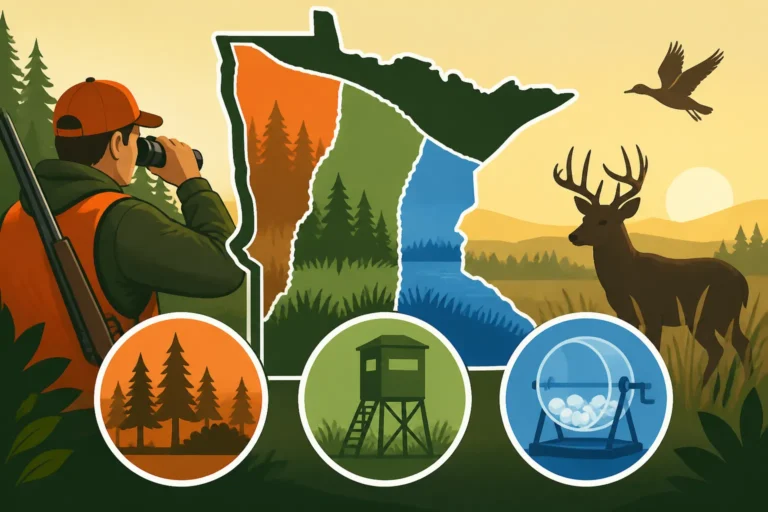
Minnesota's firearm deer zones are broadly categorized into three main series: the 100s, 200s, and 300s. Each series generally reflects a different geographical region, habitat type, and deer population density, leading to varying hunting regulations.
The 100-series zones are typically found in the northern forest regions, where deer densities are lower due to harsher winters and less agricultural food. These areas are often managed for quality bucks and offer more limited antlerless permits, often requiring an antlerless lottery. Hunting here frequently involves traversing large tracts of public land, often in big woods environments. If you're looking for an expansive wilderness experience, the 100 series might be your jam, but expect fewer deer overall.
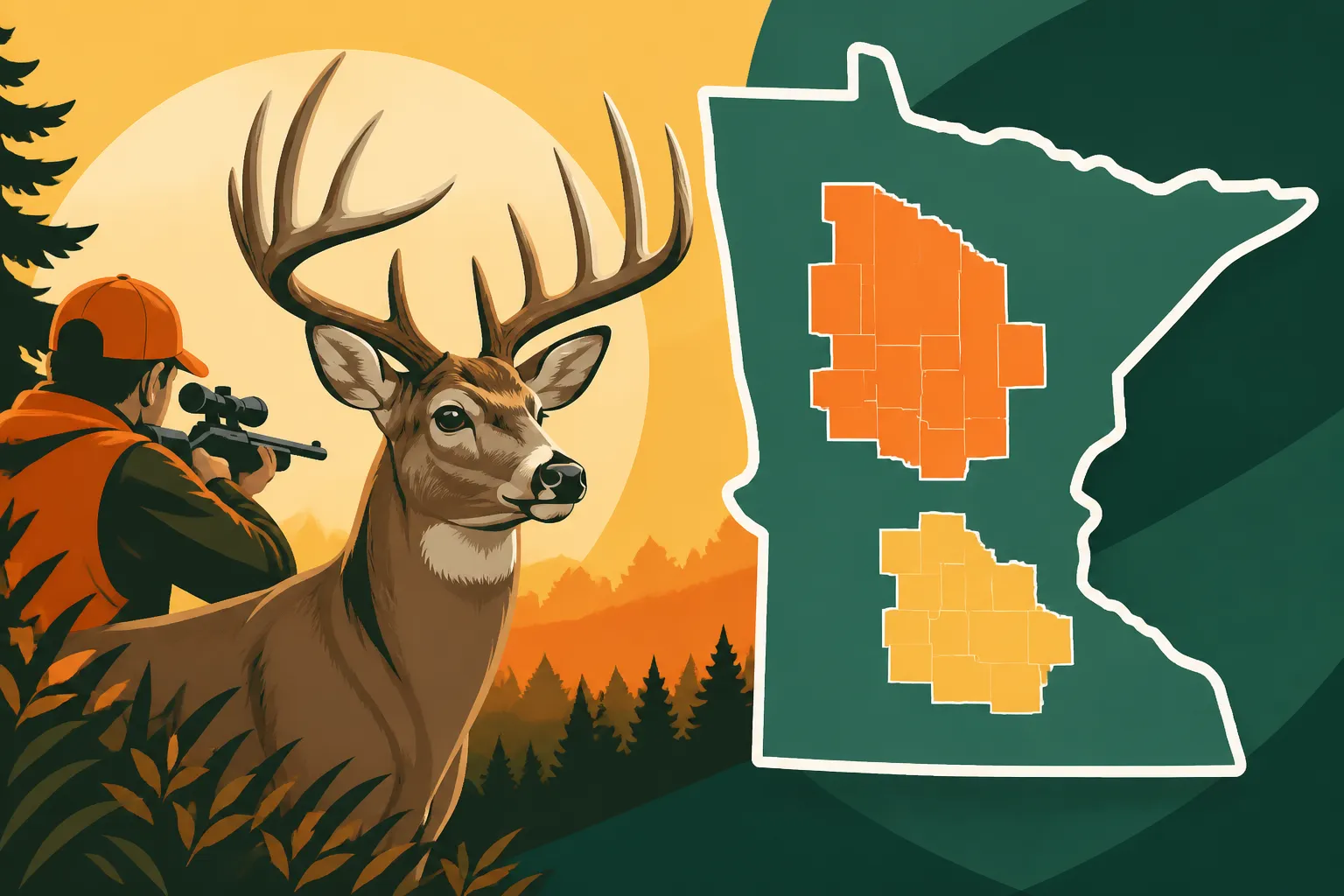
The 200-series zones represent a transitionary landscape, often found on the fringe of the northern forests and agricultural areas, or in parts of central Minnesota with a mix of woods and farms. These zones typically have moderate to high deer densities and offer more antlerless opportunities than the 100s. They are characterized by a patchwork of smaller woodlots, brushy cover, and agricultural fields.
Finally, the 300-series zones are predominantly in the southern, more intensively farmed regions of the state, including the southeastern bluff country and southwestern prairie areas. These zones generally boast the highest deer densities due to abundant food sources and milder winters. Consequently, they offer the most liberal antlerless permit options, often falling under Managed or Intensive harvest categories. The 300A zones, in particular, kick off with the main firearm season opener, offering excellent early opportunities.
Diving Deep into the 200 Firearm Deer Zones
The 200-series zones offer a unique hunting experience, blending elements of both forest and farmland hunting. They can be incredibly productive for hunters willing to adapt to their distinctive characteristics.
Characteristics and Habitat of 200 Series Areas
Imagine rolling hills, interspersed with productive agricultural fields, small to medium-sized woodlots, and often significant wetland or brushy areas. That's a typical 200-series zone. These areas are truly transition zones, where the vastness of the northern forests gives way to the agricultural dominance of the south. You'll find pockets of hardwoods, stands of aspen, thick cattail sloughs, and evergreens, all bordering corn, soybean, or alfalfa fields.
Deer in these zones often behave differently than their big woods cousins. They're masters of using small cover patches, bedding in thickets or sloughs during the day and moving to agricultural fields to feed at dawn and dusk. Understanding these movement patterns is key. For example, a small stand of oaks surrounded by cornfields can be a goldmine if you catch deer moving between bedding and feeding. Counties like Otter Tail, Todd, and Stearns often have permit areas that fall into the 200 series, showcasing this diverse habitat. Hunters in these areas benefit from extensive knowledge of local food sources, as deer movements are heavily dictated by crop rotations and harvest schedules.
Season Dates and Antlerless Permit Options in 200 Zones
Most 200-series firearm zones follow the traditional opening dates for Minnesota's firearm season, which typically kicks off the first weekend in November. It’s always critical to double-check the exact dates for your specific permit area, as small variations can occur. You can find detailed information on Minnesota Deer Seasons and Permit Areas provided by the DNR.
When it comes to antlerless permits, 200 zones generally fall into what the DNR classifies as "Hunter Choice" or "Lottery" areas, and occasionally "Managed." In a Hunter Choice area, if you purchase a regular firearm license, you automatically have the option to take an antlerless deer. This is fantastic, as it simplifies things immensely; no special application needed, just make your choice. However, many 200-series zones are designated as Lottery PAs for antlerless deer. This means you must apply for an antlerless permit by the early September deadline, and if drawn, you're authorized to take an antlerless deer in addition to a buck (if the PA allows for both). Managed areas also require a lottery but have higher quotas than Lottery PAs. Understanding the nuances of Intensive, Managed and Lottery Permit Areas is crucial for planning your hunt and maximizing your tags.
Here's a quick overview of how antlerless permits generally work in these types of zones:
| Permit Area Type | Antlerless Permit Rules (General) | Likelihood in 200-Series Zones |
|---|---|---|
| Hunter Choice | Purchase license, choose antlerless | Moderate to High |
| Lottery | Apply by deadline, drawn for tag | High |
| Managed | Apply by deadline, more tags available | Moderate |
| Intensive | More liberal tags (e.g., bonus tags) | Low (more common in 300-series) |
| Buck-Only | No antlerless harvest permitted | Very Low |
Navigating the 300A Firearm Deer Zones
The 300A zones are where Minnesota's agricultural might truly shines, and with it, some of the highest deer densities and most liberal hunting opportunities in the state. If filling the freezer is high on your priority list, these areas are often your best bet.
Defining the Landscape and Deer Habits in 300A Zones
When you step into a 300A zone, you're often surrounded by vast fields of corn, soybeans, or other row crops. These areas typically encompass the rich farmlands of southern and western Minnesota, and notably, the rugged, scenic bluff country of the southeast. While dominated by agriculture, these zones aren't without cover. Look for the critical elements: river bottoms choked with hardwoods, brushy creek draws, isolated woodlots, and often, the dramatic bluffs and coulees of the Mississippi River watershed.
Deer in 300A zones are essentially "ag-deer." They thrive on the abundant and nutrient-rich food supply, leading to healthy, robust populations and, often, impressive antler growth. Because cover can be fragmented, deer learn to utilize every bit of available habitat, from narrow brush lines between fields to dense CRP (Conservation Reserve Program) grasslands. In the southeastern bluff country, deer navigate steep ravines and timbered ridges, using elevation and topography to their advantage. Scouting here requires a keen eye for these subtle features that provide bedding and travel corridors through otherwise open country. Cities like Rochester or Faribault are good central points for many 300A areas, highlighting their proximity to populated areas.
Antlerless Opportunities and Management in 300A Areas
One of the defining features of the 300A zones is the plentiful opportunity for antlerless deer. These areas are frequently designated as "Managed" or "Intensive" harvest zones, which means the DNR aims to reduce the overall deer population to address agricultural damage, reduce vehicle collisions, or manage disease concerns. This translates into more liberal tag options for hunters.
In many 300A Managed or Intensive permit areas, you'll find "bonus tags" available. This means after you purchase your regular deer license, you can often buy additional antlerless tags for that specific permit area, allowing you to harvest multiple antlerless deer. This is fantastic for filling the freezer, sharing meat with friends and family, and actively participating in population management. However, even with liberal tags, remember that many of these are still lottery areas for your initial antlerless permit, so applying by the Antlerless Lottery Deadline in Minnesota is crucial. If you're successful in the lottery, you then often have the option to purchase bonus tags. Understanding How the Antlerless Lottery Works can make a huge difference in your planning.
It’s also imperative to acknowledge the elephant in the room: Chronic Wasting Disease (CWD). Many 300-series zones, particularly those in southeastern Minnesota, are unfortunately part of CWD management or surveillance zones. This means that while antlerless opportunities are plentiful, they come with the added responsibility of participating in mandatory CWD sampling in certain years and adhering to strict Minnesota Carcass Movement Restrictions. We'll dive deeper into CWD regulations shortly, but be aware that it significantly impacts hunting practices in these areas.
Key Considerations for Hunting 200 and 300A Zones
Hunting in these diverse zones requires a different mindset and approach compared to the vast northern forests. Success often hinges on strategic access, understanding deer behavior in fragmented habitats, and adapting your tactics.
Public Versus Private Land Access Strategies
Let's be real: much of Minnesota's 200 and 300A zones are private land. This can be a huge frustration for hunters without direct connections to landowners. But don't despair! There are still effective strategies for gaining access and finding huntable ground. Knocking on doors, respectfully asking for permission, and building relationships with landowners can open up incredible opportunities. Offer to help with chores, respect their property, and always follow up with a thank-you. Some landowners might even appreciate a little venison after the harvest.
For those relying on public land, these zones still offer options. Look for Wildlife Management Areas (WMAs), state forests (though less common than up north), and critically, Minnesota's Walk-In Access (WIA) program. WIA lands are private agricultural fields enrolled by landowners with the DNR, allowing public foot-access hunting. They're often clearly marked with yellow signs. The Minnesota Recreation Compass App is an invaluable tool for identifying and navigating these public land parcels, as is a robust mapping application like GoHunt. The GoHunt app, for example, can show you precisely where WIA land borders private property, helping you stay legal and find overlooked pockets. Using these resources to scout aerial photos to identify pinch points and funnels between fields, even on private land you hope to gain access to, is a critical first step.
Essential Gear and Tactics for Mixed Habitats
Given the varied landscape of 200 and 300A zones, your gear and tactics need to be versatile. With Minnesota's New Statewide Rifle Rules in place, you now have more options for firearms. A rifle chambered in a straight-wall cartridge like the .450 Bushmaster or .350 Legend is an excellent choice for shots in tight woodlots or along field edges where distances might be moderate. For more open country in the 300A zones, a traditional rifle caliber like a .270 or .30-06 is perfectly at home, allowing for longer shots across fields if ethically appropriate.
Stand hunting from an elevated position is a time-tested tactic, especially effective overlooking field edges, pinch points, or food plots. Ground blinds can also be incredibly useful in these areas, particularly if you need to set up quickly in a small woodlot or along a cattail slough where treestand placement is difficult. Remember, visibility is key, so brushing in a ground blind thoroughly is crucial. No matter your chosen method, wearing your Blaze Orange Requirements is not just the law; it's a vital safety measure, especially in areas that can see higher hunter densities. Given the proximity to agriculture, deer can pattern quickly, so early morning and late evening hunts near food sources, or mid-day hunts focusing on bedding areas, are often most productive.
Permit Applications, CWD, and Local Regulations
Navigating the administrative side of deer hunting in Minnesota, particularly concerning permit applications and CWD regulations, can feel like another hunt entirely. Staying informed is paramount to a lawful and successful season.
The Antlerless Lottery and Important Deadlines
For many 200 and most 300A zones, securing an antlerless tag hinges on the DNR's antlerless lottery. This isn't just a suggestion; it's a requirement in "Lottery" and "Managed" permit areas. The biggest takeaway here is the deadline: applications for the antlerless lottery are typically due by early September, usually around the 7th or 8th, but always confirm the exact date for the current year. Miss this deadline, and you've missed your chance to harvest an antlerless deer in these specific zones.
Once you've applied, you'll receive notification of your lottery results later in September. If you're drawn, congratulations! You'll then be able to purchase your antlerless tag, and in some Managed or Intensive zones, acquire additional bonus tags. If you're not drawn, don't despair entirely. Some Managed or Intensive zones might have leftover bonus tags available for purchase starting in late September or early October, but these are often first-come, first-served and can disappear quickly. Familiarize yourself with How the Antlerless Lottery Works to understand the odds and process for your desired permit areas. Checking the DNR's website for your specific permit area is always the best way to get the most up-to-date information on tag availability and regulations for Finding Your Minnesota Deer Permit Area.
CWD Management and Carcass Movement Restrictions
Chronic Wasting Disease (CWD) is a serious concern for Minnesota's deer herd, and it significantly impacts hunting regulations, especially in the 300-series zones. Areas in southeastern Minnesota, in particular, have established CWD Management Zones in Minnesota and surveillance zones. This means hunters in these areas will often encounter mandatory CWD sampling requirements for harvested deer. The DNR has a Minnesota's Four-Year CWD Testing Rotation for various parts of the state, so what might be mandatory one year could be voluntary the next, depending on the quadrant.
When hunting in a CWD-affected zone, you might be required to submit your deer for testing at a designated sampling station, often located at check stations or drop-off sites during opening weekend. Beyond testing, strict Minnesota Carcass Movement Restrictions are in place. This generally means you cannot transport a whole deer carcass out of a CWD management zone. Instead, you'll need to bone out the meat, remove the skull plate (if keeping antlers), and dispose of the carcass waste within the zone. These rules are crucial for preventing the spread of CWD and are taken very seriously. Additionally, Minnesota Feeding and Baiting Bans in CWD Zones are common, so be sure to check the specific regulations for your permit area before planning any baiting activities. These measures can certainly add a layer of complexity to your hunt, but they are vital for protecting the long-term health of Minnesota's deer population.
Maximizing Your Hunt in These Diverse Zones
Hunting success isn't just about pulling a trigger; it's about the entire process, from pre-season preparation to adapting to the conditions of the hunt. In the 200 and 300A zones, this holistic approach is especially rewarding.
Scouting and Pre-Season Preparation
Effective scouting is the bedrock of a successful hunt, and in the 200 and 300A zones, it takes on a nuanced role. Since deer movements are heavily influenced by agricultural patterns, understanding local crop rotations is paramount. If a farmer plants corn one year and soybeans the next, that completely changes the deer's feeding habits. Drive county roads, look for active fields, and pay attention to harvest schedules. Deer will congregate in standing cornfields for both food and cover until they're cut, then shift to soybean stubble or other food sources.
Utilizing aerial photos is an indispensable tool for identifying key features that concentrate deer. Look for narrow strips of timber connecting larger woodlots (natural funnels), drainages or creek bottoms that offer cover through open fields, and small, isolated patches of thick cover where deer might bed down during the day. Tools like the GoHunt app or the Minnesota Recreation Compass App allow you to overlay property lines, public land boundaries, and topographic features, which is critical in these checkerboard landscapes. Spend time digitally scouting to identify potential stand locations or still-hunting routes. Look for pinch points created by fields, roads, or fences that force deer into predictable travel corridors. While these aren't "big woods," the principles of Reading Aerial Photos for Big Woods Deer still apply: look for natural funnels, edge cover, and escape routes.
Adapting to Pressure and Weather Conditions
Deer in 200 and 300A zones, especially on public land or smaller private parcels, can become highly pressured very quickly once the firearm season opens. This pressure will push deer into the thickest, nastiest cover available. Don't be afraid to hunt these dense areas. Cattail sloughs, thick cedar swamps, or impenetrable plum thickets that seem impossible to navigate often hold deer that have been bumped from more accessible cover.
Weather also plays a significant role. A cold front or a fresh blanket of snow can kick deer activity into high gear, especially as they seek out calorie-rich food sources. A light snow cover also makes tracking much easier, helping you discern fresh deer movement. Conversely, warm, sunny days might mean deer are largely nocturnal, only moving during the twilight hours. During the Hunting the Peak Rut in Early November, bucks will be on the move, actively seeking does, making mid-day sits more productive than usual. However, as the season progresses into colder December days, adopting a Cold-Weather Sitting Strategy in Minnesota becomes crucial. Dress in layers, use hand warmers, and consider a portable heater in a ground blind to extend your sitting time, as deer might move less frequently but for longer durations when they do. Being adaptable to both hunter pressure and Mother Nature is what separates successful hunters from those who go home empty-handed.
Disclaimer
The information provided in this guide is for general informational purposes only and is subject to change. Hunting regulations, season dates, and permit area designations are set by the Minnesota Department of Natural Resources (DNR) and can be modified annually. Always consult the most current official Minnesota DNR hunting regulations prior to any hunting activity.