CWD Management Zones in Minnesota
The changing landscape of Chronic Wasting Disease (CWD) in Minnesota has thrown a real wrench into how many of us plan our deer hunts. It's frustrating, to say the least, to have new rules about where you can hunt, how you can handle your harvest, and what you need to do to register your deer. This comprehensive guide is here to untangle the complexities of Minnesota's CWD management zones, helping you understand the regulations, your role in prevention, and how to continue enjoying our state's rich hunting tradition while keeping our deer herd healthy.
Understanding Chronic Wasting Disease CWD in Minnesota
It’s easy to feel overwhelmed by all the scientific jargon and the constant updates surrounding CWD. But at its core, understanding this disease is about protecting the deer we cherish and the hunting heritage we pass down. Let’s break down what CWD is and why it demands our careful attention.
What is CWD and Why It Matters to Hunters
Chronic Wasting Disease (CWD) is a neurological disease that affects cervids – deer, elk, and moose. It's caused by abnormal proteins called prions, which accumulate in the brain and other tissues, leading to a progressive degeneration of the brain. Think of it like a slow-motion, inevitably fatal disease that essentially wastes away the animal. Deer infected with CWD might exhibit symptoms like extreme weight loss, stumbling, listlessness, behavioral changes, and excessive drooling. The really tough part is that these symptoms can take a long time to show up, often years after an animal is infected, making it incredibly difficult to identify infected animals in the wild.
For us hunters, CWD isn't just a wildlife management problem; it's a direct threat to the future of our sport and the health of the game we pursue. The disease is always fatal, and there’s currently no cure or vaccine. If CWD becomes widespread, it could decimate local deer populations, making hunting opportunities scarce and potentially altering the quality of venison. It’s a silent killer that, left unchecked, could fundamentally change the deer woods we know and love, turning what should be a healthy, vibrant herd into something we can hardly recognize.
How CWD Spreads Among Deer
Understanding how CWD moves through a population is crucial to grasping why certain management strategies are put in place. The disease primarily spreads through direct contact between animals – nose-to-nose interactions, for instance. But here's where it gets particularly insidious: CWD prions are also shed through saliva, urine, and feces, contaminating the environment. These prions are incredibly hardy, able to persist in soil and plants for years, even decades, meaning an area where an infected deer once lived can remain a source of infection long after that animal is gone.
This environmental persistence means that CWD isn't just about deer-to-deer contact; it's about the landscape itself becoming a reservoir for the disease. Concentrating deer in smaller areas, whether through natural behavior or human activities like baiting, significantly increases the likelihood of both direct and indirect transmission. Imagine a deer licking a mineral block or a pile of corn that an infected deer has also visited – that’s a direct pathway for prion transfer. This understanding is why rules around carcass movement and baiting are so stringent; they're designed to break these chains of transmission and protect uninfected areas.
Minnesota's CWD Management Zones: A Landscape of Caution
Minnesota is a state with diverse landscapes, and unfortunately, CWD has appeared in various regions, leading the Department of Natural Resources (DNR) to implement specific management strategies. These strategies involve creating different types of zones, each with its own set of rules designed to contain or control the disease. It's a complex puzzle, but knowing where these zones are and what they entail is your first step to being a responsible hunter.
Defining the Different Zone Types
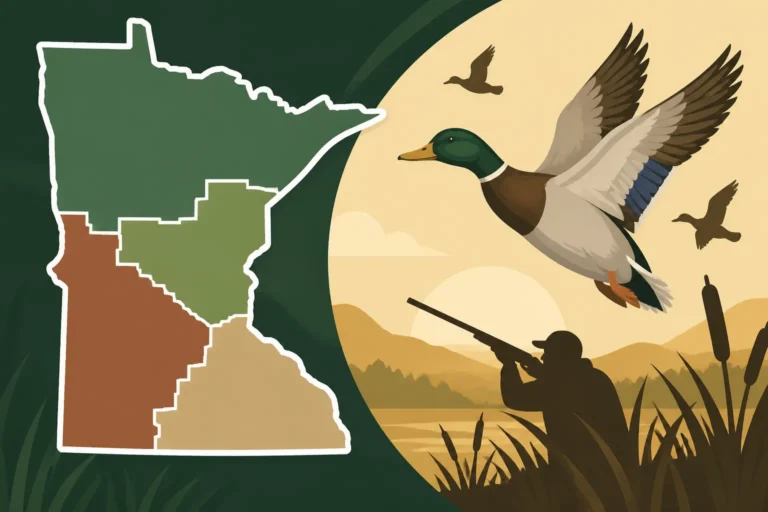
To combat the spread of CWD, the Minnesota DNR designates various zones based on the detection and prevalence of the disease. The primary classifications you'll encounter are CWD Management Zones and CWD Surveillance Zones. A CWD Management Zone is typically established when CWD has been confirmed in wild deer within a specific area, or sometimes when there's a high risk of spread from a nearby confirmed case. These are the areas with the most stringent regulations, designed to aggressively monitor and reduce CWD prevalence. Think of them as the front lines of the battle against CWD.
A CWD Surveillance Zone, on the other hand, is generally a broader area surrounding a Management Zone or a location where CWD has been detected in captive cervids. The goal here is early detection. The DNR wants to find out if the disease is spreading into these adjacent areas before it becomes established. While regulations in Surveillance Zones might not be as strict as in Management Zones, they still often involve enhanced monitoring and specific rules regarding carcass movement. It's a proactive approach to prevent further spread and protect the state's deer herd. Always make sure to check the Minnesota Carcass Movement Restrictions specific to your hunting area.
Identifying Current CWD Management Areas
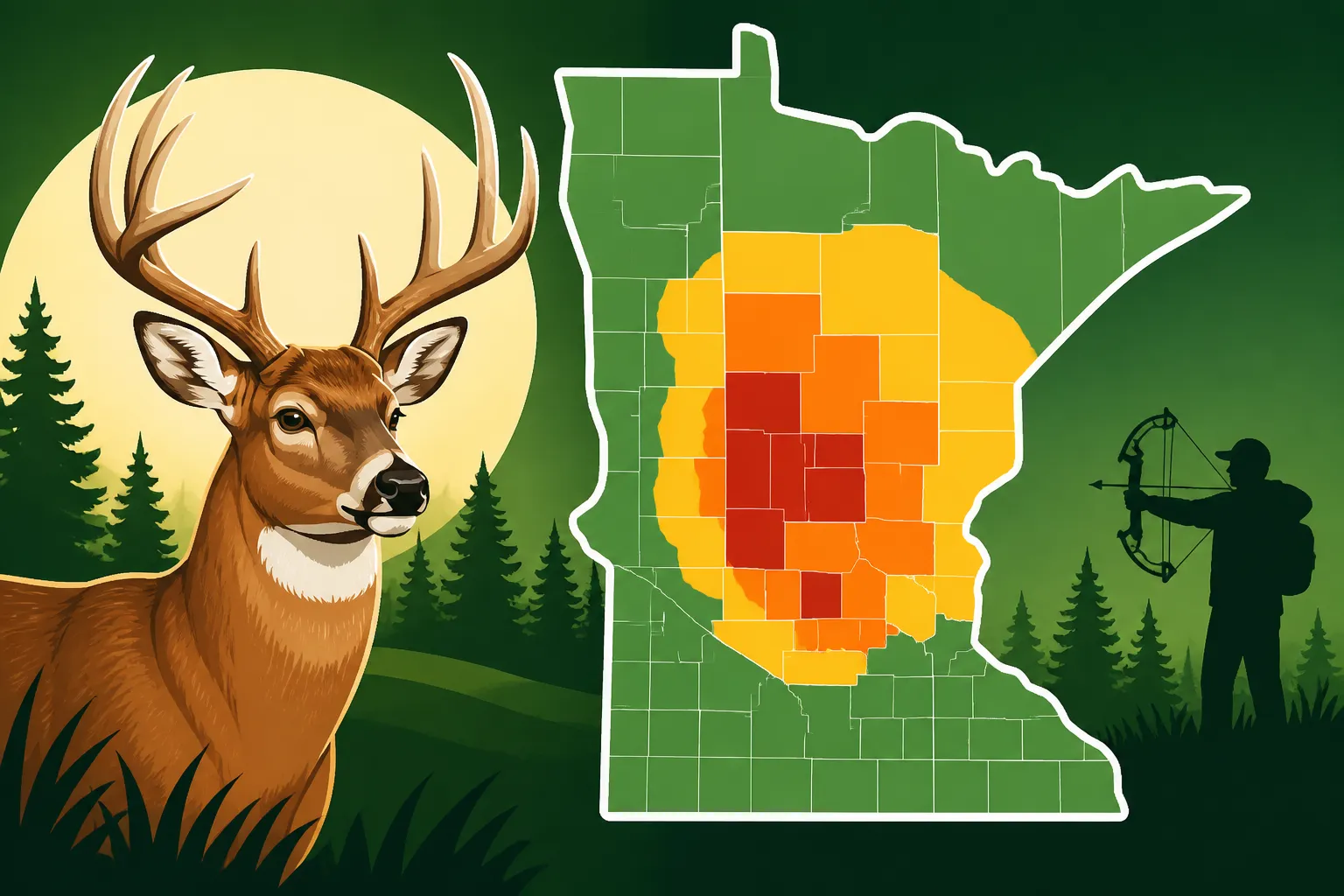
The precise boundaries of CWD management and surveillance zones can shift from year to year based on new detections, surveillance efforts, and the latest scientific understanding. Historically, Minnesota has seen CWD emerge in several distinct areas. The most persistent and intensively managed zone has been in Southeast Minnesota, particularly within the bluff country around counties like Fillmore, Olmsted, and Houston. This area has been a focal point for mandatory testing and strict carcass movement rules for years due to confirmed cases in wild deer.
More recently, cases have also popped up in other parts of the state. For instance, there have been detections in North-Central Minnesota around Beltrami County and even concerning isolated cases closer to the Metro area. It's absolutely critical to consult the most current Minnesota DNR CWD map before heading out for your hunt, as permit area boundaries within these zones dictate specific actions. Websites and mapping tools like those offered by GoHunt are invaluable for staying current with these often-changing boundaries, allowing you to quickly identify if your hunting grounds fall within a CWD zone. The DNR's website offers an interactive map that's updated regularly, so always check that resource first to confirm your specific permit area.
Navigating Hunting Regulations in CWD Zones
Hunting in a CWD zone means adapting to a new set of rules that, while sometimes inconvenient, are essential for disease management. These aren't just suggestions; they're mandatory regulations designed to protect the broader deer population. Knowing them upfront will save you headaches and help you stay compliant.
Mandatory CWD Testing and Sampling Stations
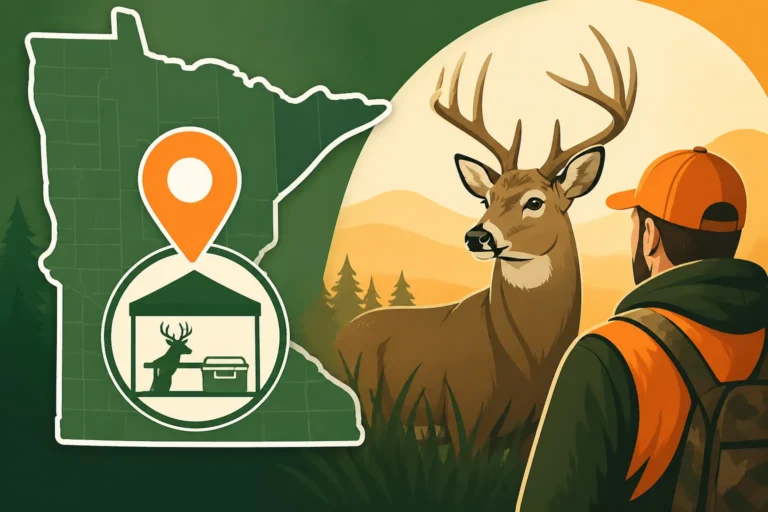
When you successfully harvest a deer in a designated CWD Management Zone, mandatory testing is often required. This isn't just a suggestion; it's a critical component of the DNR's strategy to understand the prevalence and spread of the disease. Typically, during the opening weekends of the firearm season, and sometimes throughout the archery or muzzleloader seasons in certain areas, you’ll be required to submit the head of your harvested deer for testing. This usually means taking your deer to a designated CWD sampling station, which could be a staffed check station, a self-serve drop-off site, or even a local meat processor participating in the program.
The DNR provides clear instructions on where and when these stations are operational. It’s a good idea to research this well in advance of your hunt, especially if you're traveling to a new area. While most testing is mandatory in specific "hot zones" and during certain periods, the DNR also implements a broader Minnesota's Four-Year CWD Testing Rotation across the state for surveillance purposes. This rotation means that even if CWD hasn't been found in your permit area, it might be scheduled for mandatory testing in a future year. Knowing this rotation can help you prepare mentally and logistically. For areas not under mandatory testing, voluntary testing is often encouraged, giving hunters a chance to contribute to the overall surveillance efforts.
Carcass Movement and Disposal Rules
One of the most impactful regulations for hunters in CWD zones concerns carcass movement. Because CWD prions are concentrated in certain tissues – particularly the brain, spinal cord, lymph nodes, and spleen – moving an entire deer carcass out of a CWD zone carries a high risk of spreading the disease to uninfected areas. To mitigate this, specific rules are in place: generally, only certain parts of a deer can be transported out of a CWD Management or Surveillance Zone. These usually include deboned meat, antlers (attached to a clean skull plate with no brain tissue, or shed antlers), hides without the head, and finished taxidermy mounts.
This means that if you shoot a deer in a CWD zone, you'll likely need to process it extensively before leaving the zone. This might involve boning out the meat at your hunting camp, a local processing facility, or even at the sampling station itself if they have facilities. Proper disposal of carcass waste is equally vital. You cannot simply leave high-risk parts anywhere. Designated landfills or collection sites within or near the CWD zone are the only approved disposal methods. These rules can be a real logistical challenge, especially for hunters coming from outside a zone, but they are a non-negotiable part of CWD containment and crucial for protecting the health of deer across Minnesota.
Additional Measures and Hunter Responsibilities
Beyond direct testing and carcass rules, there are other important regulations and ethical considerations for hunters operating in or near CWD zones. These measures are designed to further reduce the risk of CWD spread and rely heavily on the cooperation and understanding of the hunting community.
Feeding and Baiting Bans in CWD Areas
One of the most common and critical additional measures in CWD management and surveillance zones is the ban on feeding and baiting deer. It can be a hard pill to swallow for hunters who've traditionally relied on these methods, but the science behind it is clear: concentrating deer at artificial feed or bait sites dramatically increases the likelihood of CWD transmission. When deer gather in close proximity to consume bait, they exchange saliva, urine, and feces more frequently, creating a perfect environment for prions to spread from one animal to another, and to contaminate the feeding site itself.
The DNR has implemented these Minnesota Feeding and Baiting Bans in CWD Zones to disrupt these high-risk behaviors. These bans often extend beyond just deer, sometimes including other wildlife, to prevent indirect transmission pathways. While it might mean changing your preferred hunting tactics, understanding that this is a direct response to preventing the disease from getting a firmer foothold is crucial. It’s an adjustment, no doubt, but one that prioritizes the long-term health of the deer herd over short-term hunting convenience.
Participating in CWD Surveillance Efforts
As hunters, we are often the first to notice changes in wildlife populations, and our active participation in CWD surveillance is invaluable. Even if you hunt outside of a mandatory testing zone, voluntarily submitting a sample from your harvested deer can provide critical data to the DNR. This data helps wildlife managers track the disease, identify new hot spots, and understand its overall prevalence across the state. Think of it as citizen science for conservation. Many local meat processors are also involved in collecting voluntary samples, making it easier for you to contribute.
Beyond submitting samples, being vigilant for any signs of CWD in live deer is another significant responsibility. If you observe a deer exhibiting symptoms like extreme weight loss, neurological issues, or abnormal behavior, it's vital to report it to the DNR immediately. Your observation could be the first indication of CWD in a new area. Resources like the GoHunt app or other digital mapping tools can also help you quickly identify if you're in a CWD zone and what the specific reporting and sampling protocols are for that area. Furthermore, educating yourself and others about CWD, understanding the CWD Risk to the Minnesota Elk Herd, and following all regulations helps create a stronger, more informed hunting community, which is our best defense against this persistent threat.
Understanding the Long-Term Strategy and Risk
The Minnesota DNR's approach to CWD is a long-term game. There's no quick fix, and the strategies are constantly evolving based on new research, surveillance results, and management effectiveness. The overall goal is multifaceted: to prevent CWD from spreading into new areas, to contain it where it exists, and where possible, to reduce its prevalence in affected populations. This is not about eradication – which, with current understanding, is incredibly difficult if not impossible once established – but about managing the disease to ensure healthy, sustainable deer populations for future generations.
The risk of CWD to Minnesota's cervid populations, and thus to our hunting traditions, is significant and ongoing. It requires sustained effort from wildlife managers, researchers, and critically, from every hunter. The disease impacts more than just deer; it could potentially affect other wildlife if certain transmission pathways are established. Your adherence to regulations, participation in surveillance, and willingness to adapt to new guidelines are all part of this larger, vital effort. It's about protecting not just the deer, but the entire ecosystem and the cultural fabric of hunting in Minnesota.
Practical Advice for Hunters in CWD Zones
Hunting in a CWD zone doesn't have to be a daunting experience, but it does require extra preparation and a mindful approach. With some foresight and adherence to best practices, you can still have a successful and responsible hunt.
Preparing for a Hunt in a Designated Area
Before you even load your gear, the most important step is to thoroughly research the specific permit area where you plan to hunt. Start by checking the latest CWD maps provided by the Minnesota DNR to confirm if your chosen location falls within a CWD Management or Surveillance Zone. You can use the Minnesota Recreation Compass App on your phone to quickly find permit area boundaries and see if CWD restrictions apply. Pay close attention to the dates for mandatory testing and the locations of sampling stations. There's nothing worse than harvesting a deer only to realize you don't know where to take it or what steps are required next.
Beyond understanding the regulations, think about your gear. If you anticipate needing to debone a deer in the field, ensure you have a sharp knife, a bone saw (if you prefer that method over the gutless approach), game bags, and plenty of clean towels. Consider bringing a large cooler with ice, even if the weather is cool, especially if you plan to transport deboned meat home. Having a plan for proper carcass disposal is also key; know where the nearest approved landfill or collection site is. This proactive approach helps minimize stress and ensures you're ready for any scenario the hunt might bring.
Safe Field Dressing and Meat Handling
Field dressing a deer in a CWD zone requires a bit more care. While there's no evidence of CWD being transmitted to humans through venison, the recommendation from public health agencies is to avoid consuming meat from CWD-positive animals. The most crucial step to minimize potential exposure to prions and ensure clean meat is to use proper field dressing techniques. Wear gloves – always – and avoid cutting into the brain, spinal cord, lymph nodes, or spleen, as these are tissues with the highest concentration of prions.
Instead of removing the entire viscera, you might consider the "gutless method," which involves deboning the animal in the field without opening the body cavity. This leaves all internal organs at the kill site, which is often permitted if the carcass waste remains within the CWD zone. If you do open the body cavity, place all internal organs and high-risk parts (brain, spinal cord) into heavy-duty garbage bags for proper disposal at an approved facility. Once the meat is boned out, place it into clean game bags and keep it cool. If your deer is selected for mandatory testing and comes back CWD-positive, the DNR will notify you, and you should follow their recommendations regarding meat disposal. Resources like the GoHunt community forums often have discussions about best practices for field dressing and meat handling in CWD zones, offering practical tips from other experienced hunters.
The Ethical Hunter's Role in CWD Management
Ultimately, the fight against CWD rests heavily on the shoulders of ethical hunters. Our passion for the outdoors and the animals we pursue means we have a vested interest in their health and survival. Being an ethical hunter in the age of CWD means more than just following the law; it means actively participating in conservation efforts. It means understanding the science, adapting our practices, and educating fellow hunters who might be less informed.
This means patiently explaining why baiting bans are in place, why carcass movement is restricted, and why submitting a sample for testing is so important. It's about leading by example and prioritizing the long-term health of Minnesota's deer herd over personal convenience or tradition. The future of hunting in Minnesota, and our ability to enjoy a thriving deer population, depends on every one of us taking CWD seriously and doing our part. We are the stewards of this resource, and our actions today will determine the legacy we leave for tomorrow's hunters.
Disclaimer
The information provided in this guide is for general informational purposes only and does not constitute legal advice. Hunting regulations and CWD management protocols are subject to change. Always consult the official Minnesota Department of Natural Resources (DNR) website or relevant authorities for the most current and accurate information before participating in any hunting activities.