The 100 Series Firearm Deer Zone
The firearm deer opener in Minnesota is a tradition deeply ingrained in our hunting culture, but it can also be a source of confusion, especially when you're trying to figure out which rules apply to your specific hunting ground. Navigating the various deer permit areas and their unique regulations is crucial for a successful and legal hunt. This comprehensive guide aims to demystify the 100 Series Firearm Deer Zone, helping you understand its nuances, prepare effectively, and make the most of your time in the Minnesota deer woods.
Understanding Minnesota's Deer Permit Areas and the 100 Series
Minnesota's deer management system is designed to address the diverse habitats and deer populations across the state, and that means we've got different rules for different areas. It's not just a statewide free-for-all, and for good reason! This intricate system ensures that deer populations are managed sustainably, whether you're chasing whitetails in the vast northern forests or the patchwork of agriculture and woodlots down south. The 100 Series is a significant part of this equation, and understanding its place in the grand scheme is step one for any firearm hunter.
What Defines the 100 Series Zone
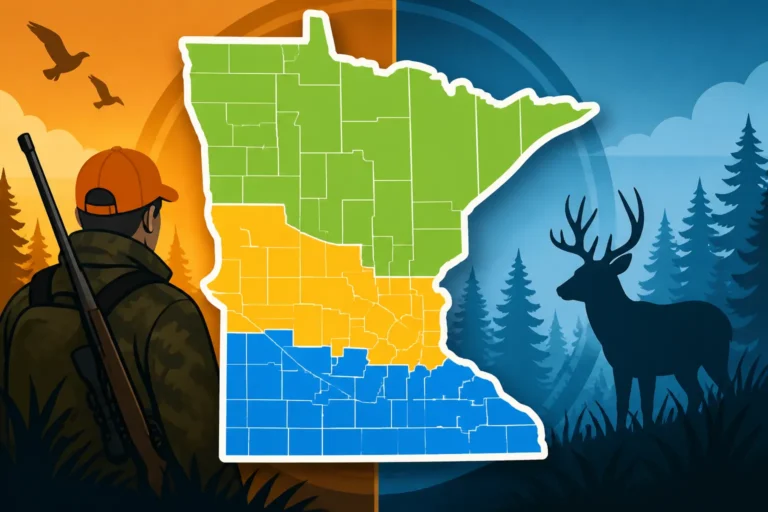
The 100 Series permit areas are often synonymous with the "forest zone" or "northern forest" regions of Minnesota. Think big timber, public lands stretching for miles, and deer populations that, while healthy, might not be as dense as those you'd find in the agricultural belts further south. These areas generally encompass the vast tracts of public land found in counties like Beltrami, Cass, Aitkin, Itasca, and St. Louis, among others. When you hear hunters talk about "up north" deer hunting, they're very often talking about the 100 Series. The regulations here reflect the unique challenges and opportunities of hunting in expansive, often rugged, forested environments where deer tend to be more spread out.
Unlike some other zones, the 100 Series often features a more conservative approach to antlerless harvest, sometimes being designated "hunter choice" or "bucks only" in specific permit areas, especially if deer numbers are lower due to harsh winters or habitat changes. This means hunters typically have a single deer license that allows them to harvest either an antlered buck or an antlerless deer, depending on the specific permit area's designation. It's vital to check the current year's regulations for your specific permit area, as these designations can change annually based on population surveys and management goals. For a deeper dive into how all these zones are structured, check out our guide on Minnesota Deer Seasons and Permit Areas.
Historical Context and Evolution of Zones
The current deer permit area system, including the 100 Series, didn't just appear overnight. It's the result of decades of wildlife management, population studies, and, frankly, lessons learned from past hunting seasons. Back in the day, regulations might have been simpler, but they also didn't always account for the vastly different ecological conditions across Minnesota. As deer populations grew and shifted, and as human settlement patterns changed, the need for more nuanced management became clear. The 100 Series, with its emphasis on balancing harvest with herd health in a less productive habitat, evolved to ensure that hunters could continue to enjoy quality hunting experiences in the forest zone without over-harvesting the local deer.
This evolution has been particularly noticeable with changes in weapon regulations, too. For years, parts of Minnesota were restricted to shotguns and muzzleloaders for deer. Now, thanks to updated legislation, much of the state, including many 100 Series areas, allows rifles. This shift has changed how many of us approach deer hunting in these areas, opening up new possibilities for shot placement and effective range. If you're curious about these recent changes, take a look at our article on Minnesota's New Statewide Rifle Rules.
Why Zone Identification Matters for Hunters
Knowing your zone isn't just about following the rules; it's about understanding the entire hunting landscape you're stepping into. The specific permit area you're hunting in dictates everything from the type of license you need to whether you can take an antlerless deer, the season dates, and even what types of firearms are allowed. Misunderstanding your zone can lead to an illegal harvest, a hefty fine, or worse, losing your hunting privileges. Imagine heading out with the intention of filling an antlerless tag, only to realize you're in a bucks-only zone – it's a frustrating scenario that's entirely avoidable with proper research.
Beyond the regulations, understanding the typical characteristics of a 100 Series area helps you anticipate deer behavior, identify prime habitat, and plan your hunt more effectively. Deer in these areas often behave differently than their farmland cousins. They might travel longer distances, utilize vast tracts of timber, and their food sources can be more scattered. Knowing you're in a 100 Series area cues you into these realities, allowing you to adjust your scouting, stand placement, and hunting strategies accordingly. Using resources like the DNR website, county plat books, and even apps like GoHunt can help you pinpoint your exact permit area and access up-to-date regulations directly on your phone, preventing any last-minute surprises.
Key Characteristics of Hunting in the 100 Series
Hunting in the 100 Series presents a unique set of challenges and rewards. It's a stark contrast to the agricultural zones, often demanding different tactics and a deeper understanding of forest ecosystems. While some hunters find it intimidating due to the sheer vastness and lower deer densities, others revel in the solitude and the challenge of hunting truly wild whitetails.
Deer Population and Habitat in the 100 Series
The 100 Series is largely defined by its forested landscape, which means a different kind of deer habitat. Here, you'll find vast expanses of aspen, birch, conifer swamps, and mature hardwoods. Food sources, while abundant, tend to be more spread out and seasonal compared to the corn and soybean fields of southern Minnesota. Deer in these areas rely heavily on browse, acorns (when available), fungi, and soft mast like wild berries. They're often more nomadic, traveling significant distances between bedding areas, feeding grounds, and water sources.
Deer populations in the 100 Series are generally lower than in agricultural zones, but the deer tend to be older and larger-bodied. This is often due to less hunting pressure in some of the more remote areas and the sheer size of their home ranges. However, harsh winters can take a toll on these northern herds, leading to fluctuating numbers and more conservative harvest regulations in some years. Understanding the current population trends for your specific permit area is key, and the Minnesota DNR provides annual harvest reports and population estimates that can offer valuable insights.
Permit Structure and Bag Limits
The permit structure in the 100 Series is typically what's called "Hunter Choice" or "Bucks Only."
- Hunter Choice: This is common, especially in permit areas with stable or slightly increasing deer numbers. It means your regular firearm deer license allows you to take one deer, either an antlered buck or an antlerless deer. You don't apply for a separate antlerless tag; you simply choose what to harvest when the opportunity arises. This flexibility is great, but it still means you only get one deer for that license.
- Bucks Only: In areas where deer populations are struggling, often due to severe winters or CWD concerns, a permit area might be designated "Bucks Only." This means hunters are only allowed to harvest antlered bucks, and taking an antlerless deer, even if you have a regular license, is illegal. This is a critical distinction to confirm before you head into the woods.
It's rare to see "Managed" or "Intensive" permit area designations in the core 100 Series zones, which allow for multiple antlerless deer. Those are typically reserved for areas where deer numbers are high or causing specific issues. Always double-check the current year's Minnesota Hunting and Trapping Regulations Handbook for the precise designation of your chosen permit area.
Here's a simplified table comparing permit types, which can be useful when you're planning your hunt across different regions:
| Permit Area Type | Common Zones | Antlerless Permit Options | Typical Bag Limit (Firearm) | Key Characteristic |
|---|---|---|---|---|
| Hunter Choice | 100 Series | No separate application | One deer (buck or antlerless) | Most common in forest zones; allows hunter flexibility within a single tag. |
| Lottery | 200/300A | Apply by early September | One deer (buck, plus lottery antlerless) | Requires application for antlerless permit; used to manage specific numbers. |
| Managed | 200/300A | Often over-the-counter | One deer (buck, plus multiple antlerless) | Focuses on reducing deer numbers; antlerless tags often readily available. |
| Intensive | 300B, CWD | Often over-the-counter | One deer (buck, plus many antlerless) | Aggressively reduces deer numbers; high antlerless quotas. |
| Bucks Only | 100 Series | None | One antlered buck | Used in areas with low deer numbers needing population recovery. |
Navigating Public vs. Private Land Access
A significant draw of the 100 Series is the sheer amount of public hunting land available. State Forests, Wildlife Management Areas (WMAs), and federal lands like the Superior and Chippewa National Forests provide millions of acres for hunters. This means you often don't need to knock on doors or pay for access, which is a huge benefit for many of us. However, public land hunting comes with its own considerations. You'll often find more hunting pressure, especially near easily accessible roads. To truly find solitude and untouched deer habitat, you might need to walk further, use a canoe, or even explore remote areas.
While public land is abundant, there's also plenty of private land scattered throughout the 100 Series. Gaining permission to hunt these private parcels can be a game-changer, as they often receive less pressure and can hold pockets of deer. Always respect private property boundaries and seek explicit permission before hunting. Resources like the GoHunt app or plat books can be invaluable for identifying land ownership and helping you distinguish between public and private parcels, ensuring you stay on the right side of the law. For those new to public land, learning how to effectively navigate these vast tracts is key, and our guide on Public Hunting Land in Minnesota offers a wealth of information.
Firearm Regulations and Season Dates in the 100 Series
Understanding the specific firearm regulations and season dates for the 100 Series is paramount. Minnesota has recently undergone significant changes, making it even more important to be up-to-date. What might have been legal last year or in another part of the state might not apply where you plan to hunt this season.
Legal Firearms and Ammunition
The most impactful recent change for Minnesota deer hunting is the statewide legalization of rifles for deer hunting in most areas. This includes the vast majority of the 100 Series zones. This means you can now legally use traditional centerfire rifles, like a .30-06, .270, or .308, which many hunters prefer for their accuracy and range. This is a game-changer for hunting in the expansive timber of the 100 Series, where shot distances can sometimes stretch a bit further than what was comfortable with slug guns.
However, a few exceptions remain. There are still some counties, primarily in the southern and central parts of the state, that maintain shotgun-only regulations. While these are generally not in the 100 Series, it’s always wise to double-check if your chosen permit area borders one of these transition zones. Additionally, specific calibers or cartridge types, like certain straight-wall rifle cartridges, might have slightly different considerations, especially if you happen to be hunting in one of those remaining shotgun-only counties. For a deep dive into choosing the right rifle for the Minnesota woods, our article on Best Rifle Calibers for Minnesota Whitetails is a fantastic resource. Beyond rifles, shotguns with slugs, muzzleloaders, and bows (during their respective seasons) are also legal. Always ensure your firearm and ammunition comply with Minnesota DNR regulations regarding minimum bullet weight, projectile type, and magazine capacity.
Specific Season Dates and Opportunities
The 100 Series typically falls under the "100 Series Firearm" season, which traditionally opens the Saturday nearest November 6th and runs for about nine days. This is the classic Minnesota deer opener, a time steeped in tradition for countless families and friends heading to deer camp. However, it's critical to note that specific dates can vary slightly year to year based on the calendar, so always consult the current Minnesota DNR hunting regulations. There are usually three main firearm seasons:
- 100 Series (North Woods): The primary season in the 100 Series. Generally starts earlier in November and runs for 9 days.
- 200/300A (Central/Southeast): Often a slightly shorter season, overlapping with the 100 series opener but sometimes ending sooner.
- 300B (Late Southeastern): A later, often extended season, specifically designed for higher-density areas.
It's also important to remember that if you have a deer license for the 100 Series, it is specific to that zone. You can't simply take your 100 Series tag and hunt in a 200 Series area. Each license is tied to the permit area it was purchased for, or where you applied if it was a lottery area. This zonal specificity is crucial for proper harvest management. Beyond the firearm season, archery and muzzleloader seasons also offer opportunities in the 100 Series, often extending further into November and even December, providing diverse hunting experiences.
Blaze Orange Requirements and Safety
Safety is paramount in the deer woods, especially during the firearm season when so many hunters are out. In Minnesota, anyone hunting deer (or bear, or small game during deer season) with a firearm must wear blaze orange or blaze pink. This isn't a suggestion; it's a legal requirement. You need to have an outer layer of visible blaze orange or blaze pink on your head, and also on all exposed clothing above the waist, totaling at least 50% of your head covering and outermost layer. This is for your safety and the safety of everyone else in the woods.
While the requirement is straightforward, ensure your gear meets the criteria. A small orange hat isn't enough if your jacket is camouflage. Think about visibility from all angles. This regulation applies not only to active hunters but also to anyone accompanying a hunter, even if they aren't carrying a firearm themselves. Beyond blaze orange, basic firearm safety rules, like treating every firearm as loaded and being sure of your target and what's beyond it, are non-negotiable. If you or someone you know needs a refresher on hunting safety, our guide on Minnesota Hunter Safety Requirements is a great place to start. And don't forget to layer up properly for those chilly November hunts; our guide on Clothing for a Minnesota November has some excellent tips.
Strategic Approaches for the 100 Series Firearm Opener
The 100 Series firearm opener is an exciting time, but success doesn't just happen. It takes careful planning, dedicated scouting, and a willingness to adapt. Hunting the big woods is different from hunting a 40-acre woodlot in farm country, and your strategy needs to reflect that.
Scouting and Pre-Season Preparation
Effective scouting is the bedrock of success in the 100 Series. Because deer densities are generally lower and terrain is often more rugged, you can't just stumble into a hot spot. Pre-season scouting, well before opening day, allows you to locate traditional bedding areas, identify recent rubs and scrapes, and discover travel corridors or funnels between different habitat types. Look for natural pinch points: ridges, creek bottoms, beaver dams, or logging roads that concentrate deer movement. Using aerial maps, like those available on GoHunt or the DNR Recreation Compass app, can help you identify these features from home, saving you countless hours of walking.
Beyond looking for sign, pay attention to food sources. While agriculture isn't the primary draw, deer still seek out acorns, regenerating aspen cuts, or even late-season berries. Understanding what the deer are currently feeding on will dictate where they spend their time. Spend time on the ground, even during the summer months, learning the lay of the land, identifying trails, and scouting potential stand locations. The more you know about your chosen hunting area before the season starts, the better your chances. Don't underestimate the value of off-season time in the woods; our article on Scouting Minnesota Public Land Before Season provides detailed steps for maximizing this critical phase.
Opening Weekend Tactics for Success
Opening weekend in the 100 Series can be a mixed bag. On one hand, deer are often less pressured than later in the season. On the other, hunter numbers can be at their peak, especially in easily accessible areas. One of the most common and effective tactics in the big woods is still-hunting, slowly moving through the timber, pausing often to scan for deer. This allows you to cover ground while remaining stealthy. Another popular strategy, especially with a group, is organized deer drives, where drivers push deer towards standers. Just make sure everyone involved is aware of safety protocols and understands the plan.
For stand hunting, focus on those natural funnels or intersections of trails identified during your scouting. Position your stand to take advantage of prevailing winds, and consider terrain features that might limit a deer's escape route. Deer in the 100 Series, especially mature bucks, often utilize thick cover and often won't move much during daylight hours unless pushed. Patience is a virtue, and being willing to sit longer, even when it's cold, can pay off.
Adapting to Weather and Hunting Pressure
The weather in November in Minnesota can be wild and unpredictable. One day you might be hunting in mild, jacket-weather, and the next you're slogging through a foot of fresh snow. Adapting your tactics to these conditions is crucial. Cold, clear mornings often mean deer will be on the move, especially if there's fresh snow, making tracking easier. Rainy or windy days can make it harder to hear deer approaching but can also mask your own movements. Dress in layers to manage your body temperature, and always have rain gear on hand, even if the forecast looks clear.
Hunting pressure is another significant factor, particularly on public land. The 100 Series can feel immense, but deer can still become wise to hunter activity quickly. If you're finding too many trucks in the parking lot or too many orange vests walking through your spot, consider heading deeper into the woods, finding areas that are harder to access, or exploring terrain that other hunters tend to overlook. Sometimes, just walking an extra half-mile from the nearest road can put you in untouched territory. The ability to adapt your plan on the fly, based on what you're seeing and experiencing, is a hallmark of a successful 100 Series hunter. You might find our article on Hunting Pressure on Minnesota Public Land helpful for navigating crowded areas.
Common Challenges and How to Overcome Them
Hunting the 100 Series isn't without its difficulties. The vastness of the landscape, the often-thick cover, and the sometimes-sparse deer populations can test a hunter's resolve. But with preparation and the right mindset, these challenges are certainly surmountable.
Dealing with Hunter Crowds
As mentioned, opening weekend can bring out a significant number of hunters. If you're hunting public land, expect company. The key to mitigating crowded areas is to either go where others won't or to hunt smarter than the crowds.
- Go Deeper: Many hunters won't venture far from established roads or trails. If you're willing to put in the effort to hike a mile or two (or more!) off the beaten path, you'll often find less pressured deer and more solitude.
- Seek Different Terrain: Look for areas that are difficult to access due to swamps, steep hills, or dense impenetrable thickets. These "no-go" zones for casual hunters can be sanctuaries for deer.
- Hunt Mid-Week or Late Season: While opening weekend is traditional, the woods often thin out considerably during the weekdays and into the later parts of the firearm season. These times can offer fantastic hunting opportunities with less competition.
- Use Mapping Tools: Tools like the GoHunt app allow you to clearly see public land boundaries, access points, and often even trails. This can help you identify overlooked pockets or plan entry routes that avoid popular spots.
By being proactive and thinking outside the box, you can still find quality hunting experiences, even when the orange army is out in full force.
Tracking and Recovery in Varied Terrain
One of the biggest challenges in the 100 Series is tracking and recovering a deer, especially if your shot isn't perfect or if the deer travels a significant distance. The dense cover, varied terrain (from open hardwoods to thick cedar swamps), and potential for snow can make blood trailing incredibly difficult.
- Mark the Shot Location: Immediately after the shot, mark the precise spot where the deer was standing, and where you last saw it. Use flagging tape (that you remove later!), a bright piece of clothing, or even your hat. This cannot be overstated.
- Wait: Unless the deer dropped within sight, give it time. An hour for a gut shot, 30 minutes for a suspected leg or shoulder shot. It’s hard, but it increases your chances of finding a deer that has bedded down.
- Grid Search: If the blood trail is sparse, organize a grid search with hunting partners. Move slowly, carefully, looking for even the smallest drop of blood, disturbed leaves, or broken branches.
- Use a Dog: In Minnesota, you are allowed to use leashed dogs to track and recover wounded big game. If you've exhausted all other options, reaching out to a qualified tracking dog handler might be your best bet for a successful recovery.
- Prepare for Field Dressing: Once you find your deer, proper field dressing is crucial, especially in cold weather. Our article on Field Dressing a Deer in Cold Weather provides excellent advice on how to handle your harvest efficiently and safely in northern Minnesota conditions.
The more prepared you are for tracking, the better your chances of a successful and ethical recovery. It's not always easy, but it's part of the commitment we make as hunters.
CWD Considerations and Carcass Movement
Chronic Wasting Disease (CWD) is a serious concern for Minnesota's deer herd, and it directly impacts hunters, especially regarding carcass movement. While CWD prevalence is currently higher in the southeastern and north-central parts of the state, all hunters need to be aware of the regulations. The DNR has established CWD management and surveillance zones, and specific rules apply to how you can transport deer carcasses out of these zones.
- Know Your Zone's Status: Before you hunt, check the DNR website or current regulations to see if your 100 Series permit area is within a CWD management or surveillance zone.
- Carcass Movement Restrictions: If you harvest a deer in a CWD zone, you generally cannot transport the whole carcass out of that zone. You'll need to remove all brain and spinal cord material (the parts that harbor CWD prions) before leaving. This usually means boning out the meat, removing the head (if you want to mount it, you'll need to follow specific taxidermy rules), and disposing of the carcass waste locally.
- Mandatory Testing: In some CWD zones, mandatory testing of harvested deer may be required. Be prepared to submit samples if your permit area falls under these rules.
These rules are in place to help prevent the spread of CWD to new areas and protect the health of our deer herd. It's an inconvenience, yes, but a necessary one for the future of hunting in Minnesota. Staying informed about CWD Management Zones in Minnesota is crucial for every responsible hunter. And once your deer is processed, don't forget the important step of registering your harvest; our guide on Registering a Minnesota Deer Online makes that process simple.
Disclaimer
Please note: Hunting regulations and season dates are subject to change. Always consult the official Minnesota Department of Natural Resources (DNR) website or the current year's Minnesota Hunting and Trapping Regulations Handbook for the most up-to-date and accurate information before planning any hunting trip. This guide is for informational purposes only and does not supersede official regulations.