Packs for a Day on Public Land
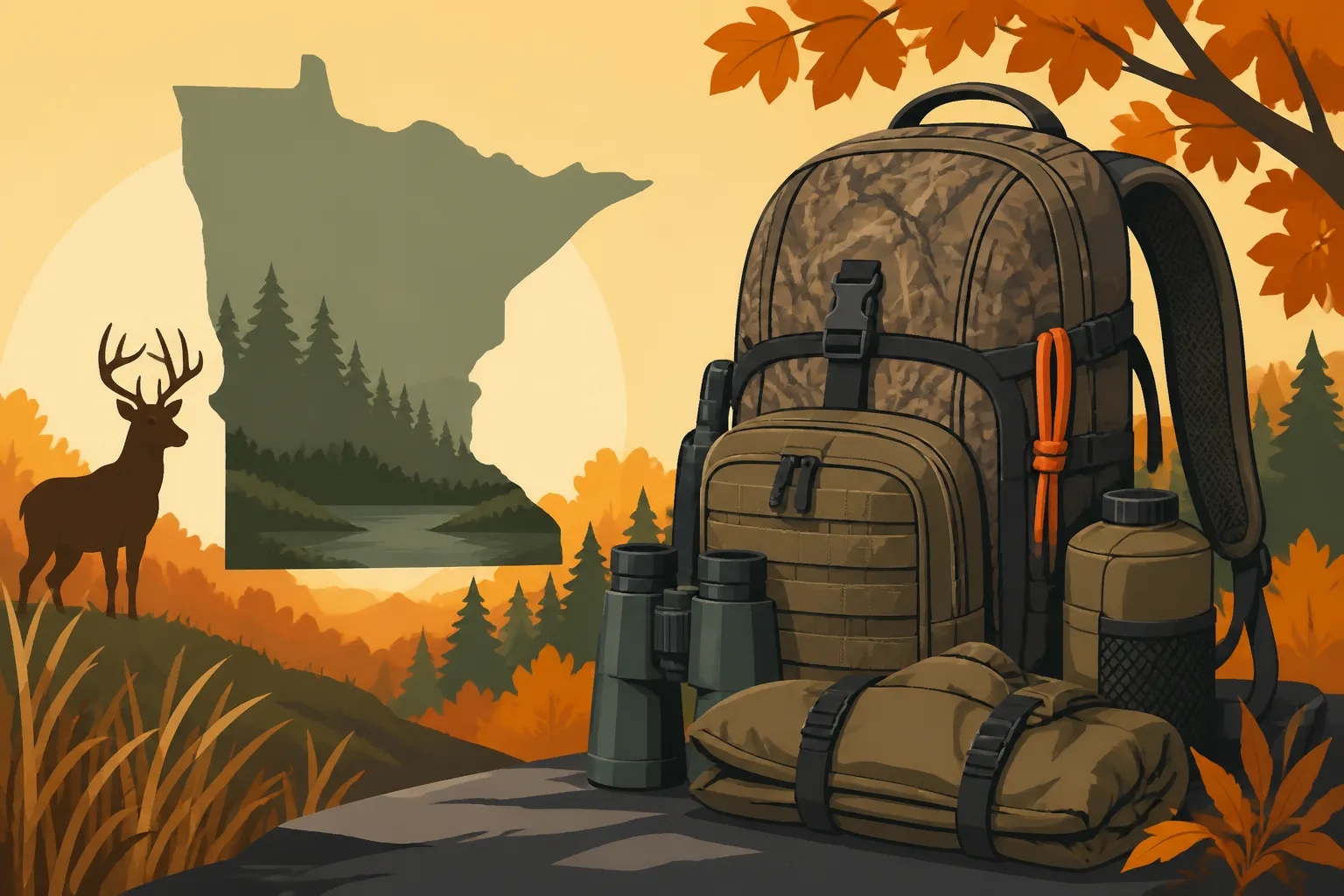
Heading out for a day of hunting on Minnesota's vast public lands can be an incredible experience, but it also brings a unique set of challenges. Unlike private land hunts where you might have easy access to a cabin or vehicle, public land often means walking miles from the truck, navigating dense cover, and being entirely self-sufficient from dawn until dusk. The biggest pain point many hunters face is figuring out what to carry and how to carry it comfortably without feeling like you're hauling a small house on your back. This guide is all about helping you choose and pack the perfect day pack, ensuring you have everything you need for a successful and safe hunt, whether you're chasing deer in the big woods or turkeys in the bluff country.
Why Your Pack Matters on Public Land Hunts
When you venture onto public land in Minnesota, you're stepping into an environment where convenience is often non-existent. There are no warm trucks just around the corner, no easy access to forgotten gear, and certainly no amenities. Your day pack isn't just a container; it's your lifeline, your mobile base camp, and your personal assistant rolled into one. Neglecting its importance can lead to discomfort, inefficiency, and even compromise your safety.
The Burden of the Backcountry
Think about it: when you're several miles deep into a sprawling WMA, or even just a long mile into a state forest, every single item you need for the day has to be on your person. This isn't just a handful of shells and a thermos anymore. You need water, snacks, navigation tools, calls, a knife, emergency supplies, and enough layers to combat Minnesota's notoriously fickle weather. The sheer volume of essentials required for a full day can quickly add up, and if your pack isn't designed to carry that weight efficiently, it can turn an enjoyable hunt into a miserable slog. Hunters often find themselves constantly adjusting ill-fitting straps, feeling hot spots, or having gear bang against their back with every step. This kind of discomfort is distracting and can drain your energy long before the prime hunting hours even begin.
Balancing Essentials with Comfort
The trick, then, is finding that sweet spot between carrying everything you absolutely need and maintaining a level of comfort that allows you to focus on the hunt. A good day pack acts as an extension of your body, distributing weight evenly and keeping gear easily accessible without being cumbersome. Many hunters start with a basic backpack they already own, only to realize by lunchtime that it’s chafing their shoulders, digging into their hips, or causing their back to sweat excessively. This is where a purpose-built hunting pack truly shines. It's designed with features like proper ventilation, padded hip belts, and compression straps that make a significant difference over hours of walking, sitting, and glassing. You don't want to be constantly reminded of your pack; you want it to fade into the background, allowing you to move silently and remain focused on the task at hand.
Key Features to Look for in a Day Pack
Choosing the right day pack means considering several crucial features that will enhance your experience, especially when navigating Minnesota's diverse hunting landscapes. From the dense woods of the north to the open fields of the south, your pack needs to perform.
Capacity and Compartmentalization
For a typical day hunt on public land, you're usually looking for a pack with a capacity somewhere in the range of 1,500 to 2,500 cubic inches (about 25 to 40 liters). This volume allows you to carry enough gear without being overly bulky. Too small, and you'll be stuffing things to the brim, making access difficult. Too large, and you'll be tempted to overpack, adding unnecessary weight.
Beyond just the overall volume, compartmentalization is incredibly important. Imagine fumbling through a cavernous main compartment for a rangefinder when a buck steps out, or digging for a headlamp as darkness falls. Multiple pockets, both internal and external, help you organize your gear logically. Think about dedicated pockets for water bottles or a hydration bladder, smaller zippered pockets for your wallet, keys, and license, and accessible external pockets for calls, wind checker, or a small first-aid kit. Some packs even offer specific pockets for spotting scopes or a padded compartment for optics, keeping them protected and easily retrievable. This kind of thoughtful design can save you precious seconds and a lot of frustration when you need something quickly.
Durability and Weather Resistance
Minnesota weather is notoriously unpredictable. A crisp, sunny morning can quickly turn into a cold, wet afternoon with a sudden downpour or a flurry of snow. Your pack needs to withstand these conditions. Look for packs made from rugged, abrasion-resistant materials like Cordura nylon or heavy-duty polyester. Pay close attention to the stitching – reinforced seams are a sign of quality and longevity.
Zippers are another common failure point. Opt for packs with robust, self-healing zippers, preferably with storm flaps or water-resistant coatings. While few packs are truly 100% waterproof without specialized liners, many come with a built-in rain cover that can be quickly deployed when the skies open up. This is a game-changer when you're caught in a drizzle miles from your vehicle and need to protect your electronics, extra layers, and food. A good pack should feel substantial and well-constructed, capable of enduring years of thorns, briars, and being tossed around camp or dragged through the brush.
Comfort and Fit (Straps, Belts, Frame)
This is perhaps the most critical aspect for a day pack, especially when covering significant ground. A well-fitting pack won't just feel better; it'll help you conserve energy and avoid injury.
- Shoulder Straps: These should be well-padded and adjustable, allowing you to dial in the fit for your torso length. They shouldn't dig into your shoulders, even when the pack is fully loaded. A sternum strap is also essential for stability, keeping the shoulder straps from slipping and helping to distribute the load across your chest.
- Hip Belt: This is where the magic happens for weight transfer. A padded, adjustable hip belt should sit comfortably on your hips, allowing you to carry most of the pack's weight on your stronger leg muscles rather than solely on your shoulders. This significantly reduces fatigue, especially on longer treks or when packing out a deer. Many quality packs, like those from GoHunt, emphasize ergonomic hip belt design for superior comfort.
- Frame: For most day packs, you'll encounter either frameless designs or internal frames. Frameless packs are lighter and more flexible but can be less comfortable with heavier loads. Internal frame packs use aluminum stays or a rigid sheet to help transfer weight to the hip belt and maintain the pack's shape, even when not entirely full. For day hunts where you might be carrying a bit more gear or potentially quartering an animal out, an internal frame is often the more comfortable choice. Always try on a pack loaded with some weight to truly assess its comfort and fit.
Attachment Points and External Carry Options
Sometimes, you need to carry something outside the main compartment. This is where external attachment points come into play. Compression straps are invaluable for cinching down your load, preventing items from shifting and making the pack feel more stable. They can also be used to strap on a jacket, extra layers, or even a small game bag.
Many packs feature MOLLE webbing, daisy chains, or other loops for attaching additional pouches, optics cases, or specialized gear. If you hunt from a treestand, look for features that allow you to comfortably carry Treestand Setups in Minnesota Hardwoods or climbing sticks. Some packs have a dedicated rifle or bow boot, or compression straps designed to secure your weapon during long walks to and from your stand. These seemingly small details can make a huge difference in your efficiency and comfort when you're trying to keep your hands free.
Essential Gear to Pack for a Minnesota Day Hunt
Now that you've got your ideal pack, what actually goes inside? This is where strategic packing comes in, ensuring you're prepared for anything Minnesota's wildlands throw your way.
Navigation and Safety
Getting turned around, especially in dense northern Minnesota timber or a vast cattail marsh, is a real concern. Always carry reliable navigation tools.
- GPS Unit or Phone App: While your phone with a mapping app like GoHunt or onX Layers for Minnesota Land Status is incredibly useful, remember battery life. A dedicated GPS unit or a portable power bank for your phone is highly recommended. I always download offline maps before heading out. The Scouting With the Minnesota Recreation Compass App is also a fantastic resource.
- Compass and Map: Don't underestimate the basics. A physical compass and a waterproof topo map of your hunting area don't need batteries and can be a lifesaver if technology fails.
- First-Aid Kit: This is non-negotiable. A basic kit should include bandages, antiseptic wipes, pain relievers, mole skin for blisters, and any personal medications. For more remote hunts, consider a more comprehensive kit, as detailed in First Aid Kits for Remote Northwoods Ground.
- Headlamp: Essential for navigating in the pre-dawn darkness or tracking a deer after shooting hours. Even if you plan to be out before dark, things happen. Headlamps for Walking Out After Dark are a must.
- Fire Starter: Waterproof matches, a lighter, or a ferro rod. A small fire can be critical for warmth or signaling in an emergency.
- Whistle: Three short blasts is a universal distress signal.
Sustenance and Hydration
Hunting is physically demanding, and staying hydrated and fueled is crucial for maintaining focus and energy.
- Water: Carry more than you think you'll need. A hydration bladder in your pack is convenient, allowing you to sip water easily without stopping. Otherwise, two sturdy water bottles are a good bet.
- Snacks: High-energy, non-perishable snacks like granola bars, trail mix, jerky, and fruit snacks are perfect. Avoid anything that will melt or get squished easily.
- Thermos: In colder weather, a thermos of hot coffee, tea, or even soup can provide a much-needed morale boost and internal warmth during a long sit.
Hunting-Specific Items
These are the tools of your trade, tailored to your particular hunt.
- Calls: Depending on what you're chasing, this could be a grunt tube and rattling antlers for deer (Rattling Volume in Thick Popple Cover, Grunt Calls in Mature Minnesota Timber), or a variety of slate, box, and mouth calls for turkeys (Box Calls Versus Mouth Calls).
- Optics: Binoculars (Binocular Power for Big Woods Hunting) are crucial for scanning distant cover, and a rangefinder (Rangefinders Under 100 Yards) helps confirm shot distances.
- Field Dressing Kit: A sharp hunting knife and possibly a small bone saw are essential. Field Dressing Knives Worth Carrying are a good investment.
- Game Bags: Especially for early season hunts, light mesh game bags can protect your meat from flies and dirt if you have a long pack-out. Game Bags for Warm September Days can make all the difference.
- License and Tags: Always carry your physical license and any required tags. Many states allow digital proof, but it's wise to have a backup. Make sure you understand the rules for Carrying Proof of License on Your Phone.
- Blaze Orange/Pink: Depending on the season and weapon, Minnesota has specific blaze orange requirements. Ensure you have enough to meet legal standards, such as a blaze orange hat and vest or jacket. How Much Blaze Orange Minnesota Requires is crucial to know.
- Extra Layers: Weather can change quickly. Even on a mild day, an extra fleece or insulated jacket can prevent discomfort if temperatures drop. Layering is key for Minnesota hunts, as discussed in Layering for a Minnesota Deer Stand. Consider wool or quality synthetics that insulate even when wet (Wool Versus Synthetics in Wet Snow).
- Hand Warmers: These small packets can be absolute lifesavers during frigid late-season sits (Hand Warmers That Last a Full Sit), especially for keeping your fingers nimble enough to operate your weapon.
Considerations for Different Seasons/Species
The "essentials" can shift slightly depending on your target and the time of year.
- Early Archery (September/October): Prioritize hydration, insect repellent, and game bags for proper meat care in warmer temperatures.
- Firearm Season (November): Focus on warmth. Add more insulated layers, a thermos, and extra hand warmers. Blaze orange becomes mandatory.
- Late Season (December Muzzleloader): This is often the coldest. Extreme cold-weather gear is a must. Think heavy mittens, balaclavas, and insulated boots. Muzzleloader Tactics in December Cold often involve long, cold sits.
- Upland Bird Hunting: A bird vest might replace a traditional pack, but you’ll still need water for yourself and your dog, extra shells, and a game strap.
Choosing the Right Pack for Your Hunting Style
Just as there are different ways to hunt, there are different types of day packs designed to complement those methods. Your pack should align with how you plan to spend your day afield.
Lightweight and Minimalist Packs
If your hunting style is all about covering ground, being agile, and carrying only the absolute necessities, a minimalist pack might be your best friend. These are typically smaller, lighter, and often frameless or with a very light internal frame. They are perfect for run-and-gun turkey hunting, still-hunting through thick timber, or scouting trips where speed and low profile are paramount. When you're Still-Hunting Minnesota Big Woods, every ounce counts, and you want to be able to move silently and quickly without snagging on every branch.
The downside is limited capacity; you'll have to be very disciplined about what you bring. They are often best for fair-weather hunts or situations where you know you'll be back at the truck within a few hours. Think a small GoHunt hydration pack with just enough room for water, a few snacks, a knife, and your tags.
Mid-Size Day Packs
This category represents the workhorse for most Minnesota hunters. A mid-size day pack, typically in the 1,500 to 2,500 cubic inch range, offers the best balance of capacity, comfort, and versatility. These packs usually feature a light internal frame and a padded hip belt, making them comfortable for all-day wear with a reasonable load. They have enough room for all your essential gear, extra layers, plenty of water, and even some space for a recovered small game animal or the quartered meat from a deer.
These packs are ideal for a variety of hunting scenarios: sitting in a treestand, still-hunting, making short deer drives, or even setting up a ground blind. Many reputable outdoor brands offer excellent options in this category. GoHunt, for example, produces several robust and versatile day packs that are perfect for navigating Minnesota's varied terrain and weather, offering excellent organization and comfort for extended periods in the field. They are designed to stand up to the rigors of hunting while keeping your gear accessible and secure.
Frame Packs (When a Day Pack Isn't Enough)
While technically not a "day pack" in the traditional sense, a robust frame pack or a pack with an integrated load shelf deserves mention, especially for serious big game hunters who plan on harvesting an animal. These packs are designed for carrying heavy, awkward loads – specifically, quarters of a deer, bear, or even an elk if you're lucky enough to draw a rare Minnesota elk tag.
A true frame pack uses an external frame that allows you to separate the main bag from the frame itself, creating a large, strong shelf for securing meat. While you wouldn't typically hike miles with one of these empty for a casual day hunt, many hunters will carry their day-hunting essentials inside a larger frame pack, knowing that if they're successful, they have the means to efficiently pack out their harvest. For long treks deep into the backcountry, especially after taking an animal, a good frame pack can save multiple trips and prevent injury. If you anticipate having to bone out a deer and pack it a significant distance, researching Frame Packs for Boning Out a Deer is a wise idea.
Here's a quick comparison of pack types to help you decide:
| Pack Type | Capacity (cu in / liters) | Best Use Case | Pros | Cons |
|---|---|---|---|---|
| Minimalist Pack | 500-1000 / 8-16 | Short scouting trips, fast-paced still-hunting | Lightweight, agile, low profile | Very limited capacity, less comfortable with heavier items |
| Standard Day Pack | 1500-2500 / 25-40 | All-day deer hunting, turkey hunting, general use | Good balance of capacity & comfort, versatile, good organization | Can feel bulky if overpacked, not ideal for heavy meat hauling |
| Frame Pack | 3000-5000+ / 50-80+ | Packing out big game, multi-day hunts | Excellent for heavy loads, superior weight distribution | Bulky, heavier when empty, not ideal for light, quick movements |
Ultimately, your day pack is an extension of your preparedness. Invest in a quality pack that fits your body and your hunting style, and then meticulously pack it with the essentials. A comfortable, well-organized pack allows you to focus on the hunt itself, not the discomfort on your back, increasing your chances of success and making your time in Minnesota's incredible wildlands more enjoyable and safer.
Disclaimer
This article is for general informational purposes only and does not constitute professional advice. Laws, prices and regulations vary by location and change over time. Consult a qualified professional for guidance on your specific situation.