Blaze Orange Jackets Versus Vests
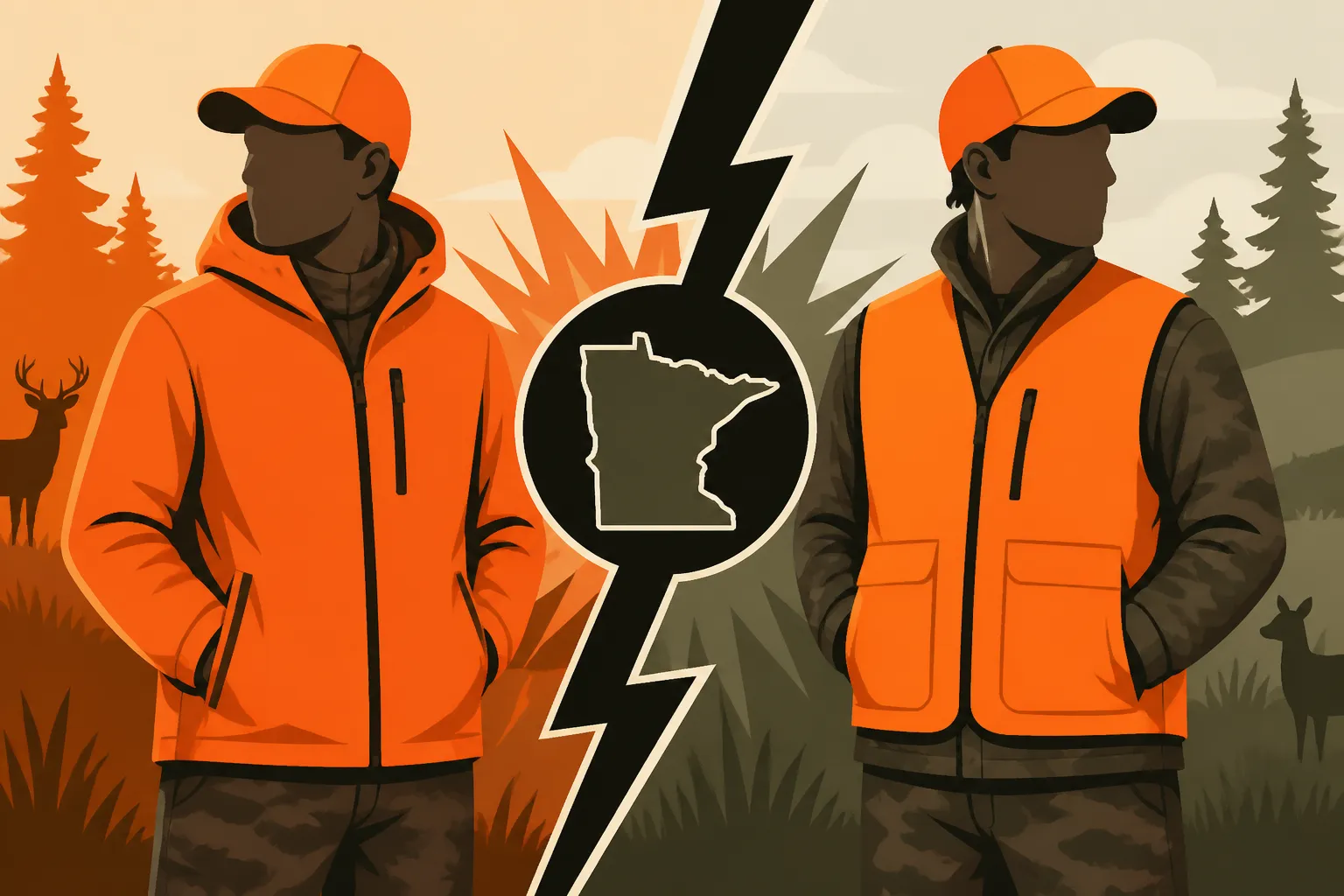
There's a question that pops up in hunting camp every year, often as hunters are shrugging into their gear before first light: "Should I wear a blaze orange jacket or just a vest?" It's not just a matter of personal style or what's clean; it's a practical decision that impacts your comfort, mobility, and, most importantly, your safety in the Minnesota woods. With our diverse seasons and sometimes unpredictable weather, figuring out the best way to meet legal requirements while staying warm and effective can feel like a puzzle. This guide aims to unravel that dilemma, breaking down the real-world advantages and disadvantages of both blaze orange jackets and vests so you can make the best choice for your next hunt.
Understanding Minnesota's Blaze Orange Requirements
Before we dive into the specific gear, it’s absolutely critical to have a firm grasp on Minnesota's blaze orange regulations. These aren't just suggestions; they are laws designed to keep every hunter safe in the field. Ignoring them can lead to fines, but more importantly, it puts you and others at risk.
The Legal Mandate
In Minnesota, during specific firearm hunting seasons, wearing blaze orange is a non-negotiable requirement. The law typically states that hunters must wear outer clothing above the waist that is at least 50 percent blaze orange or blaze pink, visible from all sides. This usually means a cap and an outer garment like a jacket or a vest. The goal is to make you as visible as possible to other hunters, reducing the chance of accidental shootings. It's not about hiding from deer—they don't see color the way we do, so they often perceive orange as a dull gray or brown. It's purely for human safety. Always double-check the current regulations each year, as specifics can be updated, but the spirit of the law remains constant: be seen, be safe. This requirement particularly applies to firearm deer seasons, but often extends to other firearm hunting of species like bear, elk, and even small game when deer season is open concurrently.
| Hunting Season Type | Blaze Orange Required? | Typical Garment (Examples) | Primary Purpose |
|---|---|---|---|
| Firearm Deer Season | Yes | Jacket, Vest, Cap, Hat | Hunter Safety |
| Muzzleloader Deer Season | Yes | Jacket, Vest, Cap, Hat | Hunter Safety |
| Youth Early Antlerless Season | Yes | Jacket, Vest, Cap, Hat | Hunter Safety |
| Spring Turkey (Firearm) | No | Camo/Natural Colors | Concealment for Game |
| Fall Turkey (Firearm) | Often (check regs) | Jacket, Vest, Cap, Hat (if deer season open) | Hunter Safety |
| Small Game (e.g., Grouse, Pheasant) | Yes (if deer season open) | Jacket, Vest, Cap, Hat (if deer season open) | Hunter Safety |
| Archery Deer Season | No | Camo/Natural Colors (though optional for safety) | Concealment for Game |
Beyond the Law: Why Blaze Orange Matters
While the law dictates when you must wear blaze orange, it's wise to think about its benefits even when it's not strictly required. For instance, during the archery season, when you're often moving through thick cover or sitting in a Treestand Setups in Minnesota Hardwoods, you're relying solely on stealth. However, if you're Scouting Minnesota Public Land Before Season or just walking in the woods outside of gun season, wearing a blaze orange hat or vest can be a really smart move. You never know when another hunter might be out there, perhaps targeting small game or just looking for sheds.
It's about creating a culture of safety. Even if you're confident in your ability to identify your target, someone else might not be as vigilant. The distinct color of blaze orange immediately signals "human" to other hunters, breaking up your silhouette and greatly reducing the risk of being mistaken for game, especially in low light conditions or dense foliage. Think about those foggy mornings or the deep shadows of our northern Minnesota timber; a splash of bright orange can be the only thing that stands out. For a comprehensive overview of when and where these rules apply, be sure to review Minnesota's Blaze Orange Requirements directly from official sources. It's a small effort that pays huge dividends in peace of mind.
Blaze Orange Vests: The Lightweight & Versatile Choice
For many Minnesota hunters, the blaze orange vest is a go-to piece of gear, and for good reason. It offers a lot of flexibility and practicality, especially when hunting conditions are fluctuating.
Pros of a Blaze Orange Vest
One of the biggest advantages of a vest is its incredible layering flexibility. Minnesota's deer seasons, particularly the firearm season, can throw just about anything at you, weather-wise. You might start the day with a frosty chill, only for the sun to break through and warm things up considerably by mid-morning. A vest allows you to adapt. You can wear a light base layer and a flannel for a mild early November day, throwing the vest over the top. If the temperature drops dramatically, you can easily layer it over a heavy insulated jacket or even a rain shell. This adaptability means you don't have to buy multiple expensive blaze orange outer layers; one good vest can work with almost any combination of clothing underneath.
Another significant benefit is mobility and pack access. Vests tend to be less bulky than full jackets, allowing for a greater range of motion, which is crucial whether you're climbing into a stand, shouldering a rifle, or making a quick adjustment for a shot. For those who still-hunt or participate in deer drives, this unrestricted movement is a game-changer. Plus, if you rely on a backpack or a chest rig for your bino harness (like some of the well-designed setups you find on sites like GoHunt, which prioritize field functionality), a vest provides easy access to all your zippers and pockets underneath. You're not fighting a bulky jacket to get to your calls or rangefinder. Finally, vests are often more cost-effective than full jackets. This makes them an accessible option for new hunters or those looking to save a few dollars without compromising safety.
Cons of a Blaze Orange Vest
Of course, vests aren't a perfect solution for every scenario. Their primary drawback is their limited warmth and protection from the elements. While they make you visible, they offer almost no insulation against the biting cold winds or the dampness of a Minnesota drizzle. If you're planning a full day sit during Cold-Weather Sitting Strategy in Minnesota or in late November when the mercury truly plunges, you'll need to rely entirely on your underlying layers for warmth. This means carefully selecting your base and mid-layers, ensuring they're up to the task.
Another point to consider is less integrated storage. While a vest allows access to layers underneath, it typically has fewer pockets of its own compared to a purpose-built hunting jacket. This might mean you need to wear an additional hunting shirt with pockets, or rely heavily on your backpack for carrying essentials. If you're a minimalist hunter, this might not be an issue, but if you like to keep a lot of gear readily accessible without a pack, a vest might feel limiting. Lastly, depending on the cut and material, a vest can sometimes bunch up under a heavy backpack or when you're sitting for long periods in a treestand. This can be uncomfortable and might even snag on branches if you're not careful. It’s a minor annoyance, but one to consider for those long days in the woods.
Blaze Orange Jackets: The Integrated Protection Option
For many, a full blaze orange hunting jacket is the epitome of cold-weather hunting gear, offering an all-in-one solution for visibility and protection. They certainly have their place, especially in Minnesota's more brutal conditions.
Pros of a Blaze Orange Jacket
The most compelling argument for a blaze orange jacket is its integrated warmth and weather protection. When the wind howls, the snow flies, or a freezing rain begins to fall, a good hunting jacket truly shines. These garments are often designed with insulation built right in, and many feature waterproof or water-resistant membranes to keep you dry. This is absolutely critical for staying comfortable and safe during a long sit in a stand when the temperature drops, which can happen quickly in our state. Think about hunting in Clothing for a Minnesota November, when temperatures can swing wildly. A quality jacket simplifies your layering system, as it provides both your outer shell and your required blaze orange in a single, cohesive unit.
Furthermore, hunting jackets typically come with ample storage and specialized features. Unlike many vests, jackets are often equipped with multiple pockets—chest pockets for calls or your phone, handwarmer pockets for comfort, and sometimes even a larger game pouch in the back. These features are designed with the hunter in mind, making it easy to carry essential gear without needing an additional pack or worrying about things falling out. The integrated nature also creates a cleaner profile. There's no separate vest flapping in the wind or shifting around; it’s one solid piece of clothing, which can be less prone to snagging and generally feels more streamlined, particularly helpful when you're trying to remain quiet and still.
Cons of a Blaze Orange Jacket
While jackets offer excellent protection, they do come with their own set of drawbacks. One significant issue is that they can be less versatile for layering. A jacket built for warmth might be too hot for a mild early season day, leaving you sweaty and uncomfortable. Removing it to cool down means you're no longer legally compliant with blaze orange requirements. This lack of adaptability can make hunting in fluctuating temperatures a challenge, forcing you to choose between being too warm or being non-compliant.
Another factor is higher cost. Purpose-built hunting jackets, especially those with advanced insulation, waterproof membranes, and specialized features, are generally more expensive than vests. This can be a barrier for some hunters, or it might mean investing a larger portion of your gear budget into one item. Lastly, jackets can inherently be bulkier and sometimes restrict movement. While modern designs aim for anatomical fits, a heavy, insulated jacket will always be more cumbersome than a thin vest. This bulk can make tasks like drawing a bow during Bowhunting Minnesota's Long Archery Season or getting a quick rifle shot off in tight cover more challenging. If you’re carrying a heavy pack, the jacket material can bunch up or feel restrictive, which can quickly lead to fatigue on a long trek.
Making Your Choice: Factors to Consider
Deciding between a blaze orange jacket and a vest isn't about one being inherently "better" than the other; it's about what makes the most sense for your specific hunting style, the conditions you anticipate, and your personal comfort. Let's break down some key considerations to help you weigh your options.
Your Primary Hunting Style
How you hunt plays a huge role in this decision. If you're predominantly a stand hunter, spending hours motionless in a fixed position, a blaze orange jacket might be your best bet for warmth and protection from the elements. You're not moving much, so bulk isn't as critical, and staying warm is paramount for comfort and focus. On the other hand, if you're a more active hunter, frequently still-hunting through the timber or participating in deer drives, a vest over lighter layers often provides superior mobility. When you're Still-Hunting Minnesota Big Woods, every bit of unrestricted movement helps you navigate dense cover quietly and efficiently. For deer drives, where you might be pushing through brush or covering significant ground, the lighter weight and freedom of a vest can be a real advantage, preventing overheating and allowing quick adjustments of your firearm.
Weather Conditions and Season
Minnesota's weather is famously fickle, especially during our prime hunting seasons. Consider the timing of your hunt. Early firearm seasons, which sometimes see relatively mild temperatures, might be perfectly suited for a vest layered over a fleece or even just a heavy flannel. This allows for breathability and prevents overheating. However, if you're hunting during the late 300B firearm season or Muzzleloader Deer Hunting in Minnesota in December, when deep cold and snow are the norm, a robust, insulated blaze orange jacket is almost a necessity. You need that integrated warmth and protection from moisture to stay in the field comfortably and safely. Think about the average temperatures and precipitation for the specific weeks you plan to hunt, and choose your outerwear accordingly.
Specific Gear and Backpack Compatibility
Your other gear also influences this decision. Do you carry a large backpack with a hydration bladder? Does your binocular harness sit high on your chest? A vest can often integrate more seamlessly with these items, preventing bulkiness and allowing easy access to pockets and zippers on your base layers or pack. Many hunters rely on specialized gear from brands like GoHunt, which often have their own innovative carrying systems. If you're using a bino harness or a specific chest rig from such a brand, a vest will usually allow it to function as intended without interference. If you opt for a jacket, ensure it's cut to accommodate your other gear without feeling too tight or restrictive. For instance, if you use a rangefinder constantly, you want to make sure the pocket is easily accessible in either a jacket or a vest.
Personal Preference and Comfort
Ultimately, this comes down to what feels right for you. Some hunters simply prefer the feeling of a full jacket, while others find them too constricting. Before opening day, take some time to try on both options with your typical hunting layers underneath. Move around, shoulder your rifle or bow, reach for things in your pockets, and even sit down in a chair to simulate a stand. Does it bunch up? Does it feel restrictive? Can you comfortably draw your weapon? Personal comfort is a huge factor in your ability to stay focused and effective in the field. Don't underestimate the impact of an uncomfortable piece of clothing on a long hunt.
The Hybrid Approach
Sometimes, the best solution isn't one or the other, but a combination. Many hunters choose to wear a non-orange, camouflage, or quiet-material jacket that offers specific benefits (like extreme waterproofing or scent control), and then layer a simple, high-visibility blaze orange vest over the top. This allows you to combine the best features of both worlds: the specialized protection of your core jacket, with the mandatory safety of blaze orange. It’s a smart way to maximize versatility and ensure you're always legally compliant while still prioritizing comfort and functionality. This tactic is particularly popular with serious gear enthusiasts who might have a high-performance jacket they love, but it doesn’t come in blaze orange.
Here's a quick comparison to help you visualize the trade-offs:
| Feature | Blaze Orange Vest | Blaze Orange Jacket |
|---|---|---|
| Visibility | Excellent | Excellent |
| Warmth | Minimal (depends on layers underneath) | Good to Excellent (integrated insulation) |
| Weather Protection | Minimal (depends on layers underneath) | Good to Excellent (often waterproof/windproof) |
| Layering Versatility | Very High (easily goes over any base) | Moderate (can be too warm or bulky for some layers) |
| Mobility | Very High (less bulk, unrestricted movement) | Moderate (can be bulky, may restrict some movement) |
| Storage (Pockets) | Limited (often relies on underlying garments) | Ample (often multiple specialized pockets) |
| Cost | Generally Lower | Generally Higher |
| Backpack/Gear Integration | Excellent (less interference with straps/harness) | Moderate (can cause bulk/interference with straps) |
| Ideal Conditions | Mild to Cold (with appropriate layers), Active | Cold to Extreme Cold, Wet Weather, Stationary |
Ultimately, the best choice is the one that allows you to hunt safely, comfortably, and effectively within Minnesota's regulations. Think about your specific needs, assess the conditions, and choose the option that puts you in the best position for success in the field.
Disclaimer
This article is for general informational purposes only and does not constitute professional advice. Laws, prices and regulations vary by location and change over time. Consult a qualified professional for guidance on your specific situation.