Pheasant Hunting a Slough Edge
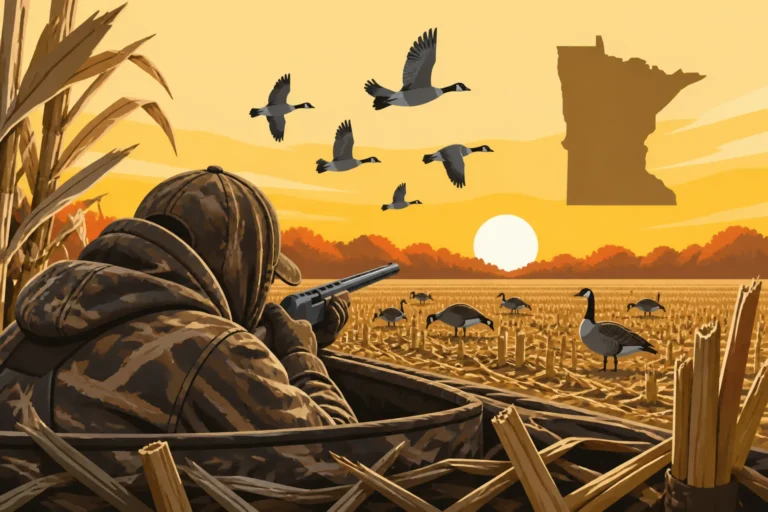
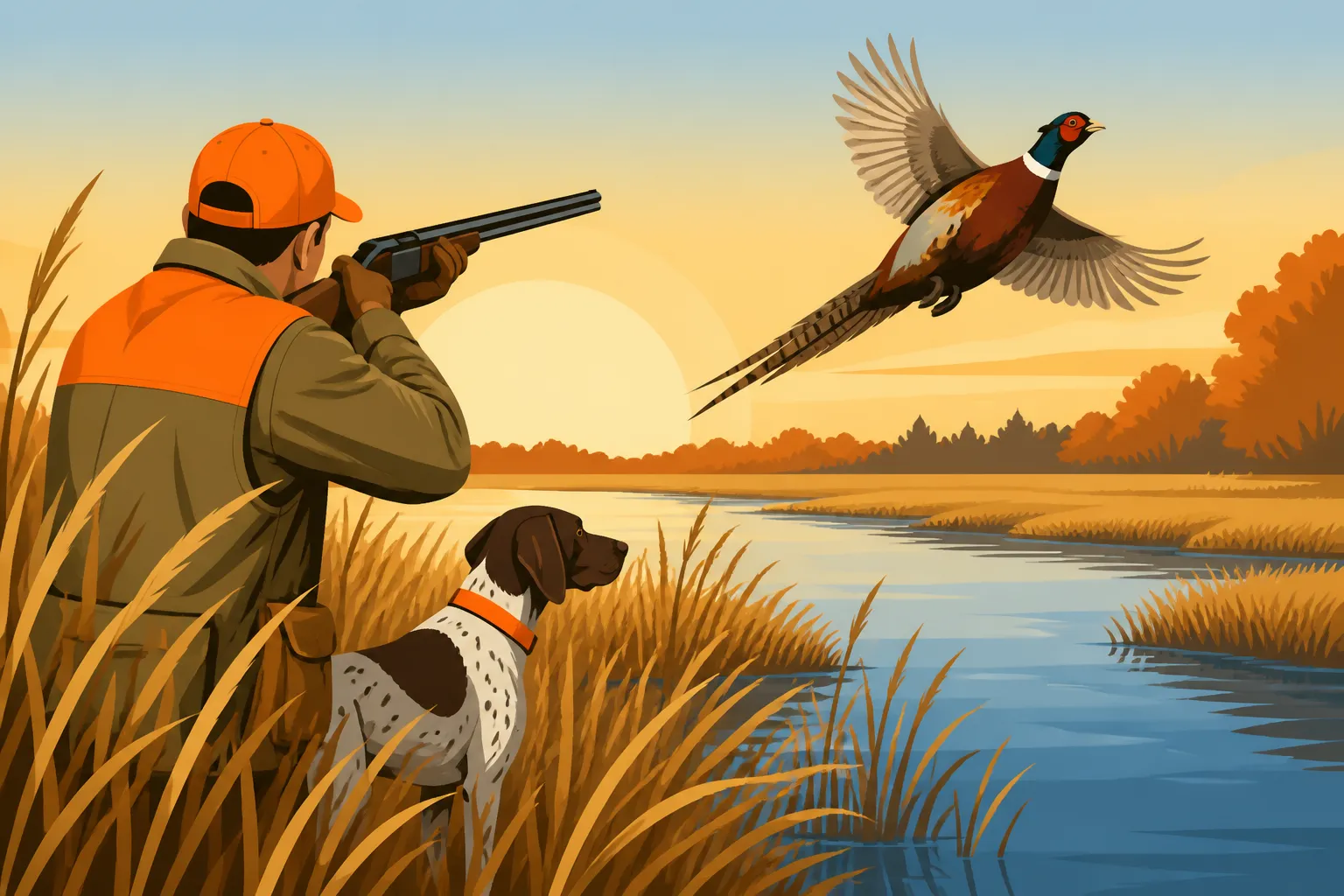
There’s nothing quite like the heart-stopping flush of a rooster pheasant erupting from heavy cover, but often, those flushes happen just out of range, disappearing into the densest cattails or willow thickets along a slough edge. It’s a frustrating scenario many Minnesota pheasant hunters know all too well, leaving you wondering how to effectively work these prime hideouts. This comprehensive guide will equip you with the knowledge and tactics to confidently and successfully hunt those challenging slough edges, turning those elusive roosters into birds in your game vest.
Understanding Slough Edge Dynamics in Minnesota
Minnesota’s landscape, particularly across its western and southern regions, is dotted with countless sloughs, often brimming with cattails, willows, and other thick vegetation. These linear or irregularly shaped wetlands are absolute magnets for pheasants, offering a unique set of advantages that draw birds in and make them challenging to hunt. If you want to consistently find birds in these areas, you first need to understand why they’re there and how they use these critical habitats.
Why Pheasants Love Slough Edges
Think about what a pheasant needs to survive: food, water, and cover. Slough edges provide all three in spades, often year-round. During the harsh Minnesota winters, the dense cattails and brush offer incredible thermal protection from biting winds and heavy snow, essentially acting as a natural fortress. This cover isn't just for winter, though; it provides crucial sanctuary from predators like coyotes and hawks, allowing pheasants to feel secure. These edges are often bordered by agricultural fields, offering easy access to corn, beans, or wheat stubble – a readily available food source that pheasants will utilize heavily, especially in the mornings and evenings.
The rich, moist soil around slough edges also supports a variety of insects and seeds that provide additional sustenance throughout the year. It's a self-contained ecosystem that serves as a living pantry and impenetrable bedroom for a pheasant. This dual benefit of prime food and dense cover is why, even if you’ve hunted a field all morning and found nothing, a quick pass along the bordering slough edge can suddenly come alive with birds.
Reading the Edge for Pheasant Sign
Successfully hunting a slough edge isn't just about blindly walking through it; it's about understanding how pheasants use that particular edge. You need to become a detective, looking for clues that tell you where birds might be holding. Fresh tracks in mud or soft snow along the perimeter are a dead giveaway. Look for areas where the cover thins slightly, creating natural travel corridors or "runways" that birds use to move from the heavy cover to feeding areas. These are excellent spots to position blockers if you're hunting with a group.
Identifying escape routes is also crucial. Pheasants are runners, not just fliers, and they'll often try to skirt the edge of the densest cover before flushing. If there's a patch of open grass or a thin hedgerow leading away from the slough, that's likely where they'll try to escape. Pay attention to changes in elevation, even subtle ones. A slightly higher, drier bank along the slough can be a preferred loafing spot in sunny weather. Utilizing mapping tools like GoHunt can be invaluable here, allowing you to identify subtle topographic changes, adjacent food sources, and even public land boundaries from your phone, helping you predict how birds will move. These apps can help you find overlooked spots by analyzing aerial photos.
Impact of Weather and Pressure
Pheasant behavior is highly sensitive to both weather conditions and hunting pressure. On cold, windy, or snowy days, pheasants will burrow deep into the thickest cover along the slough edge to stay warm and out of the wind. This is often when they are most reluctant to flush, preferring to run ahead of hunters and dogs. In contrast, on warmer, calm days, especially those following a cold snap, they might be found sunning themselves on the edges, making them a bit easier to flush.
Hunting pressure also plays a huge role. If a particular slough edge has been hunted hard all season, the pheasants there will be much warier. They'll run sooner, flush wilder, and utilize the densest, most inaccessible parts of the slough. This means you might need to adjust your strategy, perhaps using more blockers or employing a slower, more deliberate push. Early in the season, during Minnesota Pheasant Season Opening Day, birds might hold tighter, but as the season progresses and they've been bumped a few times, they become much tougher. Understanding these nuances helps you decide when and how to approach a specific slough edge.
Strategic Approaches to Hunting Slough Edges
Hunting slough edges effectively requires more than just walking in a straight line. These areas demand calculated maneuvers, often best executed with a team of hunters and well-trained dogs. The goal is to either push the birds towards a natural barrier or into an area where they are forced to flush within shotgun range. Different situations call for different tactics, so let's break down some of the most effective ways to approach these prime pheasant habitats.
The Push-Through Method with a Line of Hunters
For longer, narrower slough edges, especially those bordered by open fields, the classic push-through method is highly effective. This involves forming a line of hunters, spaced appropriately to cover the width of the cover, and moving systematically from one end to the other. The key is to maintain a consistent pace and keep the line straight, preventing birds from slipping back between hunters. Dogs, particularly flushing breeds like Springer Spaniels or Labs, are invaluable here, working ahead of the line to put birds in the air.
When using this method, consider the wind direction. Pushing birds into the wind can make them hold tighter, as they prefer to take off into the wind, but it can also make them run even more. Pushing with the wind might cause them to flush wilder and further ahead. If possible, angle your push to guide birds towards a natural barrier, like a road, another field edge, or even a thin patch of timber. These barriers limit their escape routes and increase the likelihood of a flush within range. Having a blocker or two positioned at the end of the slough, or along identified escape routes, can significantly improve success.
The Cornering Strategy: Boxing Birds In
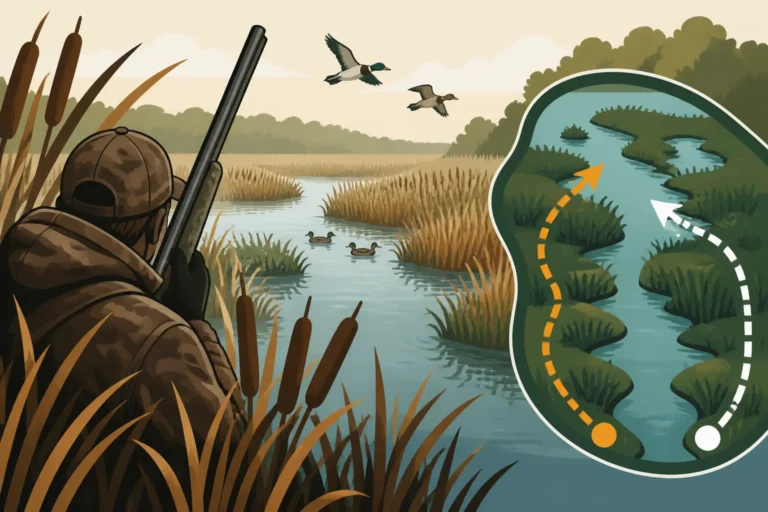
For wider, more irregular sloughs, or those that form a "U" or "L" shape, a cornering strategy can be incredibly productive. This involves sending hunters down both "arms" of the cover, effectively creating a pincer movement to push birds into a smaller, contained area. One or two hunters can move along the outside edge of the slough, while others work through the densest cover with dogs.
The most critical part of this strategy is communication and timing. Everyone needs to know their role and maintain awareness of the other hunters' positions to ensure safety and prevent birds from breaking the "box." Radio communication can be a game-changer here, especially in dense cover where visual contact is lost. The idea is to concentrate the birds, forcing them to hold in a smaller area, and then move in for the flush. This works exceptionally well in areas where Pheasant Hunting Minnesota Farmland meets these wetland features, as you can often push birds from crop stubble into the slough, or vice-versa.
Solo Hunting and Dog Work in Slough Edges
Even if you're hunting alone, a slough edge can be productive, especially if you have a well-trained dog. The biggest challenge for a solo hunter is covering enough ground and preventing birds from running out of range. If you're working without a dog, you'll need to move slowly and deliberately, pausing frequently to make birds nervous and hopefully encourage them to flush. Zig-zagging through the cover, rather than a straight line, can also help cover more ground and put pressure on hiding birds.
With a dog, your odds go way up. For solo hunters, a close-working flushing dog is often preferred, as it keeps birds within your immediate vicinity. If you have a pointing dog, like those mentioned in Running Pointing Dogs on Minnesota Pheasants, focus on working the edge of the thick cover, letting your dog scent out birds that might be moving in or out. When your dog goes on point in dense cattails, be ready to move in quickly to encourage the flush. Sometimes a quick kick into the cover or a loud shout can be enough to get a reluctant rooster airborne. Remember to always be aware of your surroundings and any potential escape routes for the birds, adjusting your path to cut them off.
| Slough Edge Type | Recommended Tactic(s) | Hunter/Dog Requirement | Best Conditions |
|---|---|---|---|
| Long, Narrow | Push-Through | 2+ hunters, 1+ dog | Good visibility, moderate cover |
| Wide, Irregular | Cornering | 3+ hunters, 2+ dogs | Dense cover, defined boundaries |
| Short, Isolated | Solo Hunt (with dog) | 1 hunter, 1 dog | Heavy cover, cautious approach |
| Adjacent to Field | Blockers & Push | 3+ hunters, 1+ dog | Anytime, especially after field hunt |
Essential Gear and Dog Handling for Slough Edges
Hunting slough edges isn't like walking through a manicured field. It's often wet, muddy, and thick, requiring specialized gear and a focused approach to dog handling to ensure both effectiveness and safety. Being prepared for these conditions can be the difference between a successful hunt and a frustrating, soggy experience.
Appropriate Clothing and Footwear
Forget your lightweight upland gear; slough edges demand robust, waterproof protection. A good pair of waterproof boots that come up high on your calf is non-negotiable. Muck Boots or similar rubber boots are fantastic for keeping your feet dry when you inevitably step into standing water or sink into mud. For those who prefer a more supportive boot, ensure it's fully waterproof and consider wearing gaiters to prevent water and debris from entering over the top. When I'm hunting in thick, wet cattails, I always choose the same type of waterproof boots I'd wear for Boots for Walking Minnesota Popple Cuts – durability is key.
For clothing, briar-resistant pants or chaps are a lifesaver. Pheasant cover often includes thorny bushes, heavy brush, and stiff cattails that will tear through regular hunting pants in no time. Layering is crucial, as you'll be working hard and building up heat, but then standing still. Start with a moisture-wicking base layer, add an insulating layer, and top it with a waterproof, breathable jacket. Bright blaze orange is mandatory for safety in Minnesota, especially when hunting with a group. A solid blaze orange vest or jacket will ensure you're visible, which is particularly important in dense cover. Consult Blaze Orange Jackets Versus Vests for more details on requirements and options.
Shotguns and Ammunition Selection
When pheasants erupt from thick cover, they can be fast and unpredictable. A fast-swinging shotgun is your best friend. Many hunters favor 12-gauge or 20-gauge shotguns for pheasants, and either can be highly effective. The choice often comes down to personal preference for recoil and ammunition capacity. A shorter barrel (26-28 inches) can be easier to maneuver in dense brush.
Choke selection is also important. While open chokes like Improved Cylinder or Skeet are great for close-range flushes, a Modified choke offers a good balance, providing a decent pattern density for shots out to 35-40 yards, which is often the range you get when pheasants break from heavy cover. Some hunters will even opt for a Light Modified or a more open choke in the first barrel of an over/under or side-by-side, paired with a Modified or Full in the second barrel for longer follow-up shots. As for ammunition, 2 ¾-inch shells loaded with 4, 5, or 6 shot are standard for pheasants. Number 5 shot is a versatile choice, offering a good balance of pellet count and energy. Make sure to use non-toxic shot if required in specific areas, though lead is generally permitted for upland game on most Minnesota private and public lands. These considerations are similar to what you'd think about for Upland Guns for Popple and Alder.
Training and Managing Your Dog for Slough Edges
A well-trained dog is arguably the most valuable tool for pheasant hunting slough edges. Their superior nose can find birds you’d walk right past, and their enthusiasm can push reluctant roosters into the air. However, the thick cover demands specific dog handling skills. Your dog needs to be responsive to commands, especially "here," "whoa," and "fetch."
For flushing dogs, encourage them to work the cover thoroughly but stay within gun range. You don't want them chasing birds out of sight or flushing them too far ahead. For pointing dogs, the challenge is getting them to penetrate the dense cover and hold a point on a running bird. You might need to teach them to "break point" or relocate if a bird is running. One key is to send your dog in from different angles, sometimes with a crosswind, to help them pick up scent more effectively. Always carry plenty of water for your dog, especially on warmer days, and regularly check them for burrs, cuts, or other injuries they might pick up in the tough cover. Products recommended by GoHunt often include specialized protective vests for dogs, which are excellent for preventing cuts and scrapes in thick brush and keeping them visible. Also, consider carrying a first-aid kit specifically for your canine companion; having Bird Dog Gear for Minnesota Cover handy can prevent a minor issue from becoming a major problem.
Post-Hunt Considerations and Safety
Once the shot is fired and a bird is down, the work isn't over, especially in the thick environment of a slough edge. Retrieving your bird, maintaining safety, and respecting boundaries are all critical aspects of a responsible and successful hunt.
Marking and Retrieving Birds in Dense Cover
A pheasant falling into a thick cattail slough can be incredibly challenging to find, even with a dog. When a bird goes down, mark it mentally. Pick out a prominent cattail clump, a leaning tree, or any other landmark near where you saw the bird fall. Don't take your eyes off that spot until you are actively moving towards it. If you have a GPS unit or a mapping app like GoHunt on your phone, you can even mark the exact spot as a waypoint.
If you have a retriever, send them immediately with a "fetch" command. Trust your dog; their nose is far superior to your eyes in dense cover. If the dog is struggling, guide them with hand signals or voice commands, directing them towards your mental mark. If you're hunting without a dog, move slowly and methodically into the area, kicking through cover and carefully searching. It can be frustrating, but leaving a downed bird is unacceptable. The reward of finding that bird is immense, and it’s a matter of respect for the game.
Staying Safe in Thick Cover
Safety is paramount, especially when hunting in groups in dense cover. Always know where your hunting partners are. Maintain visual contact whenever possible, and if you lose sight of someone, communicate verbally or with a whistle. Never shoot at sound or movement; only shoot when you have clearly identified your target and are certain of your background.
Wearing highly visible blaze orange is not just a legal requirement but a crucial safety measure. It ensures that you stand out against the natural landscape, making you easily identifiable to other hunters. Beyond blaze orange, consider carrying a whistle or two-way radios, especially in larger groups or expansive sloughs. These can be lifesavers for communication, particularly when a bird flushes or if someone needs assistance. It’s the kind of simple, practical advice that can be found in more detail when considering articles like Pheasant Hunting Minnesota Farmland, reminding us that safety protocols are universal.
Respecting Private Land Boundaries
Minnesota’s pheasant hunting opportunities often involve a mix of public and private lands, and slough edges frequently straddle these boundaries. Before you even set foot in the field, use resources like the DNR's Recreation Compass or mapping apps to clearly identify property lines. GoHunt's mapping layers are excellent for this, showing public land boundaries, Walk-In Access (WIA) areas, and often even private landowner names.
It is your responsibility to know where you are at all times. If a slough edge crosses onto private property, you must have permission from the landowner to pursue game there. Accidentally trespassing, or allowing your dog to do so, can lead to serious consequences and jeopardizes future hunting access for everyone. Be respectful, always ask for permission if you're unsure, and retrieve any downed birds from private land only with explicit consent. Being a good ambassador for hunters is vital to maintaining these opportunities for years to come.
Disclaimer
Please note that hunting regulations, seasons, and permit requirements can change. Always consult the official Minnesota Department of Natural Resources (DNR) website or their current hunting regulations handbook before planning any hunt. This article provides general information and recommendations, but it is the hunter's responsibility to ensure compliance with all applicable laws and safety guidelines.