Calling a Minnesota Gobbler Off the Roost
There's nothing quite like the sound of a gobbler hammering on the roost in the pre-dawn darkness of a Minnesota spring morning. It's a sound that electrifies the air, promising an epic hunt, but all too often, that excitement can quickly turn to frustration. You've heard him, located him, slipped in close, but then he flies down in the opposite direction, or just clams up once his feet hit the dirt. It’s a common scenario, and this guide is here to walk you through the nuances of effectively calling a Minnesota gobbler off the roost, turning those morning promises into successful harvests.
Understanding the Morning Roost Routine
Before you can pull a gobbler off the roost, you need to understand what's going on in his head up in that tree. Turkeys, especially gobblers, have a very specific routine they follow each morning, and knowing this can make all the difference in your strategy.
The Gobbler's Perspective at Daybreak
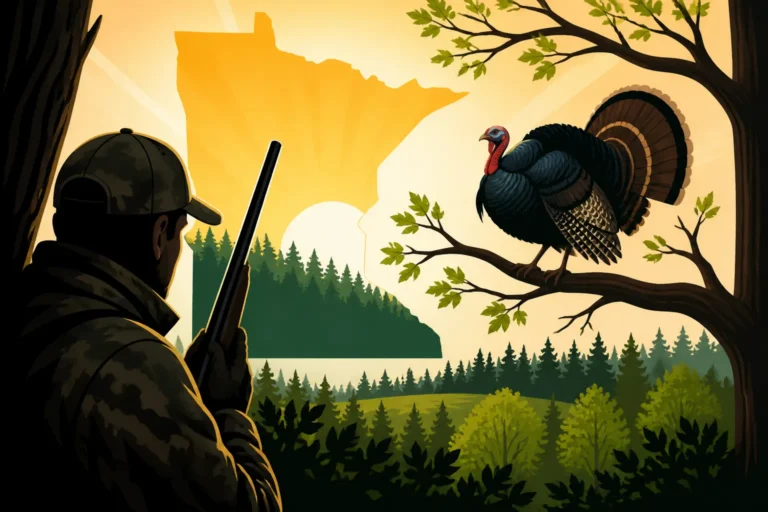
Imagine yourself as that gobbler, high up in a secure pine or oak, surveying his domain as the world slowly wakes up. He's vulnerable on the ground, especially in low light, so he's looking for assurance before he commits to flying down. His first gobbles often serve as an announcement to hens that he's still alive and kicking, and an intimidation display to rival gobblers. He’s trying to consolidate his flock and assert his dominance. What he's not necessarily doing is immediately looking for a hot hen to fly down to. He's often waiting for the hens to come to him. This is where our strategy diverges from the typical "let them come to me" approach. We need to convince him there's a reason to break his routine.
He might gobble incessantly from the limb, especially if he's hearing other birds or knows hens are nearby. But these aren't always calls of eager abandon; sometimes they're pure territorial boasts. If you're planning your approach, it's critical to know where the bird is exactly. Apps like GoHunt can provide detailed topography and satellite imagery, helping you pinpoint potential roost trees and plan your stealthy pre-dawn entry to avoid being seen. This intel is crucial for getting into position without bumping birds.
Why They Leave the Roost (or Don't)
Gobblers usually fly down with the first light, or shortly thereafter. They're looking for safety, food, and companionship. Hens typically fly down first, often making soft clucks and yelps as they hit the ground, gathering around the dominant gobbler. If you can mimic this, you're halfway there. However, sometimes they're stubborn. They might be waiting for a specific hen, or they might feel pressured. Maybe they've been hunted before, and they're wary of anything that sounds "too good to be true."
A gobbler might refuse to fly down towards your calls if he sees something he doesn't like, or if the terrain looks unfavorable. A deep creek, a thick fence line, or even an open field he doesn't want to cross can be enough to make him fly down in another direction or simply pitch down and walk away silently. The key is understanding that their decision to fly down isn't always about the hottest call; it's about perceived safety and convenience. Thinking about the potential escape routes or obstacles from the gobbler's perspective can greatly influence your setup.
Strategic Setup for Roosted Birds
Your setup is paramount when trying to call a gobbler off the roost. It’s not just about hiding; it’s about controlling the bird’s approach and making him feel comfortable enough to come into range.
Stealth and Approach Before Dawn
The first rule of roost hunting is absolute stealth. You need to get into position in the pitch black, long before the first hint of light streaks the eastern sky. This means knowing your route, avoiding noisy leaves and branches, and being utterly silent. Any unnatural noise, any flashlight beam sweeping the trees, or any silhouette against the pre-dawn glow can blow your hunt before it even starts. Use the darkness as your friend. If you’re hunting public land, you might have competition, making the early, silent approach even more vital. Don't be afraid to walk a bit further or take a slightly less direct route if it means staying hidden.
Once you hear those first tree yelps or gobbles, you want to pinpoint the bird's exact location. Then, quickly but quietly, choose a setup location that’s within 75-100 yards of the roost tree, if possible, but never directly underneath him. You want to be between the gobbler and where you expect the hens to fly down or where he might naturally want to go. A slight rise, a cluster of pines, or a natural funnel point can be ideal. Think about Setting Up Against a Big Oak or a mature pine grove that provides excellent cover. You're aiming to intercept him as he considers his morning descent.
Decoy Placement for Off-Roost Calling
Decoys can be a game-changer when calling a gobbler off the roost, but their placement is critical. You want to present a realistic scene that makes the gobbler feel like he's flying down to an eager hen, or a rival that needs to be checked. For roosted birds, a single hen decoy, or a hen and jake combo, positioned about 20 yards from your calling position and facing back towards you, can be incredibly effective.
Table: Decoy Setups for Roosted Gobblers
| Decoy Type | Scenario | Placement | Rationale |
|---|---|---|---|
| Single Hen | Standard, wary bird | 20-25 yards from hunter, facing hunter | Appears natural, offers a clear target to fly down to, draws attention from hunter. |
| Hen & Jake | Aggressive gobbler, competitive area | Jake 10-15 yards from hen, facing away; Hen 20 yards from hunter | Triggers territorial instinct in dominant gobbler, inviting him to challenge the jake. |
| Strutter | Very aggressive, dominant gobbler | 20-30 yards from hunter, facing away | Ultimate challenge for a gobbler, but can intimidate wary birds. Use with caution. |
Positioning your decoys in an open spot that the gobbler can see as he flies down is crucial. This gives him a visual target to commit to. Remember to consider the sun's direction; you want the sun at your back, shining on your decoys, making them visible and realistic to the gobbler while keeping you in the shadows. This is especially important during Hunting an Early Turkey Period in Minnesota when morning temperatures can be crisp and visibility can be lower.
Calling Sequences for Roosted Gobblers
Once you’re set up and daylight is just starting to break, it’s time to start communicating. The type of calls you make, and when you make them, are crucial.
Soft Calls to Arouse Interest
Resist the urge to blast out aggressive calls as soon as you hear that first gobble. A gobbler on the roost is listening, but he's also making decisions. Start with very soft, subtle tree yelps and soft clucks. Mimic a hen just waking up, maybe stretching her wings, making contented sounds. Think of it as a quiet invitation, not a demanding one. A simple series of 3-5 soft yelps, followed by a cluck or two, is often all it takes to pique his interest. Wait for him to gobble in response. If he does, you know he’s listening. Then, go silent for a few minutes. Let him think about it.
After a few minutes, if he gobbles again, you can offer another soft sequence, perhaps a little louder, but still not aggressive. You're trying to convince him that there's a hen right there, willing to meet him, but not so eager that she’s abandoning all caution. This is where subtle slate calls or a soft diaphragm call really shine. This gentle approach is often more effective than hammering at him with loud calls, especially when you consider When Minnesota Gobblers Go Quiet after initial morning activity.
Aggressive Calling Once He's On the Ground
Once you see him pitch down from the roost, or hear the distinct thud of him hitting the ground, that's when you can become more assertive with your calling. This is the moment to transition from soft yelps to more excited, louder yelps, cutts, and clucks. You want to sound like a hen who has just landed and is now actively looking for her gobbler. The goal is to draw him directly to your setup before he starts gathering his own flock of hens or wanders off.
A string of 5-7 excited yelps, followed by some sharp cutts, can often seal the deal. If he gobbles back strongly, you know he’s interested and heading your way. At this point, you might even throw in a gobble call yourself if you’re using a tube or a gobble shaker, but be careful not to overdo it, as this can sometimes intimidate a less dominant bird. The key is to paint a picture of an eager hen that’s ready to breed, right in front of your decoys. This strategy is different from a mid-morning hunt, where Run-and-Gun Turkey Tactics on Public Land might be more effective.
Troubleshooting Common Roost-Calling Challenges
Even with the best planning and calling, gobblers can be unpredictable. Here's how to tackle some common frustrations.
Dealing with Hung-Up Birds
It’s happened to all of us. The gobbler is hammering, you're calling, he flies down, and then… he hangs up. He's just out of range, gobbling his head off, but refuses to come any closer. This is often because he expects the hen to come to him, or he sees something (or doesn't see something) he doesn't like. First, check your setup. Are your decoys visible? Is there an obstacle between you and him?
If he's hung up, go silent for a good 10-15 minutes. Let the woods get quiet. Sometimes, that silence is enough to make him curious. Then, try a very soft, subtle call again, almost like a lost hen. If he responds, you might try a very slow, almost imperceptible crawl towards him if terrain allows, while still calling softly. If you have a partner, one person can call, and the other can try to flank the bird, but this is incredibly difficult to do quietly. Another tactic is to use a locator call, like an owl or crow call, to get him to gobble without directly calling to him. This can sometimes make him reveal his position without putting direct pressure on him. Remember, patience is your best friend here.
What to Do When He Fly-Downs the Wrong Way
Sometimes, despite your best efforts, that gobbler will fly down completely opposite to where you expected, or he might just pitch down and head straight into a patch of thick timber or a field edge, ignoring your calls entirely. It's frustrating, but it's not the end of the hunt. This usually happens if he already has hens waiting for him, or if he felt exposed in your chosen landing zone.
If he flies down away from you, quickly reassess the situation. Can you reposition? If he went into a thick area, you might be able to make a wide, silent loop to get ahead of him, or at least cut him off. If you’re using an app like GoHunt, you can quickly look at the map for terrain features and plan a new approach. Sometimes, it’s best to let him go, wait an hour or so, and then try to locate him again with a locator call or aggressive yelps. He might be more receptive to calls once he’s spread out and lost his initial flock of hens. The key is adaptability. Don’t get discouraged; Hunting the Minnesota Rut in Early November for deer often presents similar challenges with unpredictable animal movements, and turkey hunting is no different.
Ultimately, calling a Minnesota gobbler off the roost is an art form. It requires patience, stealth, understanding of turkey behavior, and the ability to adapt. While it can be a challenge, the reward of bringing that big tom to your decoys right off the limb is one of the most exciting experiences in spring turkey hunting. Make sure to review the Minnesota Spring Turkey Zones and Periods before heading out to ensure you're in season and know the rules for your specific area.
Disclaimer
Please note that hunting regulations and best practices can change. Always consult the most current Minnesota Department of Natural Resources (DNR) regulations and local ordinances before engaging in any hunting activity. Safety should always be your top priority in the field.