Late-Season Antlerless Hunting in Minnesota
When the regular deer seasons wind down in Minnesota, many hunters find themselves with an unfilled tag or a desire to extend their time in the woods and fill the freezer. Late-season antlerless hunting offers a fantastic opportunity to do just that, but it comes with its own unique challenges, from brutal cold to tracking in deep snow. This guide will walk you through everything you need to know to make your late-season antlerless hunt successful and enjoyable.
Understanding Minnesota's Late Antlerless Seasons
Minnesota offers several opportunities to pursue antlerless deer after the main firearm seasons have closed. These late-season hunts are often designed to help the DNR manage deer populations in specific areas, providing a crucial chance for hunters to contribute to herd health while also securing more venison. Don't let the thought of cold weather deter you; these hunts can be incredibly rewarding.
Key Dates and Zones for Antlerless Opportunities
The primary windows for late-season antlerless hunting typically fall into a couple of categories. First, many of the 300-series permit areas, especially those designated as "Intensive" or "Managed," will have extended antlerless seasons that run concurrently with the statewide muzzleloader season. This often pushes hunting opportunities well into December. For instance, the late 300B firearm zone allows for additional antlerless hunting after the main firearm season closes. It's really important to double-check the specific dates and rules for your chosen permit area each year, as they can shift based on population goals.
Beyond the Muzzleloader season, some special hunts or landowner programs might offer very late opportunities, occasionally even into January, particularly in areas with high deer densities or CWD management needs. These are often limited entry and require advance application, so staying on top of the DNR's announcements is key. Understanding these specific timeframes for hunting late-season antlerless in Minnesota is your first step to success.
Permit Areas and Antlerless Tags
Minnesota utilizes a system of Permit Areas (PAs) to manage deer across the state, categorizing them as "Intensive," "Managed," or "Lottery." For late-season antlerless hunting, you'll almost exclusively be looking at Intensive or Managed areas, as these are where the DNR wants to increase harvest, particularly of does.
In an Intensive area, you might be able to purchase multiple antlerless permits over the counter, or your regular deer license might allow for an antlerless deer during an extended season. Managed areas typically allow for the harvest of one antlerless deer per hunter, often through a bonus tag or a hunter's choice permit after the lottery has been fulfilled. The system can feel a bit like navigating a maze, but the core idea is that if the DNR wants more does taken, they'll make it easier to do so in those specific areas. Always check the DNR's annual regulations booklet or their website to confirm what tags are valid in which areas and during which seasons; this is critical information to avoid any missteps. You can also review how the antlerless lottery works to get a clearer picture of the initial allocation process for these tags.
Locating Late-Season Deer Hotspots
Hunting in December or even early January means deer patterns are vastly different from the early season or the rut. The focus shifts entirely to survival, primarily driven by food and cover. If you can pinpoint these two elements, especially when combined with reduced hunting pressure, you're well on your way to finding late-season success.
Identifying Food Sources in Winter
When the snow starts to fly and temperatures plummet, deer become highly dependent on easily accessible, high-energy food sources. Forget the scattered acorns of October; now they're looking for agricultural fields that still have residual crops, like standing corn or soybean stubble. Even if the field has been harvested, waste grain can be a massive draw. Alfalfa fields, even if dormant, can also provide browse.
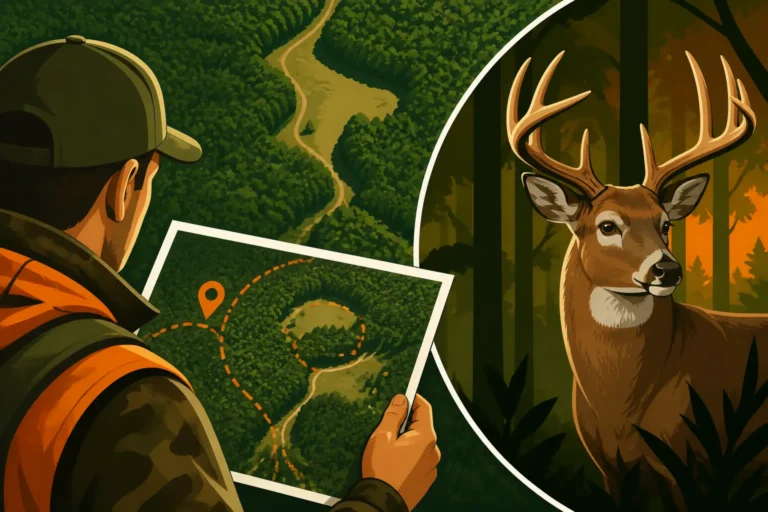
Beyond agriculture, natural browse like dogwood, aspen shoots, and certain evergreens can become critical. Look for areas where deer have hammered the vegetation down low, creating "browse lines." In northern Minnesota, these might be young timber cuts or areas with specific conifer stands offering both food and thermal cover. Using mapping tools like GoHunt can really help here, allowing you to layer aerial imagery with land ownership to identify potential food sources on both public and private lands, even helping you read aerial photos for big woods deer.
Thermal Cover and Bedding Areas
Thermal cover is just as important as food when the mercury drops. Deer need places to escape the wind and huddle together to conserve body heat. Think dense conifer stands—pines, spruces, and cedars—especially those with thick canopies that capture snow and block wind. These areas often run along creek bottoms or hillsides, providing a natural thermal barrier. Swamp edges with thick cattails or tag alders can also offer excellent protection, particularly when there's a strong wind.
Often, these bedding areas will be relatively close to prime food sources, creating a natural travel corridor for deer moving between feeding and bedding. Scouting Minnesota public land before season is always a good idea, but a late-season walk-through can reveal heavily used trails leading into these crucial cover types. Look for tracks in the snow leading directly into the densest cover. The deer will be seeking the path of least resistance and greatest security, meaning these routes can be very predictable.
Essential Tactics for December Deer
Hunting late-season antlerless deer requires a tactical shift. The deer are generally much warier, having survived weeks of hunting pressure, and their behavior is entirely dictated by the weather. Patience, persistence, and adapting to the conditions are paramount.
Still-Hunting and Tracking in Snow
Still-hunting becomes a highly effective tactic in the late season, especially once there's a blanket of snow on the ground. The fresh snow provides a visual advantage, highlighting deer trails, rubs, and scrapes, even if they're old. More importantly, it creates a silent walking surface if the temperature is right. Move slowly, taking five steps and then pausing for several minutes, scanning thoroughly with your binoculars. Focus on areas between bedding and feeding, or along the edges of dense thermal cover.
When you find fresh tracks, you have a decision to make: follow them or continue still-hunting broadly. Tracking a deer in fresh Minnesota snow can be incredibly exciting but also extremely challenging. It requires a lot of patience, careful reading of the tracks (gait, size, freshness), and understanding that the deer will often circle back downwind to catch your scent. If you commit to tracking, always be ready for a shot, as the deer you're following might suddenly jump up from a day bed. This method is particularly effective in northern forests, where deer movement can be more predictable under snowy conditions.
Strategic Deer Drives
For hunters with a group, organized deer drives can be incredibly effective for late-season antlerless hunting, especially on larger tracts of public land. Deer often yard up in dense cover during winter, making them vulnerable to drives that push them out into more open areas or past waiting standers. The key to a successful drive is planning, communication, and understanding the terrain. Map out the drive boundaries, identify escape routes, and place standers strategically along known travel corridors or pinch points.
Safety is paramount during any deer drive. All participants must wear sufficient blaze orange, know their shooting lanes, and be aware of where other hunters are positioned. Drives with three or four hunters can be surprisingly effective, especially when focused on smaller pockets of cover like cattail sloughs or thickets adjacent to food sources. The cold weather and snow often mean deer are less likely to break cover and run for miles, preferring to sneak through the densest cover available.
Cold-Weather Sitting Strategy
Sometimes, the best late-season tactic is simply to sit and wait, especially near prime food sources or along major travel corridors. However, a successful cold-weather sitting strategy in Minnesota requires significant preparation. Deer often move more during midday in late season to maximize feeding time when temperatures are at their highest, so don't be afraid to sit through the middle of the day.
Focus on stand locations that provide maximum concealment and a good vantage point over food plots or natural browse. Use a ground blind on Minnesota public land if the terrain allows, as it offers superior protection from the wind and elements, allowing you to stay warm and alert for longer periods. Dress in layers, wear insulated boots, and pack plenty of hot drinks and high-energy snacks. The goal is to be comfortable enough to remain motionless and focused, even when the thermometer dips below zero. Your willingness to endure the cold longer than other hunters can often be the deciding factor.
Gear Up for the Cold and Snow
Late-season hunting in Minnesota is no joke. The weather can be brutal, with temperatures often well below freezing, significant snowfall, and biting winds. Having the right gear isn't just about comfort; it's about safety and effectiveness. Skimping on cold-weather gear is a surefire way to cut your hunt short.
Essential Clothing for Extreme Cold
Layering is the name of the game when it comes to staying warm in Minnesota's late season. Start with a good base layer made of merino wool or synthetic materials that wick moisture away from your skin. Avoid cotton at all costs, as it retains moisture and will make you cold. Next, add a mid-layer for insulation, like a fleece jacket or a puffy vest. Your outer layer should be windproof, waterproof, and heavily insulated. Many hunters swear by high-quality insulated boots for all-day sits, and for good reason—cold feet will send you home faster than anything else.
Don't forget accessories like a warm hat, a neck gaiter or balaclava, and heavy-duty insulated gloves or mittens. A hand muff with chemical warmers can also be a lifesaver. Ensure all your outer garments meet Minnesota's blaze orange requirements, which typically means wearing an outer garment that is at least 50% blaze orange above the waist. For added visibility and safety, consider a blaze orange jacket versus a vest, as the increased surface area provides better coverage.
Optics and Scouting Tools
In the often low-light conditions of deep winter, quality optics are invaluable. A good pair of binoculars, like an 8×42 or 10×42, will help you pick apart dense cover and identify deer at a distance, especially crucial when trying to distinguish an antlerless deer from a buck. A rangefinder can also be useful, even in thick timber, to confirm distances for clear shots.
Modern scouting tools can give you a significant advantage. Apps like GoHunt offer detailed satellite imagery, topographic maps, and public/private land ownership overlays that are critical for planning your hunt. You can mark potential food sources, bedding areas, and travel corridors from the comfort of your home, then verify them in the field. This digital scouting can save you countless hours of unproductive walking, allowing you to focus your efforts on the most promising late-season areas. Remember to download maps for offline use, as cell service can be spotty in many remote hunting areas.
Transportation and Recovery Gear
Navigating snowy terrain can be exhausting, so consider how you'll get to your hunting spot and, more importantly, how you'll get your deer out. If you're hunting public land with designated ATV trails, a four-wheeler can be a huge asset. Otherwise, a good old-fashioned deer sleds for snow country will be your best friend. Even if there isn't deep snow, a deer cart can make dragging a deer through frozen fields or matted grass much easier.
Always carry a strong rope or drag harness. Recovering a deer from a frozen slough or a deep snowdrift is challenging, and having the right tools can make all the difference. Pack a sharp field dressing knife, a bone saw, and game bags, even in cold weather. While the cold helps preserve meat, you still want to get it field dressed and back to camp as quickly and cleanly as possible. A headlamp is also non-negotiable for walking out after dark, which is a common occurrence on late-season hunts.
Field Care and Recovery in Winter
Successfully taking an antlerless deer in the late season is only half the battle. Winter conditions present unique challenges for field care and recovery, but also some advantages. Knowing how to handle your deer in the cold can make the difference between prime venison and spoiled meat.
Tracking and Retrieval in Snow
A fresh snowfall can be a hunter's best friend and worst enemy. While it makes tracking easier, it also means a deer might bleed out quickly but then be insulated by the snow, making trailing difficult if the blood trail is sparse. When you shoot an antlerless deer in late season, give it ample time, especially if the shot wasn't perfect. Then, systematically follow the tracks. Look for disturbed snow, broken branches, and most importantly, blood. Even small specks can lead you in the right direction.
If the blood trail peters out, expand your search in circles around the last known sign. Remember that a wounded deer will often seek the densest cover available. Having a partner can be invaluable for grid searching and keeping track of the trail. If you recover your deer in deep snow, a sled or a sturdy drag rope is essential. For large animals or long distances, boning out a deer in the field and packing it out in a frame pack might be a more feasible option than dragging the entire carcass.
Processing and Preserving Your Harvest
The cold weather of late season offers a natural refrigeration benefit, which is a huge advantage for meat preservation. Once your deer is field dressed, its body will cool down quickly, slowing bacterial growth. However, don't just leave it exposed to the elements for days; critters can still get to it, and fluctuating temperatures can be an issue. If you're at deer camp, hang the deer in a cool, sheltered spot, ensuring good air circulation.
Aim to get your deer caped, quartered, and into a cooler or to a processor within a day or two, especially if temperatures rise unexpectedly. For those who butcher their own deer at camp, the cold weather makes the process much more pleasant. Ensure you have clean knives, a clean workspace, and proper storage. You can also review tips on handling bear meat safely, as many of the principles for quick cooling and cleanliness apply to deer meat in various temperatures.
Safety Considerations for Winter Hunting
Hunting in winter always carries additional risks beyond those of milder seasons. Hypothermia and frostbite are real threats if you're not properly dressed or if you become wet. Always tell someone where you're going and when you expect to return. Carry a fully charged cell phone (with a portable charger), a first-aid kit, and emergency fire-starting supplies.
Navigating icy or snow-covered terrain can lead to falls, so wear appropriate footwear with good traction. When crossing frozen water bodies, exercise extreme caution or avoid them altogether unless you are absolutely certain of the ice thickness. Awareness of your surroundings, especially if hunting alone, is crucial. The solitude of late-season hunting is appealing, but it also means help might be further away if something goes wrong.
Making the Most of Your Antlerless Opportunity
Late-season antlerless hunting isn't just about filling a tag; it's about connecting with the land, understanding deer behavior in its most primal state, and bringing home quality protein for your family. It's often a less crowded experience than the frenzied opening weekend, allowing for a more reflective hunt.
The Value of an Antlerless Tag
For many hunters, an antlerless tag represents an excellent opportunity to put high-quality venison in the freezer. Doe meat is often tender and delicious, perfect for roasts, steaks, and grind. Beyond the table fare, harvesting does is a critical component of healthy deer herd management. In areas where populations are high, reducing the number of does helps keep the herd in balance with its habitat, preventing overbrowsing and promoting healthier animals overall.
Additionally, for newer hunters or youth, late-season antlerless hunts can be a fantastic way to gain valuable experience without the added pressure of buck fever. The focus shifts from trophy hunting to practical meat harvesting, fostering a deeper understanding of conservation and responsible hunting practices. It’s an opportunity to truly appreciate the full cycle of the hunt.
Dealing with Hunting Pressure on Public Land
By late season, many public land areas have seen significant hunting pressure. Deer have become incredibly wary and often move into the densest, hardest-to-reach cover. This means hunters need to adjust their strategy. Instead of focusing on easily accessible spots, be willing to walk further, deeper into cover, and explore areas others might overlook. Using detailed maps, like those from GoHunt, can help you identify remote pockets of public land that might hold deer seeking refuge from pressure.
Consider hunting during the week rather than on weekends, as pressure often drops considerably. Focus on transition areas: the edges of thick swamps, overlooked timber stands, or small draws that connect larger blocks of cover. Deer will use these as highways. Sometimes, simply finding ground others walk past can lead to unexpected success. The deer that survive into the late season are smart; you need to be smarter, more patient, and willing to work harder than the average hunter.
Reflecting on the Season
As the late-season hunt draws to a close, take some time to reflect on your experiences. What did you learn about deer movement in the cold? What gear performed well, and what could be improved for next year? Late-season hunting provides a unique perspective, showcasing the resilience of both deer and hunter. It's a testament to dedication and a deeper connection to the natural world.
Whether you filled your tag or not, the time spent in the Minnesota wilderness, enduring the elements and testing your skills, is invaluable. Every hunt, especially in challenging conditions, builds character and knowledge. And if you did bring home an antlerless deer, you've contributed to responsible wildlife management and provided a delicious, natural food source for your family. Enjoy the venison and start planning for next year's late-season adventure!
Disclaimer
Hunting is an inherently dangerous activity. Always prioritize safety, follow all local and state regulations, and obtain proper licensing. The information provided in this guide is for informational purposes only and should not replace professional guidance or official DNR regulations. Always double-check current season dates, permit area rules, and legal requirements with the Minnesota Department of Natural Resources before heading afield.