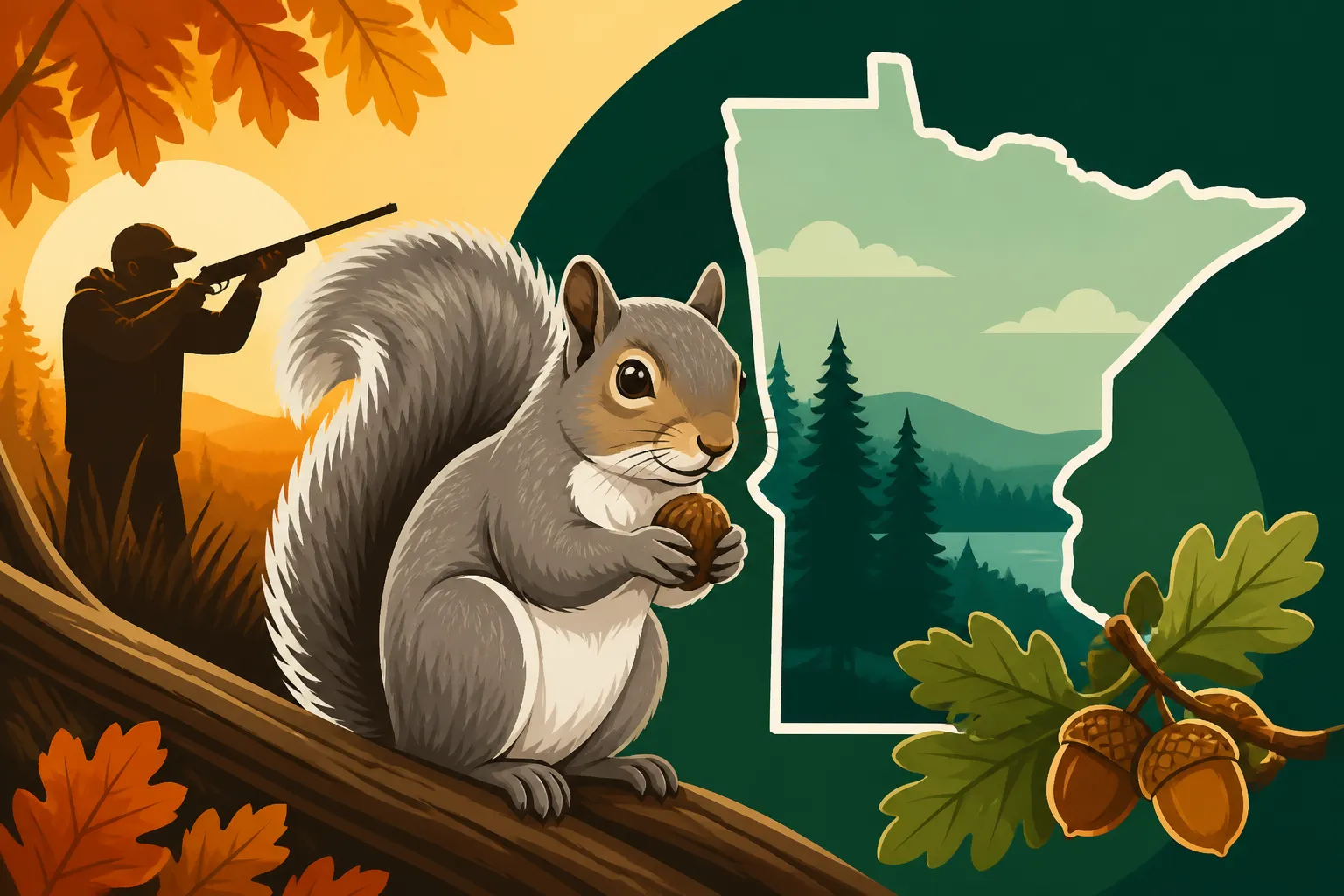
Minnesota Squirrel Season Dates
It’s a common frustration when you’re itching to get into the woods for some small game, but you’re just not quite sure when that squirrel season officially kicks off or if you’ve missed the prime window. Squirrel hunting in Minnesota offers some fantastic opportunities, from sharpening your shooting skills to enjoying some truly delicious wild game, but knowing the precise season dates and regulations for our furry friends can feel a bit like trying to track a gray squirrel through thick timber—it’s doable, but you need to know what you’re looking for. This guide will walk you through everything you need to know about Minnesota's squirrel season dates, distinguishing between species, understanding the rules, and making the most of your time afield.
Understanding Minnesota's Squirrel Season Landscape
Minnesota is home to several squirrel species, and while many think of them all interchangeably, it's crucial for hunters to understand that not all squirrels are created equal in the eyes of the law. The season dates, and even whether a season exists at all, depend heavily on the specific squirrel you're targeting. Getting this distinction right is the first step to a successful and legal hunt.
Key Season Dates for Gray and Fox Squirrels
When most folks talk about "squirrel season" in Minnesota, they're generally referring to the period open for gray and fox squirrels. These are your bigger, bushier-tailed squirrels that are commonly found across much of the state, from urban parks to sprawling hardwoods. The Minnesota Department of Natural Resources (DNR) sets a very consistent and generous season for these species each year, which is fantastic news for small game enthusiasts.
Typically, the season for gray and fox squirrels opens the day after Labor Day. This means you can often kick off your small game pursuits in early September, enjoying pleasant weather and abundant foliage. The season then runs all the way through to February 28th of the following year. That's a huge window, encompassing early fall, the deer rut, late fall, and even extending into the depths of winter. This long season offers incredible flexibility, allowing hunters to experience squirrel hunting in a variety of conditions, from green woods to snow-covered landscapes. It also means that if you're not successful in your deer or turkey hunts, there’s still plenty of time to get out and enjoy the woods. However, keep in mind that dense foliage in early season can make spotting squirrels incredibly challenging, leading to missed opportunities if you're not patient.
Distinguishing Between Huntable Species: Gray, Fox, and Red Squirrels
While gray and fox squirrels have a defined season, Minnesota also has red squirrels, often called pine squirrels. These smaller, more aggressive, and noisier squirrels are prevalent in coniferous and mixed forests, particularly up north. And here's where it gets interesting: red squirrels in Minnesota do not have a closed season or a bag limit. This means you can legally harvest them year-round, any day of the year, with no daily or possession limit.
| Squirrel Species | Typical Habitat | Season Dates | Daily Bag Limit | Possession Limit |
|---|---|---|---|---|
| Gray Squirrel | Hardwood forests, urban/suburban areas | Day after Labor Day – Feb 28th | 7 | 14 |
| Fox Squirrel | Hardwood forests, farmland edges, open woods | Day after Labor Day – Feb 28th | 7 | 14 |
| Red Squirrel | Coniferous/mixed forests, pine stands | Year-round (No closed season) | None | None |
This distinction is crucial for hunters. If you're specifically targeting grays and foxes, you must adhere to their season dates. If you primarily hunt in northern Minnesota pine country and encounter a lot of red squirrels, you have far more flexibility. Always double-check your identification before pulling the trigger, especially if you're hunting near the edges of different habitat types. Knowing the difference between these species will not only ensure you stay within regulations but also help you tailor your hunting strategies. For more general information on the small game season, check out Minnesota Small Game and Upland Bird Seasons.
Essential Regulations and Licensing for Squirrel Hunters
Even for a seemingly straightforward pursuit like squirrel hunting, there are specific regulations and licensing requirements that every hunter in Minnesota needs to understand and follow. These aren't just arbitrary rules; they're in place to manage wildlife populations responsibly and ensure everyone has a safe and ethical experience in the woods. Getting caught without the right license or exceeding bag limits can lead to fines and loss of privileges, which nobody wants.
License Requirements for Small Game
To legally hunt gray and fox squirrels in Minnesota, you will need a valid Small Game License. This is separate from a big game license and covers a variety of other species, including pheasants, grouse, rabbits, and hares. It's an annual license, and you'll need to purchase it before heading afield. The good news is that obtaining one is quite simple. You can buy your license online through the Minnesota DNR's eLicense system, at authorized license agents (like bait shops, sporting goods stores, and many county government centers), or even over the phone.
The cost of a small game license varies for residents and nonresidents. For Minnesota residents, the cost is typically quite reasonable, making it an accessible hunting opportunity for many. Nonresidents, naturally, face a higher fee, but it still represents a solid value for the long season and diverse opportunities available. It's always a good idea to check the current year's fees directly on the DNR website or when purchasing your license. For specific details on costs, you might find our guides on Minnesota Resident Small Game License Cost and Minnesota Nonresident Small Game License Cost helpful. Remember, youth hunters often have different license requirements or may even be exempt from certain fees, so if you're bringing a younger hunter along, be sure to check those specific rules as well.
Bag Limits, Possession Limits, and Shooting Hours
Once you have your license, understanding the limits and shooting hours is paramount. For gray and fox squirrels, the daily bag limit in Minnesota is 7 squirrels. This means you can harvest up to seven of these combined species in a single day. The possession limit is 14 squirrels, which is essentially two days' worth of the daily bag limit. This possession limit applies to squirrels stored at your home, cabin, or in your vehicle while traveling. These limits are in place to ensure a sustainable harvest and prevent overhunting, contributing to healthy squirrel populations year after year. As mentioned, red squirrels have no daily or possession limits, giving you full reign if that's your target species.
When it comes to shooting hours, small game hunting in Minnesota generally follows a standard timeframe. Hunting is allowed from one-half hour before sunrise to one-half hour after sunset. This provides ample daylight for ethical shot placement and safe hunting. Always verify these times with a reliable source like the DNR's official regulations booklet or a trusted app, as sunrise and sunset times vary throughout the season and by your exact location in the state. Planning your hunt around these hours is crucial, and you can get more details on Minnesota Legal Shooting Hours if you need a refresher.
Legal Firearms and Methods for Squirrels
Minnesota offers flexibility in the types of firearms and methods you can use for squirrel hunting, making it accessible to hunters with various preferences and equipment. Rimfire rifles, particularly the venerable .22 LR, are incredibly popular for squirrel hunting. Their low report, minimal recoil, and affordable ammunition make them ideal for precise shots on small targets without causing excessive meat damage. Shotguns, especially those chambered in .410, 20-gauge, or 12-gauge with small shot sizes (like #6 or #7.5), are also effective, especially when squirrels are moving quickly through branches or when you're hunting in denser cover where a rifle shot might be difficult. Airguns are another legal option, offering a quiet alternative for close-range work. Even archery equipment, such as a recurve, compound, or crossbow, can be used by those seeking an extra challenge.
There are no specific caliber or gauge restrictions for squirrels beyond general firearm safety and legal carry requirements. When choosing your method, consider your hunting environment. A .22 rifle is excellent for open hardwoods where you can get clear shots on stationary squirrels, while a shotgun might be better for thick aspen stands where flushing squirrels are more common. Regardless of your chosen method, always prioritize safety: know your target and what's beyond it, and ensure your firearm is in good working order.
Maximizing Your Opportunities During Squirrel Season
Minnesota's lengthy squirrel season means you have plenty of time to get out, but certain periods and tactics can significantly increase your success. Understanding squirrel behavior throughout the seasons and knowing where to focus your efforts can turn an average outing into a memorable one. Don't just wander into the woods; have a plan, and adapt it as conditions change.
Peak Hunting Times Within the Season
The long squirrel season can be broadly broken down into different phases, each with its own quirks and advantages.
-
Early Season (September-October): This period, right after Labor Day, offers warm, often pleasant weather. The challenge, however, is the thick foliage. Leaves are still on the trees, providing abundant cover for squirrels, making them difficult to spot. Focus on listening for squirrel chatter and the rustling of leaves as they forage for nuts. Early mornings and late afternoons are prime times when squirrels are most active. This is a great time to hunt near oak ridges where acorns are falling, as squirrels will be busy filling their larders. You can read more about this in Squirrel Hunting a Minnesota Oak Ridge.
-
Mid-Season (November-December): As November rolls around, the leaves begin to drop, significantly improving visibility in the woods. This is arguably one of the best times to hunt squirrels. With less cover, you can spot squirrels from a distance, and tracking their movements becomes easier. Squirrels are still very active, especially on warmer days, as they continue to cache food. As deer season wraps up, hunting pressure on squirrels might drop a bit, too. The cooler weather also helps with meat care after the harvest.
-
Late Season (January-February): This is the heart of winter, often bringing snow and bitter cold. While challenging, late-season squirrel hunting can be incredibly rewarding. Snow makes it easy to spot tracks and trails, leading you directly to squirrel activity. On clear, sunny winter days, squirrels will often emerge from their dens to forage, making them highly visible against the white backdrop. Focus on areas with persistent food sources like standing cornfields if you're in farm country, or conifer stands where red squirrels are foraging for cones. You'll need to dress warmly for Cold-Weather Sitting Strategy in Minnesota during this period.
Habitat Hotspots and Scouting Tips
Squirrels are creatures of habit, and understanding their preferred habitats is key to finding them. In Minnesota, prime squirrel habitat generally revolves around food sources and denning trees.
- Hardwood Forests: Oaks, hickory, and other mast-producing trees are squirrel magnets. Look for mature timber stands, especially on ridges and along creek bottoms, where these trees are abundant. Squirrels rely heavily on acorns and other nuts, so areas with a good mast crop will hold more squirrels.
- Mixed Forests: A mix of hardwoods and conifers offers both food and excellent denning sites. Red squirrels, in particular, prefer areas with pine, spruce, or fir trees.
- Farm Edges and Woodlots: In agricultural areas, small woodlots, fence rows, and tree lines adjacent to cornfields or soybean fields can be incredibly productive. Squirrels will venture into fields to forage for dropped grains.
- Creek Bottoms and River Valleys: These areas often have rich soils that support diverse, mature trees, providing both food and water sources.
When scouting, look for sign. This includes "cuttings"—the discarded husks of nuts, cones, or seeds found at the base of trees or on stumps. The freshest cuttings indicate recent squirrel activity. Keep an eye out for active squirrel nests (dreys) high in trees, especially leaf nests which are used for shelter in warmer months. A good mapping app, like those from GoHunt, can be invaluable here, allowing you to identify public land, visualize tree cover, and mark potential hotspots before you even step foot in the woods. Overlaying aerial photos can help you pinpoint those oak ridges or stand of pines that might be overlooked by other hunters. For more on finding these indicators, check out Reading Cuttings Under an Oak.
Gear Considerations for a Successful Hunt
You don't need a massive arsenal to hunt squirrels, but having the right gear can make a big difference in comfort and success.
- Firearm/Archery: A .22 LR rifle is a classic choice. A good scope (2-7x or 3-9x) will aid in precise headshots, which helps preserve meat. If you prefer a shotgun, a 20-gauge or 12-gauge with #6 or #7.5 shot is versatile. For the ultimate challenge, consider a bow or crossbow equipped with small game heads.
- Optics: A good pair of binoculars (8×32 or 10×42) will help you spot camouflaged squirrels in the canopy. They’re especially useful in early season when leaves are still thick.
- Clothing: Layering is key, regardless of the season. Early fall might call for lighter, breathable clothing, but as the season progresses, you'll need insulation. Consider silent fabrics like fleece or wool to avoid spooking game. Don't forget blaze orange if hunting during any firearm deer seasons, as it's required in many scenarios. For more on cold-weather gear, you might look at our guide on Hunting Squirrels in Minnesota Hardwoods.
- Comfort: A comfortable seat or small pad can make a long sit much more enjoyable. A small backpack to carry water, snacks, and your harvested squirrels is also essential.
- Navigation: A reliable GPS unit or a hunting app like GoHunt on your phone is crucial for navigating public land and ensuring you know where you are at all times, especially in dense woods or when tracking a squirrel.
Common Challenges and Troubleshooting for Squirrel Hunters
Even with the best planning, squirrel hunting isn't without its challenges. From crowded public lands to unpredictable weather and the task of field dressing, anticipating these hurdles and having strategies to overcome them will ensure a more enjoyable and productive hunt.
Dealing with Hunting Pressure
One of the biggest frustrations, especially during the early season or on readily accessible public land, is encountering other hunters. Minnesota's public lands are a fantastic resource, but high accessibility often means higher pressure. This pressure can make squirrels incredibly wary, sending them scurrying into dens or tight cover at the first sign of human activity.
To counter this, think about where others aren't willing to go. Often, walking an extra half-mile or pushing through a bit of thick brush can get you into areas that see far less pressure. Use mapping tools, including those available through GoHunt, to identify remote corners of Wildlife Management Areas (WMAs) or State Forests that might be overlooked. Look for large blocks of timber without easy road access. Sometimes, even just being in the woods on a weekday instead of a busy weekend can make a huge difference. Consider hunting during less popular times, like mid-day, when many hunters have already packed it in. For a deeper dive into this, our article on Hunting Pressure on Minnesota Public Land offers some great insights.
Weather Variability and Its Impact
Minnesota weather is famously unpredictable, and its variability throughout the long squirrel season can significantly impact your hunt. Early season can bring warm, muggy days, making strenuous activity uncomfortable and potentially affecting meat preservation. Conversely, late season can plunge into frigid temperatures, snow, and ice, which presents its own set of challenges.
- Warm Weather: On warm days, squirrels tend to be more active in the early morning and late evening, seeking shade during the heat of the day. You'll need to pay extra attention to cooling your harvested squirrels quickly to prevent spoilage. Bring a cooler with ice to the trailhead if you anticipate warm temperatures. Hydration is also critical for you.
- Cold Weather: In deep winter, squirrels may den up during the coldest periods. Focus your hunting efforts on sunny, calmer days when they are more likely to emerge to feed. As discussed earlier, snow can be a huge advantage for tracking, but it also means you need to dress in layers, including good insulated boots, to stay comfortable and focused.
- Rain and Snow: Light rain or snow can actually improve hunting, as it dampens sound, allowing you to move more stealthily. However, heavy precipitation can send squirrels into hiding and make hunting miserable for you. Invest in good quality rain gear that is quiet and functional.
Adapting your gear and tactics to the weather is paramount. Don't let a forecast ruin your plans; instead, prepare for it.
Meat Care and Processing in the Field
After a successful hunt, the work isn't over. Proper field dressing and meat care are essential to ensure you get to enjoy the delicious reward of your efforts. Squirrels, while small, offer some of the finest wild game meat.
The key to good squirrel meat starts immediately after the harvest. Field dressing squirrels promptly helps cool the carcass and prevents bacteria from spoiling the meat. Many hunters simply gut the squirrel quickly in the field. There are various methods for skinning squirrels, some involving stepping on the tail and pulling, others requiring a sharp knife and patience. Find a method that works for you, but generally, the sooner you can get the hide off and the meat cooled, the better.
Once skinned and gutted, if you’re hunting in warm weather, place the squirrels in a cooler with ice as soon as possible. In colder weather, you can often simply hang them in a cool, shady spot at camp or carry them in a breathable game bag until you get home. Squirrels are often cooked whole or sectioned into legs and saddles. They are incredibly versatile and can be stewed, fried, roasted, or even barbecued. For some ideas on preparing your harvest, our article Best-Eating Game in Minnesota offers great tips and inspiration. Don't let the small size deter you; a few squirrels can make a fantastic meal.
Disclaimer
Please note: Hunting regulations can change. While every effort has been made to provide accurate and up-to-date information, it is the hunter's responsibility to consult the official Minnesota Department of Natural Resources (DNR) regulations annually before hunting. This guide is for informational purposes only and should not be considered a substitute for the official DNR hunting regulations.