Checking Your County’s Shotgun-Only Ordinance
Navigating Minnesota's hunting regulations can sometimes feel like trying to untangle a knotted fishing line, especially with the recent statewide changes to rifle legality. Many hunters are scratching their heads, wondering if their favorite deer stand location is now rifle-friendly or if they still need to pack their trusty slug gun. This guide aims to clear up that confusion by detailing the ins and outs of Minnesota's firearms regulations, specifically how to determine if your county still enforces a shotgun-only ordinance.
Understanding Minnesota's Statewide Rifle Changes
For decades, Minnesota's deer hunting landscape was neatly divided into zones, with much of the southern and central parts of the state designated as "shotgun-only" territory. This was largely due to higher population densities and a perceived need for safer, shorter-range firearms. However, the hunting world here in Minnesota saw a monumental shift, and it left many of us, myself included, wondering what the actual rules were going to be on opening day.
The Shift from Shotgun-Only Zones
Historically, hunters in the farmland zones, particularly the 200 and 300 series areas, were restricted to shotguns loaded with slugs, muzzleloaders, or archery equipment. This created a distinct culture and forced hunters to adapt their methods and gear. The rationale was simple: in more populated areas with smaller private parcels and numerous farmsteads, a rifle's longer range was deemed a greater risk. So, if you grew up hunting in places like Stearns or Kandiyohi County, your deer rifle was likely gathering dust in the safe during deer season, reserved for trips up north. This tradition meant that discussions around Legal Firearms for Minnesota Deer Hunting always came with a big asterisk about where you were actually hunting.
Then came the legislative changes. In 2023, Minnesota officially ended the long-standing "shotgun-only" rule for most of the state. This was a game-changer for countless hunters who had always wanted to use a rifle but were legally prevented from doing so in their home hunting grounds. It meant that a hunter could now potentially use a centerfire rifle in areas previously restricted, opening up new possibilities for Choosing a Rifle Now That Shotgun Zones Are Gone. This broad change, however, came with a caveat, which is exactly where some of the current confusion lies.
Straight-Wall Cartridges and Their Impact
While the statewide rifle ban was lifted, it wasn't a free-for-all for any rifle. The legislation specifically allowed the use of "straight-wall cartridges" for deer hunting statewide. This is an important distinction to understand. Straight-wall cartridges are exactly what they sound like: ammunition where the casing walls are straight, without the traditional "bottle-neck" taper found in many common rifle calibers like .30-06 or .270. These cartridges are generally designed for shorter effective ranges, more akin to magnum handgun cartridges or traditional shotgun slugs, thereby addressing some of the safety concerns that led to the original shotgun-only zones.
Popular examples of Straight-Wall Cartridges Legal in Minnesota include the .45-70 Government, .350 Legend, .450 Bushmaster, and .44 Magnum. For many hunters, this opened up a new world of rifle choices, allowing them to take advantage of improved accuracy and ballistics over slug guns, while still adhering to the spirit of safety in more developed areas. The idea was to bridge the gap, giving hunters more options while still addressing the population density concerns that led to the previous regulations. This change marked a significant expansion of options for hunters in former shotgun zones, impacting everything from gear choices to Sighting In a Rifle for Minnesota Woods Ranges.
Why Some Counties Retain Shotgun-Only Rules
Even with the statewide shift, some counties have exercised their right to maintain local ordinances that keep certain areas as shotgun-only. This can be a real head-scratcher if you don't know the backstory, and it's absolutely crucial for hunters to understand these exceptions. You don't want to be the hunter who gets cited for using the wrong firearm, especially when you thought you were following the new statewide rules.
Local Control and Population Density
The state legislation, while opening up rifle hunting across much of Minnesota, included a provision that allowed individual county boards to opt-out of the statewide change. This means that if a county board felt strongly that rifle hunting still posed a safety risk within their jurisdiction, they could vote to keep their county, or specific parts of it, as shotgun-only. This often boils down to population density, urban sprawl, and the local sentiment about hunting near residential areas. For example, a county with a lot of hobby farms, housing developments creeping into agricultural land, or significant tracts of public land close to towns might choose to err on the side of caution.
These decisions are usually made after public hearings and discussions among local residents and officials. They reflect the unique character and concerns of each county. So, while you might hear your buddies talking about how "rifles are legal everywhere now," it's vital to remember that "everywhere" has a few important exceptions, put in place by local folks looking out for their communities. This means a little legwork on your part is essential to confirm the rules for your specific hunting spot.
The Specific Counties That Opted Out
As of the implementation of the new law, a handful of counties did indeed choose to retain the shotgun-only rule, either in part or entirely. This is the most critical piece of information for hunters in those areas. Failure to verify this could lead to serious legal repercussions, not to mention ethical concerns about safety. These counties typically have denser populations or unique geographical considerations that led their county boards to make this decision.
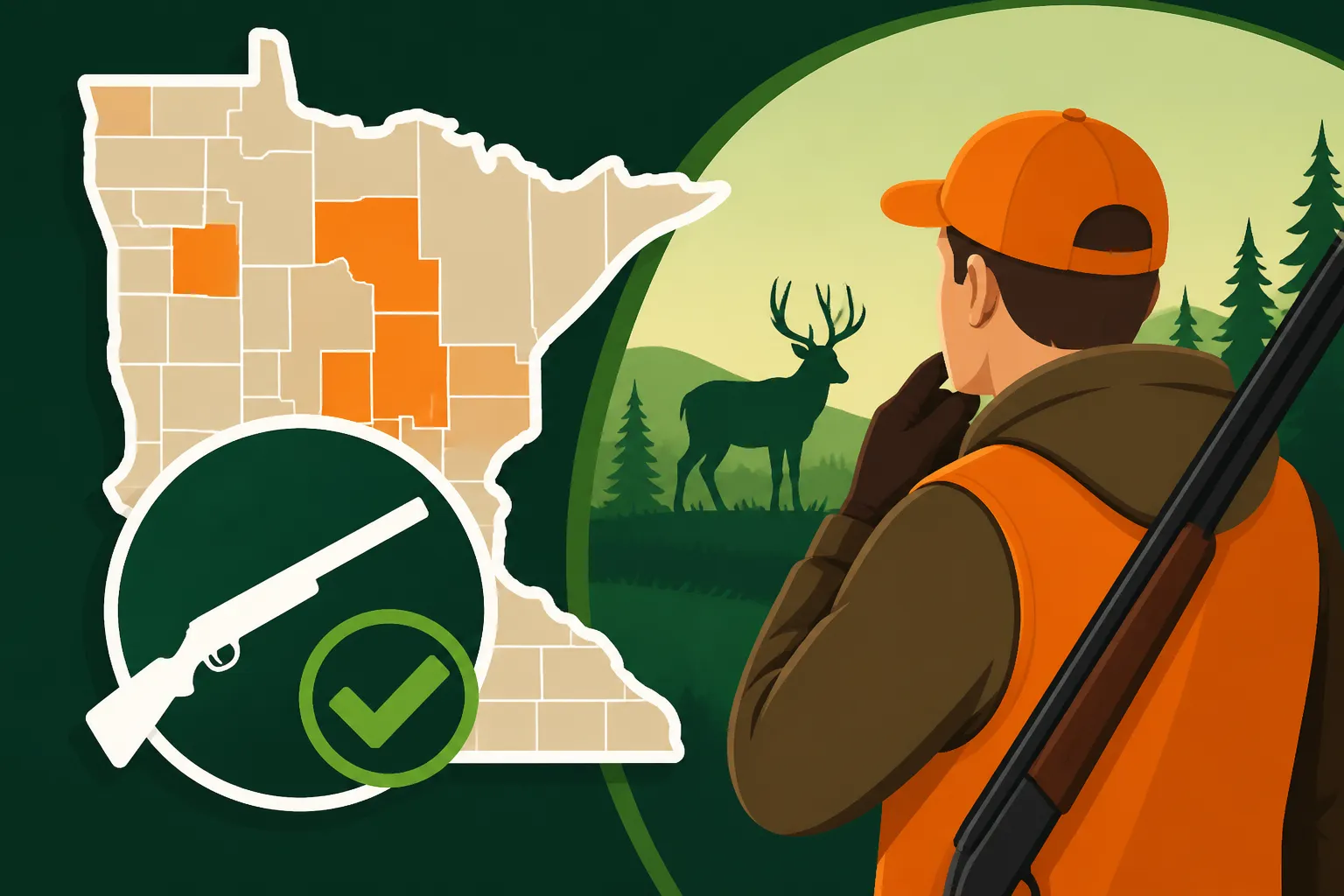
To make things a bit easier to digest, here's a quick reference for the counties that have maintained some form of shotgun-only regulation. Keep in mind that these rules can sometimes apply to only portions of a county, or be subject to changes by local ordinances, so always double-check the most current information. These are the Which Thirteen Counties Kept Shotgun-Only Rules, although the exact number can fluctuate slightly depending on how they're categorized and if any amendments occur.
| County Name | Shotgun-Only Status | Key Considerations |
|---|---|---|
| Anoka | Yes, retains | High population density, suburban/urban interface |
| Carver | Yes, retains | High population density, suburban/urban interface |
| Dakota | Yes, retains | High population density, suburban/urban interface |
| Hennepin | Yes, retains | High population density, suburban/urban interface |
| Olmsted | Yes, retains | Population density, proximity to Rochester |
| Ramsey | Yes, retains | High population density, suburban/urban interface |
| Scott | Yes, retains | High population density, suburban/urban interface |
| Washington | Yes, retains | High population density, suburban/urban interface |
| Winona | Yes, retains | Bluff country terrain, population centers |
| Wright | Yes, retains | Growing population, close to metro |
| Note: | This list is based on initial county decisions following the statewide law change. Always verify current local ordinances directly with the county or the MN DNR. |
This table provides a snapshot, but as a responsible hunter, your next step is always to verify. Just because your neighbor says it's okay, doesn't mean it's current law.
How to Verify Your County's Ordinance
Given the complexities and the potential for local variations, simply assuming your weapon is legal statewide is a risk you shouldn't take. There are several reliable ways to get the most accurate, up-to-date information regarding shotgun-only ordinances in Minnesota. Don't wait until opening morning to figure this out!
Official DNR Resources and Online Tools
Your first and most authoritative stop should always be the Minnesota Department of Natural Resources (DNR) website. The DNR is the agency responsible for enforcing hunting regulations, and their website is a treasure trove of information. Look for sections specifically detailing Minnesota Deer Seasons and Permit Areas or firearm regulations. They often have interactive maps or detailed lists that show the specific rules for each permit area and county. This is where the DNR aims to clarify the Minnesota's New Statewide Rifle Rules.
A particularly useful tool is the Using the Recreation Compass Map Tool. This online mapping application from the DNR allows you to select layers of information, including public lands, permit area boundaries, and often, specific regulations for those areas. You can zoom in on your planned hunting spot, click on it, and see the details of what's allowed. While it might not always explicitly state "shotgun-only ordinance," it will detail the firearm restrictions for that specific zone. Take your time to explore this resource; it's designed to help you stay compliant and safe.
Consulting County Government Websites and Offices
While the DNR website is excellent for statewide and permit area rules, for the most granular detail on county-specific ordinances, sometimes you need to go directly to the source: the county government itself. Many counties that opted to retain shotgun-only rules will have this information clearly posted on their official county website, often under sections related to ordinances, public safety, or sheriff's department information. A quick search for "[County Name] Minnesota hunting ordinance" or "[County Name] firearms regulations" will often lead you to the relevant documents.
If you're still unsure after checking online, don't hesitate to call the county auditor's office or the sheriff's department. These offices are responsible for local laws and enforcement and can provide definitive answers. It might feel a bit old-fashioned to pick up the phone, but in cases like this, it's often the quickest way to get clarity and peace of mind. They deal with these questions regularly, so don't feel like you're bothering them.
Utilizing Third-Party Hunting Apps
In today's digital age, many hunters rely heavily on smartphone applications to navigate public lands, scout new areas, and understand regulations. Apps like GoHunt have become invaluable tools for hunters across the country. Many of these robust platforms integrate land ownership data with regulatory overlays, allowing you to see at a glance what rules apply to a specific parcel of land. When you're trying to figure out if you can use your rifle or if you need to stick with a slug gun, an app like GoHunt can provide quick, visual confirmation of the regulations in your hunting area.
While these apps are incredibly convenient and powerful (and I certainly use them!), remember that they are third-party aggregators of data. Always use them as a strong guide, but when in doubt about a specific legal nuance like a county-level firearm restriction, back it up with a cross-reference to the official DNR site or a call to the county office. Think of it as having an excellent scout in GoHunt, but always confirming the final plan with the commanding officer. The best hunting apps, including GoHunt, often have onX Layers for Minnesota Land Status which can also provide similar regulatory insights.
Practical Implications for Hunters
Understanding and adhering to these county-specific ordinances isn't just about avoiding a ticket; it's about responsible hunting and ensuring safety for everyone. The shift in statewide regulations means that now, more than ever, you need to be dialed into the specifics of your chosen hunting grounds.
Weapon Choices and Ammunition Considerations
If you find yourself hunting in one of the counties that maintained its shotgun-only ordinance, your weapon choices are clear: stick to your slug gun, muzzleloader, or archery equipment. This means ensuring your shotgun is properly sighted in for slugs and that you've practiced with the specific ammunition you intend to use. Don't just pull it out of the closet and assume it's ready. Different slug types can pattern wildly differently. For those using muzzleloaders, remember the nuances of Muzzleloader Deer Hunting in Minnesota, especially when it comes to keeping your powder dry in inclement weather.
Conversely, if you're hunting in a county that did adopt the statewide rifle change, you now have the exciting option of using a straight-wall cartridge rifle. This could mean investing in a new firearm, or finally taking that .45-70 out of retirement. When making your choice, consider the terrain you hunt. A .350 Legend might be perfect for dense timber, while a .450 Bushmaster offers a bit more punch for longer shots in open fields, though those longer shots are often still limited in these denser areas. Regardless of your choice, spend time at the range. Rifles for the Thirteen Shotgun-Only Counties are no longer just shotguns, but if you're in one of those, you'll still be looking at slug guns.
Planning Your Hunt Across County Lines
One of the trickiest situations arises when your hunting area straddles a county line, or if you hunt in multiple counties. Imagine your favorite public land WMA (Wildlife Management Area) that sits right on the border of a shotgun-only county and a county that has embraced the straight-wall rifle change. This is where extreme vigilance is necessary. You cannot simply assume that because part of the WMA is rifle-legal, the entire area is. You must know which side of the line you are on at all times.
Before you ever step foot into the woods or fields, explicitly check the rules for every county you might hunt in, and even the specific parcel of land. Use your mapping tools extensively, such as GoHunt or the DNR's Recreation Compass, to draw clear lines and understand the boundaries. If you plan to hunt within a few miles of a county line, consider bringing the appropriate firearm for the more restrictive side to avoid any issues. It's always better to be over-prepared and compliant than to face the legal headache and ethical dilemma of being caught with the wrong weapon. Always know your location and the specific regulations for that spot, especially when dealing with nuanced rules like the Checking Your County's Shotgun-Only Ordinance.
Disclaimer
This article is intended for informational purposes only and does not constitute legal advice. Hunting regulations in Minnesota are subject to change, and local ordinances can vary. It is the responsibility of each hunter to verify and comply with all current state and local laws before hunting. Always consult the official Minnesota Department of Natural Resources (DNR) website and relevant county government resources for the most up-to-date and accurate information.