Opening Weekend Crowds in the 100 Series
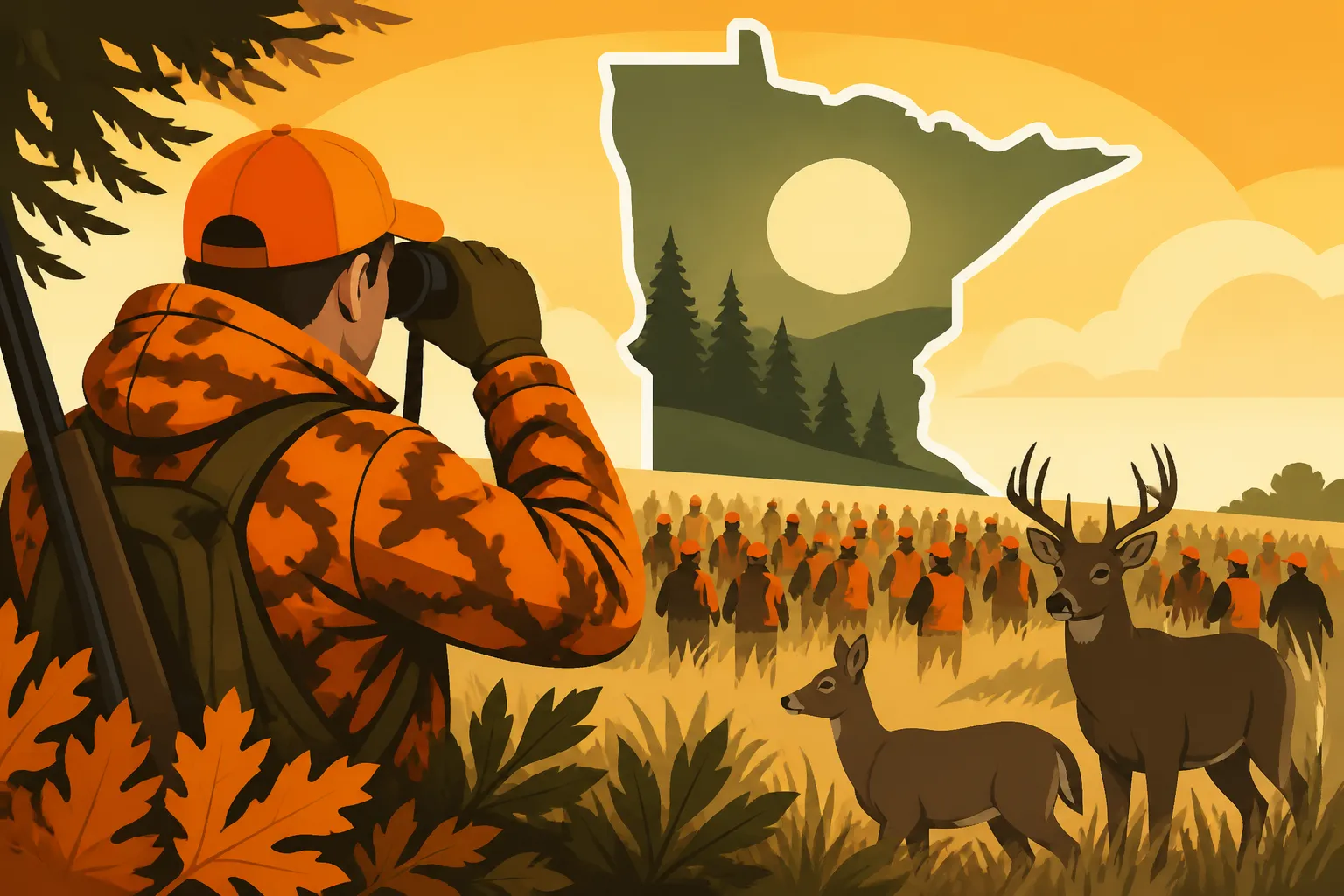
Opening weekend in Minnesota's 100 Series deer zones can feel like a madhouse, can't it? You've waited all year, scouted your spot, maybe even taken off work, only to pull up to the public land access point and see a dozen other trucks already parked, headlights already gone into the pre-dawn darkness. It's frustrating to feel like your favorite spots are overrun, and it often leaves you wondering if there's any way to find a peaceful, productive hunt. This guide is here to walk you through understanding why those crowds exist and, more importantly, how to navigate them effectively to still have a successful and enjoyable deer season opener.
The Inevitable Rush of Opening Weekend in the 100 Series
Let's be real, the 100 Series firearm zones in Minnesota are popular for a reason. They often encompass areas with decent deer populations, are generally more accessible, and are closer to many of the state's larger population centers, especially the Twin Cities metro area. This combination creates a perfect storm for heavy hunter pressure, particularly on the highly anticipated opening weekend. It's not a secret; everyone knows these areas can hold deer, and everyone wants their shot.
Why the 100 Series Draws Such a Crowd
The geographic location and historical management of the 100 Series zones play a huge role in the sheer volume of orange that descends upon them. These areas, typically comprising the central and eastern portions of the state, often blend agricultural land with significant tracts of public forest, state lands, and even some federal forestland. This mix offers a variety of habitats that appeal to deer, from secluded pockets of swamp and thickets to hardwood ridges. For many hunters living in Minneapolis, St. Paul, Rochester, or St. Cloud, the 100 Series represents the most convenient and often the only viable option for a firearm deer hunt without traveling hundreds of miles north or west. The ease of access, combined with a perception of reasonable deer numbers, makes it a go-to for many, leading to a palpable sense of competition on opening morning.
The Impact of Concentrated Hunter Pressure
When you have a high density of hunters, deer behavior shifts dramatically. What might have been a prime bedding area during pre-season scouting can become a no-man's land once the orange army moves in. Deer are smart, adaptable creatures. They quickly learn to avoid roads, well-used trails, and open woods where human activity is highest. This pressure often pushes deer into the thickest, nastiest cover available—swamps, dense young timber, or seemingly impenetrable brush. It can also make deer largely nocturnal, limiting your hunting opportunities to those twilight hours. Instead of leisurely browsing or moving between food and cover, deer become hyper-vigilant, constantly on alert, and often only move when pushed or under the cover of darkness. This reality can be disheartening, making you question your scouting efforts or even your chosen hunting spot.
Strategic Maneuvers to Sidestep the Hunter Hordes
Navigating opening weekend in the 100 Series doesn't mean you're doomed to a frustrating, deer-less hunt. It just means you need to think a little differently, push a little harder, and be willing to do what others aren't. Your success often hinges on finding those overlooked pockets of habitat or timing your hunts to avoid peak pressure.
Go Deeper, Go Further, or Go Different
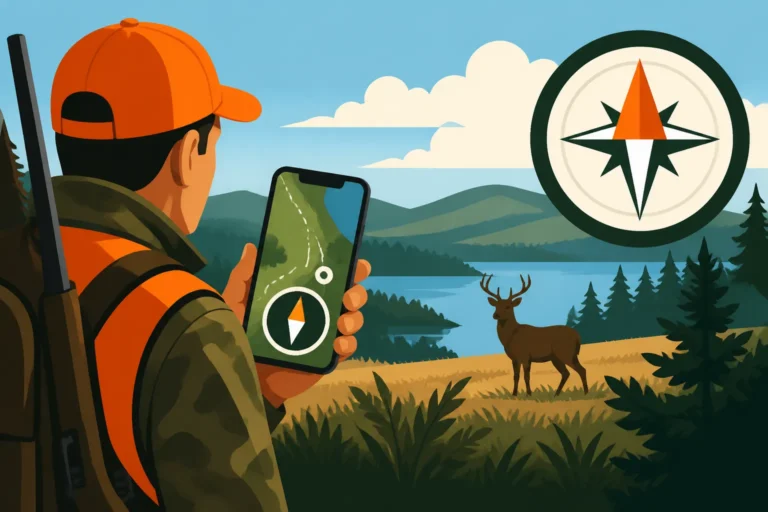
The easiest way to escape the crowds is often to simply outwork them. Most hunters, understandably, don't want to walk more than a half-mile or a mile from their truck. This creates natural "sanctuary" areas deeper within public lands. If you're willing to walk two, three, or even four miles, you'll dramatically reduce the number of hunters you encounter. Consider using tools like a topographic map or a digital mapping app like GoHunt to identify areas that are less accessible. Look for chunks of public land that are surrounded by private property with limited access points, or that require crossing water bodies.
Another option is to "go different" entirely. Instead of focusing on the popular hardwood ridges, consider areas that most hunters avoid:
- Cattail Sloughs: These can be absolute magnets for deer escaping pressure, offering thick cover and often a food source in the form of tubers or sedges. Learning to hunt the Minnesota Cattail Sloughs for Deer can pay huge dividends.
- Swamps and Bogs: Wet, mucky areas are a pain to traverse, which is exactly why deer love them. With the right footwear and a determination to get dirty, you can find unpressured deer.
- Steep, Brushy Hillsides: In the limited bluff country within the 100 series, steep terrain offers deer a refuge. Few hunters want to climb, so these areas often hold deer that have been pushed out of flatter, more accessible woods.
Timing Your Hunt Beyond Opening Morning
While opening morning has its magic, the reality of the 100 Series crowds often makes it less productive than you'd hope. One of the simplest ways to avoid the initial crush is to hunt later in the week. By Monday or Tuesday, many of the weekend warriors have gone home, and the woods quiet down considerably. Deer that have been pushed hard over the weekend will start to settle back into their routines, often seeking out quieter zones.
Here's a possible schedule to consider:
| Day of the Week | Hunter Pressure (Estimated) | Deer Movement (Post-Pressure) | Recommended Tactic |
|---|---|---|---|
| Opening Weekend | High to Very High | Displaced, Nocturnal | Deep woods, thick cover, observation |
| Monday-Tuesday | Moderate to Low | Resettling, cautious diurnal | Still-hunting, stand hunting in known sanctuaries |
| Mid-Week (W-F) | Low | More natural patterns | Standard tactics, hunt food sources |
| Second Weekend | Moderate to High | Re-pressured, similar to opener | Go deeper, hunt unique terrain, focus on funnels |
Disclaimer: These are general estimates and can vary greatly by specific location and weather conditions.
If you can't take off work, consider hunting the second weekend of the season instead of the first, or focus your efforts on mid-week evening hunts. The deer will be there, just perhaps not on the well-worn paths of opening Saturday morning. This is also why many hunters find great success when Hunting the Rut in Late October or early November, long after the initial opening weekend frenzy has passed.
Scouting Smarter, Not Just Harder
Pre-season scouting is always crucial, but it becomes even more vital when anticipating high hunter pressure. Instead of just looking for fresh rubs and scrapes (which will likely be abandoned once the pressure hits), focus on identifying escape routes, overlooked bedding areas, and dense cover that deer will retreat to. Use aerial photos to pinpoint these "safe zones" on public land. Look for natural funnels that deer would use when moving from one piece of thick cover to another. Sometimes, the best spots aren't where the deer are right now, but where they will go once the shooting starts.
A mapping app like GoHunt allows you to layer satellite imagery with topo maps, showing you the subtle changes in elevation, water features, and vegetation density that can create perfect escape cover. Spend time virtually scouting these areas, identifying potential bottlenecks or small, isolated islands of cover within larger, more open tracts. These are the places where deer will seek refuge, and often, hunters overlook them because they don't look "deer-y" on the surface. For more insights, check out our guide on Scouting Minnesota Public Land Before Season.
Adapting Your Tactics to Crowded Public Land
It’s easy to get discouraged by crowded conditions, but it's also an opportunity to refine your hunting strategy. Instead of letting the crowds dictate your hunt, use their presence to your advantage. Hunters create movement, and movement can be exploited if you know how to read it.
Hunting the "Hunters" (Understanding Deer Movement)
This might sound counterintuitive, but often, on crowded public land, you're not just hunting deer; you're hunting around other hunters. Deer learn very quickly where the pressure is coming from. If a bunch of hunters are walking through a clear-cut, the deer aren't going to stand still. They're going to move—often ahead of the noise, or to the sides, or into the nearest, densest cover. Your job is to predict these movements.
- Stand Placement: Instead of setting up in a traditional feeding area, try to position yourself along escape routes or funnel points that deer would use to flee pressure. These could be subtle creek bottoms, overgrown fence lines, thick strips of timber between open fields, or even a small depression in a seemingly flat area.
- Listening: Pay attention to distant shots or the sounds of approaching hunters. Often, you can anticipate deer being pushed your way. Don't be afraid to adjust your position slightly if you hear activity that suggests deer will be coming your direction.
- The Second Wave: Sometimes, after the initial push of hunters has gone through, deer will circle back into familiar territory once they feel safe. A patient sit in a well-placed stand can pay off later in the morning or early afternoon when many hunters have packed up for lunch.
This "hunting the hunters" mentality is about understanding cause and effect. If pressure is the cause, deer movement is the effect. Learn to read that effect.
Low-Impact Hunting Methods
In high-pressure situations, loud, obvious movements are a recipe for failure. Consider adopting low-impact hunting methods that allow you to move quietly and effectively without alerting deer or other hunters to your presence.
- Still-Hunting: This classic method involves moving incredibly slowly, taking a few steps, then pausing for several minutes to observe and listen. You're effectively stalking through the woods, trying to spot deer before they spot you. This is particularly effective in thicker cover where visibility is limited and deer are holding tight. It requires immense patience and a keen eye for detail, but it allows you to cover ground quietly and thoroughly. For more on this, check out our guide on Still-Hunting Minnesota Big Woods.
- Ground Blinds: Instead of noisy treestands that require a lot of setup, a well-brushed-in ground blind can offer excellent concealment with minimal disturbance. They're also less conspicuous to other hunters, potentially giving you a more private hunting experience. Setting up a ground blind on Minnesota Public Land near a thick bedding area or an escape route can be very effective.
Safety First: Awareness in Crowded Woods
When there are a lot of hunters in the woods, safety becomes paramount. Always assume there are other hunters nearby, even if you don't see or hear them.
- Blaze Orange: Adhere strictly to Minnesota's blaze orange requirements. Wear more than the minimum if you feel it's necessary for your safety. Make sure your hat is orange, and your outer garment is clearly visible from all directions.
- Positive Identification: Never, ever shoot at movement, sound, or color without absolute positive identification of your target. Be 110% certain it's a deer and know what's beyond it.
- Communicate: If you're hunting with a group, establish clear communication protocols. Know where everyone is, and use two-way radios if appropriate.
- Map Awareness: Regularly check your mapping app (like GoHunt) to be aware of property lines and potential hunter density around you. It helps you avoid accidental trespass and gives you a better sense of where other hunters might be.
Leveraging Modern Tools and Local Intelligence
In today's hunting world, digital mapping tools are indispensable, especially when dealing with crowded public land. Coupled with good old-fashioned local knowledge, they can give you a significant edge.
Digital Scouting with GoHunt and Other Mapping Apps
Modern hunting apps are game-changers for public land hunters. Services like GoHunt allow you to:
- Identify Public vs. Private Land: Clearly see property boundaries, preventing accidental trespass and helping you identify hidden public access points.
- Topographic Maps and Aerial Imagery: Combine contour lines with high-resolution satellite views. This is crucial for "Reading Aerial Photos for Big Woods Deer" and identifying subtle terrain features like draws, ridges, and pinch points that might go unnoticed on traditional paper maps.
- Vegetation Layers: Some apps offer specific vegetation types, helping you pinpoint dense cover, marshland, or specific timber types where deer might hide.
- Track Your Movement: GPS capabilities allow you to mark your stand locations, trail cameras, and even track your walking routes, making it easier to navigate in low light and ensure you're going deeper than other hunters.
- Scout from Home: You can spend hours pouring over maps from your couch, identifying potential spots that you can then confirm with on-the-ground scouting. This pre-season work is vital for Finding Ground Others Walk Past, giving you a tangible advantage.
Using these tools effectively can transform your understanding of public land, allowing you to find those secluded pockets that others miss.
Tapping into Local Knowledge and Resources
While digital tools are powerful, don't underestimate the value of local intelligence. Sometimes, a casual conversation can unlock insights that no map can provide.
- DNR Offices: Stop by a local Department of Natural Resources (DNR) office or talk to a conservation officer. They often have an intimate knowledge of local deer populations, public land access points, and areas that might see less pressure.
- Local Businesses: Small-town gas stations, hardware stores, or diners near public land are often gathering spots for local hunters. While they won't give away their secret spots, you can often glean general information about deer movement, local pressure, or even overlooked public land parcels.
- Game Wardens/Forestry Staff: These individuals spend a lot of time in the woods and can offer valuable advice on specific areas, including where deer are holding up due to pressure.
Remember, when you're dealing with "Opening Weekend Crowds in the 100 Series," it's not about avoiding all hunters, but about finding smarter ways to hunt within that reality. With a bit of strategic planning, thoughtful scouting, and a willingness to adapt, you can absolutely have a rewarding experience. Knowing the Minnesota Deer Seasons and Permit Areas is the first step, and then it's about drilling down into the specifics of your chosen zone.
Final Thoughts on Maximizing Your Opening Weekend Potential
The Minnesota 100 Series offers fantastic hunting opportunities, but its popularity brings its own set of challenges, especially on opening weekend. Instead of succumbing to frustration, view the crowds as a variable in the hunting equation that you can learn to solve. By understanding why hunters concentrate in these areas, and by consciously adopting strategies to go deeper, time your hunts wisely, and leverage modern mapping technology like GoHunt, you can transform a potentially crowded and overwhelming experience into a successful and memorable hunt. Embrace the challenge, enjoy the crisp fall air, and remember that patience and persistence are often the greatest tools in your deer hunting arsenal.
Disclaimer
Hunting is an inherently dangerous activity. This article provides general information and recommendations for hunting in Minnesota. Always check the most current Minnesota Department of Natural Resources (DNR) regulations, licensing requirements, and safety guidelines before heading into the field. Ensure you have the necessary skills, equipment, and physical fitness for your chosen hunting method and terrain. Always prioritize safety for yourself and others.