Filling an Antlerless Lottery Tag in Minnesota
Getting that elusive antlerless lottery tag in Minnesota can feel like winning a small jackpot, but then the real work begins: actually filling it. Many hunters find themselves with a tag in hand, yet struggle to connect, especially if they're used to only targeting bucks or hunting different zones. This guide is all about maximizing your chances and confidently putting venison in the freezer with your Minnesota antlerless lottery tag.
Understanding Your Antlerless Lottery Tag in Minnesota
First things first, let's get a handle on what this tag actually means. An antlerless lottery tag isn't just a general permission slip to shoot any doe; it comes with specific rules and restrictions that are crucial to understand before you even step foot in the woods. Misinterpreting these can lead to a ruined hunt or, worse, a violation.
The Antlerless Lottery System
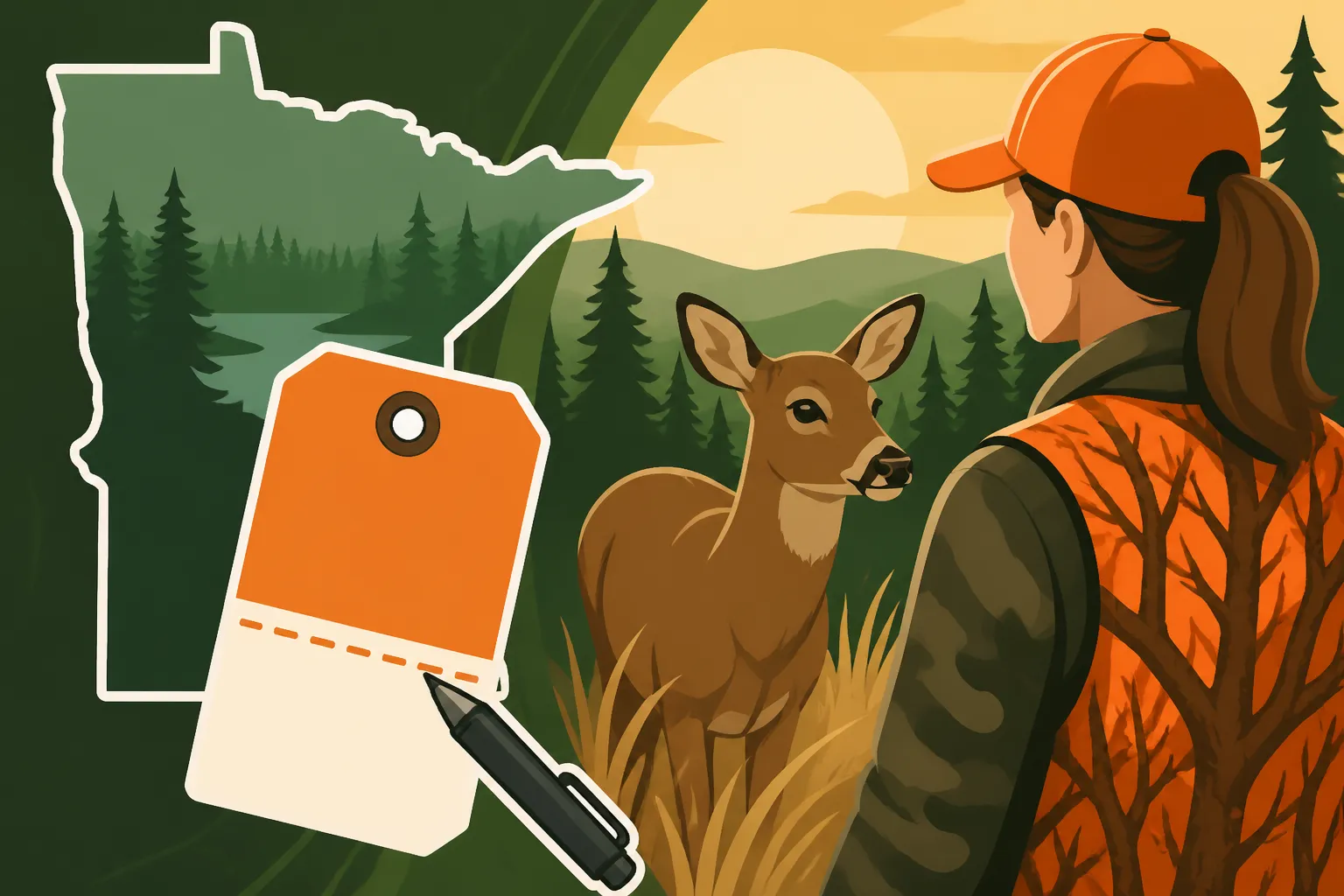
Minnesota uses an antlerless lottery system in certain Deer Permit Areas (DPAs) to manage deer populations. This is primarily in areas where the DNR wants to maintain or slightly reduce deer numbers, ensuring a healthy balance between herd size and available habitat. You apply for this lottery before the season, usually with a deadline around September 10. If you’re lucky enough to draw, you receive a special permit that allows you to harvest an antlerless deer in a specific DPA. It’s a competitive process in some areas, highlighting the importance of applying early and knowing your preferred zones. For a deeper dive, you can learn more about How the Antlerless Lottery Works.
The system is designed to provide opportunities while preventing overharvest. For instance, in areas designated as "Lottery" permit areas, hunters are generally limited to one deer, and that antlerless deer must be secured through this lottery. This is different from "Intensive" areas where hunters might be able to purchase multiple antlerless tags over the counter. Always double-check the specific rules for your chosen DPA, as they can vary year to year based on population goals and harvest success from previous seasons. Being awarded one of these tags is a privilege, and understanding its place in the broader deer management plan really helps put things into perspective.
Where Your Tag is Valid
This is where many hunters can get tripped up. An antlerless lottery tag is valid only in the specific Deer Permit Area (DPA) for which it was issued. You can't just take that tag and head to a different county or even an adjacent DPA where you usually hunt. The DPA boundaries are often clearly defined on DNR maps and hunting regulations, and it's your responsibility to know them inside and out. If your tag is for DPA 344, it's only good in DPA 344. No exceptions.
This geographical restriction means that your scouting and hunting efforts must be highly focused. It’s not uncommon for hunters to draw a tag for an unfamiliar DPA, perhaps one they didn't actively choose but got assigned due to lower demand. In such cases, your homework becomes even more critical. Utilize tools like the Minnesota DNR's Recreation Compass map or other digital mapping platforms, like the GoHunt app, to pinpoint exact boundaries. If you don't know your DPA by heart, make sure to read up on Finding Your Minnesota Deer Permit Area to avoid any confusion. Confirming the validity of your tag in your hunting location is a non-negotiable step before any hunt. It's also worth noting that non-residents can apply for some of these tags, but there are specific rules about Can Nonresidents Hunt Minnesota Antlerless Lottery Areas?.
Key Deadlines and Notifications
The process of applying for and receiving an antlerless lottery tag has its own timeline, and missing a deadline can mean missing out on your opportunity entirely. The primary application deadline for the Minnesota antlerless lottery is typically in early September, usually around the 10th. It’s absolutely critical to get your application in before this date. Mark it on your calendar, set reminders on your phone, and tell your hunting buddies to remind you. Knowing The Antlerless Lottery Deadline in Minnesota is half the battle.
Once the application period closes, the DNR conducts the draw. Hunters are usually notified of their results later in September or early October, well before the firearm deer seasons open. This notification often comes via email or can be checked directly through the DNR's eLicense system. Knowing When Lottery Winners Are Notified allows you to plan your season accordingly. If you draw a tag, you’ll want to confirm its details immediately. If you don't draw, you'll know to adjust your plans, perhaps focusing on "managed" or "intensive" permit areas where antlerless tags are more readily available, or shifting your focus entirely to bucks in a limited antlerless zone. This notification period is your cue to ramp up scouting in your specific DPA.
Scouting and Strategy for Antlerless Deer
Once you've got that precious antlerless lottery tag in hand, the real fun begins: figuring out how to actually find and harvest an antlerless deer. This often requires a slightly different approach than hunting for a trophy buck, focusing more on deer behavior and habitat patterns rather than specific rut-related movements.
Identifying Productive Habitat
Antlerless deer, particularly does and yearlings, are often found in different types of habitat compared to mature bucks. While bucks might be cruising dense cover or ridge lines during the rut, does are usually focused on food, water, and security. They'll frequent areas with reliable forage, especially during the colder parts of the season. Think about prime bedding areas near thick cover, but also consider edges where different habitat types meet, such as where a cornfield borders a woodlot or a swamp.
During the early archery season, does will often be found in agricultural fields, feeding heavily. As the season progresses and crops are harvested, they'll shift to other food sources. Later in the firearm and muzzleloader seasons, focus heavily on Late-Season Food Sources for Minnesota Whitetails like standing corn, oak ridges with leftover acorns (if it wasn't a poor acorn year), or even recently cut timber where new browse is sprouting. Dense thermal cover, like stands of conifers or thick cattail sloughs, will also hold does looking for warmth and protection from the elements, particularly when the wind picks up or snow starts to fall. Utilizing modern mapping tools, like the GoHunt app, can help identify these habitat types and potential travel corridors between them. Look for areas where multiple features converge – a water source, dense bedding cover, and a food source – as these are often hot spots for does.
Timing Your Hunts for Success
The time of day and year you hunt can significantly impact your success with an antlerless tag. Early morning and late afternoon, right at legal shooting hours, are almost always the most productive times. Deer are most active during these low-light periods, moving from bedding to feeding areas or vice versa. This is especially true in areas with higher hunting pressure where deer become more nocturnal during daylight hours.
Considering the time of year, early season (archery) can be great for does that are still in relatively predictable summer patterns, often around food sources. As the firearm season progresses, deer become warier. If you have a tag for the later seasons, like the Muzzleloader season in December, cold weather and snow can actually work in your favor. Deer become more reliant on specific, high-calorie food sources and are often forced to move more to feed. A bitter cold snap can encourage deer to move mid-day, seeking nourishment. On the flip side, extremely warm weather, especially during the early firearm season, can make deer less active during the day, so you'll need to adjust your approach. Overcast days, light rain, or even a light snowfall can also mask your sounds and movements, giving you an edge.
Low-Impact Hunting Tactics
When targeting antlerless deer, especially in areas that might see a lot of pressure, a low-impact approach is often the most effective. This means minimizing your disturbance in the woods. Long before the season, use scouting apps like GoHunt to identify potential stand locations or still-hunting routes. When you go into the woods, try to move quietly and efficiently, using natural cover to conceal your approach. This is particularly important on public land, where deer are constantly being pushed and educated by other hunters. Understanding Hunting Pressure on Minnesota Public Land can help you adapt.
If you're stand hunting, set up quietly and arrive early enough that deer haven't started moving yet. Consider your entry and exit routes carefully to avoid spooking deer from their bedding areas. For still-hunting, move slowly against the wind, pausing frequently to scan ahead with your binoculars. Pay attention to subtle cues like flicking ears, dark shapes, or horizontal lines in a vertical forest. The goal is to blend in and be as invisible as possible. Does are often more herd-oriented and can be quite skittish, so a cautious, patient approach will pay dividends. This also applies to managing scent, as does are just as sensitive to human odor as bucks are.
Practical Hunting Methods for Antlerless Deer
Now that we've covered the understanding of your tag and some crucial scouting, let's talk about the boots-on-the-ground methods you can employ to fill that antlerless lottery tag. These tactics are proven effective for harvesting deer, with some slight adjustments for targeting does specifically.
Still-Hunting and Stand Hunting
Both still-hunting and stand hunting are incredibly effective methods for filling an antlerless tag, depending on the terrain, habitat, and how much pressure the area receives.
Still-Hunting: This method involves slowly and deliberately moving through the woods, stopping frequently to observe. It's particularly well-suited for areas with varied terrain, moderate cover, and where deer might be spread out. Think about those big timber tracts in northern Minnesota or the rolling hills of bluff country. When still-hunting for does, focus on areas with good browse and dense cover where a group of deer might be feeding or bedding. Walk into the wind or a crosswind, taking only a few steps at a time before stopping for several minutes to scan. Use your binoculars to pick apart every shadow and branch. Does are often in groups, so if you see one, chances are there are more nearby. This method really shines in places where setting a permanent stand is difficult or prohibited, or if you prefer a more active approach. For tips on navigating these areas, check out Still-Hunting Minnesota Big Woods.
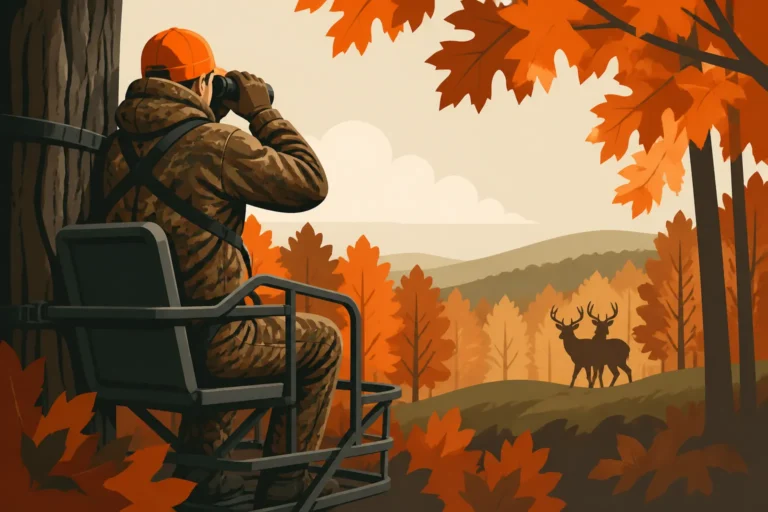
Stand Hunting: This is arguably the most common method, involving waiting patiently in an elevated position (treestand) or concealed on the ground (ground blind). Treestand hunting is excellent for gaining a vantage point, allowing you to see deer approaching from a distance and helping to carry your scent up and away. When setting up for antlerless deer, focus your stands along heavily used trails leading to food sources, near water, or overlooking bedding areas. Consider setting up on the downwind side of travel corridors. A good strategy is to place your stand near a reliable food source like a standing cornfield edge or an oak flat during the fall. Ground blinds offer excellent concealment and warmth, especially crucial during late-season hunts in cold Minnesota weather. They are perfect for field edges or thick cover. No matter your choice, ensure you have a safe setup and a clear shot lane. Consider reading about Treestand Setups in Minnesota Hardwoods or Using a Ground Blind on Minnesota Public Land for detailed setup tips.
| Hunting Method | Best for | Pros | Cons |
|---|---|---|---|
| Still-Hunting | Active deer, varied terrain, spread-out deer | Covers more ground, adaptable, active | Requires stealth, difficult in dense brush, can spook deer |
| Stand Hunting | Predictable deer movement, concentrated food sources | Elevated view, scent control, less physical | Can be monotonous, limited range, requires pre-scouting |
| Small Deer Drives | Dense cover, known bedding areas, multiple hunters | Effective at pushing deer, good for hard-to-reach spots | Requires cooperation, can push deer off property, less selective |
Small-Scale Deer Drives
When dealing with a stubborn antlerless tag, especially in areas with thick cover or known bedding pockets, a small-scale deer drive can be highly effective. This isn't about running deer like a madman; it's a strategic, controlled push designed to gently move deer from cover towards waiting standers. This method works best with a small group of hunters – typically three to five people. If you're looking for pointers, exploring Deer Drives With Three or Four Hunters can be very helpful.
The key to a successful small drive for does is intelligent planning and communication. Identify a patch of cover where deer are likely bedding, such as a thick popple cut, a brushy swamp, or a dense stand of pines. Position your "standers" silently and strategically at the downwind exit points or along known escape routes. The "drivers" then slowly and quietly walk through the cover, making just enough noise to encourage deer to move. The goal is not to sprint or yell, but to nudge the deer along. Antlerless deer often travel in groups, so a single drive can sometimes push multiple does. This tactic is particularly useful on public land where deer often seek refuge in overlooked pockets of thick cover. Remember, safety is paramount, so always know where every hunter is positioned and communicate clearly.
Post-Harvest Considerations
Congratulations, you've filled your antlerless lottery tag! But the hunt isn't truly over until the venison is in the freezer and the deer is properly registered. Immediately after the shot, take a moment to confirm the deer is indeed antlerless. Once confirmed, begin the field dressing process promptly, especially if temperatures are mild. Learning how to properly Field Dressing a Deer in Cold Weather is a skill every Minnesota hunter should master, as cold weather can be a friend to meat care but also bring its own challenges.
After field dressing, you'll need to transport your deer. Depending on how far you are from a road, this could involve dragging, using a deer cart, or even a sled if there's snow. Once the deer is out, the next critical step is registration. Minnesota requires all harvested deer to be registered. This can usually be done online or via phone within 48 hours of harvest and before processing the deer or leaving the state. Make sure you understand Registering a Minnesota Deer Online thoroughly. This data is vital for the DNR's population management efforts, helping them determine future permit area designations and tag allocations. Properly registering your deer ensures that your successful hunt contributes positively to Minnesota's overall deer management goals.
Disclaimer
Please note that hunting regulations, seasons, and permit area rules can change. Always consult the official Minnesota Department of Natural Resources (DNR) hunting regulations annually before heading afield. This guide provides general information and should not be considered a substitute for the official DNR regulations.