How Many Coyotes Minnesota Has
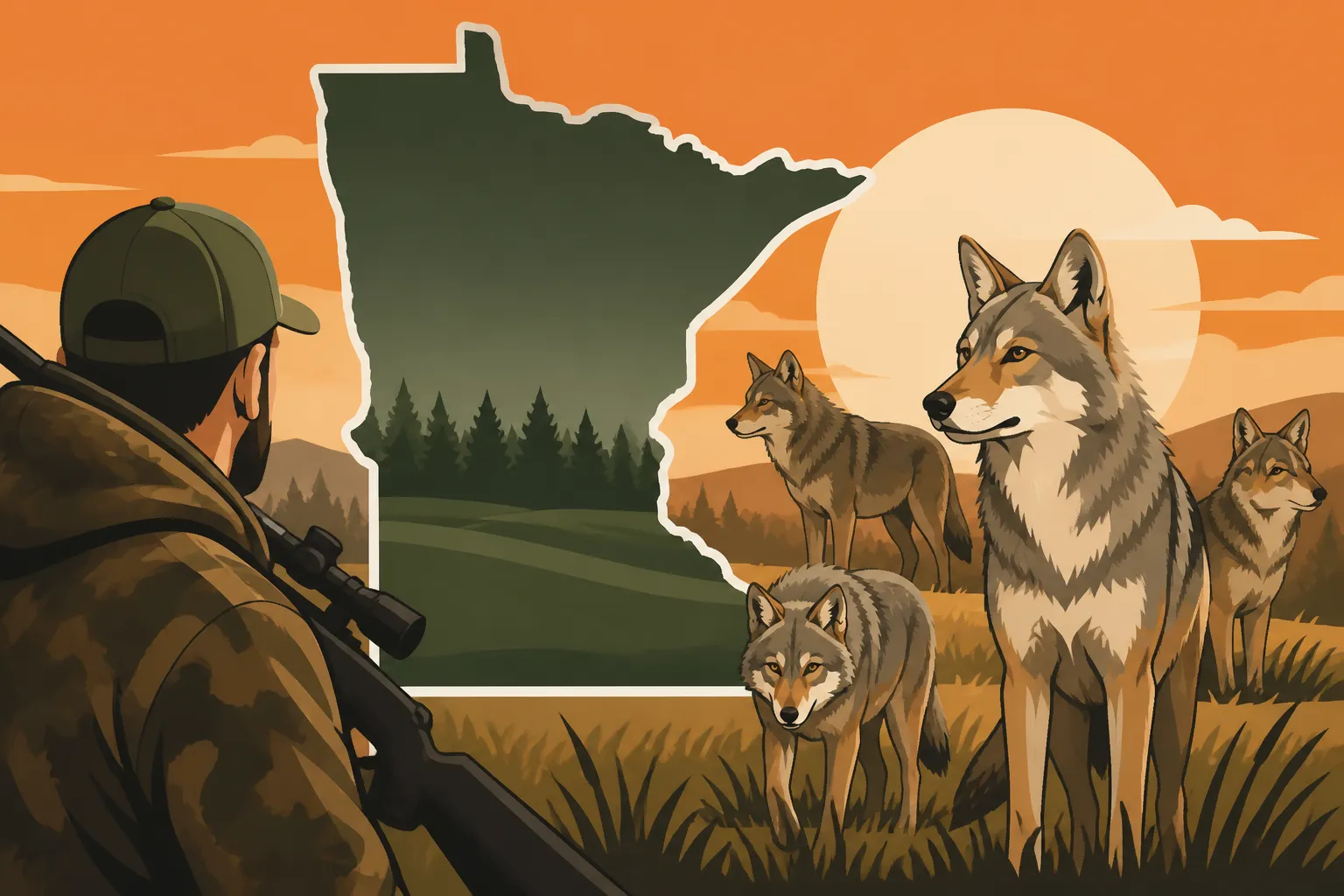
It’s a question every deer hunter, small game enthusiast, and livestock owner in Minnesota has pondered: just how many coyotes are out there? While it's nearly impossible to put an exact, static number on such a resilient and adaptable animal that ranges across our diverse landscapes, understanding their presence is crucial for anyone engaging with Minnesota's outdoors. This guide dives deep into the factors influencing coyote populations in our state, helping you grasp their distribution, behavior, and what their numbers mean for you and the game you pursue.
Understanding Coyote Presence in Minnesota
Coyotes, those wily canids of the North American landscape, have carved out a significant niche in Minnesota. They’re survivors, adapting to everything from the deep Northwoods to the sprawling farm fields and even the edges of our more populated areas. But unlike deer, which have annual harvest reports and population models, trying to count every coyote is a whole different ballgame.
The Elusive Nature of Coyote Population Counts
If you've ever tried to count how many rabbits are in your backyard, you know it's a moving target. Now imagine that on a statewide scale with an animal as secretive and nomadic as a coyote. The truth is, a definitive, real-time census of Minnesota's coyote population simply doesn't exist in the way we might count human residents or even deer. Coyotes are incredibly elusive, intelligent, and their populations fluctuate quite dramatically based on a myriad of environmental factors, prey availability, and human interaction. They don't stand still for a headcount, making precise figures a statistical enigma.
What we can discuss, however, are trends and estimates. Wildlife biologists often use indirect methods like track counts, scat analysis, den observations, and localized trapping surveys to estimate populations or, more commonly, population densities in specific study areas. This gives them a snapshot, but it's far from a grand total. What we generally know is that coyotes are widespread, and while their numbers may ebb and flow, they are a consistent presence across virtually all of Minnesota. If you're out hunting or even just enjoying a hike, you're almost certainly within range of a coyote's territory, whether you see or hear them or not.
Coyote Range and Distribution Across the State
Minnesota offers a fantastic example of coyote adaptability, as they occupy nearly every corner of the state, from the Canadian border down to Iowa. Their distribution isn't uniform, though, and you'll find different densities and behaviors depending on the region. In the expansive forests of northern Minnesota, coyotes are definitely present, but they often compete with timber wolves, which tend to be the dominant canid. Here, coyotes might be a bit more scattered or focus on smaller prey items, avoiding direct confrontations with larger wolf packs. Hunters in these areas might run into them while pursuing grouse or deer, but perhaps less frequently than in other parts of the state.
As you move into the central and southern agricultural zones, especially the vast farm fields and interspersed woodlots, coyote numbers often appear to increase significantly. This is prime coyote habitat, offering a smorgasbord of food sources like rodents, rabbits, and even deer fawns. Farm country also offers plenty of cover in brushy draws, CRP fields, and corn stubble. It’s in these areas that you hear them howling at night most frequently, their calls echoing across the fields. The bluff country of southeastern Minnesota also holds a robust coyote population, with the broken terrain providing excellent denning sites and ample opportunities to stalk prey. Coyote Calling in Minnesota Farm Country is a popular tactic here.
Here's a general overview of coyote presence by region:
| Region of Minnesota | Perceived Coyote Density | Primary Habitat Types | Notable Prey Sources | Hunter Encounters |
|---|---|---|---|---|
| Northern Forests | Moderate | Coniferous and mixed forests, swamps | Hares, rodents, deer fawns, ruffed grouse | Less frequent, but present. |
| Central Farm/Transition | High | Agricultural fields, woodlots, brushy draws | Rodents, rabbits, deer fawns, small birds | Frequent, often vocal at night. |
| Southwest Prairies | High | Grasslands, CRP fields, shelterbelts, wetlands | Rodents, pheasants, rabbits, deer fawns | Frequent, open country makes spotting easier. |
| Southeast Bluff Country | High | Hardwood forests, steep bluffs, agricultural valleys | Deer fawns, rodents, wild turkeys, rabbits | Frequent, tough terrain for pursuit. |
| Metro Edges | Moderate | Suburban fringes, green spaces, river corridors | Rodents, rabbits, domestic animals (rare) | Increasingly common, often unseen. |
As you can see, coyotes truly are everywhere. Understanding this distribution helps hunters and landowners tailor their approach, whether it's setting traps for Trapping Minnesota Furbearers or heading out for Coyote Calling in a Minnesota Winter.
Factors Influencing Minnesota's Coyote Numbers
Coyotes are incredibly resilient, but their populations aren't static. Several key factors constantly work to shape how many coyotes are out there at any given time, making the notion of a fixed count truly impossible. It’s a complex ecological dance involving food, shelter, disease, and, of course, us.
Habitat Availability and Prey Base
One of the biggest drivers of any predator population is its food supply and the quality of its habitat. Coyotes thrive where there's an abundance of small game, particularly rodents like voles and mice, and rabbits. These animals form the bulk of their diet. If a particular year sees a boom in the rabbit population, you can bet that the local coyotes will have larger litters and higher survival rates for their pups. Conversely, a severe winter that decimates small game populations can lead to a decline in coyote numbers in that area a year or two later.
Minnesota's diverse landscape offers varying buffet lines for coyotes. In agricultural areas, vast fields of corn and soybeans provide excellent cover and food for rodents, creating a rich hunting ground for coyotes. The presence of deer, particularly vulnerable fawns in the spring, also provides a significant food source. While adult deer are usually too large for a single coyote, fawns are easy targets, especially during their first few weeks of life. This relationship can often make hunters feel like coyotes are impacting deer populations, leading to increased interest in predator control. Tools like GoHunt's mapping features can help identify areas with dense cover and water sources that might hold both prey and predators.
Beyond food, suitable denning and resting cover are essential. Brushy draws, thickets, abandoned farm buildings, and even old culverts can serve as excellent den sites, offering protection for pups. As agricultural practices change or suburban development expands, these prime habitat areas can be altered, sometimes pushing coyotes into new territories or concentrating them in remaining pockets of cover. Understanding these habitat nuances is key to grasping why coyote numbers can seem high in one spot and relatively low just a few miles down the road.
The Role of Human Influence and Hunting Pressure
Humans, whether intentionally or unintentionally, play a substantial role in shaping coyote populations. Unlike some other large carnivores, coyotes are classified as unprotected wild animals in Minnesota, meaning there are no closed seasons or bag limits for hunting or trapping them. This means that hunters and trappers can pursue them year-round, which naturally exerts some pressure on their numbers. Some hunters actively target coyotes, particularly those looking to reduce predator numbers for deer or turkey, or simply for the sport of Coyote Calling in Minnesota Farm Country. Others might take a coyote opportunistically while pursuing other game.
However, the effectiveness of hunting and trapping in significantly reducing statewide coyote populations is a topic of ongoing discussion. Coyotes are known for their compensatory reproduction; when their numbers are reduced, the remaining females tend to have larger litters, and more pups survive. This incredible ability to rebound means that maintaining a truly low coyote population over a wide area requires sustained, intensive effort, which is rarely achieved on a large scale. While localized hunting pressure can temporarily thin out coyotes in a specific area, especially if combined with careful scouting using resources like GoHunt to understand animal movements, it's generally not enough to significantly impact the overall state population trend.
Furthermore, human activities like road construction, logging, and even agricultural practices can inadvertently create new habitats or reduce existing ones, indirectly influencing coyote distribution and abundance. As we continue to modify the landscape, coyotes, with their inherent adaptability, will continue to adjust and thrive wherever opportunities arise. For those interested in pursuing them, understanding Night Hunting Rules for Minnesota Coyotes can open up more opportunities when they are most active.
Environmental Conditions and Disease
Nature has its own ways of keeping populations in check, and coyotes are no exception. Environmental conditions, particularly severe winters, can take a toll on coyote numbers. Deep snow can make hunting difficult, leading to starvation, especially for young or old animals. Prolonged periods of extreme cold can also stress their systems, making them more susceptible to disease. On the flip side, mild winters can lead to higher survival rates for pups and easier hunting conditions for the adults, contributing to population growth.
Diseases also play a significant, albeit often unseen, role. Mange, caused by parasitic mites, is a common affliction among coyotes and can lead to severe hair loss, discomfort, and ultimately death from exposure or secondary infections. Rabies, canine distemper, and parvovirus are other diseases that can spread through coyote populations, particularly when densities are high. A localized outbreak of one of these diseases can significantly reduce numbers in an area before the population slowly recovers. This natural regulation is part of the complex ecosystem that Minnesota Wildlife Disease Monitoring programs track for various species.
Interestingly, coyotes and foxes often compete for similar resources, and disease can sometimes tip the scales. If a disease primarily affects foxes, coyotes might see a temporary advantage due to reduced competition. The opposite can also be true. For hunters and trappers, encountering a mangy coyote isn't uncommon, and it's a stark reminder of these natural population controls. Mange in Minnesota Coyotes and Foxes is something many seasoned hunters have observed first-hand.
Coyote Trends and Hunter Insights
Given that exact coyote numbers are elusive, what's a hunter or outdoor enthusiast to do? The best approach is to pay attention to trends and to leverage the collective knowledge of those who spend significant time in the field. This includes observing local conditions, tracking reports, and using modern scouting tools.
Identifying High-Density Areas for Hunters
For hunters specifically targeting coyotes, or those interested in understanding their presence relative to other game animals, identifying high-density areas is crucial. Generally speaking, the transition zones between dense timber and open fields, or areas with a patchwork of agriculture, woodlots, and thick cover, tend to hold higher coyote numbers. Think about those areas where deer and rabbits thrive – coyotes are usually not far behind. River bottoms and creek drainages, especially those with dense riparian vegetation, offer excellent travel corridors and denning sites. These spots also provide consistent water sources, which are essential for coyotes.
Using aerial maps, whether through online tools or a dedicated hunting app like GoHunt, is invaluable for this kind of scouting. Look for areas with diverse habitat: where a standing cornfield meets a cattail slough, or where a dense pine plantation borders a mature oak stand. Old farmsteads, neglected pastures, and even suburban greenbelts can surprisingly hold significant numbers of coyotes due to the abundant prey and relatively low human pressure within those specific pockets. Don't overlook public lands that are less frequently hunted by deer hunters; these often become refuges for coyotes who learn to avoid human activity. Understanding Hunting Pressure on Minnesota Public Land can help you find less-disturbed areas.
Talking to local landowners, farmers, and fellow hunters can also provide incredible insight. They spend countless hours observing wildlife and often have a strong sense of where coyotes are abundant and where they are less common. Combining this local knowledge with your own scouting and mapping efforts will give you the best picture of coyote distribution in your specific hunting area.
How Hunters Perceive Coyote Populations
Ask any group of Minnesota hunters about coyotes, and you'll get a wide range of opinions and observations. For many, the perception of coyote numbers often hinges on their personal experiences. If a hunter regularly hears coyotes howling at night, sees tracks in the snow, or has had a deer stand disturbed by one, they might conclude that coyotes are "everywhere" and their numbers are booming. Conversely, a hunter who rarely encounters them might believe their populations are stable or even low.
This perception is also heavily influenced by where and how a person hunts. A hunter focusing on Still-Hunting Minnesota Big Woods might see fewer coyotes than someone hunting pheasant cover in southwest Minnesota, simply due to the differences in habitat and target species. There’s also the element of confirmation bias: if a hunter is concerned about coyote predation on deer, they might be more likely to notice every coyote track or sighting, amplifying their perception of high numbers.
Ultimately, while individual observations are valuable, they represent localized snapshots rather than a statewide reality. What’s clear is that coyotes are a vital, natural part of Minnesota’s ecosystem. They are adaptable predators that help keep prey populations in check, and they provide a challenging and rewarding pursuit for predator hunters throughout the state. Understanding their habits, their range, and the factors that influence their numbers is more important than knowing a precise, fleeting count. After all, the actual number is less significant than recognizing their widespread presence and ecological role. For general information, remembering that coyotes are one of the Wolves and Predators in Minnesota that are part of the food chain is important.
Disclaimer
This article is for general informational purposes only and does not constitute professional advice. Laws, prices and regulations vary by location and change over time. Consult a qualified professional for guidance on your specific situation.