Mange in Minnesota Coyotes and Foxes
It's never a pleasant sight when you're out in the woods or even just driving down a rural road and you spot a coyote or fox looking… well, rough. We're talking about patchy fur, dull eyes, and skin that looks irritated and unhealthy. For many of us who spend time observing Minnesota's wildlife, seeing an animal afflicted with mange raises immediate concerns about its health, the health of the broader population, and even our own pets. This guide is here to break down what mange is, why it's so common in our furbearers, what it means for hunters and wildlife, and what you can do if you encounter an affected animal.
Understanding Sarcoptic Mange in Wild Canids
When we talk about "mange" in coyotes and foxes here in Minnesota, we're almost always referring to sarcoptic mange, sometimes called Sarcoptes scabiei. This isn't just some general skin condition; it's caused by a microscopic mite that burrows into the skin, leading to intense itching, skin irritation, and eventually hair loss. It’s a miserable existence for any animal, and it's particularly common among our wild canids.
The Life Cycle of the Sarcoptes Mite
Imagine a tiny, tiny bug, almost invisible to the naked eye, deciding to make its home in the skin of a coyote or a fox. That’s essentially what a Sarcoptes mite does. These mites dig tunnels in the upper layer of the skin, where they live, feed, and lay their eggs. The intense itching, or pruritus, that an infected animal experiences isn't just from the mites burrowing; it's an allergic reaction to the mites' presence, their saliva, and their waste products.
The eggs hatch into larvae, which mature into nymphs, and then finally into adult mites, all within the host's skin. This entire cycle can take a couple of weeks, and the mites can live for several weeks on the host. The problem really escalates because as the animal scratches to relieve the unbearable itch, it damages its skin, leading to secondary bacterial infections. This makes the animal even more uncomfortable and susceptible to other issues. It's a vicious cycle that quickly degrades the animal's health and appearance.
Visible Symptoms and Disease Progression
The progression of mange in a coyote or fox is pretty unmistakable once it really takes hold. Initially, you might just notice some slight hair loss, maybe around the eyes or on the muzzle, and perhaps excessive scratching. But it escalates quickly.
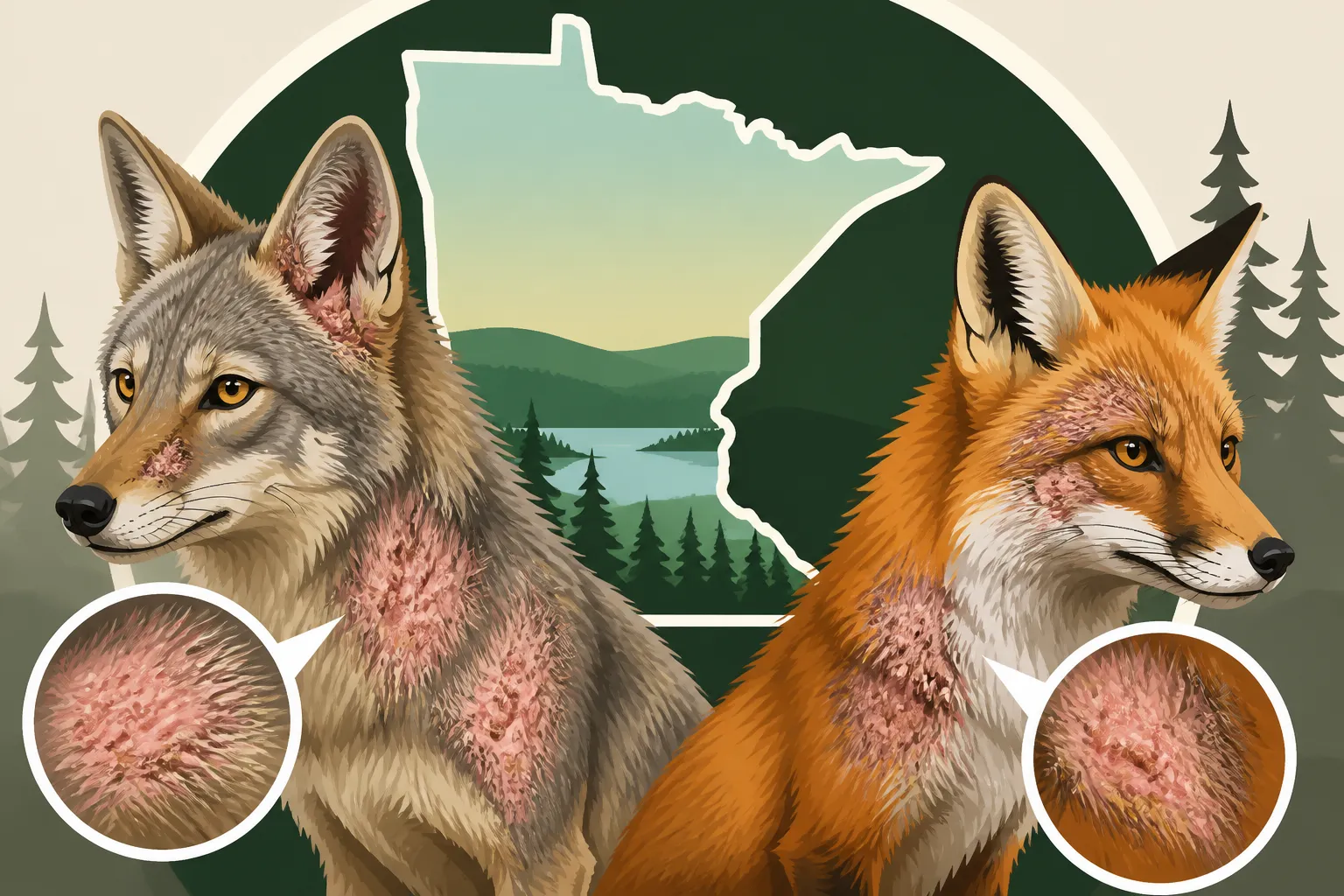
As the mites multiply and the scratching intensifies, you'll start seeing larger patches of hair loss. The skin underneath becomes thickened, crusty, and inflamed. It often takes on a grayish or reddish hue. Areas typically affected first are the face, ears, legs, and belly, but eventually, it can spread over the entire body. A severely mangy animal will look emaciated, its ribs and backbone often visible, partly because the constant itching and discomfort make it difficult to hunt or forage effectively, and partly because its body is working overtime fighting the infection. They might also appear lethargic, moving slowly, and showing little fear of humans, which is a worrying sign of how far gone they are. Sometimes, you might even mistake their gaunt appearance for starvation alone, but the tell-tale hair loss and crusty skin are key indicators of mange.
How Mange Spreads and Its Impact on Wildlife Populations
Mange isn't just a localized problem for an individual animal; it’s highly contagious and can sweep through local populations of coyotes and foxes, leading to noticeable changes in their numbers and behavior. Understanding its transmission and wider effects helps us appreciate the challenge it poses for wildlife management.
Transmission Between Animals
Sarcoptic mange mites are most commonly spread through direct contact between infected and uninfected animals. This means if a healthy fox rubs up against a mangy fox, the mites can easily transfer. This is why it's so prevalent in species like coyotes and foxes, which often interact within family groups, share dens, and sometimes even compete or fight, creating ample opportunities for transmission.
Indirect transmission is also possible, though less common. If a mangy animal scratches itself and leaves mites on bedding, in a den, or on a scent post, a healthy animal could pick them up from the environment. However, these mites don't survive long off a host, typically only a few days, especially in colder or drier conditions. So, while a shared den might be a hotbed for transmission, an open field is less likely to facilitate it. This means areas of high animal density or shared resources can become hotspots for outbreaks. For hunters Scouting Minnesota Public Land Before Season it's important to keep an eye out for these signs.
Population Fluctuations and Survival Rates
A severe outbreak of mange can have a significant impact on local coyote and fox populations. The disease itself doesn't just cause discomfort; it can be fatal. Animals weakened by mange are more vulnerable to other threats. Their compromised immune system makes them susceptible to other illnesses, and their emaciated state and poor coat insulation make them highly vulnerable to harsh Minnesota winters. A mangy coyote or fox has a much harder time finding food, escaping predators, or enduring extreme cold.
This can lead to noticeable dips in local populations. If you've been calling coyotes in an area for years and suddenly notice fewer responses or a decline in sightings, a mange outbreak could be one contributing factor. It's a natural form of population control in many ways, but it can be tough to witness. While the overall populations of Coyotes and Bobcats in Minnesota are generally resilient, localized impacts from severe mange can certainly be felt by hunters and trappers. It’s one of those tough realities of the wild that can be hard to stomach but is part of the ecosystem's ebb and flow.
The Hunter's Role and Concerns for Domestic Animals
As hunters, we're often the ones spending the most time observing wildlife up close, which means we're also likely to be the first to spot sick or struggling animals. When it comes to mange, our observations are valuable, and our actions can help prevent its spread to our own beloved hunting companions.
Reporting Sightings to Wildlife Authorities
Seeing a mangy animal can be upsetting, and many of us instinctively want to help. However, it's crucial to remember that treating wild animals for mange is generally not feasible or recommended for individuals. The best course of action is to report your sighting to the Minnesota Department of Natural Resources (DNR).
When you report, be ready to provide as much detail as possible: the exact location (GPS coordinates are ideal), the date and time of the sighting, the species (coyote or fox), and a description of the animal's condition and behavior. Photos or videos can be incredibly helpful if you can safely obtain them. The DNR monitors wildlife diseases, including mange, as part of their Minnesota Wildlife Disease Monitoring efforts. While they typically don't intervene for individual animals unless there's a significant public safety risk or a severe population impact, your report contributes to their understanding of disease prevalence and distribution. This data is vital for wildlife managers to track trends and assess the overall health of our furbearer populations. Tools like those found on GoHunt's mapping system can help you pinpoint exact locations for accurate reporting.
Protecting Your Hunting Dogs from Mange
This is where the concern often hits closest to home for many of us. If you hunt with dogs—whether it's running hounds for Bear Hunting With Bait and Hounds in Minnesota or flushing birds in pheasant country—the thought of them contracting mange from a wild animal is a real worry. Sarcoptic mange, while species-specific in its preferred host, can be transmitted from wild canids to domestic dogs.
The good news is that preventing it is largely manageable. The primary method of transmission is direct contact. So, if your dog encounters a mangy coyote or fox, the risk exists. Here are some preventative measures you should absolutely consider:
- Avoid Contact: If you spot a mangy animal, keep your dog away from it. This seems obvious, but in the heat of a chase or a flush, it's something to actively remember.
- Prevent Scavenging: Don't let your dog sniff or roll in carcasses or areas where mangy animals have been seen. Mites can persist for a short time off the host.
- Regular Vet Care & Parasite Control: Many modern flea and tick preventatives also offer protection against Sarcoptes mites. Talk to your veterinarian about a comprehensive parasite control plan that includes coverage for mange mites. This is your best line of defense.
- Post-Hunt Inspection: After hunts, especially in areas where you've seen mangy furbearers, thoroughly inspect your dog's skin and coat for any signs of irritation, redness, or excessive scratching. Early detection is key to easier treatment.
- Cleanliness: Regularly clean and disinfect your dog's bedding, crates, and kennels. While mites don't live long off a host, good hygiene never hurts.
A small investment in preventative care and vigilance can save you and your dog a lot of heartache and vet bills down the line.
Living with Mange: Realities and Misconceptions
Mange is a natural part of the wildlife ecosystem, and while it's tough to see animals suffer, understanding its role and dispelling common myths can help us approach the issue with a more realistic perspective.
The Natural Role of Disease in Wildlife
In the wild, diseases like mange play a complex role. While it can be devastating to individual animals and even local populations, it's also a natural mechanism that helps regulate animal numbers. When populations become too dense, disease can spread more easily, helping to reduce numbers to a level that the environment can sustain. This might sound harsh, but it's part of the tough reality of predator-prey dynamics and resource availability.
A strong, healthy population often has a lower prevalence of severe mange, as healthier animals are more resilient to infection or can fight it off more effectively. The animals most severely impacted by mange are often those already weakened by other factors like starvation, old age, or injury. So, in a way, it’s a natural culling mechanism that can contribute to the overall fitness of the species over the long term. This isn't to say it's not sad to witness, but it is an ecological truth. When considering Minnesota's Black Bear Population or other large game, managers also deal with similar challenges related to disease and population health.
Mange vs. Other Wildlife Ailments
Sometimes, hunters or wildlife enthusiasts might see an animal that looks sick and immediately assume it's mange. However, there are other conditions that can cause similar symptoms or just make an animal look generally unwell. It's important to distinguish them if possible, even if the general recommendation is still to report any sick animal to the DNR.
For instance, malnutrition can cause a dull, sparse coat and an emaciated appearance, but typically without the severe crusting and skin lesions characteristic of mange. Other parasitic infestations, like heavy flea or tick loads, can cause itching and some hair loss, but rarely to the extreme degree of sarcoptic mange. Some animals might also suffer from injuries, internal diseases, or even neurological conditions that alter their appearance or behavior. For example, rabies, though rare, can cause disorientation and unusual aggression or tameness, which might lead to an animal showing little fear of humans—a behavior also sometimes seen in severely mangy animals.
The key takeaway is that if an animal looks sick or behaves unusually, it's worth noting and reporting. Don't try to diagnose or intervene yourself. Just observe from a safe distance, document what you see, and relay that information to the appropriate authorities. Whether you're tracking a deer in Reading Aerial Photos for Big Woods Deer or calling for Coyote Calling in a Minnesota Winter, an unexpected encounter with a sick animal is always possible, and knowing how to react responsibly is part of being a good steward of our wildlife resources.
| Characteristic | Healthy Coyote/Fox | Mangy Coyote/Fox |
|---|---|---|
| Coat Appearance | Thick, dense, glossy fur, appropriate color | Patchy, sparse, or missing fur; often crusty, flaky skin underneath |
| Skin Condition | Smooth, pliable, healthy pink/grey | Thickened, wrinkled, red, scabby, or grayish; lesions and secondary infections often present |
| Behavior | Alert, cautious of humans, active, good body condition | Lethargic, often seen during daylight, less fearful of humans, constant scratching, emaciated |
| Body Condition | Well-muscled, ribs not visible | Gaunt, ribs and backbone easily visible, sunken flanks |
| Eyes | Bright, clear, attentive | Dull, sometimes crusty or irritated around the eyelids |
Coexisting with Mange in the Landscape
Mange is an environmental factor that our Minnesota wildlife has to contend with, and it's something we, as hunters and outdoor enthusiasts, will occasionally encounter. It’s part of the complex tapestry of life in the wild. While we can't eradicate it, we can play a role in monitoring its presence and protecting our domestic animals. Understanding the realities of mange helps foster a greater appreciation for the resilience of our wildlife and reinforces the importance of responsible outdoor practices. Keeping an eye on wildlife health is an ongoing task for the DNR, and your contributions through reporting help paint a clearer picture of the challenges our furbearers face.
Disclaimer
This article is for general informational purposes only and does not constitute professional advice. Laws, prices and regulations vary by location and change over time. Consult a qualified professional for guidance on your specific situation.