Wolf Depredation on Minnesota Livestock
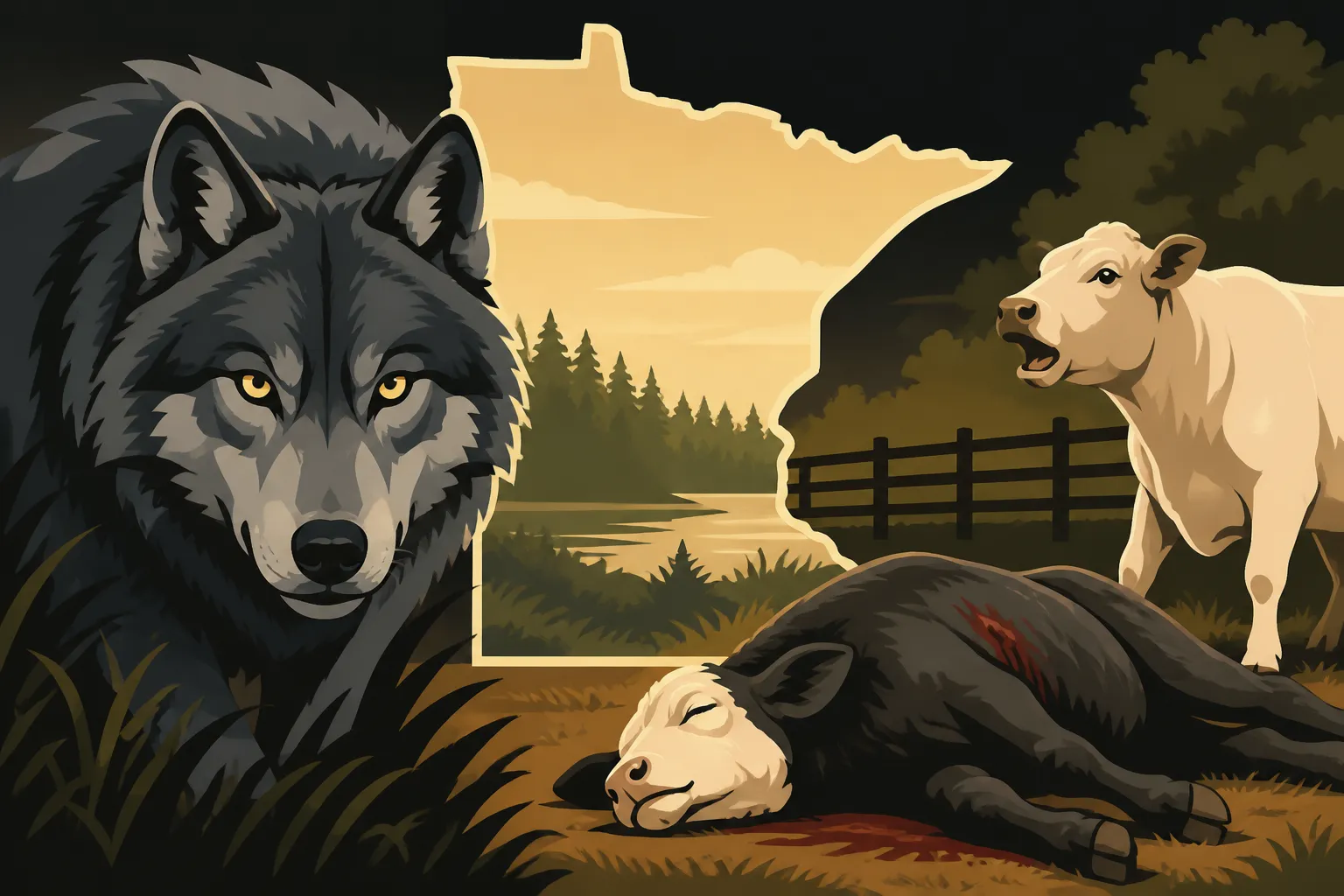
For Minnesota farmers and livestock owners, the sight of fresh tracks in the snow or the chilling sound of a howl too close to the barn can bring a knot of dread. Wolf depredation on livestock is a heartbreaking and financially devastating reality for many, a constant struggle that pits their livelihood against a complex conservation challenge. This guide aims to shed light on understanding this issue, how to report and verify incidents, what preventative measures can be taken, and the programs designed to support those impacted.
Understanding Wolf Depredation in Minnesota
Minnesota is home to a robust wolf population, primarily concentrated in the northern and central forested regions. While these apex predators play a vital role in our ecosystem, their presence can create significant challenges for those who raise livestock. Depredation occurs when wolves prey on domestic animals, which can range from cattle and sheep to smaller animals like poultry or even domestic dogs. This isn't just a loss of an animal; it's a loss of investment, time, and often, emotional toll for the farmers who dedicate their lives to their herds.
The historical context of wolves in Minnesota is important to grasp. Having been nearly extirpated from the lower 48 states, Minnesota has remained a stronghold for the gray wolf. Their protected status has led to a population recovery, which, while a conservation success, has also brought them into closer proximity with human settlements and agricultural operations. The challenge lies in managing this thriving population in a way that minimizes conflict and supports both ecological balance and rural livelihoods. The motivations for depredation can vary; sometimes it's simply opportunistic hunting of easily accessible prey, especially during periods when natural prey species like deer or moose are less abundant or harder to catch. Young, inexperienced wolves might also be more prone to targeting livestock. For more on the statewide population, check out How Many Wolves Minnesota Has.
Identifying Wolf Kills vs. Other Predators
One of the first and most critical steps after discovering a deceased or injured animal is to determine the cause. It's not always a wolf. Coyotes, domestic dogs, or even bears can be responsible for livestock losses, and identifying the true culprit is essential for proper reporting and implementing effective prevention strategies. Wolves typically target the neck and throat of larger animals, often leaving deep puncture wounds. They may also consume internal organs first, like the liver or lungs, and then muscle tissue. Scavenging by other animals can quickly obscure initial attack signs, making quick assessment crucial.
Looking for distinct tooth marks, bruising, and patterns of feeding can help an expert discern a wolf attack from, say, a coyote, which might target smaller animals or attack different body parts. Coyotes, for instance, often attack the hindquarters or flanks. Domestic dog attacks can be more erratic and characterized by multiple bites across the body without clear feeding patterns. Additionally, tracks and scat found around the carcass can provide vital clues, indicating the species and even the number of predators involved. This careful forensic work is not just academic; it directly impacts the resources available to farmers.
Common Livestock Affected
While any domestic animal can be vulnerable, certain types of livestock are more commonly affected by wolf depredation due to their size, behavior, or husbandry practices. Sheep and calves are particularly susceptible. Their smaller size makes them easier targets, and their herd behavior, while protective in some ways, can also lead to confusion and panic during an attack, making them more vulnerable. Calves, especially, are often left to graze in large pastures, sometimes with limited direct supervision, making them easy prey.
Cattle, while larger, are still at risk, particularly young or sick individuals. Occasionally, adult cattle can also be taken. Other animals like goats, alpacas, and even domestic poultry are also known to suffer losses. Horses are generally less affected due to their size and flight instinct, but foals can sometimes be targeted. The vulnerability of livestock is often tied to their specific management; animals left in remote pastures overnight, without protection, face higher risks. Understanding What Wolves Eat in Northern Minnesota can provide context for their natural prey drives and how that might translate to livestock.
Reporting and Verification of Wolf Depredation
When a livestock loss occurs and wolf depredation is suspected, prompt and accurate reporting is paramount. This isn't just about seeking potential compensation; it's about contributing to critical data that helps wildlife managers understand wolf activity patterns, identify problem areas, and assess the effectiveness of various management strategies. Ignoring or misreporting incidents can skew the overall picture and hinder efforts to find sustainable solutions for coexistence. The emotional burden of discovering a lost animal is immense, but taking the necessary steps ensures the incident is properly documented.
The first contact should typically be with USDA Wildlife Services, the primary agency responsible for investigating and confirming predator depredation incidents. They have trained specialists who can conduct thorough on-site investigations. It’s crucial to leave the carcass undisturbed as much as possible until investigators arrive, as every piece of evidence can tell a part of the story. Disturbing the scene can contaminate evidence, making it harder for experts to make a definitive determination.
The Role of USDA Wildlife Services
USDA Wildlife Services plays a pivotal role in the front lines of human-wildlife conflict. Their staff are trained professionals with expertise in wildlife biology, forensics, and predator behavior. When a report of suspected wolf depredation comes in, they deploy to the scene to conduct a detailed investigation. Their goal is to objectively determine the cause of death or injury, distinguishing between predation, illness, accident, or other factors. This often involves a meticulous examination of the carcass, the surrounding area, and any available tracks or sign.
These investigations are not always straightforward. Sometimes, scavengers arrive quickly, obscuring key evidence. The condition of the carcass, weather conditions, and the time elapsed since the incident can all complicate the process. However, the expertise of Wildlife Services is invaluable in piecing together these puzzles. They work closely with livestock producers, offering not only investigation services but also advice on preventative measures. Their data forms the backbone of Minnesota's depredation management strategy and plays a role in Minnesota Wolf Delisting History discussions.
What Happens During an Investigation
Upon arrival at the site of a suspected depredation, a USDA Wildlife Services investigator will systematically examine the area. This typically involves:
- Carcass Examination: A detailed inspection of the animal's body for wounds, hemorrhaging, and feeding patterns. They look for specific bite marks on the throat or head, which are characteristic of wolf attacks. The presence and extent of internal organ consumption can also be telling.
- Site Assessment: Analyzing the surrounding environment for tracks, scat, hair, or drag marks. They'll also consider the topography, vegetation, and proximity to known wolf territories or travel corridors. Sometimes, a mapping tool like GoHunt can be helpful in visualizing terrain and public land boundaries near the depredation site, offering insights into potential wolf movement routes.
- Producer Interview: Gathering information from the livestock owner about the animal's history, health, recent sightings of predators, and any unusual events leading up to the discovery. This contextual information is critical.
- Exclusion of Other Causes: Ruling out other potential causes of death, such as disease, poisoning, lightning strike, or attacks by other predators like domestic dogs or coyotes. This is where experience in distinguishing various predator attack signatures becomes vital.
Once the investigation is complete, the investigator will issue a report detailing their findings and conclusion. A confirmed wolf kill is a critical step for a farmer to access potential compensation programs. It's a rigorous process, but one that ensures accuracy and fairness for all parties involved.
Preventative Measures to Protect Livestock
Dealing with wolf depredation isn't just about reacting after an incident; it's heavily focused on proactive prevention. Many livestock producers have adopted a variety of strategies, often combining several methods, to deter wolves and protect their herds. The goal is to make livestock less accessible and less appealing as a food source, encouraging wolves to stick to their natural prey. This requires dedication and often significant investment, but the long-term benefits of reducing losses can be substantial. For those who hunt and want to understand general predator sign in their area, Finding Sign in Minnesota Big Woods can be a helpful resource.
The effectiveness of any preventative measure can vary depending on the specific farm, the intensity of local wolf activity, and the type of livestock being protected. What works for one operation might not be ideal for another, emphasizing the need for a tailored approach. It's a continuous learning process, and farmers often share their experiences and innovations within their communities.
Non-Lethal Deterrents and Their Effectiveness
Non-lethal deterrents are designed to discourage wolves without harming them. These methods are generally preferred for their ethical considerations and alignment with conservation goals, though their implementation can be demanding.
- Fencing: High-tensile, electric fences are often the backbone of non-lethal protection. They provide a physical and psychological barrier. Strategically placed strands, especially low to the ground and well-maintained, can deliver a sufficient shock to deter wolves. Fladry, a non-electrified line with flags or streamers, can be temporarily effective, though wolves often habituate to it over time.
- Guard Animals: Livestock guardian animals, such as certain breeds of dogs (e.g., Great Pyrenees, Anatolian Shepherds), llamas, or donkeys, live with the herd and actively defend against predators. These animals form a bond with the livestock and see them as their own, offering a living, breathing deterrent. Their effectiveness depends on their training, temperament, and the intensity of predator pressure.
- Lighting and Noise Devices: Strobe lights, motion-activated lights, or noisemakers can be effective as temporary deterrents, particularly at night. However, predators can often habituate to these over time, reducing their long-term effectiveness. They are often best used in conjunction with other methods.
- Human Presence and Range Riders: Simply increasing human activity in grazing areas can deter wolves. Range riders, who actively patrol large pastures, can monitor herds, look for wolf sign, and intervene if necessary. This method is highly effective but also resource-intensive, requiring dedicated personnel. For general scouting of land, including potential wolf travel corridors, tools like the Minnesota Recreation Compass App can assist in identifying terrain and access points.
Livestock Guardian Animals
Livestock guardian animals (LGAs) have a long history of protecting herds and flocks from predators. These aren't typical pets; they are working animals, bred and raised to live amongst livestock and aggressively protect them. The most common LGAs are specific dog breeds known for their size, courage, and protective instincts.
- Guardian Dogs: Breeds like Great Pyrenees, Anatolian Shepherds, Akbash, and Maremma Sheepdogs are excellent examples. They bond with their livestock from a young age and see the herd as their family. When a predator approaches, they will bark, growl, and even physically confront the threat. Their presence alone can often be enough to deter a wolf. However, proper training and socialization are crucial to ensure they focus on protecting livestock and don't become a nuisance or danger to people. They require care, feeding, and veterinary attention just like any other animal, and they are a long-term commitment.
- Llamas and Donkeys: While less common than dogs, some farmers successfully use llamas and donkeys as guardians, particularly for sheep and goats. These animals have an innate dislike for canids and will often chase or kick at perceived threats. They can be effective in smaller pastures or with less intense predator pressure, but they typically don't offer the same level of sustained, aggressive defense as a well-trained guardian dog.
Integrating LGAs into a farm operation requires careful planning. Selecting the right animal for the specific farm environment and livestock, ensuring proper bonding, and understanding their unique needs are all critical for success. They are a powerful tool in the non-lethal defense arsenal, providing a continuous, watchful presence that can make a significant difference.
Management and Compensation Programs
Despite the best preventative efforts, depredation can still occur. When it does, Minnesota offers programs designed to help livestock producers mitigate their financial losses and manage conflict with wolves. These programs are a crucial part of the state's approach to wolf management, balancing the ecological importance of wolves with the economic realities of agricultural communities. They aim to provide a safety net for farmers who often feel caught between a protected species and their livelihood.
Understanding the specific criteria, application processes, and limitations of these programs is vital for affected producers. These initiatives are dynamic, sometimes adapting to changes in wolf population status, depredation trends, and available funding.
Financial Assistance for Depredation Losses
Minnesota has a long-standing program to compensate livestock producers for confirmed losses due to wolf depredation. This financial assistance is administered through the state's Department of Agriculture and is a direct acknowledgment of the economic impact wolves can have on farmers.
- Eligibility: To be eligible for compensation, the depredation incident must be verified as a wolf kill by USDA Wildlife Services. This underscores the importance of the rigorous investigation process discussed earlier. Claims must typically be filed within a specific timeframe after the loss is discovered.
- Compensation Rates: Compensation is generally based on the fair market value of the lost animal. This can vary depending on the type of livestock, its age, and breed. For example, a purebred breeding animal might be valued differently than a market-ready steer. The program aims to reimburse producers for the actual economic loss they incurred.
- Application Process: Producers typically submit an application along with the verified depredation report from USDA Wildlife Services. The process involves documenting the loss and providing any requested financial information.
- Preventative Measures Grant Program: Beyond direct compensation for losses, Minnesota has also offered grants to help producers implement preventative measures. These grants can assist with the costs of purchasing electric fencing, guardian animals, or other deterrents, helping farmers invest in long-term solutions rather than just reacting to losses. This forward-thinking approach aims to reduce future depredation incidents. For those interested in the economic aspects of hunting and wildlife management, understanding Minnesota resident hunting license cost or Minnesota nonresident hunting license cost shows the broader financial picture of wildlife interaction.
It’s important to note that while these programs offer vital support, they rarely cover 100% of the indirect costs associated with depredation, such as stress on surviving animals, reduced weight gain, or the emotional toll on the farmer. They are a critical part of the solution, but the challenge remains complex.
Lethal Control and Its Limitations
While non-lethal methods are prioritized, lethal control of wolves is sometimes authorized as a last resort in situations of repeated depredation, particularly on specific farms where other methods have failed. This is a highly sensitive and regulated aspect of wolf management, balancing the need to protect livestock with the conservation status of wolves.
- Authorization: Lethal removal is not something a farmer can undertake on their own, even if a wolf is caught in the act. Authorization for lethal control, such as trapping or shooting, typically comes from USDA Wildlife Services, often in conjunction with state wildlife agencies, after a confirmed depredation and an assessment that other methods are impractical or have been ineffective. The specific rules for legal firearms in Minnesota deer hunting, such as Legal Firearms for Minnesota Deer Hunting, do not apply to wolf depredation issues without specific authorization.
- Targeted Removal: The goal of lethal control is typically to remove individual "problem" wolves that have learned to prey on livestock, rather than undertaking broad population control. The intent is to break the cycle of depredation in a specific area, not to reduce the overall wolf population.
- Controversy and Challenges: Lethal control remains a contentious issue, drawing strong opinions from both conservation advocates and livestock producers. It highlights the ongoing tension between wildlife protection and agricultural interests. From a practical standpoint, identifying and targeting the specific wolf or wolves responsible for depredation can be challenging, as wolf packs often range widely.
The decision to authorize lethal control is made carefully, following established protocols and scientific assessments. It represents the difficult reality of managing human-wildlife conflict in areas where large predators and agricultural operations coexist. The broader context of how a species' protected status impacts management, as seen in Minnesota Wolf Delisting History, significantly influences these decisions.
| Depredation Prevention Method | Pros | Cons | Typical Application |
|---|---|---|---|
| Electric Fencing | Effective physical and psychological barrier | High initial cost, maintenance intensive, power source needed | Pastures, smaller enclosures, corrals |
| Livestock Guardian Dogs | Continuous, active defense; strong bond | High cost for dogs, food, vet care; training needed, potential for human aggression | Larger pastures, sheep/goat herds, cattle calves |
| Fladry (Non-electric flags) | Inexpensive, easy to deploy, temporary shock | Wolves can habituate quickly, labor-intensive to maintain | Temporary deterrence, rotating pastures |
| Range Riders / Human Presence | Highly effective, direct intervention possible | Very labor-intensive, high cost for personnel | Large, remote grazing areas, high-value herds |
| Light/Noise Deterrents | Low initial cost, easy to set up | Habituation risk, limited long-term effectiveness | Night protection, temporary deterrent |
| Carcass Removal | Reduces attractants | Requires consistent monitoring, can be unpleasant | Any livestock operation, reduces scavenging |
Disclaimer
This article is for general informational purposes only and does not constitute professional advice. Laws, prices and regulations vary by location and change over time. Consult a qualified professional for guidance on your specific situation.