Wolves and Predators in Minnesota
Living in Minnesota, especially if you spend time in our wilder places, means living alongside some truly incredible predators. Whether you're a deer hunter seeing fewer tracks, a farmer worried about your livestock, or just someone who loves the deep woods, the presence of wolves, coyotes, and other hunters of the wild often sparks strong feelings and endless debate. This comprehensive guide aims to peel back the layers of these complex relationships, giving you a realistic understanding of Minnesota's diverse predator populations and their impact on our cherished landscapes and game species.
Understanding Minnesota's Apex Predator: The Gray Wolf
For many, the gray wolf (Canis lupus) is the ultimate symbol of Minnesota's wild north. Their howl is haunting, their presence undeniable, and their story a testament to nature's resilience. But their re-establishment hasn't been without significant challenges and a continuous balancing act for wildlife managers and rural communities alike.
Historical Presence and Recovery Journey
Minnesota holds a unique place in the story of gray wolf recovery in the Lower 48. Unlike many other states where wolves were extirpated, a small population in our rugged Arrowhead region clung on through decades of persecution. For a long time, the only wolves south of Canada found a precarious refuge in our sprawling northern forests, a testament to the sheer wildness of places like the Superior National Forest. This tenacious remnant population became the foundation for the broader recovery seen across the Great Lakes region.
The journey wasn't easy. Historically, wolves were viewed as vermin, a threat to livestock and game, leading to intensive eradication efforts, including bounties and widespread poisoning. By the mid-20th century, their numbers were critically low. The Endangered Species Act (ESA) of 1973 was a turning point, offering federal protection that allowed their populations to slowly rebound. Minnesota's role as the primary stronghold meant that as populations grew, wolves naturally expanded their range, slowly repopulating parts of Wisconsin and Michigan. It's a comeback story that truly captures the wild spirit of the North, but one that also sparked immediate and ongoing tension with human interests.
Current Population and Distribution
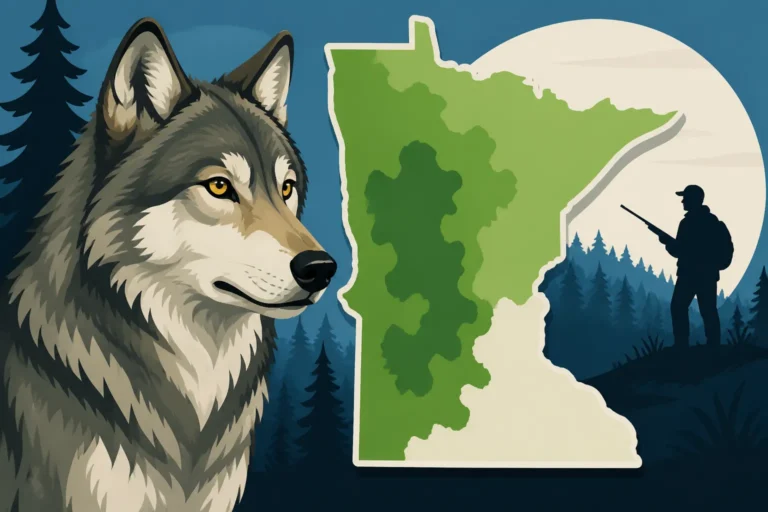
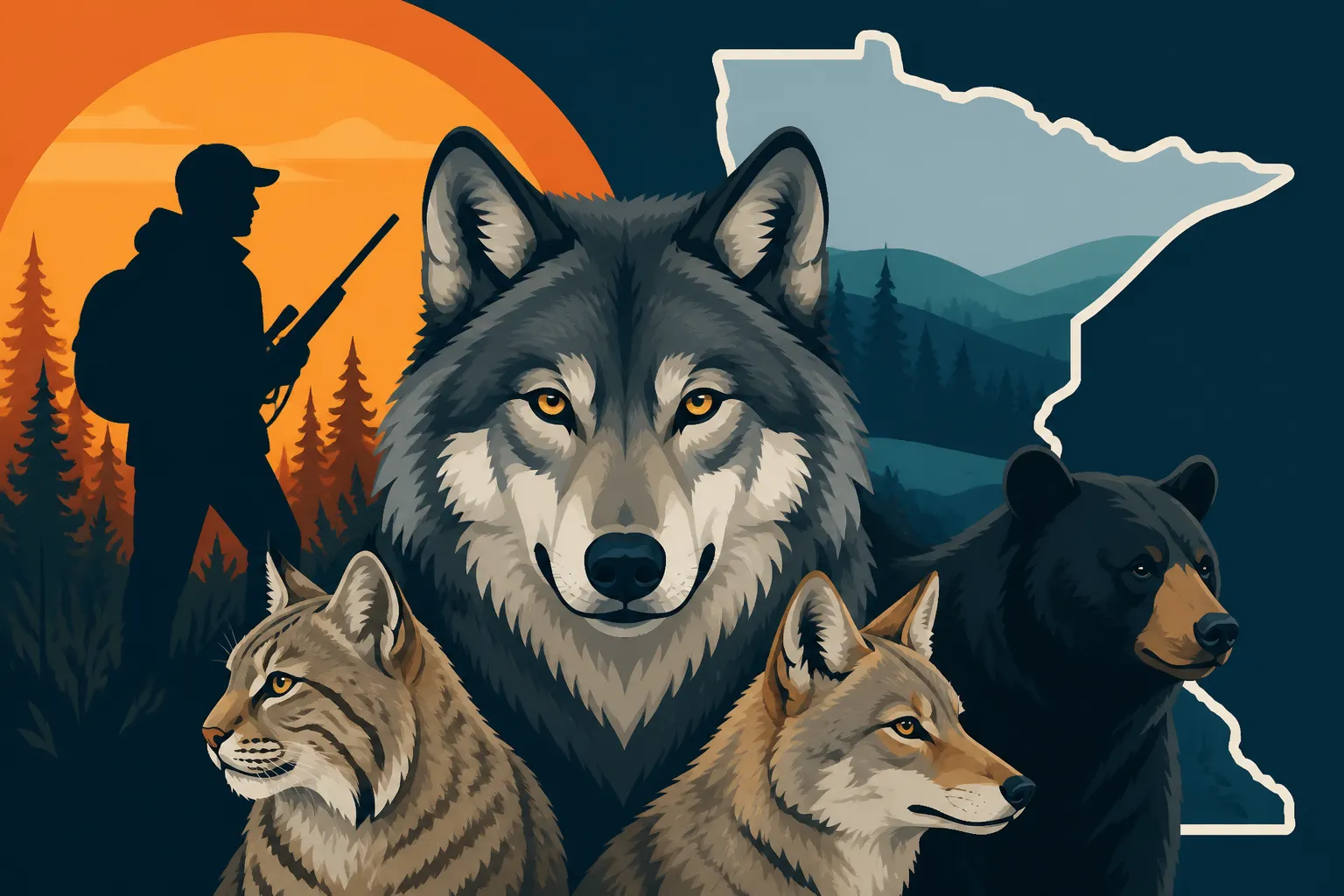
Today, Minnesota boasts the largest population of gray wolves in the contiguous United States, a fact that surprises many who only associate wolves with remote western wilderness. The most recent estimates from the Minnesota Department of Natural Resources (DNR) generally place our wolf population between 2,500 and 3,000 animals, though these numbers fluctuate with breeding success, winter severity, and other factors. These animals are not spread evenly across the state, however.
You'll find the highest concentrations of wolves in Minnesota's dense northern forests – think areas like the Boundary Waters Canoe Area Wilderness, the Superior National Forest, and the Chippewa National Forest. These vast, interconnected tracts of timber provide the solitude, cover, and prey base necessary for large pack territories. As you move south, wolf numbers thin out considerably, with their presence becoming much more sporadic in the agricultural transition zones and virtually absent from the heavily farmed southern counties. The DNR conducts surveys primarily in winter, often relying on snow-tracking, aerial surveys, and radio-collared packs to get a handle on population dynamics. Understanding Minnesota's Wolf Population and Where Minnesota Wolves Live is key to appreciating their ecological footprint. These animals are constantly on the move, and their distribution can shift slightly year to year based on prey availability and pack dynamics.
Wolf Behavior and Ecology
Gray wolves are quintessential pack animals, their social structure built around cooperation, communication, and a clear hierarchy. A typical wolf pack consists of an alpha male and female, their offspring from previous years, and current pups. Pack sizes vary, but they can range from a few individuals to more than a dozen, depending on food availability and territory size. These territories can be massive, often covering hundreds of square miles, and packs will fiercely defend their boundaries from other wolves.
Their primary hunting method is teamwork. Wolves are endurance hunters, often tracking and testing prey over long distances, looking for the weakest link. In Minnesota, white-tailed deer are their staple diet, especially in winter. They also prey on moose in certain areas, particularly calves and older, weaker adults. While many hunters might envision wolves taking down prime, healthy bucks, the reality is more nuanced. Wolves play a critical role in natural selection, culling sick, injured, or genetically inferior animals from the herd, which can, paradoxically, contribute to a healthier overall deer population. This doesn't alleviate the frustration when you see fewer deer in your favorite hunting spot, but it's an important ecological function to remember.
The Complex Relationship Between Wolves and Deer
Few topics ignite more passionate discussion among Minnesota hunters and conservationists than the impact of wolves on our white-tailed deer herds. It’s easy to point fingers, but the reality is a multi-faceted equation involving far more than just predator and prey.
Predation Dynamics and Deer Herd Health
Wolves are undeniably effective deer predators, especially during the challenging winter months when deep snow can hamper a deer's escape. They also target fawns in spring, though coyotes often account for a higher percentage of fawn mortality. From an ecological perspective, this predation isn't inherently "bad." Wolves, like all predators, are part of the natural regulatory system. By culling vulnerable individuals – the old, the sick, the young, or those with underlying conditions – they can help to prevent the spread of disease, reduce competition for limited food resources, and ultimately contribute to a more robust, healthier deer herd over time. Think of it as nature's quality control.
In areas with high wolf densities, their presence can indeed depress deer populations below what they might otherwise be. However, this also helps ensure that the deer herd doesn't exceed the carrying capacity of its habitat, preventing widespread habitat degradation that would ultimately harm the deer population in the long run anyway. It’s a delicate balance. For hunters who see fewer deer and immediately blame the wolves, it’s a valid frustration. Nobody wants to hunt an empty forest. But attributing all deer population swings solely to wolves often oversimplifies a much larger picture. Understanding the nuances of Minnesota Deer Herd Size requires looking at multiple factors.
Hunter Perceptions and Scientific Realities
The disconnect between what hunters observe in the field and what scientific data sometimes suggests is real and understandable. When you spend countless hours scouting and hunting, and suddenly your usual spots seem devoid of deer, it’s natural to look for a culprit. And when you know a healthy wolf population exists, they become an obvious target for that frustration. It's not just about seeing fewer deer; it's about the emotional investment in the hunt and the hope for a successful season.
However, the scientific reality is that numerous factors influence deer populations. Severe winters, like those Minnesota often experiences, can have a devastating impact, particularly on fawns and older deer, regardless of wolf presence. Habitat quality and availability are paramount; clear-cuts and young forest growth provide crucial browse and cover, while mature, dense forests offer less. Human hunting pressure, disease outbreaks like CWD or EHD, and even changes in agricultural practices all play significant roles. The DNR uses complex models to account for these variables when setting deer quotas. Sometimes, a localized dip in deer numbers might be due to a particularly strong wolf pack, but often it’s a confluence of factors, including things like How Severe Winters Hit Northern Deer Herds or localized habitat changes. Tools like GoHunt often allow hunters to observe and discuss these trends, sometimes offering insights into specific local dynamics reported by users. The best way to get a full picture of these interactions is to review detailed reports, much like you would if you were Reading a Minnesota Harvest Report.
Wolf Depredation on Minnesota Livestock
Beyond their impact on wild game, wolves also present a significant challenge for livestock producers in Minnesota's wolf range. Farmers and ranchers, particularly those raising cattle, sheep, or even poultry, face the very real threat of wolves preying on their animals. This isn't just an economic loss; it's an emotional one, representing hours of hard work and care.
The Minnesota DNR, in cooperation with federal agencies, has established programs to help mitigate these conflicts. When a livestock animal is confirmed to have been killed by a wolf, producers can receive compensation for their losses. This helps alleviate some of the financial burden. However, prevention is always the preferred method. Non-lethal deterrents are often employed, ranging from specialized fencing (like fladry, which uses flags to deter wolves) to the use of guard dogs, particularly breeds like Great Pyrenees, which are known for their protective instincts. While these measures can be effective, they often come with significant costs and labor for the producers. The ongoing challenge is to find sustainable ways for wolves and agricultural operations to coexist, balancing conservation goals with the economic realities of rural livelihoods. This constant tension is a core part of Wolf Depredation on Minnesota Livestock discussions and management strategies.
Coyotes: The Opportunistic Scavengers and Hunters
If the wolf is the king of the northern forests, the coyote is the highly adaptable, ever-present prince, thriving in almost every corner of Minnesota. Often misunderstood and frequently blamed for a host of wildlife issues, coyotes play a vital, if sometimes unpopular, role in our ecosystems.
Population Trends and Statewide Presence
Coyotes (Canis latrans) are incredibly resilient and opportunistic canids that have expanded their range across North America, including Minnesota. Unlike wolves, whose numbers are concentrated in the north, coyotes are found throughout the entire state. From the deep woods of the northeast to the sprawling agricultural fields of the south and west, and even making their presence known on the fringes of urban areas, coyotes have proven adept at coexisting with humans. Their population numbers are robust, and they generally reproduce rapidly, adapting quickly to changes in habitat and prey availability.
Their widespread distribution is a testament to their flexibility. They can make a living on a diet of small mammals, deer fawns, carrion, fruits, and even garbage. This adaptability means that even as wolf populations fluctuate, coyotes maintain a strong presence, filling ecological niches and often taking over areas where larger predators might be absent. Spotting a coyote loping across a winter field or hearing their distinctive yips and howls on a crisp evening is a common experience for many Minnesotans, signaling their pervasive presence.
Impact on Deer Fawns and Small Game
Coyotes are often significant predators of white-tailed deer fawns, especially in the spring and early summer when fawns are vulnerable and hidden by their mothers. While an adult deer can often outrun or deter a single coyote, fawns are easy prey. Studies have shown that fawn predation by coyotes can be a major factor in deer recruitment, particularly in areas with lower deer densities or abundant coyote populations. This impact can be keenly felt by deer hunters who lament a noticeable lack of young deer in certain areas.
Beyond fawns, coyotes are generalist predators, and their diet includes a wide array of small game species. They readily prey on rabbits, snowshoe hares, pheasants, grouse, and various rodents. For upland bird hunters, a healthy coyote population might mean fewer pheasants or grouse, especially in areas with limited cover for nesting and escape. Their opportunistic nature means they will capitalize on any available food source, making them a constant pressure on these smaller game animals. This broad dietary preference is precisely what makes them so successful across diverse Minnesota habitats.
Hunting and Trapping Coyotes in Minnesota
For many Minnesota hunters, coyotes represent a year-round hunting opportunity and a challenging pursuit. Unlike many other game animals with specific seasons, coyote hunting is generally open for much of the year, often extending into the late winter months. This makes it a popular activity for those looking to stay afield after deer season closes or during the long winter.
Coyote calling is a particularly popular and effective method. Using electronic callers or hand calls that mimic distressed prey animals (like a rabbit in trouble) can draw coyotes within shooting range. It requires patience, skill, and an understanding of coyote behavior, making it a rewarding challenge. Trapping is another common method for managing coyote populations, particularly for furbearers. While coyote hunting and trapping can help reduce local coyote numbers, their high reproductive rate and adaptability mean that overall populations are rarely significantly impacted on a statewide level by recreational hunting alone. Nevertheless, for individuals concerned about localized deer fawn predation or livestock concerns, targeted coyote removal can provide some relief. Engaging in activities like Coyote Calling in a Minnesota Winter can be a great way to sharpen your hunting skills and contribute to localized predator management.
Smaller, Stealthier Predators: Bobcats, Fishers, and Martens
While wolves and coyotes often capture the spotlight, Minnesota's forests are home to several other fascinating and effective smaller predators. These elusive creatures contribute significantly to the health and balance of their respective ecosystems, often going about their business unseen by most.
Bobcats: Elusive Hunters of the Undergrowth
The bobcat (Lynx rufus) is Minnesota's most common wild cat, though "common" is a relative term as they are notoriously secretive. Primarily found in the central and northern forested regions of the state, bobcats prefer dense cover, thickets, swamps, and areas with a mix of forest and open habitat edges. Their distinctive short, "bobbed" tail and tufted ears make them easily identifiable if you're lucky enough to catch a glimpse.
Bobcats are agile and powerful hunters for their size, primarily preying on rabbits and snowshoe hares, which constitute a significant portion of their diet. They also hunt squirrels, mice, voles, and various birds, including grouse. Their impact on small game populations is generally localized, and they rarely pose a threat to larger animals or livestock. Due to their elusive nature and relatively lower population densities compared to coyotes, bobcat hunting and trapping opportunities are limited and regulated through a lottery system in designated permit areas, ensuring sustainable management of this beautiful furbearer.
Fishers and Martens: Forest Acrobats
Minnesota's northern coniferous and mixed forests are home to two members of the weasel family known for their agility and predatory prowess: the fisher (Pekania pennanti) and the American marten (Martes americana). These creatures are perfectly adapted to life in the trees and dense undergrowth.
Fishers, often mistaken for larger martens or even small wolverines, are known for their long, slender bodies, dark fur, and remarkable ability to hunt in trees. They have a reputation as fierce predators and are one of the few animals that regularly prey on porcupines, skillfully flipping them over to attack their vulnerable underside. Their diet also includes snowshoe hares, squirrels, birds, and rodents. Martens, smaller and more arboreal than fishers, are expert climbers and primarily hunt squirrels, voles, mice, and birds in the canopy. Both species are important furbearers in Minnesota, and their populations are carefully monitored through regulated trapping seasons. Trapping these animals requires specific knowledge and skill, and hunters interested in it can learn more about Trapping Minnesota Furbearers. Their presence indicates a healthy, complex forest ecosystem.
Understanding Their Ecological Roles
These smaller predators, while perhaps not as dramatically impactful as a wolf pack on a deer herd, play crucial roles in their respective ecological niches. Bobcats help control rabbit and rodent populations, preventing localized overpopulation and potential damage to vegetation. Fishers, by preying on porcupines, can help manage tree damage caused by these quilled rodents. Martens are instrumental in controlling arboreal rodent populations, which can impact forest health.
Each of these species contributes to the intricate web of life in Minnesota's forests. Their populations are largely dependent on the availability of suitable habitat and prey, making them indicators of overall ecosystem health. When their numbers are stable, it often suggests a well-functioning forest environment with a diverse array of species. Any changes in their populations can signal broader ecological shifts that warrant attention from wildlife managers.
| Predator | Typical Range in MN | Primary Diet | Impact on Deer | Other Notable Impacts | Status |
|---|---|---|---|---|---|
| Gray Wolf | Northern Forests | White-tailed Deer, Moose | Significant, especially on fawns/weak adults | Some livestock depredation | Protected (federal/state) |
| Coyote | Statewide | Deer Fawns, Rabbits, Rodents, Birds | Significant on fawns | Livestock, small game, poultry | Huntable/Trappable |
| Bobcat | Central/Northern Forests | Rabbits, Hares, Squirrels, Birds | Minimal/Incidental | Small game | Regulated Hunting/Trapping |
| Fisher | Northern Forests | Porcupines, Hares, Squirrels, Birds | Very minimal/Incidental | Controls porcupine damage | Regulated Trapping |
| American Marten | Northern Coniferous Forests | Squirrels, Voles, Birds | None | Rodent control | Regulated Trapping |
Rare and Incidental Predators: Cougars, Bears, and Eagles
Beyond the well-known predators, Minnesota's wild spaces occasionally host some rarer visitors or species that only opportunistically predate on game, reminding us that nature is always full of surprises.
Cougar Sightings and Status in Minnesota
The cougar, or mountain lion (Puma concolor), is a creature of legend and intense speculation in Minnesota. For years, reports of cougar sightings have fueled debates around campfires and online forums. It's an animal that seems to capture the imagination like few others, leaving people wondering if a new apex predator has truly returned.
The reality, according to the Minnesota DNR, is that while there are confirmed cougar sightings in the state, there is currently no evidence of a breeding population. The confirmed animals are almost always young males dispersing from established populations in states to our west, such as North and South Dakota. These transient individuals might roam hundreds of miles looking for new territory and mates. They are passing through, not settling down to raise families. So, while you might indeed see a cougar, it's a rare and exciting event, not an indication that a stable population has taken hold. If you happen to be one of the lucky few to spot one, it's important to report it to the DNR to help track their movements, but also to understand that it's likely a solitary wanderer. To learn more about how the state tracks these enigmatic creatures, check out Cougar Reports in Minnesota.
Black Bears as Opportunistic Predators
Minnesota's black bear (Ursus americanus) population is robust, primarily concentrated in the forested regions of the state. While bears are famously omnivorous, consuming a vast array of berries, nuts, insects, and carrion, they are also opportunistic predators. This means that under certain circumstances, they will prey on vulnerable animals, including deer fawns, particularly in the spring when other food sources are scarce.
However, it's crucial to understand that fawns make up a very small percentage of a bear's overall diet. Bears are far more likely to scavenge a carcass than actively hunt a healthy adult deer. Their primary impact on game species usually comes in other forms, such as competing for food resources or, in the case of hunters, potentially interacting with bait sites. For the most part, black bears are not considered a primary predator of Minnesota's adult deer population in the same way wolves are. Their primary role in the ecosystem is that of a large omnivore and scavenger, playing a very different role than a pure carnivore. For a deeper understanding of these fascinating animals, exploring Minnesota's Black Bear Population is highly recommended.
Avian Predators: Eagles and Great Horned Owls
Don't forget the predators of the sky! Bald eagles (Haliaeetus leucocephalus) and great horned owls (Bubo virginianus) are powerful avian predators that also play a role in the Minnesota ecosystem. Bald eagles, with their impressive wingspan and keen eyesight, are primarily fish eaters and scavengers. However, they are opportunistic and will predate on ducklings, goslings, and sometimes even deer fawns if the opportunity arises. Their comeback story in Minnesota is a conservation success, and seeing them soaring overhead is a majestic sight.
Great horned owls are nocturnal hunters, masters of stealth and surprise. With incredibly powerful talons, they prey on a wide range of animals, including rabbits, squirrels, various birds, and even skunks. They are also known to take ducklings and young fawns. While neither eagles nor great horned owls are considered major drivers of game populations, they are integral parts of the food web, controlling small mammal and bird populations. It's also important to remember that most raptors, including eagles and owls, are protected under state and federal law, meaning they cannot be hunted. This makes them part of the group of Game You Cannot Hunt in Minnesota.
Managing Predators in Minnesota: A Balancing Act
Managing predator populations in a state as diverse and populated as Minnesota is never simple. It requires a blend of science, public input, and adaptive strategies to balance the needs of wildlife with the concerns of hunters, landowners, and the general public.
The DNR's Approach to Predator Management
The Minnesota Department of Natural Resources (DNR) takes a science-based approach to managing all wildlife, including predators. This isn't just about counting animals; it involves extensive research into population dynamics, reproductive rates, prey relationships, habitat use, and human-wildlife conflicts. They use sophisticated models that factor in everything from winter severity to hunting pressure to get the most accurate picture possible.
The DNR's goal is to maintain healthy, viable predator populations while also managing their impact on game species and agricultural interests. This is a constant tightrope walk. For example, with wolves, the DNR consistently monitors their numbers and range, assessing their impact on deer and moose herds, as well as livestock. They must also navigate complex federal delisting processes and public sentiment, which can be fiercely divided. Decisions are not made in a vacuum; they involve input from researchers, citizens, and advisory groups, all working to find a sustainable path forward.
Coexistence Strategies and Public Education
One of the most crucial aspects of predator management is fostering coexistence. As human populations expand and outdoor recreation grows, our paths are more likely to cross with wild animals. For species like wolves and coyotes, minimizing conflict is paramount. This often means educating the public on how to live responsibly in predator country. Simple actions, like securing garbage, supervising pets, and being aware of your surroundings, can go a long way in preventing negative encounters.
For livestock producers, the DNR and other agencies offer technical assistance on implementing non-lethal deterrents, such as electric fencing, guard animals, and improved husbandry practices. The goal is to reduce opportunities for depredation, thereby lessening the need for lethal control measures. Public education is also critical in dispelling myths and fostering a more informed understanding of predator ecology. Resources like GoHunt, with its extensive community and data, can be a valuable tool for hunters and outdoor enthusiasts to share observations, discuss strategies for hunting in predator-rich areas, and gain a broader perspective on these complex interactions, further aiding in understanding and coexistence.
The Future of Predator Management
The future of predator management in Minnesota, particularly concerning gray wolves, remains a topic of ongoing discussion and potential change. Historically, wolves have been delisted from federal protection, only to be relisted later due to legal challenges and management concerns. Each delisting proposal sparks heated debate between those who advocate for state management, including potential hunting and trapping seasons, and those who believe federal protections are still necessary for the species' long-term viability. This complex history is thoroughly detailed in topics such as Minnesota Wolf Delisting History.
Regardless of their federal status, the DNR will continue to monitor wolf populations closely and adapt management strategies as needed. For other predators like coyotes, bobcats, fishers, and martens, sustainable hunting and trapping seasons are likely to continue, based on population surveys and scientific assessments. The overarching challenge will always be to strike a balance: recognizing the ecological importance of predators, managing their impacts on other species and human interests, and responding to the diverse values and opinions of Minnesota's citizens. This requires constant vigilance, robust science, and an open dialogue among all stakeholders.
Disclaimer
Please remember that hunting regulations, seasons, and wildlife management policies in Minnesota can change. Always consult the official Minnesota Department of Natural Resources (DNR) website and current hunting regulations booklet for the most up-to-date and accurate information before planning any hunting or outdoor activity. This guide is for informational purposes only and should not replace official sources.