Minnesota Wildlife Disease Monitoring
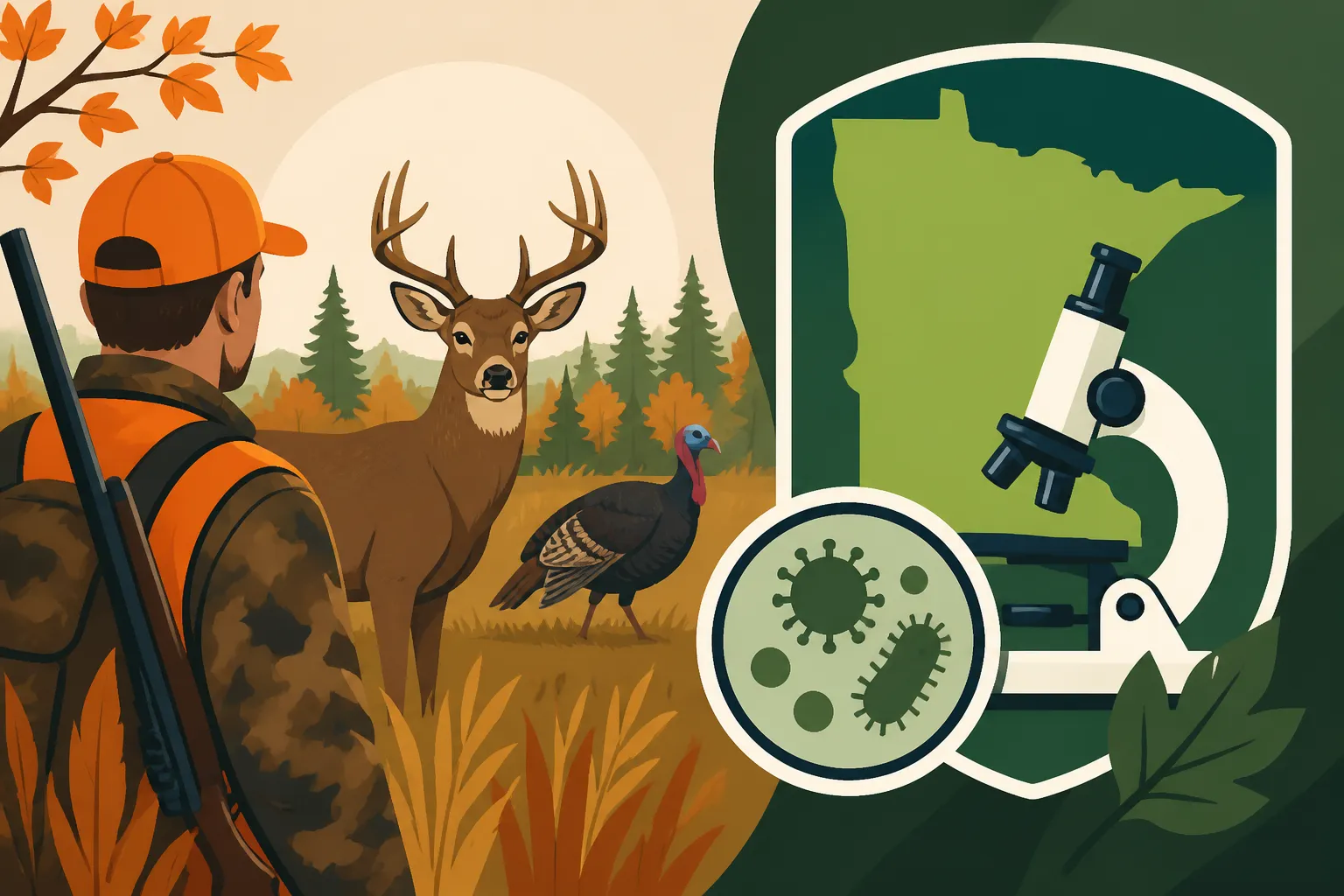
There's a knot in your stomach when you hear about a new wildlife disease cropping up, isn't there? It’s unsettling to think that the very animals we cherish and pursue could be suffering, or worse, that a disease could impact the future of our hunting traditions. In Minnesota, wildlife disease monitoring isn't just a bureaucratic chore; it’s a vital, ongoing effort to safeguard our wild populations and ensure healthy, sustainable hunting opportunities for everyone who calls this state home. This guide will help you understand what's being monitored, why it matters, and how you, as a hunter, can be part of the solution.
Understanding Why Wildlife Disease Monitoring Matters
When we talk about wildlife disease monitoring, it’s not just about a few scientists in labs. It’s a wide-ranging effort that protects our wildlife, our economy, and even our own health. Think about the peace of mind you get knowing that the venison you’re bringing home to your family is safe, or that the next generation will have robust deer herds to hunt. That’s the core of what monitoring aims to achieve. It’s about being proactive rather than reactive, spotting problems early before they become widespread catastrophes.
Protecting Our Wild Populations
Our wild animals are more than just game; they're integral to Minnesota's natural ecosystems. A healthy deer herd means a healthy forest. Thriving waterfowl populations support vital wetlands. When diseases hit, especially those that spread rapidly, they can decimate populations, throwing entire ecosystems out of balance. We've seen this play out in other states where certain diseases have severely reduced game numbers, impacting everything from hunter participation to conservation funding. By monitoring, wildlife agencies can track prevalence, understand transmission, and implement strategies to minimize the impact on these precious resources. It helps them make informed management decisions, like adjusting tag numbers or implementing specific harvest strategies in affected areas.
Safeguarding Hunting Opportunities and Traditions
Hunting is more than a pastime in Minnesota; it’s a deep-rooted cultural tradition that supports local economies, fosters outdoor ethics, and connects us with the land. When disease risks emerge, it can cast a shadow over that tradition. Hunters worry about the health of the game and whether it's safe to consume. They might also worry about tighter regulations or reduced opportunities if disease spreads unchecked. Effective monitoring aims to prevent these negative outcomes by providing transparency and scientific data. It allows agencies to implement targeted measures rather than broad, sweeping bans that could diminish hunting opportunities unnecessarily. Imagine the frustration of planning your annual deer camp only to find out a disease outbreak has led to closures or drastic changes – monitoring helps mitigate that. Minnesota Deer Camp Traditions often rely on stable, healthy deer populations.
Public Health and Hunter Safety Concerns
While many wildlife diseases pose little direct threat to humans, some can, and all warrant careful handling and awareness. Chronic Wasting Disease (CWD) is a prime example, where while there's no conclusive evidence of transmission to humans, public health officials still recommend against consuming meat from CWD-positive animals. Other diseases, like avian influenza, can occasionally jump to humans, highlighting the need for vigilance, especially for those handling wild birds. Monitoring provides the data necessary to inform hunters about potential risks and best practices for field dressing and processing game, ensuring that both the hunter and their family remain safe. It’s about empowering you with information so you can make confident choices when you're out in the field and back home in the kitchen.
Key Wildlife Diseases Monitored in Minnesota
Minnesota is a vast state with diverse habitats, and with that comes a variety of wildlife and potential health challenges. While many diseases are naturally occurring and have minimal impact, others require close observation. The Minnesota Department of Natural Resources (DNR), in cooperation with other state and federal agencies, keeps a close eye on several key diseases that could affect our game animals and hunting. Understanding these major players is crucial for any hunter.
Chronic Wasting Disease (CWD) in Deer
Without a doubt, CWD is the most talked-about and concerning wildlife disease for Minnesota deer hunters. It's a fatal, neurological disease that affects cervids, including white-tailed deer, mule deer, elk, and moose. Caused by abnormal proteins called prions, it slowly degrades the brain, leading to drastic weight loss, behavioral changes, and eventually death. The real challenge with CWD is its persistence in the environment and the fact that it can be present in an animal for a long time before symptoms appear. This makes early detection and management incredibly difficult.
Minnesota has been proactive in its Chronic Wasting Disease in Minnesota Deer monitoring, especially in zones where the disease has been detected. This includes mandatory testing areas, especially during the firearm season, and encouraging voluntary submissions in other regions. Carcass movement restrictions are also in place to prevent the spread from affected zones to unaffected areas. Hunters are often asked to submit lymph node samples from their harvested deer, which is a critical part of the surveillance effort. For example, if you're hunting in a designated CWD management zone, you'll likely be required to bring your deer to a sampling station or provide samples yourself. You can check the DNR website or use resources like the GoHunt platform to understand specific requirements for your permit area before you head out. CWD Management Zones in Minnesota are constantly updated based on monitoring data.
Avian Influenza (AI) in Birds
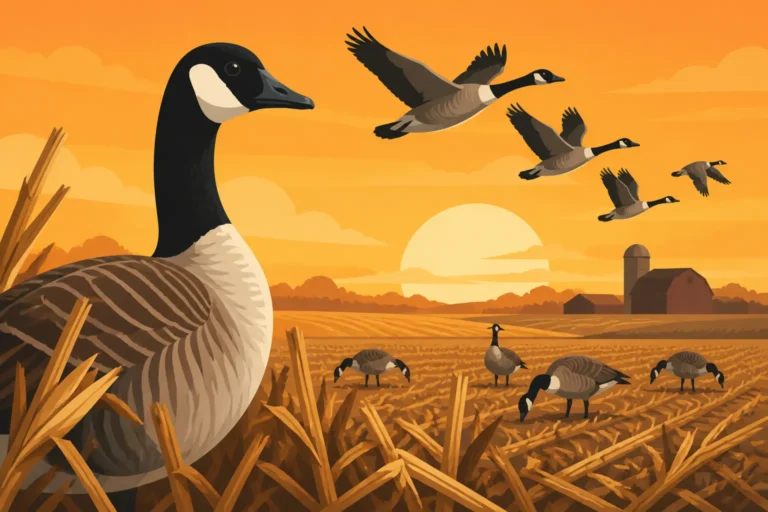
Avian Influenza, or bird flu, is a highly contagious viral disease that primarily affects domestic poultry, but it can also be found in wild birds, particularly waterfowl. While some strains cause mild illness, highly pathogenic avian influenza (HPAI) can lead to severe disease and mass die-offs in both wild birds and domestic flocks. When HPAI is circulating, it's a significant concern for duck, goose, and turkey hunters, as well as poultry producers. Minnesota monitors AI through surveillance of wild bird populations, especially during migration, and responds to reports of large bird die-offs.
For waterfowl hunters, it's important to be aware of the signs of sick birds, such as neurological issues, difficulty flying, or lethargy. While the risk of transmission to humans from wild birds is generally low, it's always wise to avoid handling sick or dead birds and to practice good hygiene when field dressing. Wearing gloves and washing hands thoroughly are always good practices. Hunters are encouraged to report unusual numbers of dead birds to the DNR. Information about potential outbreaks, including Avian Influenza in Minnesota Birds, is typically shared widely to keep hunters informed and safe.
Epizootic Hemorrhagic Disease (EHD) in Deer
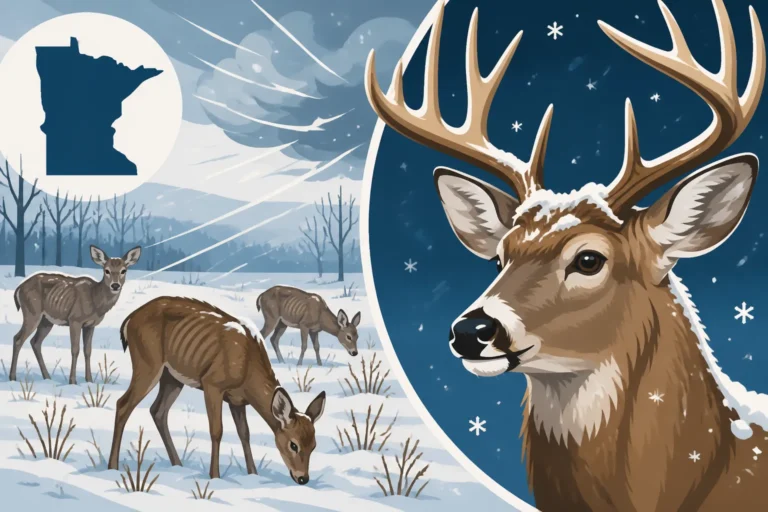
Epizootic Hemorrhagic Disease (EHD) is a common viral disease of white-tailed deer in North America. It's transmitted by biting midges (tiny flies often called "no-see-ums" or "gnats") and typically causes widespread outbreaks during late summer and early fall, especially during drought conditions. The disease can be quite deadly, causing high fever, swelling, internal hemorrhaging, and lameness. Deer often seek out water sources to cool down, so dead deer near ponds, creeks, and rivers can be a sign of an outbreak.
EHD outbreaks tend to be localized and their severity can vary year to year depending on environmental conditions that favor the midge vector. While EHD can cause significant localized deer die-offs, it doesn't persist in the environment like CWD and usually doesn't have long-term impacts on regional deer populations. Minnesota monitors EHD by tracking reports of dead deer, especially during peak season. If you come across multiple dead deer showing EHD symptoms, especially near water, reporting it is very important. EHD Die-Offs in Minnesota Deer are usually sporadic but can be intense locally.
Mange and Other Common Ailments
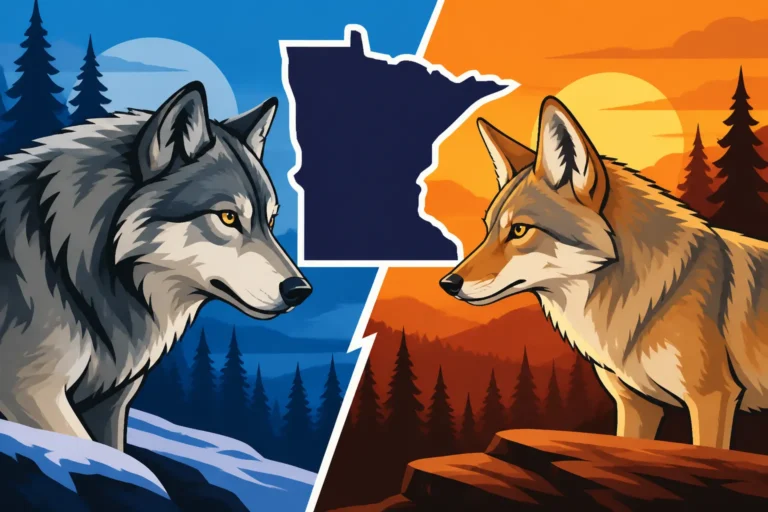
Beyond these headline diseases, Minnesota wildlife health experts also monitor other, more common ailments that can affect a variety of species. Mange, caused by parasitic mites, is often seen in coyotes, foxes, and sometimes bears. While typically not fatal on its own, severe mange can weaken an animal, making it more susceptible to other diseases, predation, or environmental stressors. Animals with mange often have significant hair loss, particularly around the face and flanks, and their skin can appear thickened and crusty.
Other conditions like abscesses, injuries, or less common parasites are also noted during routine wildlife observations or hunter reports. While these might not pose population-level threats, they provide valuable insights into the overall health and condition of individual animals and local populations. Mange in Minnesota Coyotes and Foxes is a recurring issue, and hunters often encounter affected animals. Observing and reporting these types of findings helps create a more complete picture of wildlife health across the state.
How Wildlife Disease Monitoring Happens
Monitoring wildlife diseases is a multi-faceted process that relies on scientific research, field observations, public participation, and sophisticated laboratory analysis. It's a continuous cycle of surveillance, detection, response, and communication, all designed to protect Minnesota's natural resources. It’s a huge undertaking that requires cooperation from many different groups.
Active Surveillance Programs
Active surveillance involves targeted efforts to collect samples and data, even when there isn't a known outbreak. This often includes sampling harvested animals during hunting seasons. For instance, Minnesota's CWD surveillance program relies heavily on hunters submitting samples from their deer. During firearm seasons, specific check stations or self-serve kiosks are often set up in CWD management zones where hunters can drop off lymph nodes for testing. This provides a snapshot of disease prevalence and helps track its spread. The DNR publishes the results and maps, which can be invaluable for hunters researching new areas; you can often find these resources listed on outdoor platforms like GoHunt.
Beyond hunting season, biologists may conduct targeted live trapping and sampling of certain species, or collect samples from road-killed animals. For avian influenza, monitoring may involve collecting samples from healthy migratory waterfowl to understand what strains are circulating in the environment before they potentially impact domestic poultry or cause die-offs. These active efforts are crucial for early detection and understanding baseline disease levels. Minnesota's Four-Year CWD Testing Rotation demonstrates a structured approach to this surveillance.
Passive Surveillance and Public Reporting
Passive surveillance relies on reports from the public – hunters, trappers, landowners, and anyone who spends time outdoors. You are often the first line of defense! If you encounter a sick or unusually acting animal, or find multiple dead animals, your report can trigger an investigation by wildlife health professionals. This is particularly important for diseases like EHD, where die-offs can happen quickly in specific locations, or for unusual symptoms that might indicate a new or emerging threat.
The DNR encourages reporting sick or dead wildlife. There's usually an online reporting tool or a specific contact number available. When you report, try to provide as much detail as possible: the species, the exact location (GPS coordinates are incredibly helpful!), the number of animals involved, and any observed symptoms. This information allows officials to prioritize and investigate effectively. Your active participation in reporting helps complete the puzzle of wildlife health across the state. Reporting a Sick Animal in Minnesota is an easy but critical step.
Laboratory Analysis and Research
Once samples are collected, they head to specialized laboratories for analysis. These labs are equipped to perform a variety of diagnostic tests, from detecting CWD prions in lymph nodes to identifying specific viral strains of avian influenza. This scientific rigor is essential for accurate diagnosis and understanding the characteristics of a disease. Researchers also continually study wildlife diseases to understand their ecology, how they spread, and what factors influence their impact. This research informs management strategies, such as developing new vaccines or improving surveillance techniques.
The results from these labs are then compiled, analyzed, and used to make informed decisions about wildlife management. This might include adjusting hunting regulations, establishing new CWD management zones, or issuing public advisories. This science-driven approach is the backbone of Minnesota’s wildlife disease monitoring efforts, ensuring that decisions are based on the best available data.
What Hunters Need to Know and Do
As hunters, we have a unique connection to Minnesota's wildlife and a critical role to play in protecting it. Being informed and taking responsible actions isn't just about compliance; it's about being a good steward of the resource and ensuring healthy hunting for generations to come.
Recognizing Signs of Disease
The first step for any hunter is to be able to recognize when something looks wrong. When you’re scouting, sitting on stand, or walking through the woods, keep an eye out for animals that are behaving unusually or showing obvious signs of illness.
For deer and elk, watch for:
- Excessive salivation or drooling: This can often be seen around the mouth.
- Emaciation (drastic weight loss): Animals will look thin, often with ribs or hip bones prominent.
- Stumbling or lack of coordination: They might appear disoriented or have difficulty walking.
- Lethargy or listlessness: The animal seems unusually tame, unafraid of humans, or generally unresponsive.
- Repetitive walking patterns: This can be a sign of neurological impairment.
- Seeking water: For EHD, deer might be found dead near or in water bodies.
For birds, especially waterfowl, look for:
- Lack of coordination or tremors: Unsteady movements or shivering.
- Respiratory distress: Labored breathing, coughing, or sneezing.
- Swelling around the head or neck.
- Sudden death: Finding multiple dead birds in an area without obvious trauma.
If you observe these signs, do not harvest the animal. Instead, make a mental note of the location and contact the DNR to report it. It’s always better to err on the side of caution.
Reporting Sick or Dead Wildlife
Your observations are incredibly valuable. As mentioned earlier, passive surveillance relies on the public, and hunters are often in remote areas where sick or dead animals might otherwise go unnoticed. If you encounter a sick animal, or multiple dead animals, especially if you suspect CWD or HPAI, it’s crucial to report it promptly.
Most state wildlife agencies, including Minnesota's DNR, have specific online forms or phone numbers for reporting sick or dead wildlife. When reporting, be prepared to provide:
- Your contact information: So they can follow up if needed.
- The exact location: GPS coordinates are ideal, otherwise a detailed description.
- The species of animal(s).
- The number of animals involved.
- Detailed description of symptoms or carcass condition.
- Photos or videos: If safe to take them, they can be very helpful.
Reporting helps the DNR track potential outbreaks, respond appropriately, and keep the public informed. This information helps build a bigger picture for Minnesota Wildlife Disease Monitoring.
Best Practices for Handling Game
Even when harvesting a seemingly healthy animal, it’s always wise to follow best practices for field dressing and meat care. These steps minimize potential risks and ensure the quality of your harvest:
- Wear gloves: Always use disposable gloves when field dressing any animal. This is good practice for hygiene and prevents the spread of any potential pathogens.
- Avoid contact with nervous system tissue: For deer and elk, avoid direct contact with brain, spinal cord, eyes, spleen, and lymph nodes as these tissues concentrate CWD prions.
- Clean tools thoroughly: After field dressing, thoroughly clean all knives, saws, and other equipment with soap and hot water, and ideally disinfect them.
- Proper carcass disposal: In CWD zones, there are often specific rules for disposing of deer carcasses (head, spine, lymph nodes, etc.) to prevent environmental contamination. Always check local regulations. For example, some areas might require you to leave high-risk parts at a designated collection site or dispose of them in a landfill. Minnesota Carcass Movement Restrictions are key here.
- Get CWD testing: If you harvest a deer in a CWD surveillance or management zone, follow all mandatory testing requirements. Even in areas without mandatory testing, consider getting your deer voluntarily tested for CWD, especially if you have any concerns. This provides peace of mind and contributes to overall surveillance.
- Cook meat thoroughly: While not typically effective against prions, cooking meat to appropriate temperatures is always a good practice for food safety and eliminating other potential pathogens.
By being informed, vigilant, and following these best practices, you contribute directly to the health of Minnesota's wildlife and the sustainability of our hunting heritage. Platforms like GoHunt and the DNR's website are excellent resources for staying up-to-date on the latest regulations and disease information. Remember, every hunter has a part to play in Minnesota Wildlife Disease Monitoring.
Disease Monitoring and Hunter Action Table
Here's a quick reference table summarizing common wildlife diseases in Minnesota, what to watch for, and what actions hunters can take.
| Disease | Primary Species Affected | Key Symptoms to Watch For | Hunter Action |
|---|---|---|---|
| Chronic Wasting Disease (CWD) | Deer, Elk, Moose | Drastic weight loss (emaciation), stumbling, lethargy, excessive drooling, unusual behavior (e.g., lack of fear of humans). | Do NOT harvest. Report sick deer. Participate in mandatory or voluntary CWD testing. Follow carcass movement restrictions. Properly dispose of high-risk tissues. |
| Avian Influenza (AI) | Waterfowl, Upland Birds | Tremors, lack of coordination, stumbling, swelling around head/neck, respiratory distress, sudden death (especially multiple birds). | Do NOT harvest. Avoid handling sick/dead birds. Report large bird die-offs. Practice good hygiene when field dressing. |
| Epizootic Hemorrhagic Disease (EHD) | Deer | High fever, swelling of head/neck/tongue, lameness, sloughing hooves, seeking water, often found dead near water sources. | Do NOT harvest. Report dead deer, especially multiple cases near water. EHD-positive deer are generally safe to eat, but avoid if visibly sick. |
| Mange | Coyote, Fox, Bear | Significant hair loss (especially face, flanks, tail), thickened/crusty skin, emaciation, lethargy. | Do NOT harvest if condition is severe (emaciation). Avoid direct contact. Report severe cases. Meat can be consumed if animal is otherwise healthy and cooked thoroughly. |
Disclaimer
This article is for general informational purposes only and does not constitute professional advice. Laws, prices and regulations vary by location and change over time. Consult a qualified professional for guidance on your specific situation.