Trapping Minnesota Furbearers
The thrill of the hunt often takes center stage in Minnesota, but for many, the quiet pursuit of furbearers offers a unique connection to the land and its wildlife, presenting a different kind of challenge and reward. It’s not just about harvesting an animal; it's about understanding ecosystems, honing traditional skills, and experiencing the wild in a deeply immersive way. If you’ve ever felt drawn to the subtle signs of nature, the strategic game of wits with an elusive mink, or the careful planning required to make a successful set, this guide is for you. We'll dive deep into what it takes to ethically and effectively trap Minnesota's furbearers.
Understanding Minnesota's Furbearer Species and Their Habits
Minnesota is blessed with an incredible diversity of furbearers, each with its own unique behaviors, habitats, and challenges for trappers. Getting to know these animals isn't just a matter of identification; it's about truly understanding their world. This knowledge forms the bedrock of any successful trapping endeavor, allowing you to anticipate their movements and select the most appropriate sets.
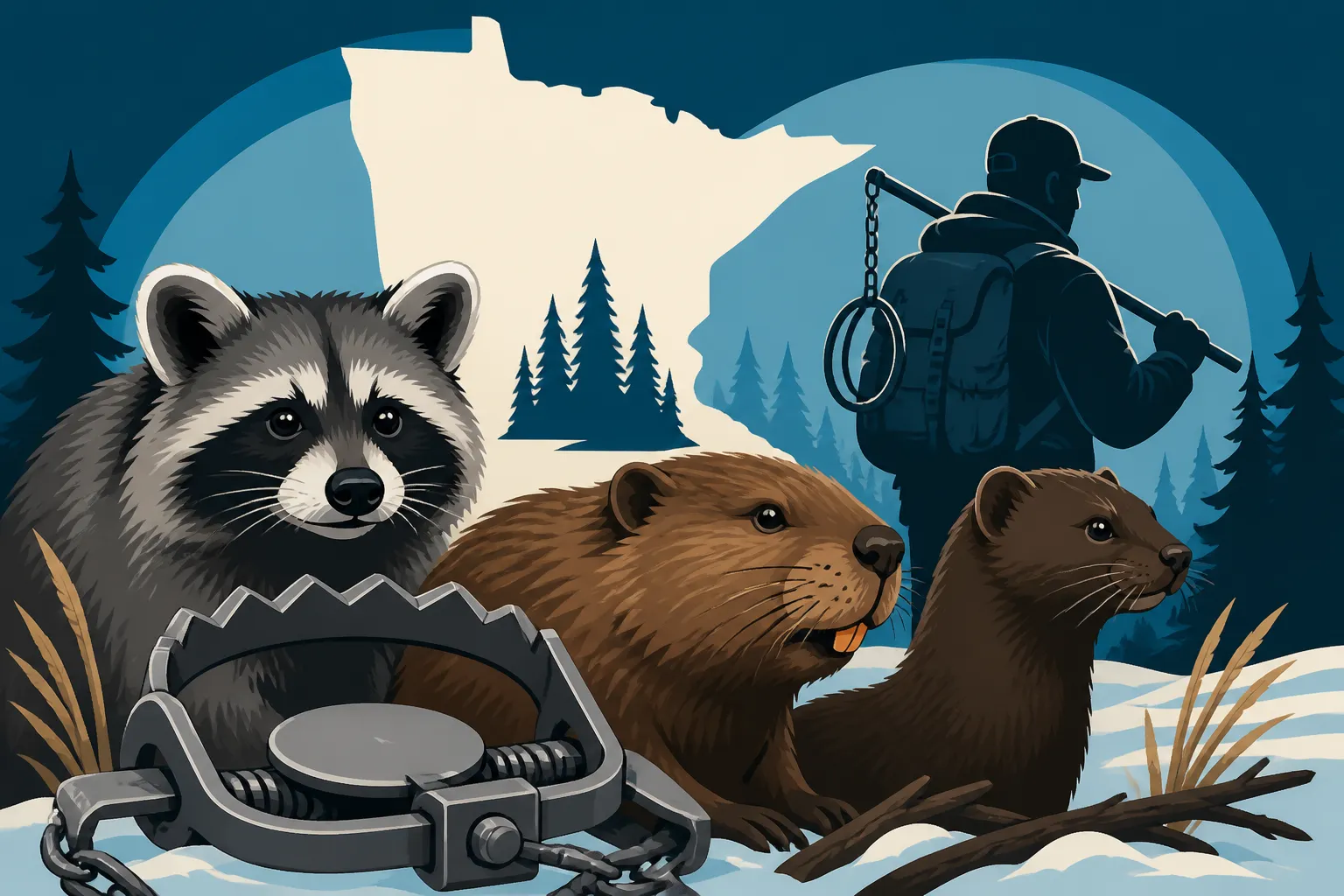
When you think about furbearers in Minnesota, a few key species likely come to mind immediately, and for good reason. Our state is home to a healthy population of muskrats and beavers, which are semi-aquatic engineers of our waterways, constantly reshaping ponds and streams. Then there are the land-dwelling opportunists like raccoons, skunks, and opossums, often found near human habitation but equally at home in the deep woods. Up north, the elusive fisher and bobcat roam the dense forests, while coyotes and foxes traverse both open fields and timbered tracts. Each of these animals plays a vital role in its respective ecosystem, from controlling rodent populations to influencing plant succession. Understanding these roles gives you a deeper appreciation for the animals you're pursuing and the natural balance you're interacting with.
Beyond the well-known species, Minnesota also has river otters, mink, and weasels – smaller, often more secretive carnivores that populate our diverse landscapes. Mink, for example, are fierce predators of small mammals and birds, frequently found along stream banks and lake edges, where they relentlessly patrol their territories. River otters, with their playful antics, are incredible indicators of healthy aquatic environments. Even seemingly less glamorous animals like striped skunks and opossums contribute significantly as scavengers and insectivores, helping to clean up the environment and prevent outbreaks of certain insect populations. Knowing their place in the grand scheme of things will help you make more informed decisions about where and how to set your traps, and it certainly makes the time spent scouting more engaging.
Habitat Preferences and Sign Identification
Successfully trapping furbearers hinges on your ability to read the landscape like an open book. Every species has distinct habitat preferences, and learning to identify the subtle — and sometimes not so subtle — signs they leave behind is absolutely crucial. For muskrats and beavers, water is paramount. Look for muskrat runs in shallow marshes, feed beds of cut vegetation, or dome-shaped lodges. Beavers, of course, leave unmistakable signs like felled trees, gnawed stumps, and impressive dams or lodges. Their presence along creeks and ponds is often announced by fresh cuttings and distinct "slides" where they enter and exit the water.
Moving onto land, raccoons are notorious for frequenting creek bottoms, culverts, and wooded areas, especially those near agricultural fields or human dwellings. Look for their distinctive hand-like tracks in mud, overturned rocks, and scat containing berries or corn. Foxes and coyotes, while adaptable, often prefer edge habitats – the transition zones between woods and fields. Their tracks are typically more oval than a dog's, and you might find scat full of fur and bone along logging trails or field edges. For northern forest dwellers like fishers and bobcats, you'll need to look for tracks in snow or soft ground near dense cover, especially conifer stands or thick aspen regeneration. They often use old logging roads or deer trails as travel corridors. A good resource for understanding these travel corridors and potential ambush points is a detailed mapping application like the one offered by GoHunt, which can show you terrain features and cover types. Your success will largely depend on how well you can interpret these environmental clues and understand what they mean in terms of animal movement.
Understanding Furbearer Behavior Patterns
Furbearers aren't just random wanderers; they operate on predictable patterns driven by instincts like hunger, reproduction, and self-preservation. Understanding these behaviors allows you to predict where and when an animal might be most vulnerable to a well-placed trap. For instance, muskrats are most active during twilight hours, diligently feeding on aquatic vegetation or making their way to and from their lodges. Beavers are largely nocturnal, especially when working on their dams or harvesting timber, though you'll often see them out and about closer to dusk. These crepuscular and nocturnal tendencies mean your trap sets need to be effective during these low-light periods.
Predators like mink, fox, and coyote, while also most active during dawn and dusk, will adjust their patterns based on prey availability and human pressure. During a harsh winter, a coyote might be out hunting in broad daylight if food is scarce. Female raccoons with kits will stick to a smaller home range, while males might wander more widely. The rut periods for species like fox and bobcat also dramatically change their movement patterns, often leading males to travel greater distances in search of mates. Being aware of the general timing of these biological events can give you a significant advantage. For example, during the breeding season, a fox might be less wary and more likely to investigate a scent post or territorial marking. Observing their tracks, scat, and other sign over time can help you piece together their daily routines and preferred travel routes, allowing you to place your traps where they're most likely to encounter them naturally.
Regulations and Licensing for Minnesota Trappers
Just like any other hunting or outdoor pursuit, trapping in Minnesota comes with a comprehensive set of regulations designed to ensure ethical practices, sustainable populations, and public safety. Navigating these rules can sometimes feel like a maze, especially for newcomers, but it’s absolutely critical to understand them before you ever set a single trap. Ignorance of the law is never an excuse, and violating regulations can lead to serious consequences.
Obtaining Your Minnesota Trapping License
Before you can even think about baiting a set or camouflaging a foothold, you need the proper authorization. In Minnesota, this means obtaining a valid trapping license. For residents, the process is fairly straightforward, but there are different tiers depending on your age and residency status. Typically, adult residents will purchase a general trapping license. Non-residents interested in the Minnesota furbearer opportunities will find that licenses are available, though they often come at a different cost. You can purchase these through the Minnesota DNR's eLicense system, or at various authorized vendors across the state. It’s imperative to carry proof of your license while you're trapping, whether it's a physical copy or stored digitally on your phone.
It's also worth noting that anyone born after December 31, 1989, must complete a DNR-approved trapper education course before they can purchase a trapping license. This course covers everything from furbearer biology and identification to responsible trap placement, safety, and ethical handling. Even if you're exempt due to age, taking a trapper education course is an invaluable experience that will significantly enhance your skills and understanding. Many seasoned trappers still attend these courses as refreshers, proving their enduring value. Ensuring you have the correct documentation and training is your first, and most important, step to legally participating in the rich tradition of Trapping Minnesota Furbearers.
Season Dates, Bag Limits, and Permit Requirements
Minnesota's furbearer seasons are carefully structured to align with peak fur quality and species population cycles, ensuring sustainability. These seasons vary significantly by species and, in some cases, by specific zones within the state. For instance, muskrat and mink seasons often open in late October or early November and can run into the colder months, while coyote and fox seasons might be open for much longer, sometimes year-round with specific restrictions. It’s absolutely essential to consult the current Minnesota DNR Furbearer Regulations booklet every single year, as dates, zones, and rules can change. This isn't a "set it and forget it" kind of thing; staying current is paramount.
While many furbearers, like muskrat, mink, raccoon, fox, and coyote, don't have strict daily or season bag limits, there are exceptions. Species like bobcat and fisher are managed much more closely, often requiring a separate permit or lottery application and having strict season bag limits – sometimes as low as one animal per season. Additionally, Minnesota Fisher and Bobcat Permits are usually limited and hotly contested, requiring advance planning to apply for. These permits are crucial for managing sensitive populations and ensuring that these elusive forest predators remain healthy. Before you even scout a potential trapping location, verify the exact dates and any specific permit requirements for the species you intend to target in your chosen area. The DNR's online resources, or an updated mapping tool like GoHunt, can help you keep track of these dynamic zones and dates.
Trap Type Restrictions and Setback Rules
Minnesota has specific regulations regarding the types of traps you can use and where you can place them. This is primarily to ensure human safety, prevent non-target catches, and promote the humane dispatch of furbearers. Generally, leghold traps (also known as foot-hold traps or conibear traps) are permitted, but there are size and jaw-spread restrictions that vary by target species. Body-gripping traps, like Conibear traps, are also widely used, especially for aquatic animals, but they too have size limitations and often come with strict setback rules. For example, large body-gripping traps might be prohibited on dry land unless they are submerged in water or placed within certain parameters to reduce the risk to pets or other non-target animals.
Perhaps one of the most critical regulations for trappers is the setback rule. These rules dictate how close a trap can be placed to public roads, trails, or occupied dwellings. These distances are often significant – sometimes 50 feet or more – and are designed to prevent accidental encounters with people, pets, or livestock. Additionally, bait must be covered or concealed in certain types of sets to avoid attracting birds of prey. Trap tags, clearly marked with your name and address or DNR customer number, are mandatory on all traps. Understanding these intricate rules, down to the specifics of spring compression or chain length, is non-negotiable for any responsible trapper. Always double-check the current regulations booklet for the most up-to-date information on trap specifications and legal placements, and remember that these rules are in place for the benefit of everyone sharing the outdoors.
Essential Trapping Gear and Setup Strategies
Stepping into the world of trapping means more than just throwing a few traps in the woods. It requires a thoughtful selection of gear and a strategic approach to setting. The right tools, combined with careful planning, not only increase your success rates but also ensure ethical and efficient operations.
Basic Trapping Equipment Every Beginner Needs
If you're just starting out in the trapping world, the sheer volume of specialized equipment can feel overwhelming. Don't worry, you don't need everything all at once. Start with the essentials. First and foremost, you'll need a variety of traps suitable for the furbearers you plan to target. For most beginners, this usually means a mix of foothold traps (like #1.5 or #2 for raccoons, fox, or coyote) and body-grip traps (like a 110 or 220 for muskrats and mink). Beyond the traps themselves, you'll absolutely need trap setters to safely compress the springs on body-grip traps, especially the larger ones, which can be quite powerful.
Other critical items include a good pair of waterproof gloves to handle traps and animals, keeping human scent off your gear. A small shovel or trowel for digging trap beds and concealing sets is also vital. Wire cutters and pliers are indispensable for making adjustments, securing traps, and dealing with unexpected issues. A durable pack to carry your gear, lures, and catch is also a must. Don't forget a sturdy bucket to sit on, or to use as a cover for a bait pile if needed. Finally, a detailed map or a GPS unit/app, perhaps like the one integrated into GoHunt, is invaluable for marking your trap locations and navigating public lands. Having a basic set of reliable tools will get you a long way on your initial Running a Trapline in Northern Minnesota.
Choosing the Right Traps for Specific Animals
The "right" trap is always dependent on the "right" animal and the "right" situation. There's no one-size-fits-all solution in trapping. For aquatic species, body-grip traps are often preferred for their efficiency and humane dispatch. A 110-size body-grip trap is perfect for muskrats in their runs or at feed beds, while a larger 220 or 280 works well for mink and even some beaver when placed correctly in narrow channels. When Trapping Minnesota Muskrat and Beaver, remember that placement for a body-grip trap is critical to ensure a quick, clean catch.
For land animals, foothold traps are the primary choice. A #1.5 coilspring or longspring is excellent for raccoons, opossums, and even mink on dry land. For coyotes and fox, you'll typically step up to a #1.75, #2, or even a #3 size, often with laminated jaws or offset jaws to reduce injury. These traps are designed to hold the animal humanely until you arrive, allowing for inspection and dispatch. Cage traps are another option, particularly for animals like raccoons or skunks in suburban areas, as they allow for live release of non-target animals. Understanding the target animal's foot size, strength, and behavioral tendencies is key to selecting a trap that is both effective and humane.
Effective Set Locations and Lure Selection
Finding the right spot for your trap is half the battle; making an effective set is the other. Set locations should always be chosen based on sign and logical travel routes. For muskrats, focus on narrow channels, den entrances, or active feed beds. For beaver, look for slides, scent mounds, or freshly gnawed trees. For land animals, natural funnels (like fence lines, culverts, or narrow strips of woods), trails, and prominent scent posts (such as a leaning log or a specific patch of grass) are prime locations. Dirt hole sets, flat sets, and cubby sets are common strategies for land furbearers like fox and coyote, each designed to appeal to different behavioral patterns.
Lures and baits play a significant role in attracting furbearers to your sets. Baits are typically food items – fish scraps for mink, apples for raccoons, or beaver castor for itself and other predators. Lures, on the other hand, are often glandular or curiosity scents designed to stimulate a response. A good skunk essence lure can attract coyotes from a distance, while a strong curiosity lure can draw in a passing fox. Attractants also include urine, especially from the target species, used to mark territory. When choosing lures, consider the time of year and the natural diet of your target animal. During winter, a strong, oily bait might be more effective as scent travels less. In warmer months, a less potent, more natural-smelling bait might be better. Proper set construction, including bed preparation, trap leveling, and meticulous blending with the natural surroundings, makes all the difference, masking your presence and presenting a natural-looking invitation to the furbearer.
| Furbearer Species | Preferred Habitat | Common Trap Types | Lure/Bait Examples | Key Sign to Look For |
|---|---|---|---|---|
| Muskrat | Marshes, ponds, slow streams | Body-grip (110, 155), Foothold (#1) | Muskrat lure, sweet fruit, carrots | Runs, lodges, feed beds, tracks |
| Beaver | Rivers, lakes, large ponds | Body-grip (280, 330), Foothold (#3, #4) | Castor lure, poplar, aspen cuttings | Dams, lodges, gnawed trees, slides |
| Mink | Stream banks, lake edges, wetlands | Body-grip (110, 120), Foothold (#1.5) | Fish oil, muskrat meat, mink lure | Tracks along water, den entrances |
| Raccoon | Woodlands, creek bottoms, near farms | Foothold (#1.5, #2), Cage traps, DP traps | Fish, corn, sweet treats, raccoon lure | Hand-like tracks, scat, overturned rocks |
| Fox (Red/Gray) | Farmland edges, open woods | Foothold (#1.75, #2, #3), Snares | Gland lure, skunk essence, red meat | Oval tracks, scat, travel corridors |
| Coyote | Open country, sparse woods, field edges | Foothold (#1.75, #2, #3), Snares | Gland lure, urine, rotted meat | Dog-like tracks, scat, prominent trails |
| Fisher | Dense northern forests, conifer stands | Body-grip (160, 220), Foothold (#2) | Skunk essence, meat scraps, anise | Tracks in snow, tree climber marks |
| Bobcat | Rocky outcrops, thick brush, dense woods | Foothold (#2, #3), Snares | Catnip, bird feathers, strong meat baits | Distinctive tracks, scat, territorial scrapes |
Ethical Trapping Practices and Animal Care
Ethical trapping isn't just a buzzword; it's a fundamental responsibility that all trappers must uphold. It encompasses everything from minimizing an animal's stress to ensuring quick, humane dispatch, and it's built upon a deep respect for the wildlife we interact with. These practices are not only morally right but also crucial for maintaining public acceptance of trapping as a legitimate wildlife management tool.
Minimizing Animal Stress and Quick Dispatch
A cornerstone of ethical trapping is to ensure that any animal caught in a trap experiences minimal stress and a quick, humane dispatch. This begins with selecting the right trap for the target species and setting it correctly. A properly functioning trap that holds an animal securely without causing undue injury is paramount. For body-gripping traps, the goal is to achieve an immediate kill, which requires precise placement in a natural travel lane or choke point. For foothold traps, while the animal is held alive, minimizing stress is achieved by using traps with features like laminated jaws or rubber padding, which reduce foot injury.
Furthermore, trappers have a moral obligation to check their traps frequently. Minnesota regulations specify checking periods, often at least once every 24 hours, but many ethical trappers go even further, checking sets twice a day if conditions or locations warrant it. The sooner an animal is discovered, the sooner it can be either humanely dispatched or released unharmed if it's a non-target species. When dispatch is necessary, it should be done quickly and efficiently, using methods that are taught in trapper education courses and result in immediate cessation of life. This demonstrates respect for the animal and minimizes any suffering, reinforcing the responsible image of the trapping community.
Trap Checking Frequency and Safety
The diligent checking of traps isn't merely a suggestion; it's a legal requirement and an ethical imperative. As mentioned, Minnesota law mandates that all traps must be checked at least once every 24 hours. However, this is a minimum, and responsible trappers often exceed this, especially during periods of extreme weather or in areas with high non-target activity. In freezing conditions, for example, a water set could freeze solid, potentially drowning an animal that might have survived otherwise. During warmer weather, an animal held too long can suffer from exposure or dehydration. The goal is to get to your traps as quickly as possible, ensuring that any captured animal is dealt with appropriately and swiftly.
Safety extends beyond the animals themselves to the trapper. Always approach a set cautiously, especially if you suspect an animal is caught. A trapped furbearer, even a small one, can be dangerous and unpredictable. Use a catch pole or a heavy stick to control the animal safely if necessary. Furthermore, never set traps where they pose a danger to pets or curious children. This is why setback regulations are so vital. When retrieving traps, be sure to "dog" or secure the springs on body-grip traps before handling them to prevent accidental snapping. Wearing heavy-duty gloves is always recommended. By prioritizing both animal welfare and personal safety, you ensure a responsible and sustainable trapping experience.
Responsible Catch Handling and Release
Once an animal is caught, your responsibilities don't end there. Proper catch handling is crucial for both the animal's welfare and the quality of the fur, if you intend to harvest it. For species that are to be harvested, a quick and humane dispatch is paramount, followed by careful handling to prevent damage to the fur. This often means placing the animal in a clean game bag or on a sled, keeping it away from dirt, snow, or other potential contaminants until you can process it. The quality of the fur directly correlates to how well the animal was handled immediately after capture.
For non-target animals, or those you don't intend to harvest, responsible release is the goal. This means having the skills and tools to safely free an animal from a trap without causing further injury to it or yourself. A catch pole can be invaluable for controlling the animal's head while you carefully open the trap jaws. Education in trapper safety courses specifically covers safe release techniques. After release, observe the animal for a moment to ensure it can move freely and doesn't appear significantly injured. If an animal is too injured to survive, ethical considerations might require humane dispatch rather than a slow, painful death. Knowing how to properly release a non-target animal is a mark of a truly skilled and ethical trapper.
Season-Specific Tactics for Key Furbearers
Trapping isn't a static endeavor; it's dynamic, constantly adapting to the season, weather, and the specific behaviors of your target furbearers. What works in early fall might be completely ineffective in the dead of winter. Mastering these season-specific tactics is what elevates a novice trapper to an experienced one, maximizing success and efficiency.
Targeting Beaver and Muskrat in Water Sets
Water trapping for beaver and muskrat often begins as soon as the seasons open, typically in late fall when fur quality is improving but before thick ice forms. This "open water" period is prime time for setting body-grip traps in muskrat runs, narrow channels, or at the entrances of beaver lodges and dens. Look for active sign: fresh cuttings, well-worn runs, and recent mud work on beaver dams. For muskrats, focus on active feeding platforms or "push-ups" in shallow marshes. Submerged foothold sets can also be highly effective for beaver along slides or scent mounds, anchored securely to prevent escape. A good mapping tool can help you identify prime water features for Trapping Minnesota Muskrat and Beaver.
As winter progresses and ice begins to form, your tactics must shift dramatically. Trapping under the ice becomes the primary method for these semi-aquatic furbearers. This involves using ice chisels or augers to cut holes, then setting traps directly in active runs or near den entrances. "Dive logs" or poles are often used to guide muskrats into submerged body-grip traps, while larger beaver sets might involve snares or large body-grippers placed in channels under the ice where beavers travel between feeding areas and their lodge. Keeping a Muzzleloader Dry in Lake-Effect Snow is a concern for firearm hunters, but for trappers, keeping traps from freezing solid and ensuring proper function under the ice becomes the main challenge. The cold, clear water often enhances fur quality, making these challenging winter sets highly rewarding.
Land Trapping for Raccoon and Skunk
Raccoon and skunk trapping typically heats up in the fall, often coinciding with cooler weather which improves fur condition. These animals are often found in similar habitats: creek bottoms, wooded edges, and areas bordering agricultural fields. For raccoons, dog-proof (DP) traps are incredibly effective, safe, and selective. Baited with corn, sweet treats, or marshmallows, DPs allow raccoons to reach in and grab the bait, triggering the trap, while largely excluding non-target animals. These can be placed along trails, under bridges, or at the base of prominent trees.
Traditional foothold sets, like dirt hole sets or flat sets, also work well for raccoons and skunks. A dirt hole set for a raccoon might use fish or sweet-smelling bait buried in a small hole, with the trap carefully bedded directly in front. For skunks, you might opt for a cubby set (a small, covered enclosure) to contain any spray if the animal is caught. The goal with skunks is often to avoid a "sprayer," which is why body-grip traps, or carefully placed conibear traps in cubbies, are sometimes preferred for a quick, lethal catch. When trapping near human habitation, or if you wish to avoid spraying, cage traps are an excellent choice for both raccoons and skunks, allowing for easy, live relocation or dispatch without the mess. Always consider your location and target animal behavior when choosing between a kill trap or a live-capture option.
Fox and Coyote Sets in Open and Cover
Trapping fox and coyote is a true art form, demanding meticulous attention to detail and a deep understanding of canine behavior. Fall and winter are the primary seasons for these animals when their fur is at its prime. For coyotes and fox, land sets are almost exclusively used. Dirt hole sets are classic and highly effective: a small hole simulating a rodent den or hidden food cache, baited with meat scraps or a strong commercial lure, with the trap carefully bedded and blended directly in front. Scent post sets, where the trap is placed near a prominent object that the animal might investigate or urinate on, are also very productive.
Success with fox and coyote largely depends on completely eliminating human scent from your sets and making them look as natural as possible. This means using clean gloves, keeping tools separate, and blending the trap with local soil and vegetation. For Coyote Calling in a Minnesota Winter, understanding their response to various sounds can even inform your trap placement. In open farmland, you might use more visual attractors like a feather or tuft of wool near your set. In heavier cover, a strong gland lure might be needed to draw them in. The "GoHunt" app can be very useful for scouting remote areas, identifying pinch points and travel corridors that these wary canines might use. Season-specific modifications are key: during the cold, a more potent, oily bait might be necessary, and sets must be impervious to freezing. In warmer weather, attention to decomposition and scent management is critical.
Fisher and Bobcat Strategies in Forested Areas
Targeting fisher and bobcat is a different beast entirely, often reserved for more experienced trappers due to their elusive nature and the rugged terrain they inhabit. These animals are typically found in dense, unbroken northern forests, often with a mix of conifers and mature hardwoods. Fall and early winter, when snow makes tracking easier, are ideal times to target these animals, especially when combined with scouting for Fishers and Martens in Minnesota. Due to their limited permits, it's a careful and focused effort.
Box traps or cubby sets are highly effective for both fisher and bobcat. These involve constructing a small, enclosed structure (often using logs or natural debris) with a body-grip trap or a foothold trap placed inside. The enclosure protects the bait and funnels the animal directly into the trap. Strong-smelling baits like beaver meat, skunk essence, or commercial bobcat/fisher lures are used to draw them in. Fisher are notorious for climbing, so some trappers utilize "pole sets" where a body-grip trap is secured to a leaning log or tree, enticing the fisher to climb up into the trap. For bobcats, rock ledges, dense thickets, and prominent game trails are prime locations. Tracks in fresh snow are your best friend when scouting for these animals, revealing their travel routes and hunting grounds. Due to their wariness, absolute attention to blending your sets and minimizing disturbance is paramount.
Marketing and Handling Your Furbearer Harvest
Once you've successfully harvested a furbearer, the journey isn't over. The value of your catch, whether for personal use or sale, depends heavily on how well you handle it after the trap. From proper skinning to preparing the pelt for market, these steps are crucial for honoring the animal and maximizing your efforts.
Skinning and Pelting Techniques
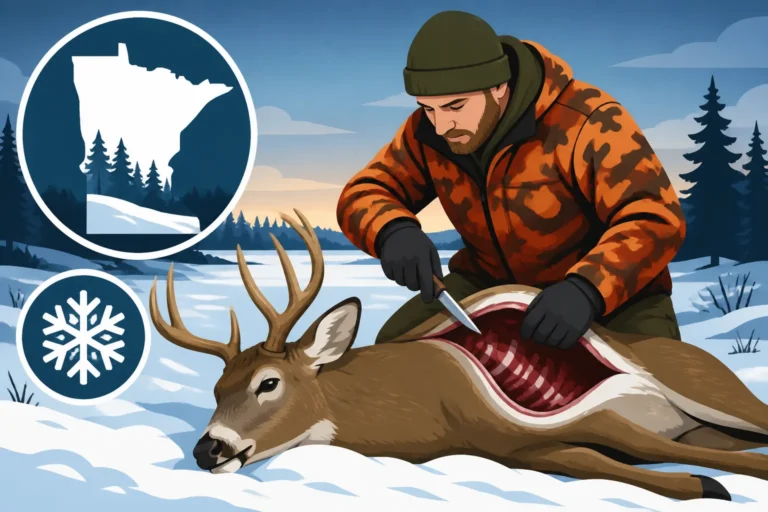
The quality of a furbearer pelt begins the moment the animal is taken from the trap. Immediate and careful handling is critical. For most furbearers, particularly those with prime winter coats, the goal is to "case skin" the animal. This method involves cutting around the hind legs and vent, then peeling the hide off like a sock, leaving the fur side in. This results in a cylindrical pelt with only one seam, maximizing its value. Species like muskrats, mink, fox, and coyote are typically case-skinned. Beavers, on the other hand, are "open-skinned" or "flat-skinned," where the hide is cut down the belly and stretched flat, often in a circular shape.
Precision is key in skinning. Avoid unnecessary cuts into the hide, as these diminish its value. Work slowly and use a sharp knife. Different animals have varying thicknesses of fat and muscle adhering to the hide, which will need to be carefully removed during the "fleshing" process. Fleshing removes all residual meat, fat, and membrane from the pelt, preventing spoilage and allowing it to dry properly. This is often done on a fleshing beam with a specialized fleshing knife, a skill that takes time and practice to master. A cleanly fleshed pelt will be supple, dry evenly, and present much better to a buyer.
Preparing Furs for Sale
After skinning and fleshing, the next critical step is to properly stretch and dry the pelts. This process, known as "boarding" or "stretching," shapes the pelt into a uniform, marketable form and ensures it dries without rotting. Pelts are typically stretched fur-side-in on wooden or wire stretchers, sized appropriately for the species. Muskrats are often stretched on small wire forms, while fox and coyote require larger, specialized boards. The pelt should be stretched taut but not overstretched, as this can thin the fur and reduce its density.
Once on the stretcher, the pelt needs to air dry in a cool, well-ventilated area away from direct sunlight or heat sources. Proper ventilation is crucial to prevent mold or bacterial growth. Drying times vary depending on the species and environmental conditions, but generally take several days to a few weeks. Once fully dry, the pelt should feel crispy and stiff. For some species, like fox and coyote, it's common practice to "turn" the pelt fur-side-out during the final drying stages to present the fur in its best light. Many trappers also lightly comb or brush the fur to remove any debris or mats. The effort you put into meticulous skinning, fleshing, and drying directly impacts the price you'll receive from fur buyers.
Market Trends and Selling Your Furs
The fur market is notoriously cyclical, influenced by fashion trends, international demand, and global economic conditions. What fetches a high price one year might be worth significantly less the next. Staying informed about current market trends is vital if you intend to sell your furs. Fur buyers, whether local or international, are always looking for high-quality, well-handled pelts. They assess factors like fur density, color, size, and the absence of rubs, slips, or shot damage.
Many trappers sell their furs through regional fur auctions or directly to traveling fur buyers. Some areas also have local buyers who purchase pelts. Networking with other trappers and attending trapper conventions can be excellent ways to gauge market conditions and connect with potential buyers. You can also explore tanning a few choice pelts for personal use, creating hats, mittens, or decorative pieces. While the financial return from trapping can fluctuate, the satisfaction of utilizing your harvest fully, whether for sale or personal craft, is immense. It's a way to honor the animal, preserve a traditional skill, and connect with a heritage that values self-sufficiency and resourcefulness.
Disclaimer
The information provided in this guide is for general informational purposes only and is not a substitute for official Minnesota Department of Natural Resources (DNR) regulations. Hunting and trapping laws and regulations are subject to change. Always consult the most current Minnesota DNR hunting and trapping regulations booklet and relevant statutes before engaging in any hunting or trapping activities. It is your responsibility to know and follow all applicable laws.