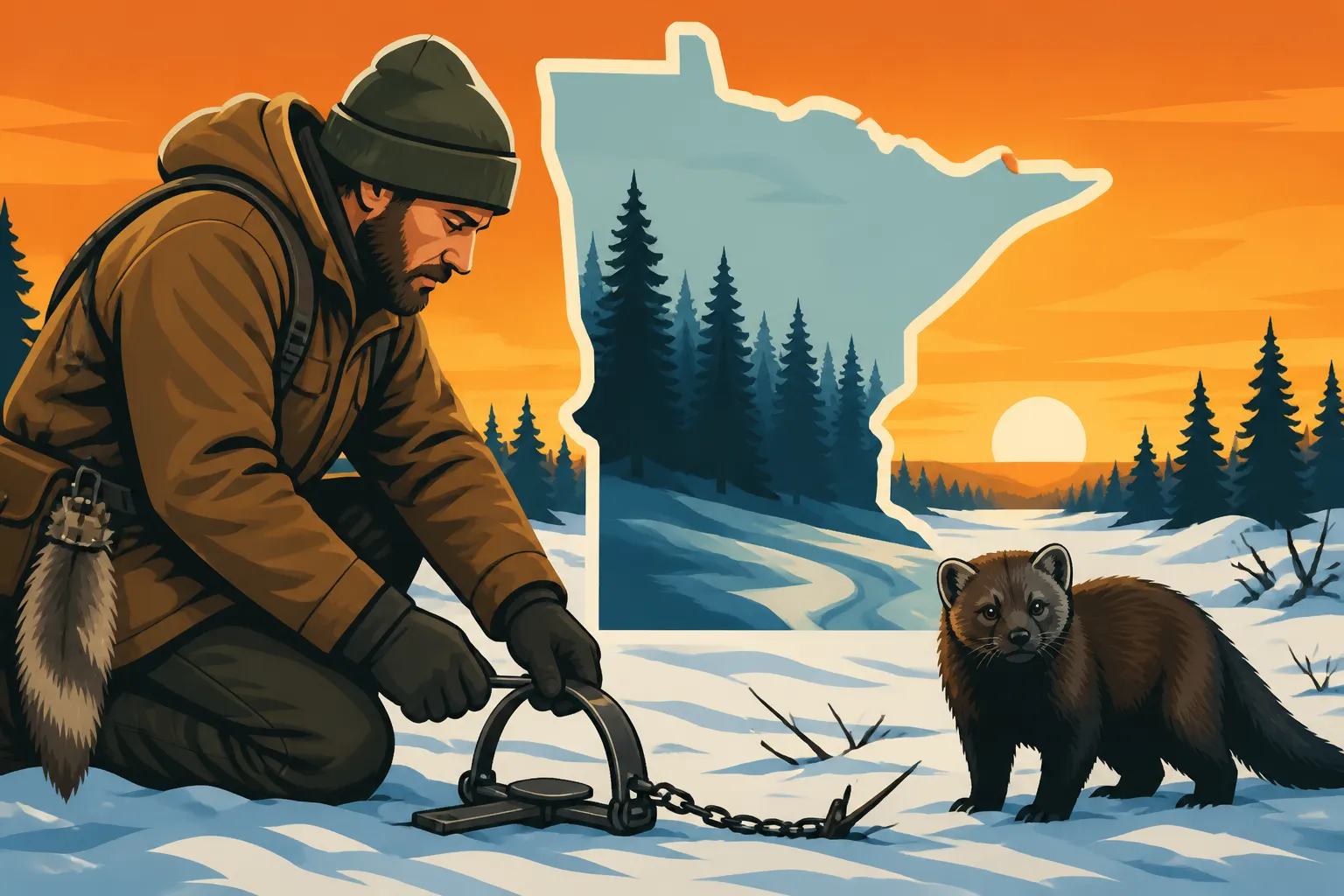
Running a Trapline in Northern Minnesota
Venturing into the silent, often unforgiving wilderness of northern Minnesota with a trapline in mind is a dream for many, but the reality can be a harsh teacher. The vast expanses of forest, frozen wetlands, and remote access points present significant hurdles, from brutal cold and deep snow to navigating complex regulations and the sheer physical demands of the work. This guide aims to prepare you for the unique challenges and immense rewards of running a successful and ethical trapline in this rugged and beautiful part of our state.
Understanding Northern Minnesota's Unique Trapping Landscape
Northern Minnesota isn't just "woods"; it's a tapestry of varied ecosystems, each presenting its own set of opportunities and challenges for the trapper. From the deep conifer forests of the northeast to the sprawling bogs and swamps, and the transition zones where agriculture meets timber, understanding these nuances is crucial for success. It's a different world entirely compared to the more manicured landscapes of other regions, demanding respect for its wildness and an intimate knowledge of its inhabitants.
The Diverse Furbearers You'll Encounter
The beauty of trapping in northern Minnesota lies in the sheer diversity of furbearers that call this region home. You're not just targeting one or two species; a well-managed trapline can interact with many. We're talking about everything from the cunning coyote that roams open country and forest edges to the elusive bobcat, whose tracks are a thrill to find in fresh snow. Then there are the aquatic specialists like beaver and muskrat, vital components of wetland ecosystems, and the arboreal marvels such as fisher and marten, creatures of the deep woods. Each species requires a distinct approach, a different understanding of their habits, and often, specialized equipment.
For instance, if you're aiming for beaver, you'll be focusing on active lodges, dams, and channels, often working in icy conditions that test your resolve. If it's coyotes you're after, your sets might be on travel routes, scent posts, or near recent kills. And let's not forget the smaller, yet equally important, species like red fox, mink, and weasel, which contribute significantly to a trapper's catch. Understanding the natural history of each furbearer is paramount. You need to know what they eat, where they travel, how they react to scent, and what kind of cover makes them feel secure. This isn't just about setting a trap; it's about entering their world and predicting their movements. A great resource to learn more about these fascinating creatures is to read about Fishers and Martens in Minnesota and River Otters in Minnesota Waters, as well as Badgers in Minnesota Farm Country to understand their specific niches.
Navigating the Terrain: Forests, Wetlands, and Farmland Edges
The topography of northern Minnesota is incredibly varied, and it directly dictates where and how you'll set your traps. You'll find vast tracts of managed and unmanaged forests, ranging from dense aspen and birch stands – fantastic for grouse but also home to a variety of furbearers – to ancient pine and spruce bogs. Interspersed throughout are countless lakes, rivers, and wetland complexes, which are prime habitat for aquatic furbearers and provide crucial travel corridors for many other species. And as you move further south or west within the northern zone, you'll encounter transitional areas where farm fields butt up against timber, creating lucrative edge habitats.
Accessing these areas can be the biggest challenge. Many prime trapping locations are miles from the nearest paved road, requiring snowmobiles, ATVs, or even snowshoes to reach during the core trapping season. You might be breaking trail through knee-deep snow or navigating frozen swamps where a wrong step could mean a cold dunk. Understanding how to use tools like the Minnesota Recreation Compass Map Tool or even subscription-based mapping apps like GoHunt becomes invaluable for identifying public lands, tracking property boundaries, and pinpointing remote access points. These tools can highlight old logging roads, walking trails, and changes in topography that are invisible on standard road maps, helping you plan your route and avoid trespassing. The sheer scale of public land up north means endless possibilities, but also demands careful planning and self-sufficiency. For a deeper dive, consider learning more about Public Hunting Land in Minnesota to understand the vastness you'll be navigating.
The Impact of Climate on Trapping Strategy
Minnesota winters are legendary, and for trappers, they are both a blessing and a curse. Deep snow, sub-zero temperatures, and unpredictable blizzards profoundly influence furbearer behavior and trapping logistics. On one hand, snow provides a clear canvas for tracking, revealing every paw print and drag mark, telling a story of recent activity. On the other hand, it can bury traps, make travel arduous, and force furbearers into specific, often hard-to-reach, areas for shelter and food.
Adjusting your strategy to the climate is non-negotiable. Early season trapping might involve dealing with open water and slush, demanding waterproof gear and careful set placement. As winter deepens, snow sets become standard, requiring precise trap placement beneath the snowline and clever ways to keep traps from freezing solid. The severe cold can also affect the scent throw of lures and baits, making strategic placement even more critical. It’s not uncommon to deal with days where the mercury hovers well below zero, making every task – from setting a trap to skinning a catch – a race against frostbite. Planning for these conditions means investing in serious cold-weather clothing and knowing how to keep yourself and your equipment functioning in extreme temperatures.
Essential Gear and Preparations for Your Trapline
Running a trapline in northern Minnesota is an equipment-intensive endeavor, and being prepared with the right tools and clothing can make the difference between a successful, comfortable season and a miserable, unproductive one. Forget trying to "rough it" entirely; smart gear choices are your best friend here.
Traps and Tools of the Trade
Your traps are the heart of your operation, and selecting the right ones for the target species and conditions is crucial. For aquatic furbearers like muskrat and beaver, body-grip traps (like Conibear-style traps) in appropriate sizes are often the most efficient and humane. For coyotes, fox, and bobcats, foothold traps are widely used, but they require diligent checking and often laminated jaws or offset links to prevent injury. Snares can also be highly effective for canids and other furbearers along trails, but their use is subject to specific regulations, including breakaway devices. You'll definitely want to be up-to-date on Minnesota Trapping Seasons and Tagging to ensure all your gear meets the state's legal requirements.
Beyond the traps themselves, you'll need a comprehensive set of tools. A strong hatchet or a sturdy cutting tool like a folding saw is essential for clearing brush, cutting trap beddings, and chopping through ice. Pliers, wire cutters, and extra trapping wire are invaluable for making repairs and securing sets. A good shovel or trowel is necessary for digging trap beds and preparing dirt holes. For those really cold days, a propane torch can be a lifesaver for thawing frozen components or heating wax for dipping traps. Don't forget a quality game bag or sled to transport your catches back to camp; dragging a frozen badger or coyote can be a real workout.
Here's a quick overview of common traps for various furbearers in Minnesota:
| Furbearer Species | Common Trap Types | Preferred Set Locations | Key Considerations |
|---|---|---|---|
| Beaver | Body Grip (330), Foothold (3 or 4), Snares | Dams, lodges, channels, runs | Submerged sets, sturdy anchoring, ice conditions |
| Muskrat | Body Grip (110, 155), Foothold (1), Conical Live Trap | Feed beds, runs, den entrances | Shallow water, bait with root vegetables |
| Coyote/Fox | Foothold (1.5 – 3), Snares | Trails, scent posts, dirt hole sets, flat sets | Blending, odor control, careful lure selection |
| Bobcat | Foothold (2 – 3), Body Grip (220, 280), Snares | Game trails, rock crevices, log crossings | Brush piles, cubbies, cat-specific lures |
| Mink | Body Grip (110, 120), Foothold (1) | Creek banks, culverts, under bridges | Cubbies, lean-to sets, fish bait |
| Fisher/Marten | Body Grip (155, 220) | Arboreal cubbies, lean-to sets, on logs | Elevated sets to avoid incidental catches, specific lure |
Clothing, Safety, and Navigation in the Northwoods
When you're out on a trapline in northern Minnesota, you're constantly exposed to the elements. This isn't a sit-in-a-heated-shack kind of activity; you're moving, working, and often sweating, then cooling down. Layering is king, starting with a good moisture-wicking base layer, followed by insulating mid-layers like wool or fleece, and finally, a waterproof and windproof outer shell. Your boots are perhaps the most critical item; they need to be warm, waterproof, and provide excellent traction on snow and ice. Look for insulated boots for all-day sits or active movement that can handle deep snow and slush. When it comes to hand protection, have multiple pairs: thin gloves for fine motor skills, warmer gloves for travel, and waterproof outer mitts.
Safety is paramount, especially when working alone in remote areas. Always carry a reliable navigation device – a dedicated GPS unit is often more dependable than a phone in extreme cold or without cell service, though phone apps like GoHunt can be excellent complements. A compass and paper map are essential backups. Carry a first-aid kit, fire-starting supplies, and emergency rations. Communication is vital; a satellite messenger or two-way radio can be a literal lifeline if you get into trouble. Knowing basic survival skills, like building a shelter or signaling for help, isn't just a good idea; it's a necessity. Don't forget your blaze orange; while not always strictly required for trapping, it's a smart safety measure, especially during hunting seasons. You can find more specific advice on items like Packs for a Day on Public Land to ensure you're carrying all the essentials.
Bait, Lures, and Scents for Success
Trapping is as much an art as it is a science, and understanding how to attract your target species is key. Baits are generally food items, and they vary wildly depending on the furbearer. Fish scraps work wonders for mink and otter. Beaver castor is a powerful attractant for, well, beaver, but also draws in other predators. Meat scraps, especially from deer or beaver, are excellent for canids and bobcats. Be mindful of baiting regulations, particularly in areas with CWD concerns, as the use of deer parts can be restricted.
Lures are concentrated scents designed to mimic various natural attractants – curiosity, hunger, or sexual appeal. Gland lures, made from the musk glands of furbearers, can be incredibly effective at drawing in animals of the same species or rival predators. Food lures amplify the appeal of bait, while curiosity lures exploit an animal's natural inquisitiveness. Scents like skunk essence or urine can be used to direct an animal's approach to a set or to create a "visual" where none exists, masking human odor or indicating a territorial presence. GoHunt often features discussions and reviews of different lure companies and types, which can be a valuable resource for finding what works best in our region. Experimentation and paying attention to local trappers' successes are key to developing your own arsenal of effective attractants.
Setting Up and Managing Your Trapline Ethically and Effectively
Running a trapline isn't just about catching animals; it's about respectful engagement with nature, responsible management, and adherence to ethical practices. A good trapper understands that their actions reflect on the entire trapping community.
Reading the Sign: Locating Prime Furbearer Habitat
Before you even think about setting a trap, you need to become a detective of the wild. Furbearers leave countless clues to their presence and movements. Tracks in mud or snow, scat, rubbed trees, chewed sticks, and even distinct odors can all point to an animal's activity. For beaver, look for fresh cuttings, active lodges, and slides where they enter and exit the water. For canids and felines, game trails, logging roads, and natural funnels between cover types are prime locations. Identifying historical travel corridors or natural pinch points where animals are forced to move through a specific area can significantly increase your success rate.
Understanding how to identify and interpret these signs is a skill honed over many seasons. A fresh set of coyote tracks after a light snow is a strong indicator of recent activity. A beaver lodge with fresh mud and cuttings means active residents. A clear-cut edge with multiple crisscrossing trails is a prime location for many species. This is where your scouting truly pays off, often done long before the season even begins. Spending time observing and understanding the flow of wildlife through a landscape will inform your set locations far more than just blindly placing traps. This deep knowledge of wildlife movement is critical, especially when you consider Where Big Woods Bucks Bed in Minnesota, as similar principles apply to many furbearers.
Trap Placement Strategies for Different Species
Once you've identified an area with high furbearer activity, the art of trap placement begins. Each species, and even each type of trap, demands a specific approach to maximize effectiveness and ensure a clean, humane catch. For footholds, camouflage is critical. The trap needs to be bedded solidly, level with the surrounding ground, and meticulously blended in. Any foreign odor or unnatural appearance can spook a wary animal. Dirt hole sets, where bait and lure are placed in a small hole with the trap camouflaged nearby, are classic for canids. Flat sets, which are less intrusive, work well in open areas.
For body-grip traps, especially when targeting beaver or otter, you'll often be making submerged sets, forcing the animal to swim through the trap. Using "run-through" sets in beaver channels or near den entrances ensures the animal is naturally directed into the trap's kill zone. For mink or muskrat, cubby sets, which are small enclosures baited with fish or corn, are effective. When targeting fisher or marten, elevated sets in trees or on leaning logs are often used to avoid incidental catches of ground-dwelling species. Regardless of the trap type or target, proper anchoring is absolutely essential. A strong stake, drag, or drown-set mechanism prevents the animal from escaping or injuring itself.
Daily Checks, Maintenance, and Record Keeping
Minnesota law requires traps to be checked at least once every 24 hours. This isn't just a legal requirement; it's an ethical imperative. Traps are designed to hold an animal, not to inflict prolonged suffering. Daily checks allow you to quickly dispatch any caught animals, address incidental catches, and maintain your sets. This can mean long hours on the trapline, especially in winter when travel is slow, but it's a non-negotiable part of responsible trapping.
Beyond checking for catches, each visit to a set is an opportunity for maintenance. Snow can bury traps, ice can freeze mechanisms, and curious non-target animals might disturb the site. You'll need to clear debris, re-bait, re-lure, and re-blend your sets as needed. Keeping detailed records of your trapline – locations, set types, baits used, weather conditions, and catches – is invaluable. This data helps you analyze what's working (and what's not), track furbearer populations in your area, and refine your strategies for future seasons. GoHunt has features that can help trappers log and track their activities, making record-keeping much simpler, akin to how hunters track their scouting. For comprehensive guidance on how to report your harvest, you'll also want to familiarize yourself with Minnesota Trapping Seasons and Tagging.
Common Challenges and Troubleshooting on a Northern Minnesota Trapline
Trapping is full of unexpected twists and turns. No matter how experienced you are, you'll encounter problems. Being able to adapt and troubleshoot on the fly is a hallmark of a good trapper.
Dealing with Incidental Catches and Non-Target Species
One of the most frustrating aspects of trapping can be catching a non-target animal. This might be a domestic pet, a protected species, or simply an animal you don't intend to harvest. While careful set placement, lure selection, and trap size can minimize these occurrences, they are an inevitable part of the game. If you catch a domestic animal, the priority is its safe release. Always carry a catch pole or a heavy blanket to help manage the situation safely. If you catch a protected species, such as a raptor or a rare furbearer, the Minnesota DNR needs to be notified immediately.
The best defense against incidental catches is knowledge. Understanding the habits and ranges of all species in your area allows you to place traps where your target is most likely to encounter them, and non-targets are least likely. For example, setting beaver traps deep underwater minimizes the chance of catching an otter or a domestic dog. Elevating sets for fisher and marten helps avoid canids. Ethical trapping means not only aiming for your target but also actively working to avoid harm to other wildlife. If you're concerned about predators impacting your trapline, you might want to learn about What Wolves Eat in Northern Minnesota to understand the local food web dynamics better.
Weather Extremes and Their Effect on Trapping
Northern Minnesota's weather is a constant adversary. Freezing rain can coat everything in ice, rendering traps inoperable. Heavy snowfalls can bury sets meters deep, requiring hours of searching and re-setting. Extreme cold can make lures less effective and turn steel traps into painful, frozen obstacles. The key is to anticipate these conditions and have contingency plans.
For freezing conditions, trappers often use waxed dirt or peat moss to bed traps, which resists freezing better than natural soil. Anti-freeze solutions can be applied to trap components, though always check regulations to ensure legal and safe usage. After heavy snow, you might need to patrol your line on a snowmobile, snowshoes, or cross-country skis, carrying a probe to locate buried sets. Sometimes, a change in weather means pulling certain sets until conditions improve. It's about respecting the power of nature and knowing when to adapt or retreat. Having a solid Cold-Weather Sitting Strategy in Minnesota will serve you well not just for hunting, but for staying warm and effective on the trapline too.
Navigating Regulations and Public Perception
Trapping is one of the most heavily regulated outdoor activities, and for good reason. Public safety, animal welfare, and conservation are paramount. As a trapper in Minnesota, you are responsible for knowing and adhering to all state laws, including licensing requirements, trap types, set restrictions, checking periods, and carcass disposal. Ignorance of the law is never an excuse. Always double-check the current Minnesota DNR trapping regulations before each season, as they can change.
Public perception of trapping can be sensitive. While trapping plays a vital role in wildlife management and conservation (e.g., controlling overabundant beaver populations to prevent flooding, or managing furbearer populations for ecological balance), some members of the public may not understand its purpose or practice. As ethical trappers, it's important to demonstrate responsible practices, use humane methods, and be respectful when interacting with the public. Avoid setting traps in high-traffic public areas unless specifically permitted and well-marked, and always strive for clean, invisible sets that prevent accidental encounters by pets or people. Transparency and education can go a long way in fostering understanding.
Disclaimer
The information provided in this guide is for general informational purposes only and does not constitute legal advice. Trapping regulations are subject to change, and it is the responsibility of each individual trapper to consult the most current Minnesota Department of Natural Resources (DNR) regulations and local ordinances before engaging in any trapping activities. Always prioritize safety, ethics, and compliance with all applicable laws.