What Wolves Eat in Northern Minnesota
Anyone who spends a good amount of time in the vast, wild reaches of Northern Minnesota, whether you're out there chasing whitetails or just enjoying the quiet solitude, often finds themselves wondering about our elusive timber wolves. They're incredible predators, a vital part of the ecosystem, but what exactly keeps them fed through those long, harsh winters and bountiful summers? It's a question many ask, often rooted in curiosity about how they impact the game animals we pursue, or simply a desire to understand the wilder side of our state. This guide will take a deep dive into the fascinating diet of Minnesota's wolves, breaking down their primary prey, how they adapt to changing seasons, and what other meals fill their bellies when the main course isn't readily available.
The Primary Prey Base: Deer and Moose
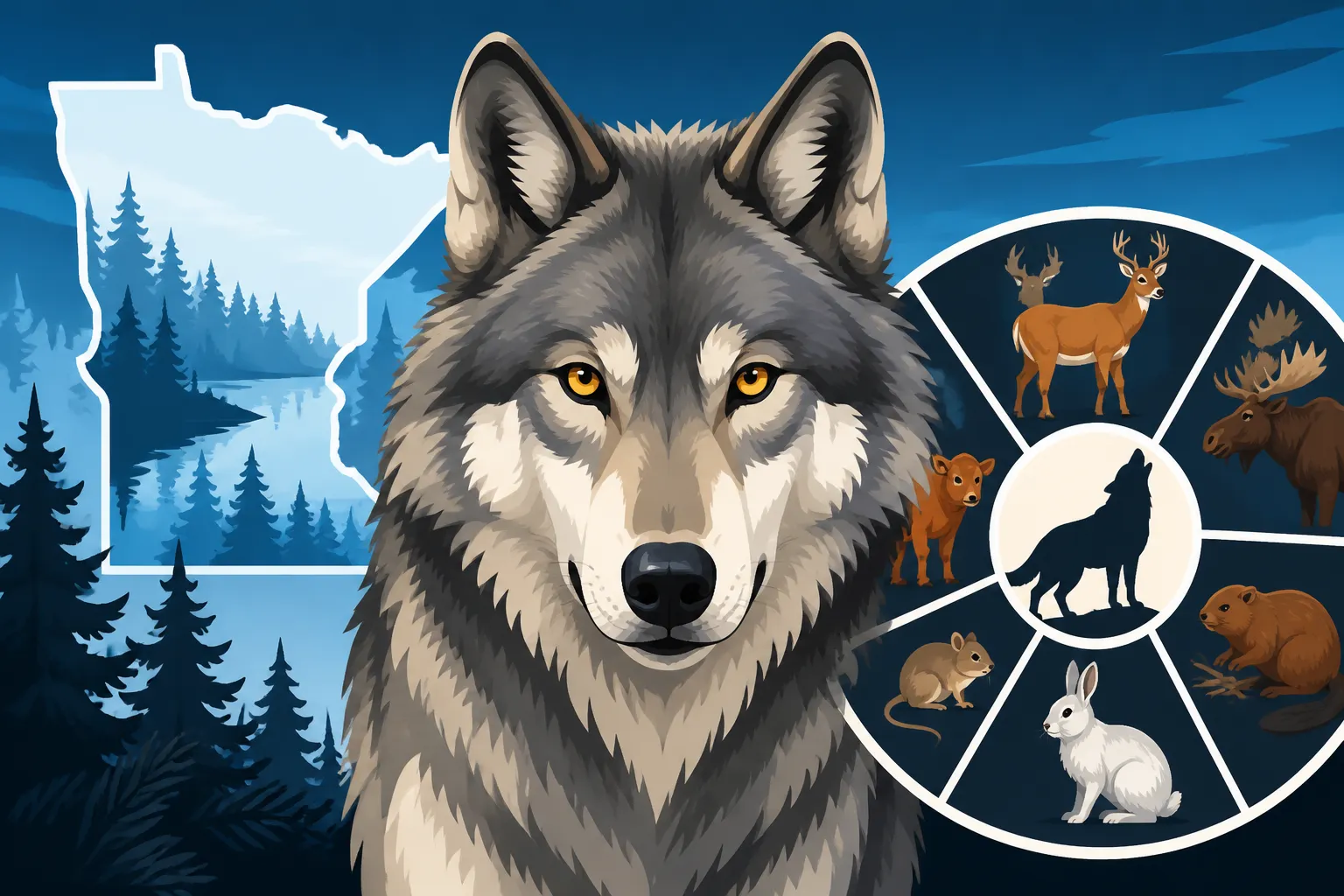
When we talk about what wolves eat in Northern Minnesota, the conversation inevitably starts with ungulates. These large hoofed animals—white-tailed deer and moose—form the cornerstone of a wolf's diet, providing the high-calorie, nutrient-rich meals necessary to sustain a pack. The dynamics between wolves and their primary prey are complex, a constant dance of predator and evade that shapes both populations. A healthy wolf population usually reflects a healthy, if challenged, prey base.
White-tailed Deer as the Staple
For most wolf packs across the vast northern forests of Minnesota, white-tailed deer are the bread and butter. These agile and abundant animals make up the largest percentage of a wolf's diet, especially outside of the core moose range. Wolves are incredibly efficient hunters, and while they can and do take healthy deer, they often focus their efforts on individuals that are easier to catch. This includes the very young, like fawns in spring and summer, the old and infirm, or those weakened by disease, harsh weather, or injuries.
A wolf pack’s success often hinges on its ability to identify and isolate these vulnerable individuals. Imagine a pack moving silently through a snow-covered stand of pines near Isabella or Ely. They might pick up the scent of a deer that's been favoring a leg, or an older doe struggling to keep up with a smaller, more spry group. The chase might be short and brutal, or it could be a long, drawn-out affair covering significant ground, pushing deer to their limits until one falters. This natural selection process, while tough to witness, plays a crucial role in maintaining the overall health and vigor of the deer herd, preventing overpopulation that could lead to widespread disease or habitat degradation. White-Tailed Deer Across Minnesota are a crucial component of our northern ecosystems, and their interactions with wolves are a key part of that balance.
Moose: A Challenging but Rewarding Meal
While deer are the staple, moose represent a far more substantial, albeit riskier, meal for a wolf pack, particularly in the deep wilderness of northeastern Minnesota where Moose Sightings in Northeast Minnesota are more common. An adult bull moose can weigh over a thousand pounds, dwarfing even the largest wolf. Taking down such a formidable animal is a monumental task, demanding coordinated effort, immense strength, and often a degree of luck. Because of this, wolves rarely target healthy, prime-age adult moose.
Instead, packs will focus on moose calves, which are vulnerable in their first year of life, or cows and bulls that are old, sick, or injured. The deepest snows of winter can also make moose more vulnerable, as their massive bodies struggle to move through drifts that a nimble wolf can navigate more easily. A successful moose kill can sustain a pack for days, even weeks, providing a massive caloric boost crucial for survival, especially during lean times. This selective predation on weakened individuals contributes to the health of the moose population, just as it does with deer, by removing less fit animals from the breeding pool. Understanding Minnesota's Black Bear Population and other large animals also helps illustrate the rich tapestry of species these wolves share their habitat with.
Filling the Gaps: Smaller Mammals and Opportunistic Feeds
While deer and moose are the primary targets, a wolf's diet is far from exclusive. Wolves are incredibly adaptable predators and scavengers, and they won't pass up an easy meal, no matter how small or how it comes their way. This flexibility is key to their survival in a diverse and sometimes unpredictable environment like Northern Minnesota.
Beaver, Hare, and Other Forest Critters
When larger prey is scarce, or simply harder to catch, wolves will readily turn their attention to smaller game. Beavers are a surprisingly common and important food source for wolves, particularly during the spring and fall. These chunky rodents provide a significant amount of fat and protein. Wolves will often patrol waterways and shorelines, ambushing beavers when they're out of the water or even digging into beaver lodges and dens. A single beaver can offer a substantial meal for a wolf.
Snowshoe hares are another critical component of the wolf diet, especially in areas where conifer forests provide ample cover for both hares and their predators. When Snowshoe Hare Numbers in Minnesota are high, wolves will readily hunt them, along with cottontail rabbits and various squirrel species. While these smaller animals provide less sustenance per kill, they are more abundant and often easier to catch, especially for individual wolves or smaller groups. Occasionally, a wolf might even snag a ruffed grouse or another ground-dwelling bird if the opportunity presents itself. These smaller, more frequent meals, though less impactful than an ungulate kill, add up and can prevent starvation when times are tough.
Scavenging and Opportunistic Eating
Perhaps one of the most underappreciated aspects of a wolf's diet is their role as scavengers. Wolves are highly opportunistic and will readily consume carrion whenever it's available. This is particularly true during the late winter and early spring when deer and moose, weakened by harsh conditions, may succumb to starvation, disease, or accidents. Hunters also inadvertently provide a food source through gut piles left after a successful deer harvest. A wolf will quickly locate and clean up such a pile, making efficient use of every calorie available in the landscape. Finding Sign in Minnesota Big Woods might just lead you to a wolf's recent meal, whether it was a fresh kill or a scavenged carcass.
Roadkill is another source of sustenance. While dangerous for the wolves themselves, a deer or moose hit by a vehicle can quickly attract a hungry pack, providing a free meal without the energy expenditure and risks associated with a live hunt. This scavenging behavior not only helps wolves survive but also plays an important ecological role by cleaning up carcasses and recycling nutrients back into the environment. It highlights their role not just as hunters, but as vital contributors to the overall health of the forest. The GoHunt app can sometimes help you identify areas where wildlife crossing signs are prominent, potentially indicating areas of higher roadkill presence, though this isn't the app's primary function.
Seasonal Dietary Shifts and Habitat Influence
The diet of a Northern Minnesota wolf pack isn't static; it ebbs and flows with the seasons, directly influenced by prey availability, weather conditions, and the specific habitat they call home. A wolf's ability to adapt its feeding strategy throughout the year is a testament to its incredible survival instincts.
Winter's Feast and Famine
Winter in Northern Minnesota can be brutally long and cold, and it profoundly shapes the wolf's diet. While deep snow can make travel difficult for wolves, it often proves more challenging for their primary prey. Deer, especially, struggle to move through heavy snow, making them more vulnerable to predation. Moose also expend more energy in deep snow, sometimes leading to exhaustion or starvation, creating opportunities for wolves. This is when the largest kills often occur. A single deer or moose kill in deep winter can sustain a pack for days, even a week, before they need to hunt again. The frozen ground also preserves carcasses longer, allowing for repeated visits.
However, winter can also be a time of famine. If deer numbers are low, or if the snow isn't deep enough to significantly hinder prey, wolves must work harder for their meals. How Severe Winters Hit Northern Deer Herds directly impacts wolf hunting success. This is when scavenging becomes even more critical, with packs ranging widely to find any available carrion. They'll also turn to smaller prey like snowshoe hares if their populations are robust. It's a delicate balance of feast and famine, where every calorie counts.
Spring and Summer Variety
As the snow melts and the forest awakens, the wolf's diet shifts to incorporate the abundance of new life. Spring is marked by the birth of fawns and moose calves, which represent incredibly vulnerable, high-value prey. Wolf packs will target these young animals, which are less experienced and often left alone by their mothers for short periods. This period provides a relatively easier source of high-energy food for growing wolf pups.
Summer brings an even greater variety. While deer and moose continue to be hunted, wolves will also take advantage of smaller prey that is more active, such as beavers, rabbits, and even ground-nesting birds and their chicks. Surprisingly, during lean times, wolves have been observed consuming fruits, berries, and even insects, though these typically make up a very small, supplementary portion of their diet. The warmer months allow for a more diverse menu, but also mean prey animals are generally healthier and more mobile, making hunting challenges different from the winter months. For hunters scouting in the warmer months, services like GoHunt can help identify prime habitat for both game and predators, by analyzing terrain and vegetation. Scouting Minnesota Public Land Before Season is crucial for understanding these seasonal changes.
Fall Fattening: Preparation for Winter
Fall is a transitional period where wolves capitalize on prey that are moving more and often distracted by the rut. Deer are more active during the breeding season, making them potentially more vulnerable as they chase does or respond to calls. As animals begin to put on fat for the coming winter, they become more appealing targets, offering richer sustenance. Wolves, too, are working to put on weight in preparation for the lean winter months.
This season also sees an increase in smaller game activity as animals forage intensely before snow covers the ground. Beavers are busy building up their food caches, and hares and other rodents are active, providing accessible meals. For wolves, fall is a critical time to ensure the pack, especially the young of the year, is robust enough to survive the coming cold. It’s a period of intense hunting and opportunistic feeding, maximizing every chance to secure a meal before the landscape freezes over. Reading Aerial Photos for Big Woods Deer can sometimes reveal travel corridors that might also be used by wolves in pursuit of deer.
How Researchers Track Wolf Diets and How You Can Too
Understanding what wolves eat isn't just about curiosity; it's vital for wildlife management and conservation efforts. Scientists employ various methods to piece together the wolf's dietary puzzle, and surprisingly, even a keen observer in the woods can pick up on some of these clues.
Scat Analysis and Carcass Investigations
The most common and effective way researchers determine a wolf's diet is through scat (fecal) analysis. When wolves eat, indigestible materials like hair, bone fragments, and teeth pass through their digestive system and are expelled. Collecting and analyzing wolf scat allows biologists to identify the species consumed, and by examining hundreds or thousands of samples, they can get a comprehensive picture of a pack's diet over time and across different seasons. This scientific method helps quantify the proportion of deer versus moose, or beaver versus hare, in their overall intake.
Another crucial method involves investigating kill sites. When researchers find a fresh carcass that shows signs of wolf predation – specific bite marks, dragging patterns, and how the animal was consumed – they can confirm the prey species. Often, the remains of deer or moose are found, but occasionally smaller animals, or even scavenged portions of other predators' kills (like a bear's unsuccessful hunt), are discovered. This direct evidence is powerful, providing clear insights into hunting behavior and prey selection. Minnesota Wildlife Disease Monitoring can also tie into these investigations, especially if a killed animal shows signs of illness.
Reading the Landscape for Wolf Signs
For those of us who spend time in Northern Minnesota's backcountry, observing wolf signs can be a fascinating way to connect with the wilderness. You might not be doing scientific scat analysis, but you can certainly become adept at reading the clues wolves leave behind. Look for tracks in snow or mud, especially along old logging roads, trails, or frozen lake edges. The size and stride length often give away a wolf's presence. GoHunt, a navigation and mapping application, can be particularly useful here, as you can mark potential wolf tracks or sign on your map, helping you establish patterns of movement and activity in different areas.
Keep an eye out for scat – if you find large, rope-like droppings full of hair and bone, it's a strong indicator of a recent wolf meal. If you stumble upon a carcass in the woods, take a moment to observe it from a safe distance. Look for signs of how the animal died: Were there signs of a struggle? What parts of the animal were consumed? This kind of field observation, coupled with a general understanding of Where Minnesota Wolves Live, can give you a real appreciation for the complex interactions happening all around us in the Minnesota wilderness.
Here's a quick overview of typical wolf diet components by season:
| Season | Primary Prey | Secondary Prey / Opportunistic | Notes |
|---|---|---|---|
| Winter | White-tailed Deer, Moose | Carrion, Snowshoe Hares | Deep snow aids predation; scavenging critical. |
| Spring | Fawns, Moose Calves | Beavers, smaller rodents | Focus on vulnerable young; pups are born. |
| Summer | White-tailed Deer, Beavers | Hares, Rabbits, Birds, Berries | More diverse diet; prey generally healthy and mobile. |
| Fall | White-tailed Deer, Moose | Beavers, Hares, Carrion | Prey are active (rut); wolves fattening for winter. |
Disclaimer
This article is for general informational purposes only and does not constitute professional advice. Laws, prices and regulations vary by location and change over time. Consult a qualified professional for guidance on your specific situation.