Trapping Minnesota Muskrat and Beaver
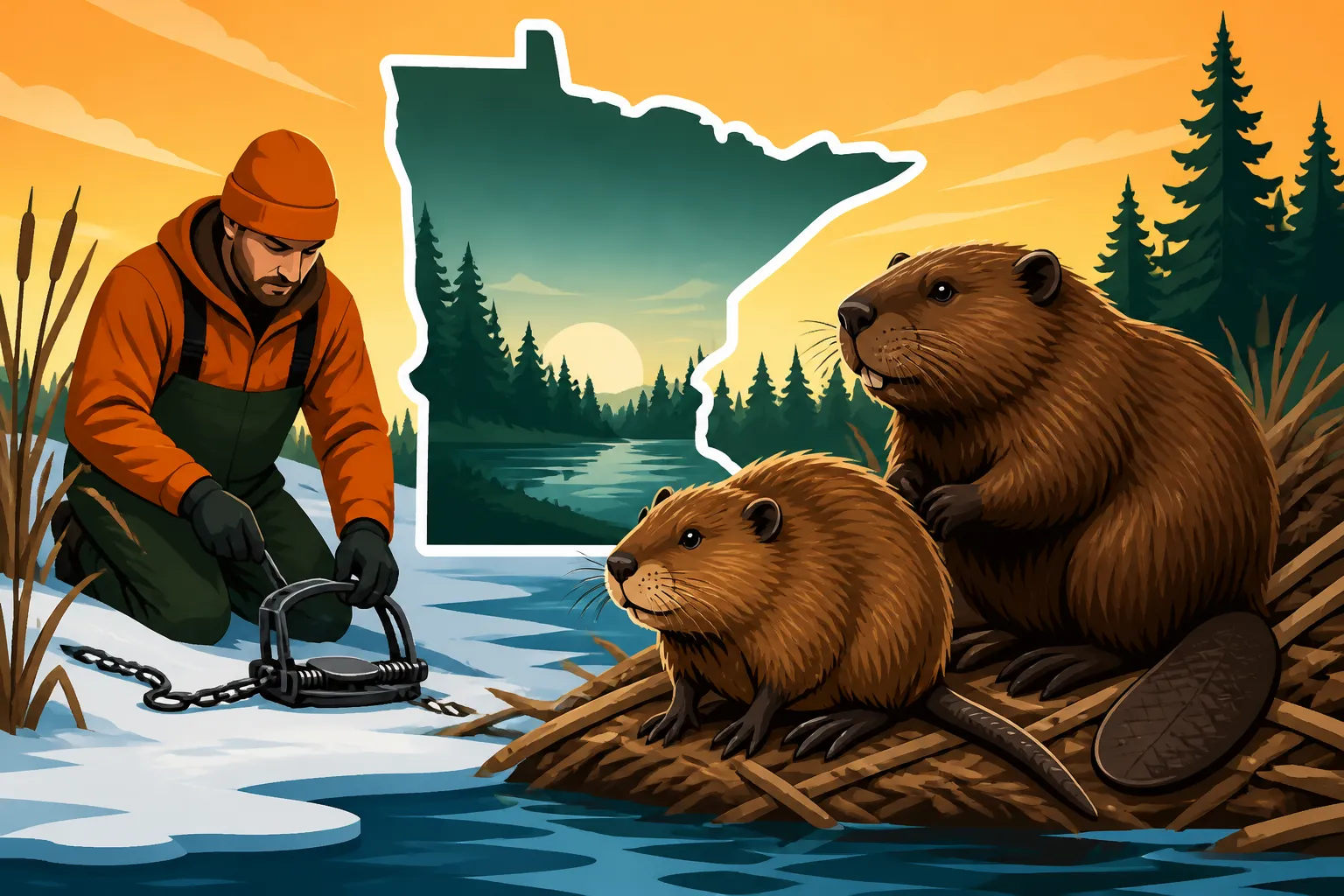
The crisp Minnesota air, the quiet rustle of cattails, or the deep thrum of a remote northern creek—these are the settings where the challenge and reward of trapping truly come alive. For many, the thought of trapping conjures images of historical pioneers, but the reality for modern Minnesota trappers involves a blend of tradition, skill, and strict adherence to regulations. This guide is here to walk you through the ins and outs of ethically and effectively trapping two of Minnesota's most common and valuable furbearers: muskrats and beaver.
Navigating Minnesota's Furbearer Regulations
Before you even think about setting a trap, understanding and strictly adhering to Minnesota's trapping regulations is paramount. The Minnesota Department of Natural Resources (DNR) sets the rules to ensure sustainable populations and ethical practices. Ignoring these guidelines can lead to heavy fines and loss of trapping privileges, so it's not something to take lightly.
First and foremost, you'll need the appropriate licenses. Every trapper, regardless of age, needs a valid Minnesota trapping license. These aren't just a formality; they directly fund wildlife management efforts that keep furbearer populations healthy. For non-residents, the license costs are typically higher, but the requirements are similar. You can find detailed information on costs and options in our guide on Minnesota Trapping License Cost. It's also vital to carry proof of your license, whether a physical copy or via the DNR's eLicense system on your phone, whenever you're in the field.
Season dates are another critical component. These dates vary by species and sometimes by zone, so always check the current DNR Furbearer Regulations Handbook before heading out. Generally, muskrat and beaver seasons typically open in late October or early November and extend through the winter months. For specific opening days, refer to our comprehensive article on Minnesota Trapping Season Opening Dates. These season structures are designed to allow furbearers to raise their young and ensure healthy breeding populations for the future.
Beyond licenses and seasons, legal trap types and sizes are strictly defined. Minnesota mandates specific trap types and dimensions to ensure humane capture and minimize non-target species. For muskrats, common traps include smaller body-grip traps (like Conibear 110s) and foot-hold traps (like a #1 or #1.5 coil spring). Beaver, being much larger and stronger, require heavier-duty traps, such as larger body-grip traps (like Conibear 330s) or #3 or #4 foot-hold traps. Using oversized traps for muskrats, for example, could lead to unnecessary injury or the capture of unintended animals. Conversely, a trap too small for a beaver is not only ineffective but potentially inhumane. Always ensure your traps are legal for the species you are targeting and that you understand how to properly set and stabilize them.
Finally, trap tagging and checking requirements are non-negotiable. Every trap you set in Minnesota must have a durable, waterproof tag attached, clearly displaying your name and DNR license number. This is for identification and accountability. Furthermore, all traps must be checked at least once every 24 hours. This requirement is in place to ensure any caught animals are dispatched quickly and humanely, or released if it's a non-target species. This 24-hour rule is a commitment; if you can't be there to check your traps, don't set them. Responsible trapping means consistent monitoring.
Essential Gear for the Minnesota Trapper
Just like any outdoor pursuit, having the right gear can make all the difference between a frustrating outing and a successful, efficient one. Trapping, especially in Minnesota's varied and often harsh conditions, demands specialized equipment that can withstand the elements and perform reliably. Investing in quality gear isn't just about comfort; it's about safety, efficiency, and ensuring humane practices.
Your primary tools, of course, are the traps themselves. As mentioned, for muskrats, you'll primarily be using smaller body-grip traps like the Conibear 110 or smaller coil-spring or long-spring foot-hold traps. For beaver, you’ll step up to much larger and more powerful body-grip traps, typically the Conibear 330, or robust foot-hold traps in sizes #3 or #4. When purchasing traps, look for reputable brands known for durability and strong springs. Trap safety setters are absolutely crucial for body-grip traps; these tools allow you to compress the powerful springs safely, preventing painful accidents. Never try to set a large body-grip trap without one – it's an invitation for injury.
Beyond the traps, a comprehensive toolkit is essential. A pair of chest waders is non-negotiable for working in Minnesota's wetlands, sloughs, and along riverbanks where muskrats and beaver thrive. Good quality waterproof gloves are also a must, not just for warmth and protection from water, but also to minimize human scent on your sets. Other critical tools include:
- Pliers/Wire Cutters: For adjusting traps, securing wires, and repairing snares.
- Trowel/Shovel: For digging trap beds, creating dams, or concealing traps.
- Snare Wire/Cable: For securing traps to anchors, building drowning wires, or creating dispatch snares.
- Axe/Hatchet: Especially useful for beaver trapping to cut branches for bait or clear brush for sets.
- Drag/Sled: For hauling traps, equipment, and harvested furbearers, especially when you're Running a Trapline in Northern Minnesota where distances can be significant.
- Headlamp/Flashlight: Essential for early morning starts or late evening checks, particularly as Minnesota days shorten in the trapping season.
- Compass/GPS Device: Whether it's a dedicated GPS unit or a reliable phone app, knowing your location and being able to mark trap sites is vital, especially on sprawling public lands. Many trappers leverage detailed mapping features offered by services like GoHunt to mark prospective locations and existing trap lines.
- Lures/Baits: While some traps can be set blind (without bait), effective lures and baits significantly increase your success rates. Muskrat lures often have a sweet, musky smell, while beaver lures commonly utilize castor or a blend of scents that mimic their natural odors. For beaver, fresh aspen or willow branches are excellent natural baits.
| Trap Type | Target Species | Pros | Cons |
|---|---|---|---|
| Body-Grip (Conibear 110) | Muskrat | Quick, humane kill; compact; versatile | Requires careful placement to avoid non-targets |
| Foot-Hold (#1, #1.5) | Muskrat | High catch rate; live capture possible | Requires dispatch; may cause injury if not checked promptly |
| Body-Grip (Conibear 330) | Beaver | Highly effective, quick kill | Very powerful, requires safety setters; heavy |
| Foot-Hold (#3, #4) | Beaver | Excellent holding power | Requires dispatch; heavier and more difficult to conceal |
Remember, your gear should be well-maintained and in good working order. Rusty or malfunctioning traps are not only less effective but can lead to inhumane catches. Regular cleaning and inspection of your traps and tools will ensure they are ready when the season opens.
Mastering Muskrat Trapping Techniques in Minnesota
Muskrats are prolific in Minnesota's waterways, from small cattail sloughs to river backwaters. They’re relatively easy to trap once you understand their habits and preferred habitat. The key to successful muskrat trapping lies in identifying active areas and setting traps where they naturally travel, feed, or enter their dens.
Before setting any traps, effective scouting is crucial. Spend time observing wetlands, marshes, and slow-moving rivers. Look for muskrat runs—narrow trails they create through vegetation or along the banks. Fresh droppings, feed beds (small platforms of vegetation where they eat), and "push-ups" (mounds of vegetation built over underwater entrances to feed and breathe) are all excellent indicators of active muskrat populations. These are often found in areas that also hold other aquatic game, so familiarizing yourself with locations described in guides like Hunting Minnesota Cattail Sloughs for Deer can be surprisingly helpful for identifying prime muskrat habitat.
Here are some tried-and-true muskrat sets:
- Den Entrance Sets: Muskrats often dig dens into banks, which can be identified by underwater entrances, sometimes with a clear "slide" leading up to them. Place a Conibear 110 or a foot-hold trap directly in the entrance, slightly submerged, so the muskrat must pass through it. Ensure the trap is secured to a drowning wire or a heavy anchor to prevent the animal from escaping or tangling. This method is highly effective because muskrats are creatures of habit.
- Feed Bed Sets: Locate active feed beds, which are typically piles of freshly chewed vegetation. Place a Conibear 110 on the approach to the feed bed, or a foot-hold trap directly on the bed, ensuring it's submerged enough to drown a captured muskrat quickly. You can often use a small piece of carrot, apple, or a commercial muskrat lure as an attractor on these sets.
- Runway/Channel Sets: Muskrats create clear underwater runways, especially in shallow water between denser vegetation. Identify these submerged trails and place a Conibear 110 directly in the run. Guide sticks can be used to funnel the muskrat into the trap, ensuring it triggers the trap mechanism. These "blind sets" are incredibly effective as they capitalize on the muskrat's natural movement patterns.
- Push-Up Sets: In frozen conditions, muskrats will build "push-ups" on top of the ice, which are essentially breathing and feeding holes. Care must be taken not to damage the push-up. Cut a hole in the ice next to the push-up and place a Conibear 110 in the opening, ensuring it's submerged. Again, guide sticks can help direct the muskrat. This is a highly productive winter set.
Always anchor your traps securely. For body-grip traps, a sturdy stake driven into the bank or bottom is usually sufficient. For foot-hold traps set in water, a drowning rig is essential. This involves a wire that slides down a pole or heavy anchor, ensuring the muskrat quickly drowns, preventing suffering and potential escape. When scouting, digital mapping tools offered by services like GoHunt can help you mark precise locations of runs, dens, and feed beds, making your trap line more efficient. Remember that minimizing human scent is always a good practice, so wear gloves and handle your traps as little as possible.
Effective Beaver Trapping Strategies in Minnesota
Beaver trapping presents a different set of challenges and rewards than muskrat trapping. Beavers are larger, stronger, and incredibly intelligent engineers of their environment. Successful beaver trapping requires a deeper understanding of their behavior, an eye for their impressive construction, and the use of more robust equipment.
Like muskrats, the first step is thorough scouting. Look for active beaver lodges (large mounds of sticks and mud), fresh cuttings (trees or branches chewed recently), dams (often an obvious sign!), and well-worn channels or "runs" where they travel between their lodge, food sources, and dam. Understanding the lay of the land, whether it’s a small stream or a section of the Hunting the Mississippi River Backwaters, will dictate your strategy. Beavers are most active at dawn and dusk, so observe during these times if possible to pinpoint their exact travel routes.
Here are some highly effective beaver trapping techniques:
- Dam Sets: Beaver dams are focal points of activity. Look for breaks or narrow spots in the dam where beavers will regularly travel to inspect or repair. You can even intentionally create a small break in a dam to encourage travel through a specific spot. Place a Conibear 330 in this break, fully submerged if possible, and secure it with heavy rebar stakes. The force of the water flowing through the breach will naturally draw beavers to investigate.
- Channel/Runway Sets: Beavers create distinct, deep channels or slides, especially where they exit the water to access food or bring material to their dam. Locate these well-worn paths and set a Conibear 330 directly in the channel. Guide sticks on either side can help funnel the beaver into the trap. Ensure the trap is firmly anchored. For sets in deeper water, a drowning wire and heavy anchor are crucial for a quick, humane dispatch.
- Lodge Entrance Sets: Beaver lodges, much like muskrat dens, have underwater entrances. While these can be tricky to locate without disturbing the lodge, setting a foot-hold trap near an active entrance can be very effective. Submerge the trap and use a "castor mound" set nearby to attract the beaver out of the lodge and towards your trap.
- Castor Mound Sets: Beavers use castor mounds (small piles of mud and debris infused with their musky castor scent) to mark their territory. You can replicate this by building a small mound of mud (about 6-8 inches high) on the bank near the water's edge, within a foot or two of where you want to set your trap. Apply beaver castor lure to the top of the mound. Then, set a foot-hold trap (like a #3 or #4) submerged in the water directly in front of the mound. As the beaver approaches the mound to investigate, it will step into the trap.
- Food Cache Sets: In late fall and winter, beavers build large underwater food caches of branches near their lodge. Identify travel routes to these caches. Placing traps along these routes, especially in constricted areas, can be productive. You can also use fresh aspen or willow branches as bait, wiring them to a submerged stick and placing a trap nearby.
Beaver trapping requires powerful traps, and safety is paramount. Always use trap safety setters when handling Conibear 330s. Their powerful springs can easily break bones if you're not careful. When working in deeper water, robust waders and a boat or canoe can be invaluable for accessing prime locations and setting traps properly. When reviewing maps or scouting new areas, platforms like GoHunt can provide invaluable insights into terrain features and potential beaver habitat, helping you plan your approach more effectively.
Disclaimer
Trapping regulations can change, and it is the individual trapper's responsibility to know and follow all current state and federal laws. This guide is for informational purposes only and does not constitute legal advice. Always consult the most recent Minnesota DNR Furbearer Regulations Handbook before engaging in any trapping activities.