Why the Stillwater CWD Case Matters
When news breaks about Chronic Wasting Disease (CWD) appearing in a new location, especially one that feels close to home like Stillwater, it's completely natural for Minnesota hunters to feel a mix of concern, frustration, and maybe even a little bit of dread. We’ve all been following the CWD story for years, watching it creep across the landscape, but when it lands practically on the doorstep of the Twin Cities metro, it truly hits different. This guide is here to break down why the Stillwater CWD case isn't just another data point, but a significant moment that matters deeply for the future of hunting in our state.
The Alarming Reality of CWD and the Stillwater Wake-Up Call
CWD isn't just a buzzword in hunting circles; it's a very real threat to our deer herd and, by extension, to our hunting traditions. Understanding its nature is key to grasping why a case in a new area carries so much weight.
What is CWD and Why is it So Worrisome?
Chronic Wasting Disease is a nasty, always-fatal neurological disease that affects cervids – that’s deer, elk, and moose, to us hunters. It's caused by abnormal proteins called prions, which slowly build up in the brain and other tissues, essentially causing the animal to waste away, displaying symptoms like extreme weight loss, stumbling, listlessness, and behavioral changes. There's no cure, and once an animal contracts it, its fate is sealed.
What makes CWD so uniquely worrisome is the resilience of these prions. Unlike bacteria or viruses, prions aren't living organisms, so they can persist in the environment – in soil, plants, and even water – for years, possibly decades, remaining infectious. This means that if a deer dies from CWD in a certain area, that ground can remain contaminated, posing a risk to future deer populations that use the same habitat. The disease also has a long incubation period, often years, meaning an infected deer can appear perfectly healthy for a long time while still shedding infectious prions into the environment through saliva, urine, and feces. This silent spread is incredibly difficult to detect and even harder to contain. It's truly a stealthy adversary that threatens the very foundation of deer hunting. You can learn more about the disease and its history in our comprehensive guide, Chronic Wasting Disease in Minnesota Deer.
From Bluff Country to the Metro Edge: The Stillwater Significance
For years, the vast majority of CWD cases in Minnesota were concentrated in the southeastern bluff country, particularly around the Houston and Fillmore County areas, where the disease was first detected in our wild deer herd. These areas became ground zero for intense surveillance and management efforts. Hunters there became accustomed to mandatory testing, carcass movement restrictions, and other regulations designed to slow the spread. While these cases were alarming, they were, for many hunters, geographically distant from their usual hunting grounds.
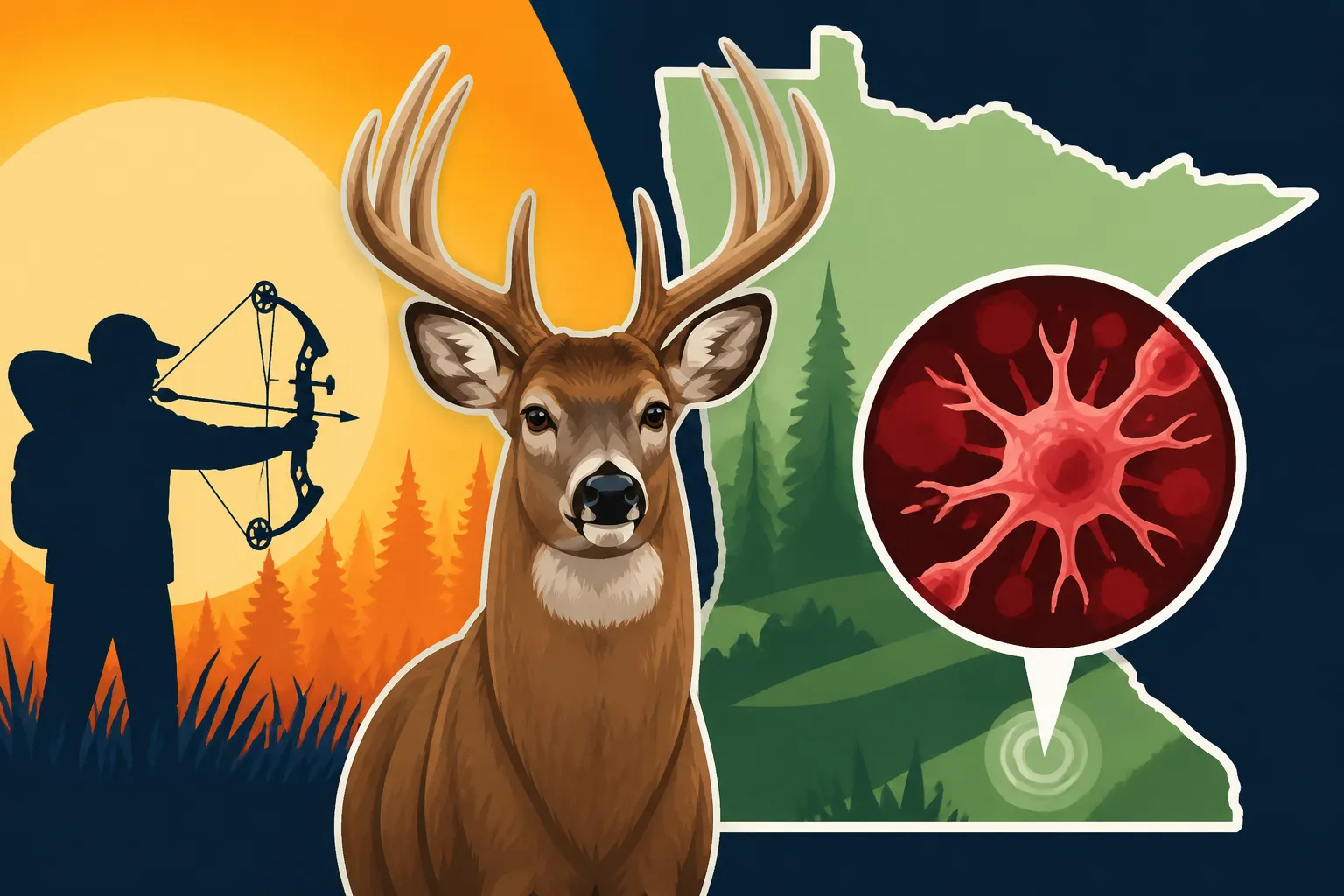
The Stillwater case changes that perception dramatically. Stillwater, located on the eastern edge of the Twin Cities metropolitan area, is not deep bluff country. It's an area with significant suburban development, interspersed with agricultural fields, woodlots, and sprawling exurban properties. A positive CWD test in this region brings the disease far closer to Minnesota's largest population center and into a very different landscape context. This proximity raises significant concerns about potential spread into other metro-adjacent areas, which might not be managed with the same intensity as the established CWD zones. It underscores the insidious nature of the disease and how easily it can move across various landscapes, even those with substantial human presence. Hunters who rely on mapping tools, such as the features found in GoHunt, often use them to delineate property boundaries and understand habitat, but now these tools take on an added importance for staying aware of shifting CWD boundaries and regulations near populated areas. This case really makes us all realize that CWD isn't just "down south" anymore; it's a statewide concern that demands vigilance from every corner of Minnesota. If you're curious about the historical context, check out Where CWD Was First Found in Minnesota.
Navigating New Rules and Responsibilities in CWD Zones
The discovery of CWD in Stillwater will undoubtedly lead to adjustments in how the state manages the disease, potentially impacting hunting regulations, permit areas, and hunter behavior across a broader swath of Minnesota.
Understanding Minnesota's CWD Management Framework
Minnesota has a tiered approach to CWD management, typically designating areas as either "CWD Management Zones" or "CWD Surveillance Zones." Management Zones are areas where CWD has been detected in wild deer, and they come with the strictest regulations, including mandatory testing of harvested deer, carcass movement restrictions, and often liberalized antlerless harvest opportunities to reduce deer densities. Surveillance Zones are typically adjacent to Management Zones or have a higher risk of CWD exposure, and they often have mandatory or voluntary testing requirements, along with specific rules regarding baiting and feeding.
The Stillwater case presents a unique challenge because of its location. It's not contiguous with existing CWD Management Zones in the southeast, nor is it within a traditionally defined high-risk area far from the metro. This single detection could trigger the creation of a new, isolated CWD Management Zone or a significant expansion of a Surveillance Zone around the Stillwater area. This means hunters in that region, who may have previously been unaffected by CWD regulations, could suddenly find themselves subject to mandatory testing, special hunting periods, and carcass restrictions. It's a stark reminder that staying informed about your specific permit area's status is paramount. Our guide on CWD Management Zones in Minnesota and CWD Surveillance Zones in Minnesota provides more details on these classifications.
Carcass Movement, Baiting Bans, and Mandatory Testing
When a CWD positive deer is found, especially in a new location, the Minnesota Department of Natural Resources (DNR) implements stringent rules aimed at preventing further spread. The most critical of these often involve carcass movement. Hunters harvesting a deer within a CWD Management or Surveillance Zone are typically restricted from moving the entire carcass out of that zone. Only deboned meat, antlers attached to a clean skull plate, hides, and taxidermy-ready skulls can usually cross zone boundaries. This is because CWD prions are concentrated in the brain, spinal cord, lymph nodes, and spleen, so limiting the movement of these parts is crucial.
Furthermore, feeding and baiting bans are a common tool used in CWD affected areas. The reasoning is simple: concentrating deer at bait sites or feed piles increases nose-to-nose contact, which facilitates the transmission of prions between animals. These bans can be frustrating for hunters who rely on baiting or supplemental feeding, but they are a necessary measure to slow the disease's spread. Lastly, mandatory CWD testing of harvested deer becomes a reality in these zones. While it can add an extra step to your hunting trip, it's the most effective way for the DNR to monitor the disease's prevalence and geographic spread. Understanding and adhering to these rules is not just about compliance; it's about being a responsible steward of Minnesota's deer herd. Always check the current regulations for Minnesota Carcass Movement Restrictions and Minnesota Feeding and Baiting Bans in CWD Zones before heading out. To help illustrate the impact, here's a simplified look at potential rules:
| Rule Category | Standard Hunting Area | CWD Surveillance Zone | CWD Management Zone |
|---|---|---|---|
| Carcass Movement | Unrestricted | Generally unrestricted, but check advisories for high-risk parts | Deboned meat, skull plate, hide only allowed out of zone |
| Mandatory Testing | Not required | Voluntary or targeted sampling (check specific areas) | Required for all harvested adult deer |
| Baiting & Feeding | Generally allowed (check local ordinances) | Often restricted or banned | Strict ban on all baiting and feeding |
| Hunter Choice Permits | May be offered | May be offered or modified | Often increased availability to reduce deer density |
This table is a generalized overview; specific regulations can vary greatly by permit area and change based on new CWD detections, so always consult the latest DNR guidelines. When you harvest a deer, knowing Finding a Minnesota CWD Sampling Station near you will be crucial.
Direct Impacts on the Minnesota Hunter
The ripple effects of a CWD case in a new area like Stillwater extend far beyond just new regulations. It can influence deer populations, hunting opportunities, and even the very spirit of the hunt for many.
Changes to Deer Seasons and Permit Area Dynamics
When CWD is detected in a new area, the DNR often responds by adjusting deer seasons and permit area regulations with the primary goal of reducing deer density to slow the disease's spread. This can manifest in several ways. For example, areas might see an increase in antlerless permit availability, either through over-the-counter sales or a higher success rate in the Antlerless Lottery Deadline in Minnesota. Special hunt opportunities, potentially outside the regular firearm season, might be introduced to encourage higher harvest rates. In some cases, season lengths could be extended, or specific weapon types might be prioritized to maximize harvest efficiency.
These changes can alter traditional hunting patterns. Hunters accustomed to specific permit area rules might find themselves needing to adapt to new quotas or weapon restrictions. For instance, an area previously managed for quality deer might shift towards population reduction, impacting hunters primarily seeking trophy animals. The Stillwater case, being near an urban interface, could also lead to considerations for nuisance deer management that intersect with CWD control, creating unique hunting opportunities or restrictions in localized pockets. It's a reminder that Minnesota Deer Seasons and Permit Areas are not static; they are dynamic tools used to manage both deer populations and disease. Understanding these potential shifts is crucial for planning your hunting season, and staying up-to-date on How Many Minnesota Counties Have Found CWD helps provide context.
Ethical Considerations and Hunter Participation
Beyond the practical changes, a CWD detection close to home raises significant ethical questions and can impact hunter participation. Many hunters are naturally concerned about consuming venison from CWD-positive animals. While public health agencies indicate no evidence of CWD transmission to humans, the recommendation is to avoid eating meat from infected deer. This concern can lead some hunters to hesitate, or even stop, hunting in affected areas. The added step of CWD testing, and the wait for results, can also be a deterrent for some, especially those who prefer immediate processing of their harvest.
The ethical dilemma extends to the purpose of hunting itself. For many, hunting is about connecting with nature and harvesting healthy, wild protein. When disease becomes a dominant factor, it can shift the focus from traditional pursuits to disease management. However, this is also where hunters become absolutely critical partners in conservation. By participating in mandatory testing, adhering to carcass movement rules, and contributing to harvest efforts, hunters are on the front lines of CWD management. Their participation is vital not just for managing the disease, but also for maintaining the integrity and public perception of hunting in Minnesota. Tools like GoHunt can help hunters find alternative areas if they're particularly concerned about CWD in their usual spots, or to simply navigate the new boundaries and rules with precision.
Empowering Yourself: What Hunters Can Do
Facing CWD can feel overwhelming, but Minnesota hunters are not powerless. There are concrete steps we can all take to be part of the solution and ensure the health of our deer herd for generations to come.
Staying Informed and Practicing Responsible Hunting
The first and most crucial step is to stay informed. Don't rely on rumors or outdated information. Regularly check the Minnesota DNR website for the latest CWD updates, particularly for your specific hunting permit area. Pay close attention to any changes in regulations regarding mandatory testing, carcass movement, and baiting bans. Ignorance of the rules is not an excuse, and adherence is critical for preventing further spread.
Beyond knowing the rules, practice responsible hunting techniques. If you harvest a deer in a CWD-affected area, be prepared to have it tested. Learn how to Field Dressing a Deer in Cold Weather properly to minimize potential spread of prions. This involves leaving higher-risk parts like the brain and spinal column in the field where the animal was harvested, if allowed, or properly disposing of them. Consider using the gutless method of field dressing to further reduce the amount of material that leaves the kill site. Additionally, using tools like the Scouting With the Minnesota Recreation Compass App or the detailed mapping available through platforms like GoHunt can help you understand public land boundaries, CWD zone lines, and identify sampling stations. This level of preparation and awareness empowers you to hunt effectively and responsibly, knowing you're doing your part to protect the herd. Remember to Registering a Minnesota Deer Online promptly after harvest, as this data is crucial for wildlife managers.
Advocating for Sound Management and Community Engagement
Our collective voice as hunters is powerful, and it's essential that we use it to advocate for sound CWD management strategies. Attend public meetings or provide feedback during comment periods on proposed CWD regulations. Share your perspectives and experiences, as local knowledge is invaluable. Engage in respectful conversations with fellow hunters, landowners, and non-hunters about the importance of CWD management. Explaining why certain rules are in place, like Minnesota Carcass Movement Restrictions or baiting bans, can help foster understanding and compliance.
This isn't just a government problem; it's a community problem that impacts all who value Minnesota's wildlife. We need to be partners with the DNR, offering constructive input and support for initiatives that protect the deer herd. Whether it's volunteering at a CWD sampling station, encouraging testing among your hunting group, or simply adhering strictly to all regulations, every action contributes to the larger effort. By staying active and engaged, we ensure that our hunting heritage remains vibrant and our deer populations healthy for future generations. GoHunt provides resources that help hunters connect with their local hunting community and stay abreast of regional discussions and initiatives, further solidifying the role of informed hunter engagement.
Disclaimer
This article is for general informational purposes only and does not constitute professional advice. Laws, prices and regulations vary by location and change over time. Consult a qualified professional for guidance on your specific situation.