West Nile Virus in Minnesota Grouse
There's nothing quite like the heart-stopping flush of a ruffed grouse in Minnesota's northwoods, but lately, a lot of us have been hearing whispers and seeing unsettling reports about West Nile Virus (WNV) affecting our beloved "thunder chickens." It's completely natural to feel a pang of worry when a disease threatens a game species we cherish, and many hunters are asking valid questions: Is it safe to hunt? Are the birds okay? This guide is here to cut through the noise and give you a comprehensive understanding of what West Nile Virus means for Minnesota grouse, for you, and for the future of this iconic upland hunting tradition.
What is West Nile Virus and How Does It Affect Grouse?
West Nile Virus is a mosquito-borne illness that, while often talked about in the context of human health, can have a significant impact on various wildlife species, particularly birds. For many Minnesota hunters, the thought of an invisible threat impacting our ruffed grouse populations is deeply concerning, especially given how much we value these birds and the habitat they rely on. Understanding the disease itself is the first step toward understanding its impact.
The Virus and Its Vector
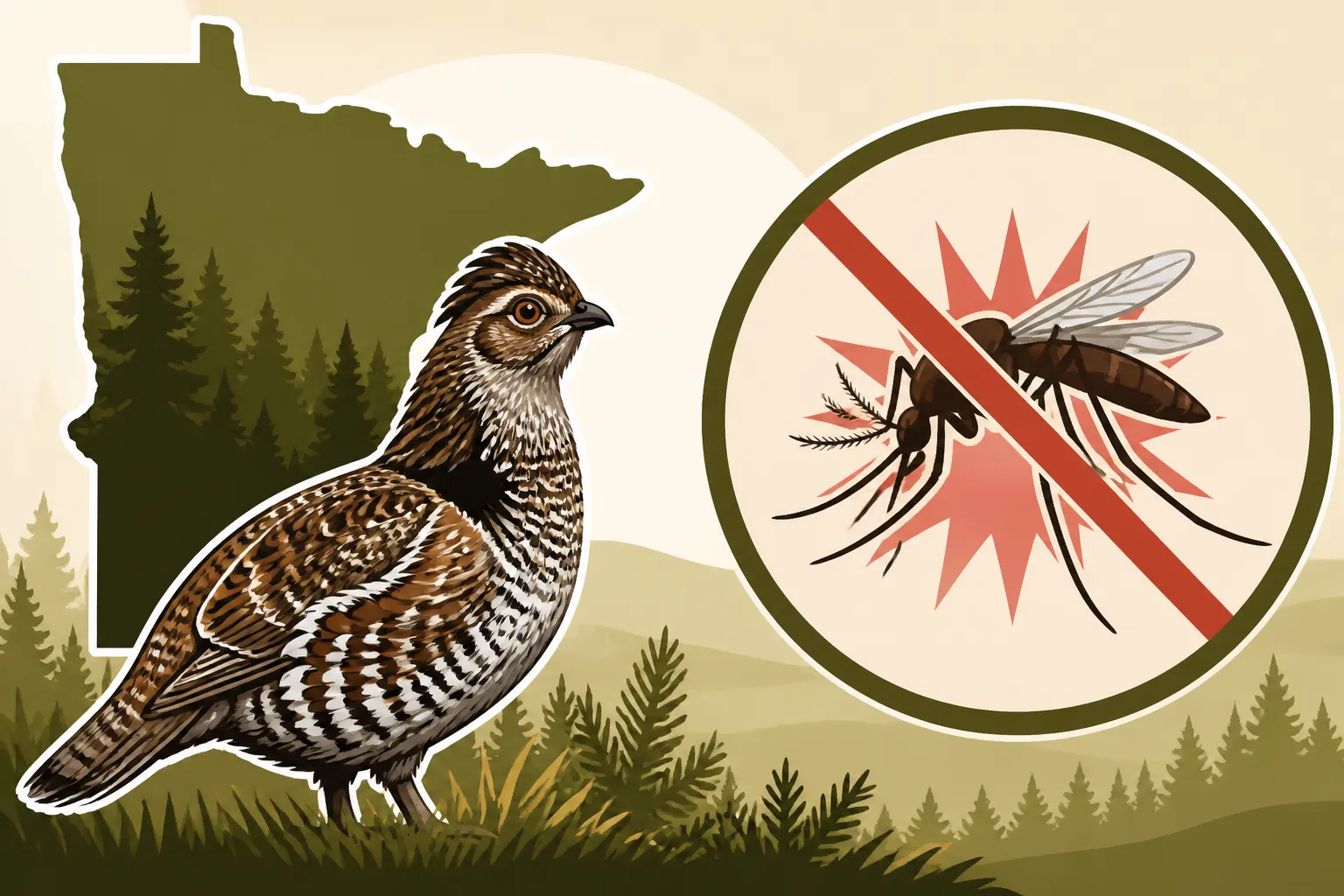
At its core, West Nile Virus is a flavivirus, meaning it belongs to a family of viruses that are typically transmitted by arthropods, in this case, mosquitoes. The lifecycle of WNV involves mosquitoes becoming infected when they feed on infected birds. These mosquitoes then carry the virus and can transmit it to other birds, or even to mammals like horses, humans, or other wildlife, through their bite. It's a complex ecological dance, and our ruffed grouse, unfortunately, are part of the equation.
It’s not just any mosquito either; specific species are more efficient at carrying and transmitting WNV. They thrive in wet environments, making many parts of Minnesota, with its abundance of lakes, rivers, and marshes, prime territory for their populations to flourish. The peak season for WNV transmission usually aligns with warm summer months when mosquito populations are at their highest and birds are actively nesting and raising young, which is important when we think about the vulnerability of grouse chicks and adults.
Symptoms in Ruffed Grouse
Unlike some diseases that present with obvious external lesions or deformities, WNV in grouse can be a bit more subtle, making it harder to spot in the wild unless you're specifically looking for it. When a grouse contracts WNV, the symptoms can vary in severity. Some birds might show no outward signs at all and recover, while others can become seriously ill or even die. The frustration for hunters is that you can’t always tell if a bird is sick just by a quick glance.
Common signs of WNV in affected birds can include neurological symptoms such as tremors, uncoordinated movements, difficulty flying, or a general lack of alertness. You might observe a bird acting "tame" or lethargic, not flushing readily when approached, which is certainly out of character for a healthy ruffed grouse. Imagine walking through a classic popple cut, expecting that explosive flush, only to have a bird just sort of wobble away slowly. That's a red flag. These symptoms arise as the virus affects the bird's central nervous system. In severe cases, paralysis or death can occur relatively quickly after the onset of symptoms.
Transmission and Impact on Grouse Populations
The transmission of WNV among grouse occurs primarily through infected mosquitoes. There's no evidence to suggest that grouse can directly transmit the virus to other grouse, or to humans or dogs, through casual contact. This is a key distinction that helps put some hunter fears at ease regarding handling birds. However, the indirect impact on grouse populations is where the real concern lies for the health of our woods.
When a significant number of birds in a local population become infected, especially during nesting season, it can lead to increased mortality, particularly among young birds or those already stressed by other factors like poor habitat or harsh weather. While WNV might not wipe out an entire population overnight, it can contribute to a decline in numbers over time, particularly if successive years have high infection rates. This adds another layer of pressure to an already dynamic population that experiences Minnesota Ruffed Grouse Cycles. Wildlife agencies, like the Minnesota DNR, are constantly monitoring these trends to understand the long-term effects of WNV on grouse and other species, and hunters can often track some of this data through resources like GoHunt.
What Does This Mean for Minnesota Grouse Hunters?
For those of us who live for the crisp autumn air and the thrill of walking through Minnesota's grouse covers, the presence of West Nile Virus raises some understandable questions and concerns. We invest time, money, and passion into our hunts, and the health of the game we pursue is paramount. It’s important to separate the facts from the anxieties when it comes to WNV and its implications for hunting.
Hunter Concerns and Perception
Let's be honest, hearing about a disease impacting wildlife is never pleasant, and it can certainly put a damper on the excitement leading up to grouse season. Many hunters worry about the safety of consuming meat from an infected bird, or the risk of their beloved bird dogs contracting something serious. There's also the deeper concern that WNV could lead to a noticeable decline in grouse numbers, making future hunts less productive or even diminishing the tradition itself. These are legitimate worries that echo conversations around campfires across the state, especially when you're planning a trip to a prime grouse area like those discussed in Grouse Hunting Minnesota Aspen Cover.
The perception that WNV might be a silent killer thinning out the birds can sometimes lead to reduced hunting effort in certain areas, or even a general feeling of unease. Nobody wants to feel like they’re hunting sick animals, and we all want to do our part to ensure the health of the resource. It’s crucial for hunters to seek out reliable information and understand the actual risks, rather than relying on hearsay, to make informed decisions about their hunting season.
Safety for Hunters and Dogs
When it comes to the safety of hunters and their dogs, the good news is that the risk of WNV transmission from grouse to humans or dogs is generally considered very low. Humans primarily get WNV from mosquito bites, not from handling infected birds. Still, basic hygiene practices are always recommended when handling any wild game.
Here’s a simple breakdown of precautions:
| Category | Recommended Precaution |
|---|---|
| Handling Birds | Always wear gloves when field dressing or handling any game bird. This isn't just for WNV, but good practice for preventing exposure to any potential pathogens or bacteria. If you find a bird that appears visibly sick or lethargic, it's best not to harvest it. |
| Cooking Meat | Thoroughly cook all game meat to an internal temperature of at least 165°F (74°C). This will kill any bacteria or viruses, including WNV, that might be present in the meat. The virus is not known to be heat-stable, so proper cooking eliminates any theoretical risk. |
| For Dogs | Dogs can be infected with WNV through mosquito bites, but clinical disease is rare and usually mild. There's no evidence of dogs contracting WNV from ingesting infected bird meat. Some veterinarians recommend a WNV vaccine for dogs, especially those spending a lot of time outdoors in mosquito-heavy areas, so it's worth discussing with your vet. |
| Mosquito Control | Since mosquitoes are the primary vector, using insect repellent on yourself and avoiding peak mosquito activity times (dawn/dusk) can reduce your risk of exposure to the virus. This helps protect you from WNV in general, not just from grouse-related exposure. |
Following these guidelines ensures that you can continue enjoying your time afield and the delicious rewards of a successful grouse hunt with peace of mind.
Impact on Hunting Success
While West Nile Virus is a concern for wildlife health, its direct impact on hunting success for most hunters might not be as dramatic as some fear. Yes, a localized outbreak could potentially reduce bird numbers in a specific area for a season or two, but across the vast grouse range in Minnesota, it's often more of a contributing factor to population dynamics rather than a primary driver of success rates. Hunters are often more impacted by factors like Minnesota Ruffed Grouse Numbers Today and habitat availability, which is why Aspen Management and Minnesota Grouse is so critical.
That said, if a hunter consistently encounters birds exhibiting WNV symptoms – birds that are slow to flush, lethargic, or showing neurological issues – it's a good indication that particular spot might be experiencing a higher infection rate. In such cases, a responsible hunter might choose to move to a different area or focus their efforts elsewhere. However, for the majority of healthy birds, the pursuit remains the same, requiring good dog work or effective Flushing Grouse Without a Dog techniques. Hunters using tools like GoHunt often consult various data sources, including habitat maps and harvest reports, which can sometimes provide clues about localized bird health trends, though specific WNV prevalence maps for grouse are not typically available to the public.
Recognizing and Reporting Sick Grouse
One of the most powerful tools we have as hunters and conservationists is our presence in the field. We are often the first to observe changes in wildlife behavior or health. Being able to recognize the signs of a sick grouse and knowing how to report it responsibly is crucial for monitoring disease prevalence and helping wildlife agencies understand the scope of WNV in our state.
Visual Signs of WNV in Grouse
Spotting a sick grouse can be tricky because their natural instinct is to hide any weakness. However, there are a few tell-tale signs that should make you pause. A healthy ruffed grouse is alert, quick to flush, and strong in flight. It has bright eyes and a generally robust appearance. When you come across a bird that doesn't fit this description, it's worth paying closer attention.
Look for birds that seem unusually tame or lethargic, allowing you to approach much closer than normal without flushing. They might have a hunched posture, ruffled feathers, or appear disoriented. Neurological signs are key: tremors of the head or body, difficulty standing or walking, or an inability to fly straight or maintain altitude. Sometimes, you might see partial paralysis in their legs or wings. If you harvest a bird and notice anything unusual internally during field dressing, such as discolored organs or unusual lesions, those are also signs that something isn't quite right.
What to Do if You Find a Sick Bird
If you encounter a grouse exhibiting symptoms of WNV, or if you harvest a bird that appears sick or unusually weak, the most responsible action is to not consume it. While the risk of human transmission through cooked meat is low, why take the chance? Instead, it's important to report your observations to the Minnesota DNR. Do not attempt to rehabilitate a sick wild bird yourself; this can cause more stress to the animal and potentially expose you to other pathogens.
When you report a sick bird, try to be as detailed as possible. Note the exact location (GPS coordinates are ideal), the date and time, and a clear description of the bird's symptoms and behavior. If you have a photo or video (taken from a safe distance, of course), that can be incredibly helpful for wildlife officials. This information contributes to the broader understanding of wildlife health and disease patterns across Minnesota's diverse landscapes, from the big woods down to the Best Minnesota Counties for Grouse.
DNR Monitoring and Data Collection
The Minnesota DNR actively monitors wildlife health and disease, including West Nile Virus in various bird species. Your reports are a vital part of this data collection. Wildlife biologists use information from public reports, along with their own field observations and targeted surveillance, to track where and how WNV might be impacting grouse populations. This allows them to assess the severity of outbreaks, understand geographical distribution, and inform management strategies.
The DNR's efforts are part of a larger, ongoing commitment to understanding the health of Ruffed Grouse and Woodcock in Minnesota. They conduct regular surveys, like Minnesota Grouse Drumming Surveys, to estimate population trends, and disease monitoring helps them interpret why those numbers might be fluctuating. By providing accurate and timely information, hunters become crucial partners in conservation, helping the DNR make informed decisions that benefit our game species. Remember, you can always reach out to the DNR directly for guidance on Reporting a Sick Animal in Minnesota or to learn more about Minnesota Wildlife Disease Monitoring.
Managing Risk and Looking Forward
The presence of West Nile Virus in Minnesota's ruffed grouse population is undeniably a challenge, but it's one that we, as hunters and conservationists, can face with knowledge and proactive measures. It's about understanding the reality of the situation, adapting our practices, and maintaining a hopeful outlook for the future of our feathered friends.
Population Resilience and Recovery
Despite the concerns, it's important to remember that wildlife populations, including ruffed grouse, are often remarkably resilient. They've faced various environmental pressures throughout history—harsh winters, habitat changes, and other diseases. While WNV can cause localized mortality events, it doesn't necessarily spell doom for the entire species. Grouse populations are dynamic; they fluctuate due to a combination of factors, and habitat quality often plays the most significant role in their long-term health.
The Minnesota DNR and other conservation groups continue to work on habitat improvement projects, focusing on managing aspen and other early successional forests that are vital for grouse. A strong, healthy habitat base provides grouse with the resources they need to withstand environmental stressors, including disease. When birds have ample food, cover, and breeding opportunities, they are better equipped to recover from challenges like WNV. Thinking about the long game, focusing on sustainable habitat, like the kind found in Why Popple Cuts Grow Grouse, is our best bet for ensuring healthy grouse numbers.
General Health Precautions
Beyond the specific recommendations for handling potentially infected birds, adopting general health precautions is just good practice for any hunter. These are universal steps that help minimize your risk not just from WNV, but from any other potential issues you might encounter in the field:
- Practice good hygiene: Always wash your hands thoroughly with soap and water after handling game animals, especially before eating or touching your face. Hand sanitizer is a good backup when soap and water aren't available.
- Wear gloves: Use latex, nitrile, or other protective gloves when field dressing, skinning, or butchering any game.
- Cook meat thoroughly: As mentioned, ensure all game meat is cooked to the appropriate internal temperature to eliminate pathogens.
- Protect yourself from mosquitoes: Use insect repellent when in areas with high mosquito activity. Wear long sleeves and pants, especially during dawn and dusk.
- Keep your dogs safe: Consult your veterinarian about WNV vaccination for your bird dogs, and always ensure they have fresh water and are checked for ticks after a hunt.
- Stay informed: Keep up to date with wildlife health advisories from the Minnesota DNR or other reputable sources.
By making these practices a routine part of your hunting experience, you're not only protecting yourself but also upholding a standard of responsible hunting that benefits everyone.
The Long-Term Outlook for Minnesota Grouse Hunting
So, what does all this mean for the future of Minnesota grouse hunting? While West Nile Virus is a factor we need to consider, it's unlikely to be the sole determinant of our hunting seasons. The long-term outlook for grouse hunting in Minnesota remains tied to habitat management, weather patterns, and the dedicated efforts of conservationists and hunters alike. We have vast tracts of excellent grouse habitat, and with ongoing work to maintain and improve it, grouse populations will continue to thrive, albeit with their natural fluctuations.
As hunters, our passion for the birds drives us to be good stewards of the land. We support habitat initiatives, follow regulations, and serve as eyes and ears in the woods. While the challenge of WNV is real, it's also an opportunity for us to become more educated and engaged in wildlife health. Resources available through organizations like GoHunt can help you stay informed about broader wildlife trends and public land conditions, enabling you to make the most of your hunting season while being mindful of current ecological factors. The classic grouse flush will continue to echo through Minnesota's forests for generations to come, a testament to the resilience of the species and the commitment of those who cherish them.
Disclaimer
This article is for general informational purposes only and does not constitute professional advice. Laws, prices and regulations vary by location and change over time. Consult a qualified professional for guidance on your specific situation.