CWD Risk to the Minnesota Elk Herd
For those of us who cherish Minnesota's wild places and the incredible animals that call them home, the specter of Chronic Wasting Disease (CWD) is a constant, unsettling presence. We worry about our deer herds, of course, but there's a quieter, equally concerning threat looming: the potential impact of CWD on our majestic elk. This guide will delve into what CWD is, why it poses a risk to Minnesota's small but significant elk populations, and what both hunters and wildlife managers are doing to protect these magnificent animals.
Understanding Chronic Wasting Disease
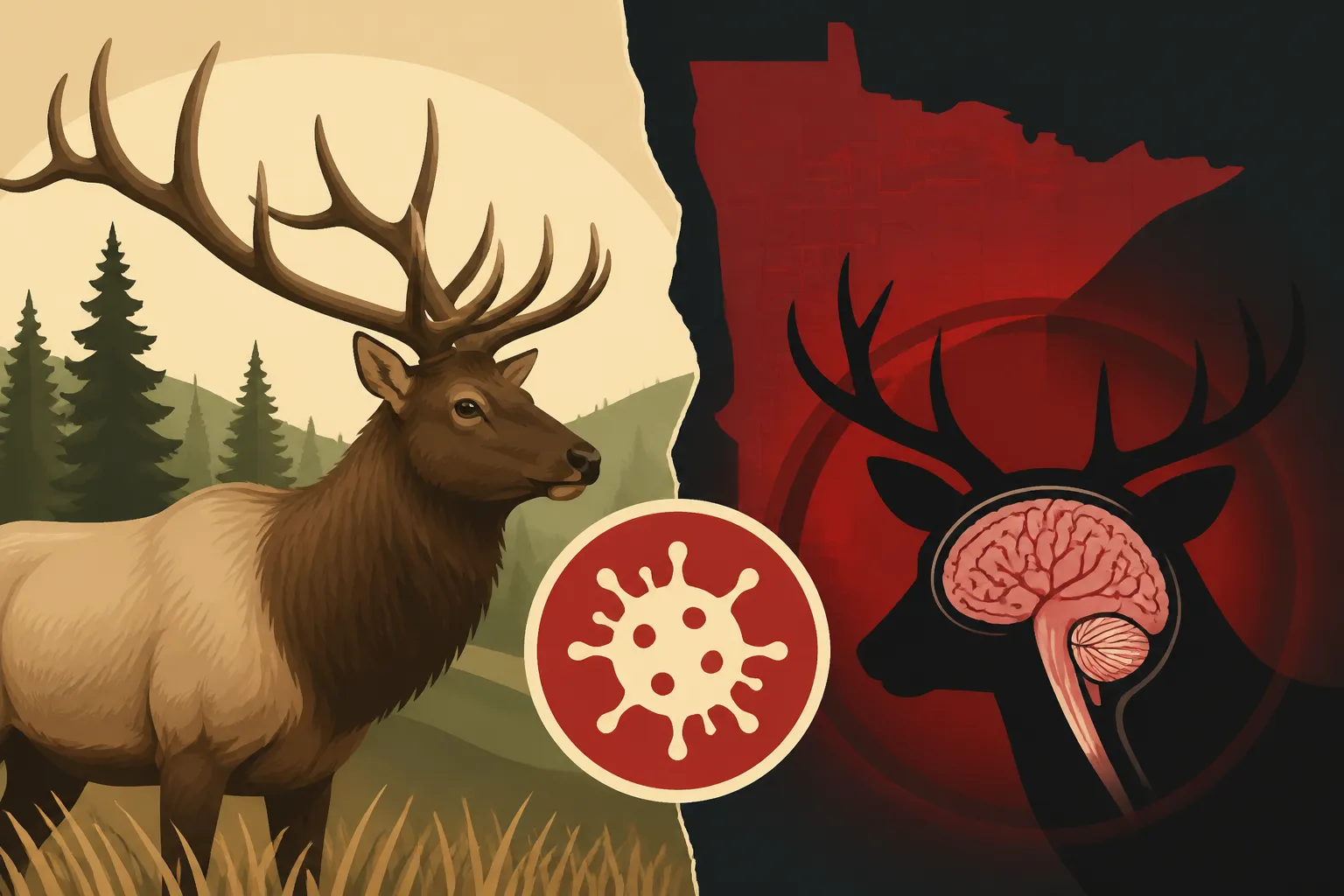
Chronic Wasting Disease is a serious, fatal neurological disease affecting cervids, which include deer, elk, moose, and caribou. It's caused by abnormal proteins called prions that slowly accumulate in the brain and other tissues. The disease literally causes the brain to waste away, leading to a range of symptoms that are heartbreaking to witness in an animal. It's truly a grim diagnosis for any cervid.
The Nature of CWD and Its Spread
Unlike bacteria or viruses, prions are incredibly resilient. They aren't destroyed by typical disinfectants, cooking, or freezing. This makes containing CWD incredibly challenging. Once an animal is infected, these prions can be shed through saliva, urine, and feces, contaminating the environment. Other cervids then pick up these prions by direct contact with infected animals or indirectly by consuming contaminated soil, plants, or water. This environmental persistence is a huge part of the problem. Imagine trying to clean up something that sticks around for years in the very ground where animals feed and live – it's an almost impossible task. For a deeper dive into the specifics of this disease in our local deer, you might want to read our comprehensive article on Chronic Wasting Disease in Minnesota Deer.
Why Elk Are Just as Vulnerable as Deer
While much of the public conversation around CWD in Minnesota focuses on deer, it's crucial to remember that elk are cervids too, and they are just as susceptible to the disease. The prions don't discriminate between a whitetail deer and a towering bull elk. In other states where CWD has been established for longer, it has profoundly impacted elk herds, leading to population declines and management nightmares. The thought of that happening here in Minnesota, especially to our hard-won elk populations, is a genuine fear for many of us.
Minnesota's Elk Herds: A Precious and Vulnerable Resource
Minnesota is home to several distinct elk herds, primarily concentrated in the northwestern part of the state. These aren't vast, roaming herds like you might find out west, but rather precious, smaller populations that represent a tremendous conservation success story. Hunters and wildlife enthusiasts alike hold these animals in high regard, and their well-being is a top priority.
The Story of Minnesota's Elk
The presence of elk in Minnesota is a testament to dedicated conservation efforts. Once extirpated from the state, these magnificent animals were reintroduced and have slowly but steadily re-established a foothold. We now have distinct herds in Kittson and Marshall counties, living in a mix of agricultural land and scattered woodlands. Learning about their journey back is fascinating, and you can explore more in How Elk Returned to Northwest Minnesota. These herds, while small, contribute immensely to the state's natural heritage and offer a unique hunting opportunity that is truly once-in-a-lifetime. Understanding the specific locations and sizes of these populations is key to appreciating their vulnerability; our guide on The Kittson and Marshall County Elk Herds provides more detail.
Proximity to Deer and CWD Zones
Here's where the concern for elk really intensifies. Elk share habitat with deer, especially in areas where their ranges overlap. Even in the relatively wild northwest, deer are plentiful. If CWD were to establish itself more widely in the deer population within or adjacent to elk range, the risk of it jumping to elk would be substantial. While CWD has historically been more prevalent in Minnesota's southeastern deer population, the risk isn't confined there. Surveillance efforts statewide are constant, precisely because of this interconnectedness of cervid populations.
The Mechanisms of CWD Transmission to Elk
It's not just a theoretical risk; the ways CWD could spread from deer to elk are well-understood based on observations from other states. The interactions between these species, while often subtle, provide ample opportunities for prion transmission.
Direct Contact and Environmental Contamination
Deer and elk, particularly during specific times of the year like rut or when concentrated on winter food sources, will inevitably come into direct contact. A CWD-infected deer shedding prions could directly transmit them to an elk browsing in the same area or sharing a water source. Beyond direct contact, the environment itself becomes a reservoir. Prions can persist in soil for years, possibly even decades. This means that if an infected deer lived, died, or even just passed through an area, the soil could become contaminated. Elk feeding on vegetation in that area, or even consuming soil as they browse, could ingest these prions, setting the stage for infection.
Shared Habitat and Movement Patterns
The reality is that deer and elk often use the same landscapes. Whether it's a particular patch of forest, a field edge, or a river corridor, these animals are not living in isolated bubbles. They move through the same woods, drink from the same streams, and sometimes even bed in similar cover. This shared use of space means that any CWD prions shed by infected deer are readily available for elk to encounter. The sheer numbers of deer across the state, highlighted in Minnesota Deer Population Estimate, create a vast network where CWD can take root and potentially spread, putting any co-existing cervid at risk.
The long incubation period of CWD—often years—means that an infected animal might look perfectly healthy for a long time while still shedding prions. This "slow burn" makes it an insidious threat, slowly contaminating the environment before any symptoms are even visible. This delayed presentation makes early detection and containment incredibly difficult.
Mitigating the Risk: Hunter and Management Roles
Protecting Minnesota's elk herds from CWD is a collective effort, requiring vigilance from hunters, sound management strategies from wildlife agencies, and cooperation from all outdoor enthusiasts. Every action, no matter how small it seems, can play a part in safeguarding these animals.
Vigilance, Reporting, and Carcass Management
Hunters are often the first line of defense in detecting sick animals. If you're out scouting or hunting and observe any deer or elk exhibiting symptoms consistent with CWD—such as extreme weight loss, stumbling, drooling, or a blank stare—it's absolutely critical to report it to the DNR immediately. This early detection can be key to preventing further spread.
Beyond reporting, proper carcass management is paramount. CWD prions are most concentrated in the brain, spinal cord, lymph nodes, and spleen. Moving an entire carcass from an infected area to an unaffected one is a surefire way to spread the disease. Minnesota has strict Minnesota Carcass Movement Restrictions in place for this very reason. Hunters are generally required to debone and process their animals at the kill site or at a licensed facility within the CWD management zones, leaving high-risk parts behind. This isn't just a rule; it's a vital preventative measure. When you're considering your next hunt, check the regulations for the specific area you'll be in, which can be found through resources like the GoHunt app or website, which provides mapping and regulatory details to help you stay compliant.
CWD Testing and Surveillance Efforts
A robust CWD surveillance program is the backbone of controlling the disease. This involves mandatory or voluntary testing of harvested deer in designated CWD Management Zones in Minnesota and surveillance zones. By testing a significant number of animals, wildlife managers can get an accurate picture of where the disease is present and at what prevalence. This data then informs management decisions, such as increasing antlerless harvest opportunities in certain areas to reduce deer density, which can help slow the spread. Our state even has a Minnesota's Four-Year CWD Testing Rotation to ensure comprehensive coverage over time.
For hunters looking to stay informed and help with these efforts, the GoHunt platform can be a valuable tool. It often integrates updated CWD zone maps and information on testing requirements, helping you navigate the complexities of hunting responsibly in affected areas.
Avoiding Practices that Concentrate Deer
One of the most effective ways to prevent CWD spread is to avoid practices that unnaturally concentrate cervids. Baiting and feeding, while tempting for some, bring animals together in close proximity, increasing the chances of direct contact and environmental contamination. This is why Minnesota Feeding and Baiting Bans in CWD Zones are so important. These bans aren't meant to make hunting harder; they're a critical tool in the fight against CWD. When animals are spread out and moving naturally, the likelihood of an infected animal passing prions to many others, or contaminating a single spot with a high dose of prions, decreases significantly.
The table below summarizes some key differences in CWD risk factors and management responses for deer and elk in Minnesota:
| Feature | White-Tailed Deer | Elk |
|---|---|---|
| Population Size | Abundant, widespread across the state | Small, localized herds in NW Minnesota |
| CWD Exposure | Found in several deer populations, ongoing threat | Currently no known CWD in MN elk herds |
| Primary Risk Areas | Southeast MN (CWD established), Central/NW (surveillance) | Northwest MN (shared habitat with deer) |
| Susceptibility | Highly susceptible | Highly susceptible |
| Management Focus | Surveillance, herd reduction in CWD zones, hunter cooperation | Protection of existing herds, prevent introduction |
| Hunter Action (CWD) | Mandatory testing, carcass rules | Report sick animals, follow carcass rules |
Ultimately, safeguarding Minnesota's elk herds from CWD is a long-term commitment. It requires ongoing research, adaptive management, and the active participation of every hunter and outdoor enthusiast. By staying informed, following regulations, and reporting suspicious observations, we can all contribute to protecting these incredible animals for generations to come. When you're thinking about your next hunt, perhaps considering Applying for a Once-in-a-Lifetime Elk Tag, remember the importance of these conservation efforts.
Disclaimer
This article is for general informational purposes only and does not constitute professional advice. Laws, prices and regulations vary by location and change over time. Consult a qualified professional for guidance on your specific situation.