How Many Minnesota Counties Have Found CWD
When you're dedicating your time and energy to hunting in Minnesota, the last thing you want clouding your thoughts is a serious disease impacting the deer herd. Chronic Wasting Disease (CWD) is a truly sobering concern for all of us who cherish the tradition of whitetail hunting here in the Gopher State. Understanding where CWD has been detected is crucial for every hunter, not just for planning your season, but for being a responsible steward of our wildlife. This guide is here to shed light on which Minnesota counties have had confirmed CWD cases, what those detections mean for you, and how you can play an active role in managing this challenge.
The Current Landscape: Counties with Confirmed CWD in Minnesota
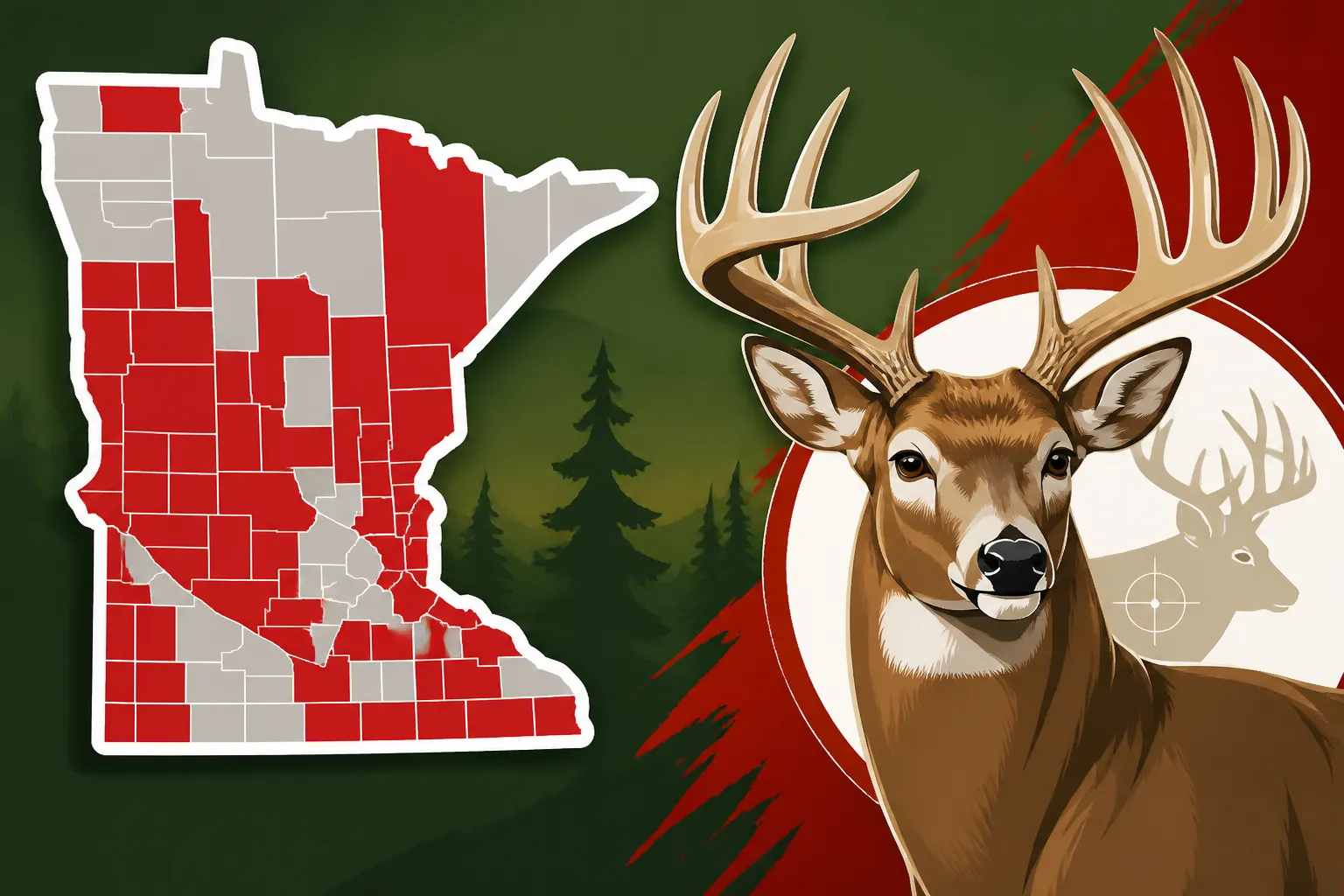
It's a tough reality to face, but CWD has indeed been found in Minnesota's wild deer herd, primarily concentrated in a few key areas. When we talk about counties where CWD has been "found," we're specifically referring to counties where CWD-positive deer have been detected through testing. This is distinct from counties that might fall within a designated CWD management or surveillance zone, where no positive deer have yet been found but precautions are still in place due to proximity to known cases.
The majority of confirmed wild CWD cases in Minnesota have historically been centered in the southeastern bluff country, a region known for its incredible deer hunting. This area presents unique challenges for CWD management due to its rugged terrain, dense deer populations, and proximity to other states that have also dealt with the disease. Over time, additional detections have occurred in other parts of the state, demonstrating the insidious nature of CWD's spread. These isolated cases, whether in captive deer facilities or wild populations, trigger immediate and extensive response efforts from wildlife managers.
Let's look at the general areas where CWD has been detected in Minnesota's wild deer:
| Region of Minnesota | Status of CWD Detection |
|---|---|
| Southeast Minnesota | Consistent detections in specific counties since the early 2000s, leading to established management zones. |
| Central Minnesota | Isolated detections in wild deer have prompted surveillance and management actions in adjacent areas. |
| Other Areas | While primarily concentrated, ongoing surveillance occurs statewide, and isolated cases can emerge anywhere. |
It’s important to remember that the list of affected counties can change, sometimes with new detections, sometimes with zones expanding or contracting based on surveillance data. The Minnesota Department of Natural Resources (DNR) maintains up-to-date maps and information, which are your best resource for the absolute latest specifics. Many hunters use mapping applications like GoHunt to overlay these CWD zone boundaries onto their hunting maps, making it easier to visualize where extra precautions might be necessary. Staying informed is your first line of defense. Understanding Where CWD Was First Found in Minnesota helps put the current situation into historical context.
Navigating CWD Zones and Regulations for Hunters
Hunting in a county where CWD has been detected, or even in a surrounding surveillance zone, means adapting your routine. It's not about fear-mongering, but about responsible participation in wildlife management. The regulations put in place by the DNR are designed to monitor the disease and, hopefully, prevent its further spread. This often involves mandatory or voluntary CWD testing, restrictions on carcass movement, and specific rules about baiting and feeding deer.
Mandatory vs. Voluntary Testing
Depending on the specific CWD management or surveillance zone, you might encounter either mandatory or voluntary CWD testing for harvested deer. In areas with higher prevalence or recent detections, mandatory testing often applies, especially during the opening weekends of the firearm season. This means that if you harvest a deer in one of these designated permit areas, you are required to submit its head for CWD sampling. The DNR sets up sampling stations, often at local locker plants or designated drop-off sites, making the process as convenient as possible. They are always clear about Minnesota's Four-Year CWD Testing Rotation which can help you anticipate when your preferred hunting ground might be subject to mandatory testing.
On the other hand, in many areas, testing is voluntary. Even if it's not required, submitting a sample is a fantastic way to contribute to the overall CWD surveillance efforts. Every sample provides valuable data that helps wildlife managers understand the disease's distribution and prevalence. If you're using a comprehensive hunting app like GoHunt, you might even find tools that help you locate the nearest sampling stations or provide instructions on how to submit a mail-in kit.
Carcass Movement Restrictions
One of the most critical regulations in CWD-affected areas is the restriction on carcass movement. CWD prions, the infectious agents, are concentrated in the brain, spinal cord, lymph nodes, and spleen of an infected animal. To prevent the physical movement of these prions to new areas, hunters are generally prohibited from moving whole deer carcasses out of a CWD management or surveillance zone.
This means that if you harvest a deer in such a zone, you typically need to either:
- Process the deer within the zone and only take out deboned meat, antlers (with skull plate removed), hides, and clean skull plates.
- Bring the entire carcass to a permitted processor or taxidermist located within or directly adjacent to the CWD zone.
These rules can feel like a hassle, especially if your hunting camp is far from your home or a local processor. However, they are vital to containing the disease. Imagine if an infected carcass was transported hundreds of miles to a new area; the potential for new outbreaks would skyrocket. Understanding Minnesota Carcass Movement Restrictions before you go hunting is not just good practice, it's the law.
Baiting and Feeding Bans
Another common regulation in CWD management and surveillance zones, and sometimes even wider areas, involves bans on feeding and baiting deer. The reasoning here is that congregating deer at a single bait site or feeding station increases nose-to-nose contact, which is a primary way CWD can be transmitted between animals. While feeding deer might seem harmless or even helpful, it can inadvertently create hot spots for disease transmission.
These bans often extend to mineral blocks, corn piles, and other attractants. It's a significant change for some hunters who have traditionally relied on baiting. However, the science behind these bans is clear: reducing deer congregation points can slow the spread of CWD. Always check the current regulations for Minnesota Feeding and Baiting Bans in CWD Zones in your hunting area before setting up any attractants. Using an app like GoHunt can help you quickly verify the specific rules for your chosen permit area.
Your Role: Stopping the Spread and Supporting CWD Management
As hunters, we are often the first line of defense and the most passionate advocates for healthy deer populations. Our active participation is absolutely essential in the fight against CWD. It goes beyond just following the rules; it's about being vigilant, reporting concerns, and educating ourselves and others.
Reporting Sick Deer
One of the most direct ways you can help is by reporting any deer you see that appears sick or unusually emaciated. CWD affects the nervous system, and infected deer often exhibit symptoms like stumbling, drooling, lethargy, poor body condition, and a general lack of fear of humans. These symptoms typically appear late in the disease progression, but if you notice a deer acting strangely, don't hesitate to report it to the DNR.
Many hunters are out in the woods more than anyone else, making their observations invaluable. If you see a deer with these signs, try to note its exact location (GPS coordinates if possible), take a photo or video if safe, and contact the DNR's local office or game warden immediately. Do not attempt to approach or handle a sick deer yourself. This vigilance can lead to early detection in new areas, allowing for a quicker and more effective management response.
Understanding and Respecting Regulations
While some regulations might feel inconvenient, they are a critical part of a broader strategy to protect our deer herd. Taking the time to understand why carcass movement restrictions are in place or why baiting bans are enacted can shift your perspective from annoyance to understanding. The goal isn't to make hunting harder, but to ensure that deer hunting traditions can continue for generations.
Before each season, make it a point to review the latest CWD updates for Minnesota. The DNR website is the official source, but many hunting publications and tools like GoHunt often compile this information in user-friendly formats. Knowing your specific permit area's status – whether it's Intensive, Managed, or Lottery – and its CWD implications is fundamental. You can find detailed information on topics like Minnesota's Statewide CWD Quadrant Plan which helps explain the regional management strategies.
Practicing Ethical Carcass Disposal
Even if you're not in a CWD-mandated testing zone, proper carcass disposal is a crucial, often overlooked, aspect of CWD management. If you process a deer at home, never dispose of remains (bones, hide, nervous tissue) in landfills or by simply tossing them into the woods. These tissues could contain CWD prions that could contaminate the environment and potentially infect other deer.
The best practice is to double-bag all high-risk parts (brain, spinal cord, spleen, lymph nodes) and dispose of them in a licensed landfill. Many DNR-approved processors will also properly dispose of these parts for you. If you're harvesting a deer in a remote area and must leave certain parts behind, ensure they are spread out and exposed to scavengers and decomposition, rather than piled in a single spot that might concentrate prions.
A Look Back: The History of CWD in Minnesota
Understanding the current situation often means looking back at how we got here. The story of CWD in Minnesota is one of initial vigilance, subsequent challenges, and ongoing adaptation. It's a journey that mirrors many other states grappling with this complex disease.
The First Detections and Initial Response
CWD first made its appearance in Minnesota not in the wild herd, but in captive cervid facilities. These early detections were a wake-up call, immediately triggering heightened surveillance efforts. It wasn't until the early 2000s that CWD was confirmed in a wild deer in Minnesota, specifically in the southeastern part of the state. This discovery led to the establishment of the state's first CWD management zones.
The initial response involved extensive testing of harvested deer in the affected permit areas, along with targeted removal efforts to reduce deer density and attempt to contain the disease. This proactive approach was critical, but CWD is notoriously difficult to eradicate once it takes hold in a wild population. Learning about How CWD Spread Into Southeast Minnesota provides valuable insights into the pathways of disease transmission.
Persistent Challenges and Evolving Strategies
Despite significant efforts, CWD has proven to be a persistent challenge. The nature of the disease, with its long incubation period and environmental persistence of prions, means that even after intensive management, new cases can emerge years later. This has necessitated an evolving strategy, moving from initial eradication attempts to long-term management and containment.
This evolution includes the implementation of dynamic surveillance zones, the aforementioned four-year testing rotations, and ongoing research into CWD transmission and mitigation. The DNR collaborates with university researchers and other state agencies to share data and refine strategies. The involvement of hunters has been, and continues to be, absolutely critical in providing the sheer volume of samples needed for effective monitoring. Without hunters submitting deer for testing, our understanding of the disease's distribution would be severely limited.
The Future of CWD in Minnesota
The fight against CWD is far from over. It's an ongoing commitment that requires sustained effort from wildlife managers, landowners, and, most importantly, hunters. While the number of counties with confirmed CWD detections in Minnesota has slowly increased over the years, the hope is that through continued vigilance, research, and adherence to regulations, we can prevent widespread prevalence and protect the health of our deer herd. Every hunter's actions, from proper carcass disposal to voluntary testing, contribute to this larger goal.
Disclaimer
This article is for general informational purposes only and does not constitute professional advice. Laws, prices and regulations vary by location and change over time. Consult a qualified professional for guidance on your specific situation.