Where CWD Was First Found in Minnesota
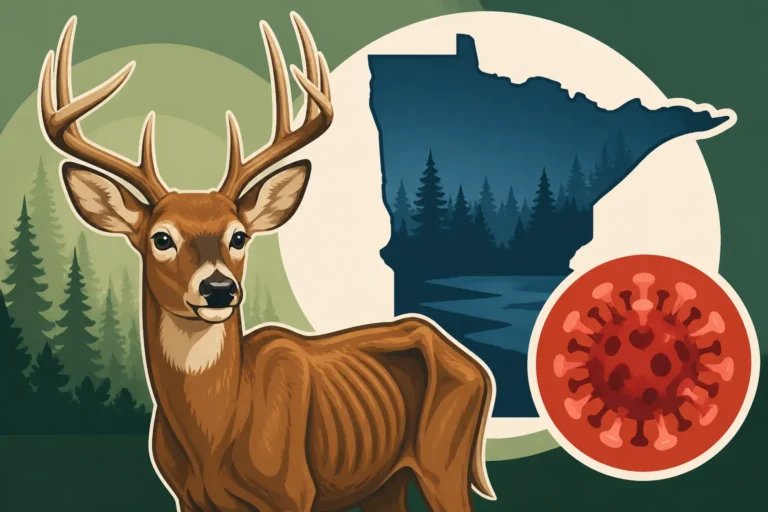
The news of Chronic Wasting Disease (CWD) can cast a real shadow over deer season, bringing a lot of anxiety and confusion for Minnesota hunters. It's a sobering reality to face, knowing this disease could impact the health of our deer herds and change the way we've always hunted. This guide is here to shed light on exactly when and where CWD first reared its head in our beloved state, and what that initial discovery meant for everyone who cherishes Minnesota's outdoors.
The First Alarms: CWD's Initial Appearance in Minnesota
It feels like CWD has been a conversation for years now, but there was a specific moment when it officially entered Minnesota's narrative. The first confirmed case of Chronic Wasting Disease in a wild white-tailed deer in Minnesota was detected in 2010. This wasn't just a distant rumor from other states anymore; it was here, on our home turf, and it sent ripples of concern through the hunting community and wildlife management agencies alike.
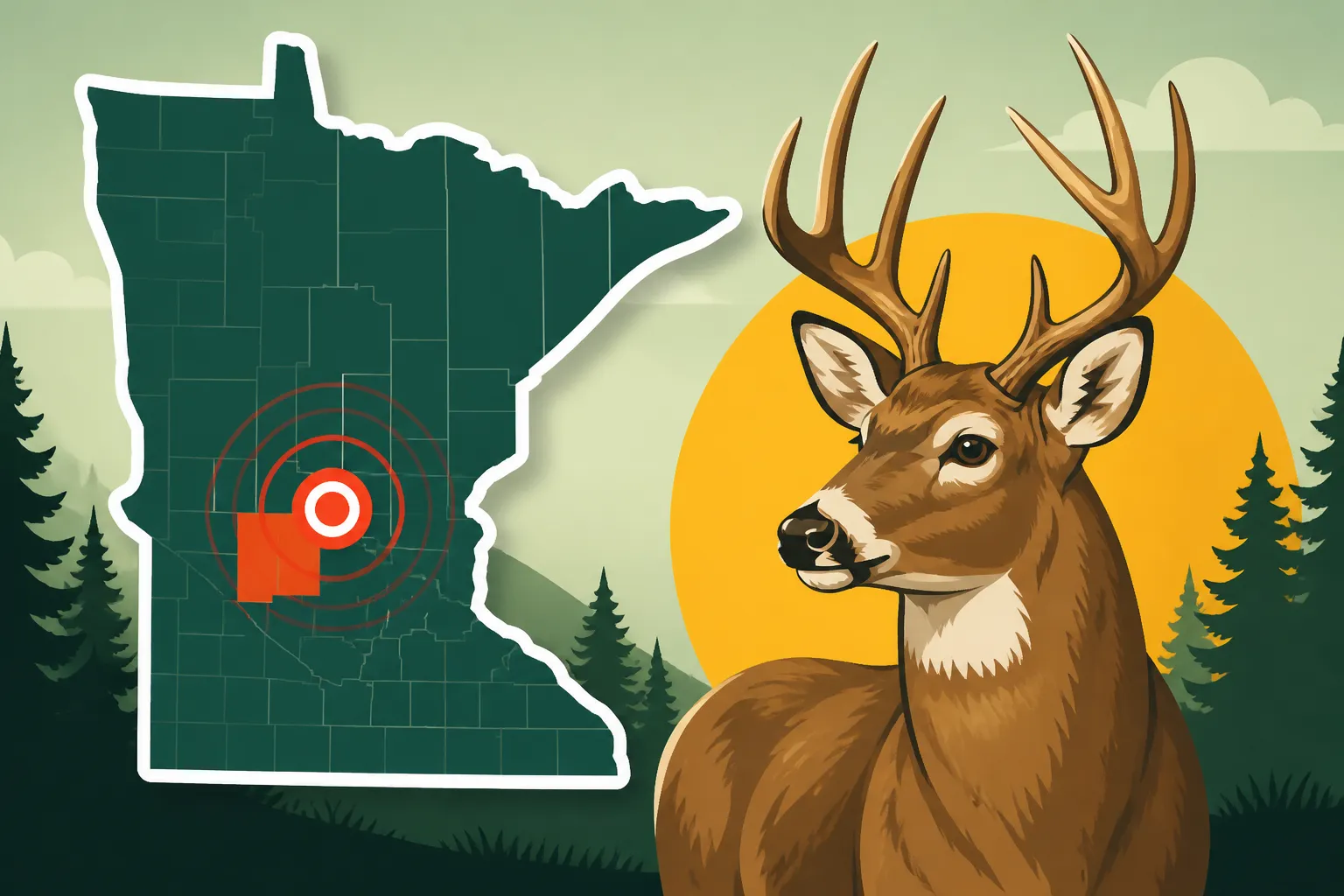
This initial discovery wasn't in some far-flung, remote wilderness, but rather in a captive deer herd, specifically a cervid farm in Olmsted County, near the city of Rochester in southeastern Minnesota. Now, while this wasn't a wild deer, the presence of CWD in a farmed herd was a massive red flag. It indicated that the disease could cross over into the wild population, or perhaps already had, and it immediately triggered heightened surveillance and intense efforts to contain its spread. The fact that it appeared in a farmed setting first highlights a complex challenge in disease management, connecting agricultural practices with wild game health.
This first detection in a captive facility was crucial because it allowed wildlife managers to put protocols in place, albeit with a huge sense of urgency. Imagine the scramble – suddenly, what was once a theoretical threat became a very tangible problem right in our backyard. It set the stage for years of monitoring, testing, and difficult decisions for hunters and landowners in the region. Understanding the details of this first detection is key to grasping the journey of CWD through Minnesota.
The First Wild Discovery: CWD Jumps the Fence
While the captive herd discovery in 2010 was the first confirmed case within Minnesota borders, the true moment of alarm for many hunters came a few years later. The first wild white-tailed deer confirmed to have CWD was discovered in 2016 in Southeastern Minnesota. This animal was harvested in Winona County, near the city of Preston, which is still part of that beautiful, rolling bluff country region that makes Southeast Minnesota so unique.
This specific wild deer was found during routine CWD surveillance efforts. It wasn't an isolated incident; rather, it confirmed the fears that wildlife officials had held since the 2010 captive deer detection. Once CWD was definitively found in a free-ranging deer, the game changed entirely. This meant the disease was no longer confined to an enclosure but was actively circulating within the wild population. Hunters who had perhaps followed the news casually suddenly sat up and paid close attention. The implications for hunting seasons, deer populations, and even the future of deer hunting became very real and very personal.
The discovery in Winona County marked a significant shift from prevention strategies focused on captive animals to urgent management tactics for wild herds. It led to the establishment of the initial CWD Management Zones in Minnesota, areas where special rules and testing requirements would be implemented. You can learn more about how CWD Management Zones in Minnesota are established and what they entail, but it all started with these early detections. For many, this was the moment CWD truly became a part of the Minnesota hunting experience.
Why Southeast Minnesota? Examining the Initial Hotspot
It's natural to wonder why southeastern Minnesota became the initial hotspot for CWD in the wild. This region, known for its stunning bluff country, deep coulees, and rich agricultural lands, offers a unique environment that might contribute to disease spread. The landscape itself, with fragmented habitats and a mix of public and private lands, often leads to higher deer densities in certain areas. Deer tend to concentrate in valleys and along agricultural field edges, creating more opportunities for direct and indirect contact.
Furthermore, the history of captive cervid facilities in the region cannot be ignored. While not every wild case can be definitively linked to a captive one, the proximity of initial captive detections to the first wild cases raised immediate concerns. Understanding How CWD Spread Into Southeast Minnesota involves looking at deer movement patterns, shared resources, and the unfortunate reality of disease transmission. It wasn't just one factor but likely a confluence of conditions that made this area vulnerable.
The hunting pressure in Southeast Minnesota is also significant. It's a popular deer hunting destination, and the movement of hunters, deer carcasses, and equipment can inadvertently contribute to spread if not managed carefully. The challenge for wildlife managers, and for us as hunters, has been to balance hunting traditions with the critical need to control CWD. Many hunters use sophisticated mapping tools, like those found through GoHunt, to understand land boundaries and potential deer movement, which is also crucial for understanding CWD risk areas.
The Immediate Aftermath: Hunter Adjustments and Management Actions
The discovery of CWD in a wild deer immediately triggered a series of management actions and regulations that drastically altered how hunting was conducted in the affected areas. These changes were, and still are, aimed at monitoring the disease, reducing its prevalence, and preventing its further spread across the state. It was a tough pill for many hunters to swallow, as traditional practices had to be adapted quickly.
Mandatory Testing and Carcass Restrictions
One of the most significant and immediate changes was the implementation of mandatory CWD testing for deer harvested within designated management zones. For many hunters, this was a completely new requirement. Instead of simply tagging their deer and taking it home, they now had to bring their harvested animal to a CWD sampling station during specific periods or submit specific parts for testing. This process, while vital for surveillance, added an extra layer of logistics to an already demanding hunt.
Alongside mandatory testing came strict regulations on Minnesota Carcass Movement Restrictions. Hunters could no longer freely transport entire deer carcasses out of a CWD management zone. This was a critical measure to prevent unknowingly moving infected material to unaffected areas. It meant that hunters either had to process their deer fully within the zone, leaving behind high-risk parts like the head and spinal column, or use designated transport services. For those who traditionally brought their deer home to butcher themselves, this was a significant adjustment. The Minnesota DNR also provided information on Finding a Minnesota CWD Sampling Station to help hunters comply.
Special Hunts and Population Control Efforts
To combat the spread of CWD, management agencies also implemented special hunts and increased antlerless harvest opportunities in affected zones. The logic here is that reducing overall deer density, particularly in areas with confirmed CWD cases, can help limit deer-to-deer contact and thus slow transmission. This meant that permit areas might shift to an "intensive" or "managed" status, allowing for the harvest of multiple deer per hunter, often with a focus on antlerless animals. Understanding What an Intensive Permit Area Allows became crucial for hunters in these zones.
These efforts weren't always popular, as some hunters felt they were being asked to reduce the very population they cherished. However, the scientific consensus points to population management as a key tool in controlling CWD. These targeted hunts often occur outside of regular seasons or with special tags, requiring hunters to stay extra vigilant about changing regulations. Keeping up with these updates, perhaps by regularly checking official DNR maps or using an up-to-date hunting app like GoHunt, is paramount.
Bans on Feeding and Baiting
Another major change was the imposition of feeding and baiting bans in CWD management and surveillance zones. The reasoning is straightforward: concentrating deer at bait piles or feeding stations increases direct contact between animals and allows for the accumulation of infectious prions in the environment. These prions, which cause CWD, can persist in the soil for years, meaning a contaminated bait site could infect deer long after the bait is gone.
The Minnesota Feeding and Baiting Bans in CWD Zones are a critical component of the state's long-term strategy. For many hunters, especially those in the southern part of the state where baiting was once more common, this was a significant cultural shift. It forced a return to more traditional scouting and hunting methods, focusing on natural food sources and travel corridors. While challenging, these bans are a necessary step to protect the herd.
The Ongoing Battle: CWD Surveillance and Hunter's Role
The initial discoveries in Minnesota, both captive and wild, set in motion a continuous and evolving battle against CWD. It's a marathon, not a sprint, and hunters remain on the front lines, playing an indispensable role in monitoring and management efforts. The state has developed comprehensive strategies, including a Minnesota's Statewide CWD Quadrant Plan, to ensure thorough and rotational testing across various regions.
Understanding Surveillance Zones
Beyond the immediate CWD Management Zones where the disease has been detected, Minnesota also designates CWD Surveillance Zones. These are areas bordering management zones or other high-risk regions where the potential for CWD spread is elevated. While mandatory testing might not be in effect year-round, hunters in these zones are often strongly encouraged to submit samples voluntarily. The rules and recommendations for CWD Surveillance Zones in Minnesota are dynamic, changing based on new detections and scientific understanding.
Staying informed about which zone your hunting area falls into is crucial. Many hunters rely on online mapping resources, including detailed layers often available through platforms like GoHunt, to pinpoint these boundaries accurately. It’s not just about knowing where you can hunt, but how you can hunt responsibly within these zones.
Hunter Participation: More Than Just Reporting
The role of the Minnesota hunter has expanded far beyond just harvesting an animal. We are now essential partners in disease management. This includes:
- Submitting Samples: Complying with mandatory testing or participating in voluntary sampling efforts. This data is invaluable for tracking the disease's prevalence and spread.
- Adhering to Carcass Restrictions: Ensuring that high-risk parts are properly disposed of or processed within CWD zones.
- Respecting Feeding and Baiting Bans: Understanding that these restrictions are for the long-term health of the herd, even if they change personal hunting strategies.
- Reporting Sick Deer: Being the eyes and ears in the field. If you see a deer exhibiting symptoms of CWD (emaciation, abnormal behavior, drooling, neurological issues), it's vital to report it to the DNR immediately.
- Educating Others: Sharing accurate information with fellow hunters and landowners about CWD and responsible practices.
CWD Key Milestones in Minnesota
To give you a clearer picture of CWD's journey in Minnesota, here's a brief timeline of the initial key detections:
| Event | Year | Location / Description | Significance |
|---|---|---|---|
| First CWD in Captive Deer | 2010 | Olmsted County (Southeastern MN) | First confirmed CWD in Minnesota; a major warning for wild deer. |
| First CWD in Wild Deer | 2016 | Winona County (Southeastern MN) | Confirmed CWD circulating in the wild population; triggered immediate management. |
| Expansion of CWD Management Zones | 2016+ | Southeastern MN | Established areas with mandatory testing and carcass movement rules. |
| Increased Surveillance Efforts Statewide | 2017+ | Various regions, including Southwest, Central, and Northwest MN | Proactive monitoring to detect new outbreaks and prevent further spread. |
This table highlights just how recent and impactful these initial discoveries were. It underscores why vigilance and informed participation from every hunter are so vital. The DNR continues its efforts, including Minnesota's Four-Year CWD Testing Rotation to methodically sample deer populations across the state. We all have a part to play in protecting Minnesota's cherished white-tailed deer.
Disclaimer
This article is for general informational purposes only and does not constitute professional advice. Laws, prices and regulations vary by location and change over time. Consult a qualified professional for guidance on your specific situation.