Why Minnesota Closed Moose Hunting
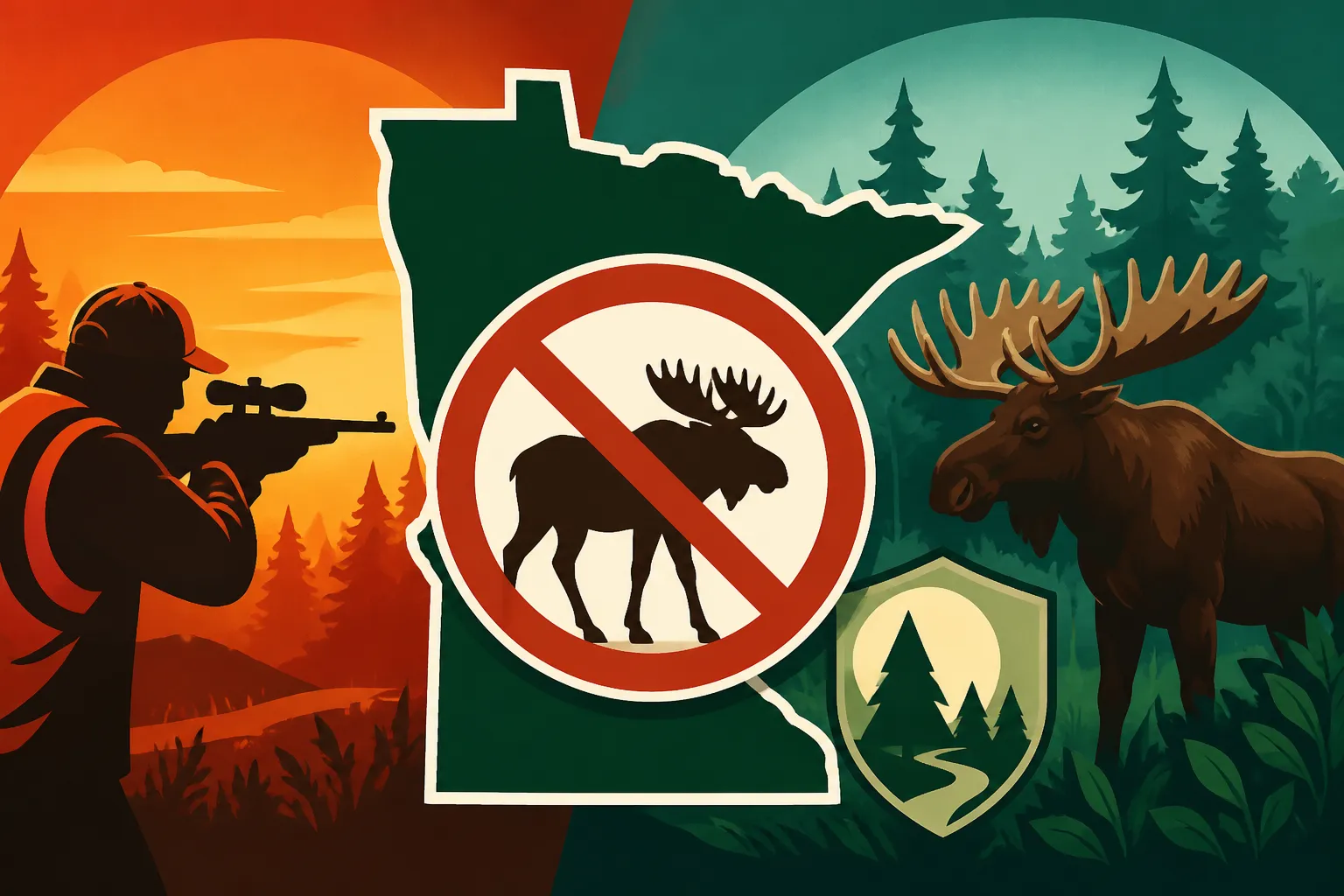
It's a question many of us have asked, especially those of us who grew up with the dream of hunting Minnesota's largest and most iconic big game animal: why did Minnesota close moose hunting? For a state so rich in hunting tradition, the decision to halt the moose season was a tough pill to swallow, leaving many of us with questions and a deep sadness for these majestic creatures. This guide will dive deep into the complex, interconnected reasons behind that difficult conservation choice, exploring the environmental shifts, disease pressures, and habitat challenges that ultimately led to the suspension of moose hunting in our beloved Northwoods.
The Majestic Giants of Minnesota's Northwoods Face a Crisis
For generations, the moose has been an emblem of Minnesota's wild, untamed north. Their massive size, unique antlers, and solitary demeanor in the dense forests have captivated hunters and nature lovers alike. To see one in the wild, let alone pursue one, was a profound experience, a true testament to the raw beauty of our state. But beneath that awe-inspiring presence, a silent crisis was unfolding, threatening their very existence.
A Legacy of Hunting and Respect
For decades, moose hunting in Minnesota was a highly coveted opportunity, a lottery draw that many entered for years, even a lifetime, without success. It was a chance to connect with the deep wilderness of our state, to trek through swamps and boreal forests in pursuit of an animal that demands immense respect and effort. Hunters understood the value of this resource, and the seasons were carefully managed, with limited tags designed to ensure a sustainable population. The tradition of moose camp, often deep in the Superior National Forest Ranger Districts or the remote reaches of the Chippewa National Forest Deer Ground, was a rite of passage, passed down through families. Everyone wanted that chance, knowing it was a privilege, not a right.
The Alarming Decline: What the Numbers Showed
The first whispers of concern began years ago, as anecdotal reports from hunters and remote cabin owners hinted at fewer sightings. Then, the scientific data started painting a starker picture. Surveys, conducted by the Department of Natural Resources, began to show a consistent and alarming decline in the moose population, particularly in the northeastern part of the state, where the majority of our moose reside. These weren't small, annual fluctuations; these were significant, persistent drops that indicated a population in serious trouble. When population estimates showed dramatic downturns over a relatively short period, it became clear that the forces at play were far more powerful than any hunting pressure could ever be. The numbers forced a hard look at the health of the entire ecosystem these animals relied upon, leading to a conclusion that conservation efforts needed to prioritize recovery above all else. Moose Sightings in Northeast Minnesota became less common, sparking widespread concern.
Unraveling the Complex Web of Threats to Moose Survival
It's easy to point fingers, but the truth about the moose decline is incredibly complex, a tangled knot of environmental factors, disease, and habitat changes. There isn't one single culprit, but rather a perfect storm of conditions that have made survival increasingly difficult for these giants of the Northwoods. Understanding these interwoven threats is key to appreciating why such a drastic measure like closing the hunt became necessary.
The Warming Climate and Its Direct Impact
Perhaps the most significant and insidious threat to Minnesota's moose is climate change. Our moose are a cold-weather species, perfectly adapted to long, frigid winters and cool summers. They have thick coats designed for extreme cold, which become a liability when temperatures rise. When we experience hotter summers and shorter, milder winters, moose suffer from heat stress.
Imagine wearing a heavy winter coat in July; that's essentially what a moose deals with in warmer conditions. This heat stress leads to reduced foraging activity, as they spend more time trying to cool down, often seeking shade or wading into water. This means they eat less, affecting their nutritional intake and overall health. Warmer winters also mean a shorter period for their winter ticks to die off, leading to a much higher parasite load. The subtle but profound shifts in temperature are directly undermining their ability to thrive, altering their very physiology and endurance, and making them more susceptible to other dangers.
Parasites, Disease, and Predation: A Deadly Combination
Beyond the heat, moose are battling a host of biological enemies. One of the most devastating is brainworm (Parelaphostrongylus tenuis), a nematode that primarily affects white-tailed deer. Deer are largely unaffected by brainworm, acting as a host, but when moose ingest the snails or slugs that carry the parasite (often while feeding on vegetation), it can be fatal. The worm migrates to the moose's brain and spinal cord, causing neurological damage, disorientation, paralysis, and ultimately death. As Minnesota Deer Population Estimate numbers have remained robust, and even increased in areas overlapping moose range, the prevalence of brainworm has sadly risen, posing a greater threat.
Winter ticks (Dermacentor albipictus) are another huge problem. In warmer winters, more ticks survive, leading to massive infestations on moose. A single moose can carry tens of thousands of these bloodsuckers, causing severe blood loss, hair loss (as moose try to rub them off, leading to "ghost moose" appearances), and extreme stress. This weakens them significantly, making them more vulnerable to disease, malnutrition, and predation. Liver flukes also take their toll, further weakening an already struggling animal.
Predation, primarily from wolves, is also a factor. While wolves have always preyed on moose, a weakened, stressed moose population is far more susceptible. Calves are particularly vulnerable, and when adult moose are already struggling with heat and parasites, even a healthy wolf pack can have a greater impact. The dynamic between Wolves and Minnesota Elk Calves (and moose) is a delicate balance, and when one side is weakened, the scales tip.
Habitat Degradation and Human Encroachment
Moose need specific types of habitat: a mix of mature forests for shelter, young successional forests for browse, and access to wetlands for food and cooling. Historically, natural disturbances like wildfires created this mosaic. However, modern forest management, fire suppression, and increased human development have altered these crucial habitats.
Logging practices, while sometimes creating new browse, can also fragment core moose habitat if not done with moose in mind. The expansion of roads and trails not only increases human presence but can also make moose more vulnerable to vehicle collisions and direct human disturbance. While we cherish our access to wilderness, every new road or cabin pushed deeper into moose country reduces the undisturbed refuge they need to thrive. Finding unpressured areas, even when Scouting Minnesota Public Land Before Season, is becoming harder for both hunters and the animals themselves.
The Decision to Close the Hunt: A Necessary Conservation Measure
Given the compounding pressures, the decision to close the moose hunt was not made lightly. It was the culmination of years of scientific study, difficult discussions, and a sober assessment of the moose population's future. For those of us who cherish our hunting heritage, it was a painful but ultimately understandable step.
Why a Hunting Ban Became Inevitable
When all the data was laid out – the declining population numbers, the increasing impact of climate change, the escalating prevalence of parasites and diseases like brainworm and winter ticks, and the subtle shifts in habitat – the path forward became clear. Conservation agencies determined that continuing even a limited hunting season, while not the primary cause of the decline, would only add another layer of stress to an already vulnerable population. The goal shifted from managing a huntable surplus to ensuring the basic survival and recovery of the species. It became an ethical imperative to remove any human-caused mortality, however small, to give the moose their best chance to rebound. It was a stark reminder that sometimes, conservation means stepping back entirely. The decision reflects a similar deep-seated concern that drives the limited nature of some other highly sought-after tags, like Why Minnesota Keeps the Elk Tag So Limited.
The Role of Research and Monitoring Efforts
Even with the hunting season closed, the work of understanding and supporting Minnesota's moose is far from over. In fact, it's intensified. Wildlife biologists and researchers continue extensive monitoring efforts. This includes aerial surveys to count moose, ground-based studies to assess calf survival, and collaring individual moose with GPS units to track their movements, habitat use, and causes of death. These collars provide invaluable data, helping scientists understand exactly what factors are taking the greatest toll at different life stages.
Ongoing research projects are investigating everything from the specific effects of heat stress on moose physiology to the complex interactions between deer, brainworm, and moose. They're looking at Minnesota Wildlife Disease Monitoring across the board, recognizing the interconnectedness of species. This critical research informs future management decisions and helps guide habitat restoration efforts. Hunters, even those not actively hunting moose, play a role too by Reporting a Sick Animal in Minnesota or providing observations that contribute to the larger knowledge base. Organizations like GoHunt, with their advanced mapping and data analysis tools, are helping hunters and conservationists alike better understand game populations and habitat, even when the focus is on species that are not currently hunted. This deeper understanding is crucial for all wildlife management.
What the Future Might Hold for Minnesota Moose
The big question everyone asks is, "Will moose hunting ever reopen in Minnesota?" The honest answer is: it depends. The future of moose hunting in Minnesota is intrinsically linked to the recovery of the population. Scientists are looking for sustained increases in population numbers, improved calf survival rates, and a reduction in disease prevalence before even considering a discussion about reopening a season.
Conservation efforts are focusing on habitat improvements, particularly those that can help moose cope with a changing climate. This includes promoting forest management that creates varied age classes of timber, enhances thermal cover, and ensures access to critical water sources. The long-term outlook requires a comprehensive approach, addressing climate change impacts at a broader level, managing deer populations in critical moose areas to reduce brainworm transmission, and continuing intensive research. It's a marathon, not a sprint, and for now, the focus remains squarely on allowing these magnificent animals the space and time they need to recover. Just as nature has its cycles, like How Long the Grouse Cycle Runs, conservation also demands patience and adaptive strategies.
Beyond the Ban: Supporting Minnesota's Moose Population
Even without an active hunting season, there are numerous ways we can all contribute to the well-being of Minnesota's moose. Conservation is a collective effort, and every action, no matter how small, can make a difference in securing a future for these iconic animals.
Habitat Improvement and Restoration Initiatives
One of the most direct ways to help moose is by supporting and participating in habitat improvement projects. This often involves working with state and federal agencies on initiatives aimed at creating and maintaining optimal moose habitat. This might include advocating for sustainable forest management practices that consider moose needs, such as ensuring a diverse age structure of trees that provides both food and cover. For example, creating new aspen regeneration provides critical browse, while retaining mature conifers offers vital thermal protection during hot summers and bitter winters. Supporting organizations that engage in Habitat Work on Minnesota WMAs or within the national forests contributes directly to landscapes that benefit moose and other wildlife.
These efforts aren't just about clear-cutting; they're about strategically managing the landscape to provide the specific resources moose need throughout the year. It means ensuring healthy wetlands are preserved and improved, as these areas provide both forage and crucial cooling spots. Private landowners who manage their properties with wildlife in mind also play a significant role, contributing to the overall mosaic of habitat that moose need to traverse and survive.
Public Awareness and Hunter Involvement in Conservation
Even though we can't hunt them, hunters remain some of the most passionate conservationists, and their involvement is still vital. Educating ourselves and others about the challenges moose face is a powerful first step. Sharing accurate information about climate change impacts, disease prevalence, and habitat needs helps foster a broader understanding and support for conservation efforts. This includes utilizing tools like those offered by GoHunt, which can help visualize habitat changes and population dynamics, even for species like moose that are currently off-limits to hunting.
Hunters can also advocate for policies that support moose recovery, volunteer for habitat projects, or donate to conservation organizations specifically working on moose research and habitat restoration. By remaining engaged and informed, the hunting community can continue to be a leading voice for wildlife, demonstrating that our commitment to conservation extends beyond the pursuit of game to the protection of entire ecosystems. The experience gained from activities like Hunting Boundary Waters Canoe Country Deer also provides valuable perspective on the health of our northern wilderness.
The closure of Minnesota's moose hunting season is a somber reminder of the delicate balance of nature and the profound impacts of environmental change. While it’s a loss for hunters, it’s a necessary step to give these magnificent animals a fighting chance. Our role now shifts from hunter to steward, working together to ensure that the haunting silhouette of a moose against a northern Minnesota sunset remains a sight for generations to come.
| Threat Factor | Description | Direct Impact on Moose |
|---|---|---|
| Climate Change | Warmer average temperatures, especially longer, hotter summers and shorter, milder winters. | Heat stress, reduced foraging time, increased energy expenditure, lower nutritional intake, higher tick survival. |
| Winter Ticks | Massive infestations of blood-sucking parasites, exacerbated by milder winters allowing more ticks to survive. | Severe blood loss, anemia, hair loss, extreme stress, increased vulnerability to other health issues. |
| Brainworm | Parasite (Parelaphostrongylus tenuis) transmitted via snails/slugs, primarily carried by white-tailed deer. | Neurological damage, disorientation, paralysis, blindness, eventually fatal. |
| Habitat Changes | Altered forest dynamics due to fire suppression, specific logging practices, and human development leading to fragmentation. | Reduced access to critical thermal cover and diverse food sources, increased human disturbance. |
| Predation | While natural, a weakened moose population, especially calves, becomes more susceptible to predation, particularly from wolves. | Direct mortality, especially on stressed adults and calves. |
| Other Diseases | Liver flukes and other lesser-known pathogens can also contribute to overall moose health decline. | Further weakens moose, making them more susceptible to other threats. |
Disclaimer
This article is for general informational purposes only and does not constitute professional advice. Laws, prices and regulations vary by location and change over time. Consult a qualified professional for guidance on your specific situation.