How Long the Grouse Cycle Runs
For many of us who love chasing Ruffed Grouse through the popple and alder thickets of Minnesota, there's a constant question that lingers in the back of our minds: "How are the birds this year?" This isn't just casual curiosity; it's a reflection of the famously cyclical nature of grouse populations, a phenomenon that can make or break a season. This guide will delve deep into understanding these cycles, explaining how long they typically run, what influences them, and how you can adapt your hunting strategies to still find success, whether the birds are booming or busting.
What Exactly Is the Ruffed Grouse Cycle?
If you've spent any time hunting Ruffed Grouse in Minnesota, you've undoubtedly experienced the rollercoaster ride of their population numbers. One year, it feels like there's a bird behind every tree, drumming from every corner of the woods. You might flush dozens in a single walk. Then, a few years later, those same coverts feel eerily silent and empty, making you wonder if the birds packed up and moved out of state. This isn't just anecdotal; it's the very essence of the Ruffed Grouse cycle.
This cycle, often referred to as a "boom-and-bust" pattern, is a long-standing ecological puzzle, but generally, it describes the periodic rise and fall in grouse populations. It's not unique to grouse, as many northern species, particularly snowshoe hares, exhibit similar fluctuations. For decades, biologists have studied these patterns, and while the exact mechanisms are complex and multi-faceted, the prevailing theory often links it to predator-prey dynamics, specifically involving snowshoe hares and their primary predators like Canada lynx. When hare populations boom, predators thrive, leading to increased predation on other prey, like grouse. As hare numbers crash, predators may then turn more heavily to grouse, causing a decline. Eventually, predator numbers also decline due to lack of food, allowing grouse and hare populations to recover, starting the cycle anew.
It’s important to understand that while we talk about a "cycle," it's not a perfect, predictable clockwork mechanism. There are many variables that can influence its timing and intensity. Think of it more like a recurring wave, sometimes larger, sometimes smaller, but always present. For the Minnesota hunter, recognizing which phase of the cycle we're in can dramatically impact expectations and strategies.
The Typical Duration of a Grouse Cycle
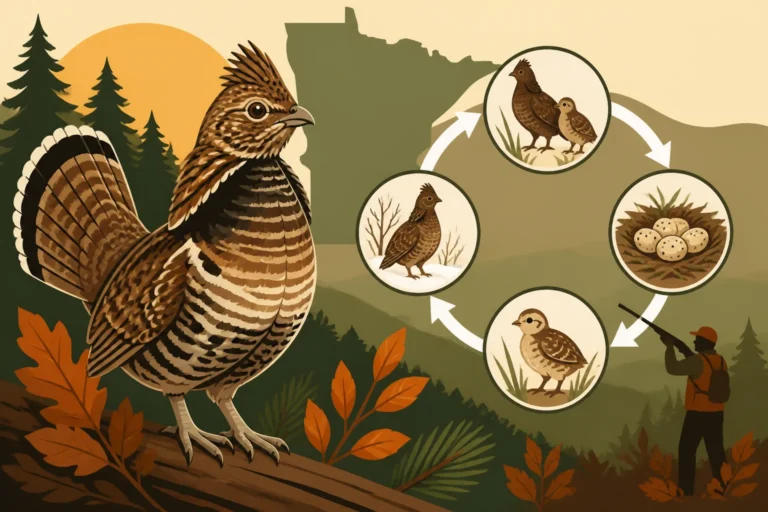
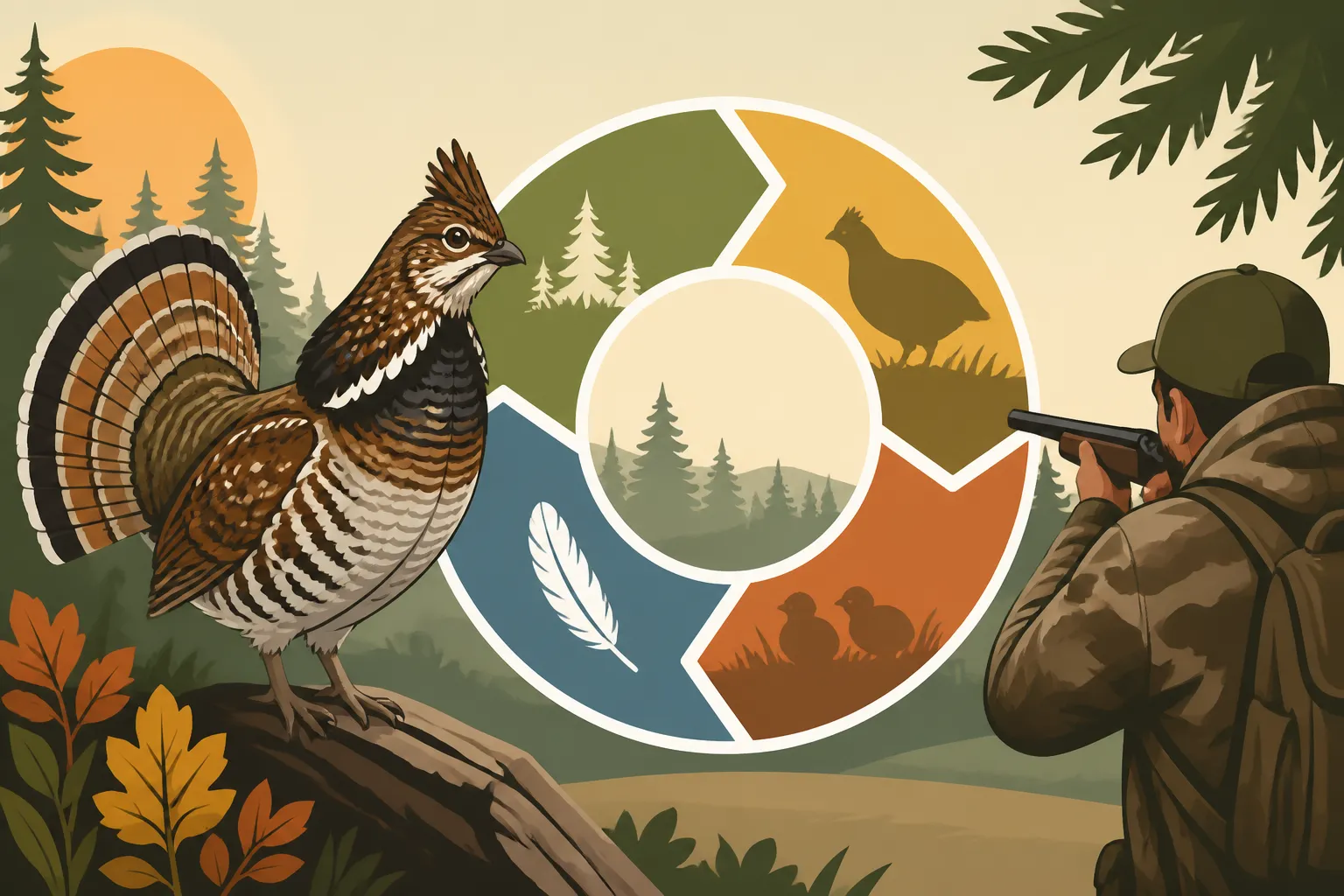
Now, to the heart of the matter: how long does this fascinating Ruffed Grouse cycle actually run? Based on decades of research and observation across their northern range, including here in Minnesota, the typical duration of a complete Ruffed Grouse cycle is 8 to 11 years, with many researchers and hunters often citing a rough average of 10 years.
This 8-11 year period encompasses all the phases: the initial recovery from a low, the steady increase in numbers, the peak abundance, and then the subsequent decline back to low population levels. It's a full journey from scarcity to plenty and back again.
Let's break down what each phase typically looks like from a hunter's perspective:
- Low Phase (1-2 years): These are the tough years. You might walk for miles and only flush a handful of birds, making you question your sanity or your hunting skills. Habitats that were once buzzing with activity feel dead quiet. Many hunters might sit out a year or two during this phase, or focus on other game.
- Recovery Phase (2-3 years): Hope begins to return. You start to see a slow but noticeable increase in flushes. The birds are still not abundant, but you're finding them more consistently in good cover. Drumming counts, like those measured during Minnesota Grouse Drumming Surveys, will show an upward trend.
- Peak Phase (2-4 years): This is what every grouse hunter dreams of. Birds are plentiful, flushes are frequent, and the woods feel alive. Even marginal coverts can hold birds. Success rates are high, and it's a fantastic time to introduce new hunters to the sport or train a young bird dog. You'll likely see discussions about Minnesota Ruffed Grouse Numbers Today highlighting high counts.
- Decline Phase (2-3 years): The inevitable descent begins. You'll notice fewer birds than last year, and the flushes might be less explosive. The population is still good, but the peak is clearly over. This can be frustrating, as hunters remember the glory days of the peak and wonder where all the birds went.
It's worth noting that while the general pattern holds, the intensity of the peaks and the severity of the lows can vary. Some cycles might have incredibly strong peaks followed by a steep crash, while others might be more moderate. Minnesota's position in the core of the Ruffed Grouse range means we generally experience these cycles quite distinctly, and understanding Where Minnesota Sits in the Grouse Cycle can really help set expectations.
Here’s a quick overview of what to expect during the different phases:
| Cycle Phase | Typical Duration | Hunter Experience |
|---|---|---|
| Low | 1-2 Years | Very few flushes, quiet woods, challenging hunting. Focus on prime, undisturbed areas. |
| Recovery | 2-3 Years | Gradual increase in flushes, some good days, encouraging signs. Scouting pays off. |
| Peak | 2-4 Years | Abundant birds, frequent flushes, high success rates. Great for new hunters. |
| Decline | 2-3 Years | Noticeable decrease from peak, still decent hunting but requires more effort. |
Factors Influencing the Cycle's Length and Intensity
While the 8-11 year average gives us a good benchmark, the Ruffed Grouse cycle isn't etched in stone. Its length and the intensity of its peaks and valleys are influenced by a complex interplay of environmental factors. Understanding these can help you better interpret what you're seeing in the woods, even in real-time.
Habitat Quality
This is arguably the most critical long-term factor. Ruffed Grouse are tied to specific forest types, primarily young, regenerating deciduous forests, especially aspen. Areas with diverse age classes of aspen, including young regenerating stands (often from clear-cuts or logging operations), are paramount. If there's a lack of suitable habitat, the population can't reach its full potential during a peak, or its recovery from a low can be stunted. Why Popple Cuts Grow Grouse explains this in detail. Without sufficient cover for nesting, brooding, and protection from predators, even ideal weather won't lead to a population explosion. Land management practices, like those discussed in Aspen Management and Minnesota Grouse, play a huge role in the health of grouse habitat. Using tools from a platform like GoHunt, you can analyze satellite imagery and public land maps to pinpoint these critical habitat areas that will always hold a few birds, regardless of the cycle.
Predator Populations
As mentioned earlier, the predator-prey dynamic is a significant driver of the cycle. When prey animals like snowshoe hares are abundant, predators such as coyotes, foxes, great horned owls, and goshawks thrive. When hare numbers inevitably crash, these predators don't just disappear; they often switch their focus to other prey, and grouse can become a more significant part of their diet. This increased predation pressure can hasten the decline phase and deepen the low point of the cycle. Conversely, a reduction in predator numbers can sometimes allow grouse populations to recover more quickly.
Weather Patterns
Mother Nature always has a say, and weather can significantly impact grouse populations, especially during critical periods.
- Severe Winters: Extremely deep or prolonged snow can make foraging difficult and leave birds more vulnerable to predators, although grouse are remarkably adapted to cold with their "snow roosting" behavior.
- Wet, Cold Springs: This is a major concern. Young grouse chicks are particularly susceptible to hypothermia and disease during cold, rainy spring weather. A series of bad springs during the recovery or peak phase can dramatically dampen population growth or even trigger an earlier decline. Conversely, mild, dry springs can boost chick survival and accelerate population growth.
Disease and Parasites
While less understood than habitat or predation, diseases and parasites can also play a role in grouse population dynamics. Avian diseases, internal parasites, or even external parasites can weaken birds, reduce their reproductive success, or directly cause mortality. These factors might become more impactful when grouse populations are dense, potentially contributing to the crash phase as disease can spread more easily among closely packed birds.
Localized Factors
Beyond these broad strokes, localized factors can influence grouse numbers in specific areas. Intensive logging in a particular region might temporarily displace birds but can create excellent future habitat. Conversely, a lack of active forest management can lead to vast tracts of mature, less-than-ideal grouse cover. Even local hunting pressure, though generally not a primary driver of the overall cycle, can affect bird numbers in heavily hunted public land areas, especially if hunters are consistently targeting the same small pockets of cover. However, GoHunt's mapping tools can help identify less-pressured areas, even on public land, giving you an edge.
Hunting Implications: How to Adapt to the Cycle
Understanding the grouse cycle isn't just for biologists; it's a vital piece of knowledge for any dedicated Minnesota grouse hunter. Knowing where the population generally stands can help manage expectations and, more importantly, inform your hunting strategy.
During Peak Years: Embrace the Abundance
When the cycle is at its peak, it feels like you can't make a mistake. Birds seem to be everywhere, and flushing opportunities are frequent.
- Explore New Areas: This is the perfect time to explore new public land areas, even those that might be considered marginal in other years. You might discover hidden gems that consistently hold birds.
- Introduce New Hunters: The high success rates make peak years ideal for bringing beginners into the sport, whether they're kids or adults. The frequent flushes keep things exciting and build confidence.
- Focus on Dog Training: If you have a young bird dog, these years are invaluable for building their experience and steadiness with abundant bird contact.
- Wider Coverage: You can afford to hunt more broadly, covering larger areas of seemingly good habitat. Even less-dense aspen stands might hold birds.
- Check DNR Reports: Keep an eye on reports, often correlated with Minnesota Grouse Drumming Surveys, to confirm the peak and plan your trips accordingly.
During Low Years: Precision and Persistence are Key
These are the challenging years, the ones that test your resolve and often separate the casual hunter from the truly dedicated. But success is still possible with adjusted tactics.
- Focus on Prime Habitat: Forget the marginal coverts. During a low cycle, concentrate all your efforts on the absolute best habitat: young, dense aspen stands, especially those with good conifer interspersion for thermal cover, or thick alder runs near water. Look for areas with diverse age structure that provide both food and escape cover. Grouse Hunting Minnesota Aspen Cover offers great insights.
- Slow Down and Be Thorough: You won't find birds by simply walking quickly. Slow your pace dramatically. Pause frequently, listen, and watch for subtle signs. Work every inch of the cover, especially around edges and transitions. Flushing Grouse Without a Dog provides some excellent tips for this.
- Scouting is Paramount: Pre-season scouting becomes even more critical. Use mapping tools, like those from GoHunt, to identify old clear-cuts, creek bottoms, and other natural funnels. Look for old droppings, dusting bowls, and fresh buds clipped from hazel or birch. Scouting Minnesota Public Land Before Season is an essential read for this.
- Hunt Later in the Season: As leaves fall and cover thins, birds become more concentrated in the densest cover available, making them easier to locate, though also more challenging to shoot.
- Adjust Expectations: Don't get discouraged if you only flush a few birds. A successful hunt in a low year might mean one or two birds in the vest, not a limit. Celebrate every flush and every shot.
During Recovery and Decline Years: Adaptability is Your Ally
These transitional phases require flexibility. The numbers are trending up or down, and you'll need to adjust your approach accordingly.
- Observe and Learn: Pay close attention to your daily flushes. Are you seeing more or fewer birds than last year? Are they concentrated in specific areas? This real-time feedback is invaluable.
- Balance Aggression with Precision: During recovery, you might start to expand your search slightly from prime areas. During a decline, you'll likely start to pull back and focus more on core areas again.
- Use GoHunt to Scout Remote Areas: As pressure builds or declines, having access to detailed mapping and land ownership data can help you find overlooked spots that hold birds no matter the cycle. This can be especially useful for identifying good habitat away from main roads, where grouse might be less pressured.
Ultimately, the Ruffed Grouse cycle is a fundamental aspect of hunting in Minnesota. It reminds us that nature operates on its own timetable. By understanding its rhythms, we can become more effective and more appreciative hunters, ready to adapt to whatever the woods present us with year after year.
Disclaimer
This article is for general informational purposes only and does not constitute professional advice. Laws, prices and regulations vary by location and change over time. Consult a qualified professional for guidance on your specific situation.