Where Minnesota Turkeys Are Densest
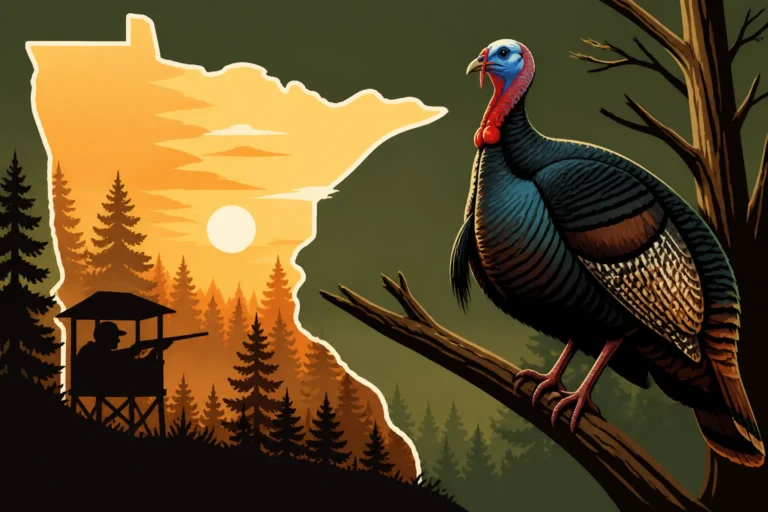
Many Minnesota hunters dream of the thunderous gobble echoing through the spring woods, but finding those elusive birds can feel like searching for a needle in a haystack if you don't know where to start. This guide will help you understand where Minnesota's wild turkeys are most abundant, focusing on the habitats and regions where you're most likely to encounter dense populations.
The Resurgence and Range of Minnesota Turkeys
It's truly incredible to think about the journey of wild turkeys in Minnesota. For a long time, they were practically non-existent, a ghost of what they once were. But thanks to dedicated conservation efforts and strategic reintroductions, these magnificent birds have made a remarkable comeback, now thriving in many parts of our state. From a hunter's perspective, this resurgence means more opportunities, but it also means understanding their distribution. They didn't just blanket the state; they established strong footholds in specific areas first, and those remain the core of our turkey country. If you're interested in the history of this success story, you can read more about How Turkeys Were Restored to Minnesota.
Today, wild turkeys are found in significant numbers across much of southern and central Minnesota, extending up into some of the transitional zones between farmland and forest. You'll find them navigating woodlots, field edges, and river bottoms. They are incredibly adaptable, even thriving on the fringes of urban areas, much to the surprise of many suburban homeowners. This widespread presence, however, doesn't mean uniform density. Just like deer, turkeys favor certain types of habitat that provide everything they need to survive and reproduce. While a lone tom might show up almost anywhere, consistent populations, the kind that offer reliable hunting opportunities, are concentrated in specific areas.
Unpacking the Hotspots: Where Turkeys Are Truly Concentrated
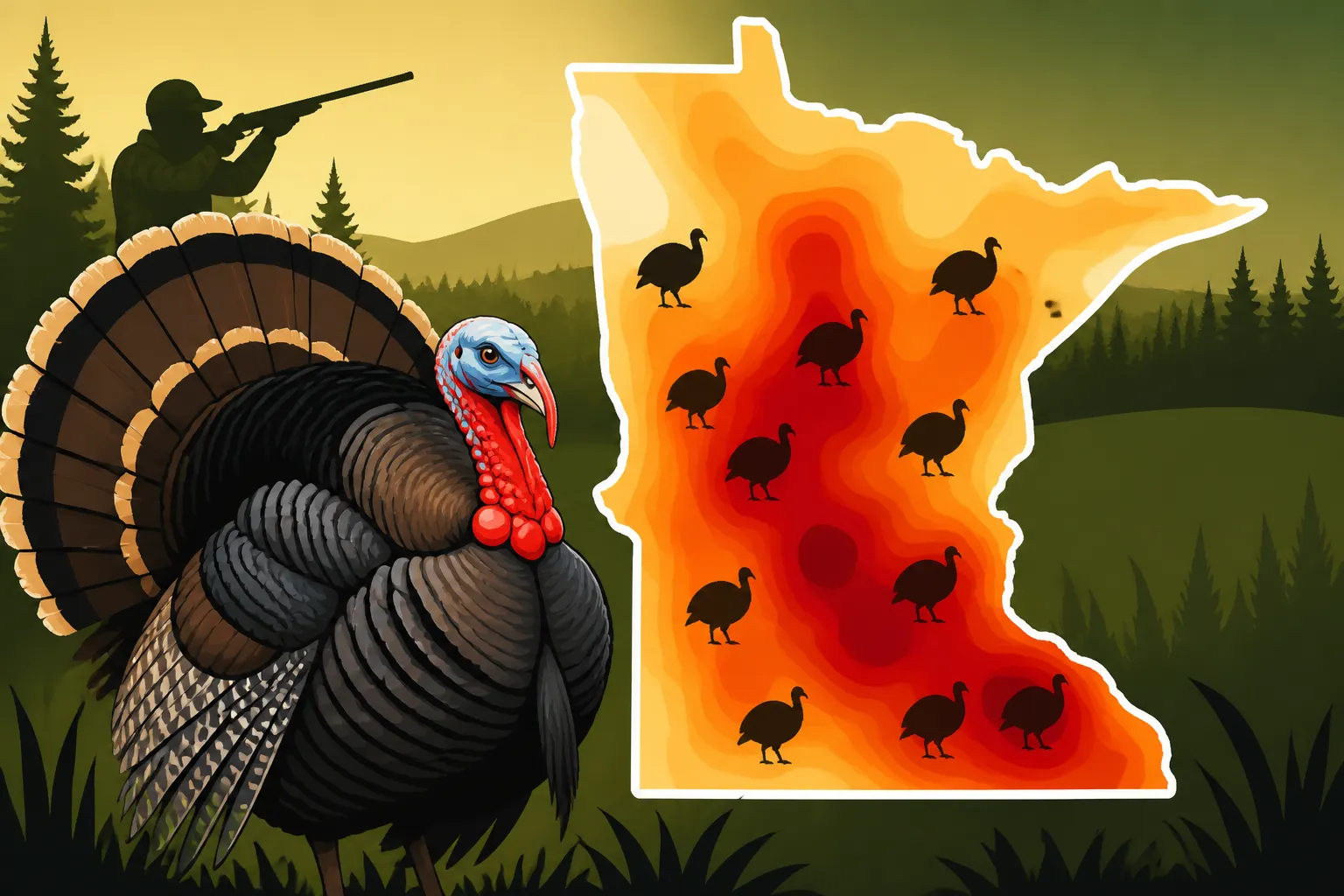
When we talk about where Minnesota turkeys are densest, our eyes naturally turn to the southeastern part of the state. This region, often referred to as "Bluff Country," is a turkey hunter's paradise and consistently boasts some of the highest turkey populations and harvest numbers. Think of counties like Houston, Fillmore, Winona, and much of the Root River Valley. The rugged topography, a mix of mature hardwood forests, steep bluffs, and agricultural fields in the valleys, provides the ideal blend of cover, roosting sites, and abundant food sources. This intricate landscape allows turkeys to thrive, offering both escape routes from predators and plentiful foraging opportunities throughout the seasons.
Beyond the immediate Bluff Country, strong turkey densities extend westward into south-central Minnesota and northward along major river corridors. The Minnesota River Valley, for instance, offers excellent habitat, particularly in counties like Scott, Le Sueur, and Nicollet, where wooded river breaks and adjacent agricultural fields create prime turkey territory. Similarly, pockets of high density can be found near the Mississippi River, even outside of the Bluff Country proper, as the river's wooded banks provide crucial roosting and nesting cover. If you're looking for consistent action, these are the areas where you'll hear the most gobbling and see the most birds. For a detailed look at where hunters are finding success, checking Minnesota Turkey Harvest Numbers can give you a good idea of high-performing regions.
For hunters looking to hone in on specific locations, certain Wildlife Management Areas (WMAs) and State Forests within these high-density regions are particularly renowned. Whitewater WMA in southeastern Minnesota is a prime example, known for its rugged terrain and robust turkey numbers. Similarly, the public lands along the Root River are magnets for birds. While public land can sometimes mean more pressure, these areas exist precisely because they offer excellent habitat that attracts and holds turkeys. Private land in these regions, often agricultural ground interspersed with timber, also hosts exceptionally high turkey densities, though securing access requires diligence and good landowner relations. When you're scouting, tools like GoHunt can help you visualize land ownership and topography, making it easier to pinpoint these prime areas.
Key Factors Driving High Turkey Density
What makes certain areas so appealing to turkeys that their populations become incredibly dense? It boils down to a few critical habitat components that work in harmony. First and foremost is a robust mix of mature hardwoods, particularly oaks, for roosting and foraging. Turkeys love to fly up into tall, sturdy trees to roost safely overnight, and these same woods provide an essential food source: acorns. A good acorn crop in the fall can lead to fatter, healthier birds going into winter and higher survival rates, ultimately increasing overall density. Without suitable roosting timber, even an area with abundant food might struggle to hold a large, consistent turkey population.
Another crucial factor is the presence of diverse foraging opportunities. Turkeys are omnivores and will eat a wide variety of foods. This includes agricultural crops like corn, soybeans, and oats from nearby fields, as well as natural foods like insects, berries, seeds, and green vegetation found in meadows, pastures, and woodland edges. Areas that combine these elements—like a wooded river bottom adjacent to a cornfield—offer a smorgasbord that keeps turkeys fed year-round. Think of it as a grocery store for turkeys; the more aisles and options, the more attractive it is. This is why you often find very high turkey densities in transition zones between big woods and farmland. If you're trying to understand the health of local populations, knowing about Poult-to-Hen Ratios and What They Mean can be quite insightful.
Finally, water sources and nesting cover play significant roles. Turkeys need access to water, and while they can get some moisture from their food, nearby creeks, ponds, or rivers are always a bonus. For nesting, hens seek out dense, brushy cover to lay their eggs and raise their young, protecting them from predators. Areas with good undergrowth, thickets, and even standing crops provide this vital security. Without adequate nesting cover, predation can severely impact successful hatches, leading to lower recruitment and, consequently, lower turkey densities over time. When you're assessing a potential hunting spot, always look for these elements. GoHunt maps can be incredibly useful for identifying these specific features like water bodies, dense cover, and agricultural fields in relation to each other.
Pinpointing Prime Habitat: How to Find Dense Turkey Populations Yourself
Even if you know which counties generally hold the most turkeys, finding the specific ridges and valleys where they're densest takes some legwork. Start by using mapping tools, like those found on GoHunt, or even publicly available satellite imagery. Look for those classic turkey habitat features: large blocks of mature hardwood timber (especially those with southern or eastern aspects that catch the morning sun), interspersed with agricultural fields. Pay close attention to terrain features like deep ravines, creek bottoms, and bluff edges, as these often act as travel corridors and thermal breaks for turkeys. River systems, with their associated timber and varied topography, are always a good bet, providing both roosting habitat and travel routes.
Once you've identified promising areas on a map, it's time for some boots-on-the-ground scouting, preferably well before the season. During late winter or early spring, before leaf-out, focus on finding roosting areas. Look for large droppings and discarded feathers under big trees, particularly cottonwoods, oaks, or sycamores along river bottoms or ridge lines. These spots are gold. You'll also want to look for tracks, scratch marks in leaf litter where turkeys have been foraging, and dusting bowls – shallow depressions where they've taken a dust bath. Don't be afraid to listen intently at dawn and dusk for gobbling or yelping, which will confirm turkey presence. Remember, Where Minnesota Gobblers Roost can vary depending on the habitat, so keep an open mind.
Finding high-density areas often means focusing on the edges where different habitats meet. Turkeys love to feed in open fields in the morning and evening, then retreat to the security of the woods during midday or to roost at night. Look for transition zones – the line where a cornfield meets a timber stand, or where a dense thicket opens into a pasture. These edges are often where you'll find the most consistent activity. If you're lucky enough to secure private land access, these are the areas to scout first. On public land, don't be afraid to walk a little further than others. Sometimes the densest turkey populations are just beyond the first easily accessible woodlot. Understanding Minnesota Spring Turkey Zones and Periods is also crucial, as turkey activity shifts throughout the season.
| Region Type | Key Habitat Features | Typical Turkey Density | Hunting Considerations |
|---|---|---|---|
| Southeast Bluff Country | Mature hardwoods, steep bluffs, agricultural valleys, rivers | High to Very High | Rugged terrain, excellent public & private opportunities. |
| Major River Corridors | River bottom timber, adjacent fields, varied topography | High | Good access along rivers, can be pressured near towns. |
| South-Central Farmland | Woodlots, shelterbelts, pastures, crop fields | Medium to High | Often requires private land permission, smaller pockets of birds. |
| North-Central Transition | Mixed forests, some agriculture, lighter timber | Medium | More scattered, can require more searching. |
| Northern Forests | Coniferous/mixed forests, fewer large fields | Low to Very Low | Turkeys are rare here, very localized pockets if any. |
When you do find those dense pockets of turkeys, consider your hunting strategy. While calling is always key, sometimes in dense areas, a "run-and-gun" approach can be highly effective, especially for spring gobblers. You might hear multiple birds gobbling, allowing you to move, set up, and quickly engage. Run-and-Gun Turkey Tactics on Public Land can be a great way to cover ground and find responsive birds in these areas. For fall hunting, Minnesota Fall Turkey Season Rules allow for different tactics, and breaking up a flock can be particularly effective where densities are high. The more you scout and understand the specific habitat and turkey behavior in your chosen area, the more successful you'll be.
Disclaimer
This article is for general informational purposes only and does not constitute professional advice. Laws, prices and regulations vary by location and change over time. Consult a qualified professional for guidance on your specific situation.