Reporting a Sick Animal in Minnesota
There’s nothing quite like a peaceful day in the Minnesota woods, whether you're chasing grouse, sitting a deer stand, or just hiking a favorite trail. But sometimes, that peace can be broken by the unsettling sight of an animal acting strangely or clearly in distress. It’s a moment that leaves many of us wondering, "What do I do now?" This guide is here to walk you through exactly why and how to report a sick or injured animal in Minnesota, ensuring you have the knowledge to act responsibly and safely for both wildlife and yourself.
Why Reporting Matters: The Silent Threat in the Woods
It's easy to think that nature should just "take its course" when you see an animal that looks unwell. After all, wild animals face challenges every day. But in our modern world, the health of individual animals can have far-reaching implications, not just for the local wildlife population, but sometimes for domestic animals and even human health. Ignoring a visibly sick animal can mean missing a critical warning sign for a larger problem.
Think about it this way: When you spend as much time outdoors as many of us do, you become a vital set of eyes and ears for the Minnesota Department of Natural Resources (DNR). They can't be everywhere, all the time. Your observation of a deer showing neurological symptoms, or a flock of turkeys with unusual growths, could be the first indication of a disease outbreak that needs immediate attention. These reports aren't just about saving one animal; they're about protecting entire populations from widespread illness. Minnesota Wildlife Disease Monitoring is a continuous effort, and citizen reports are a valuable component.
Protecting Wildlife Populations
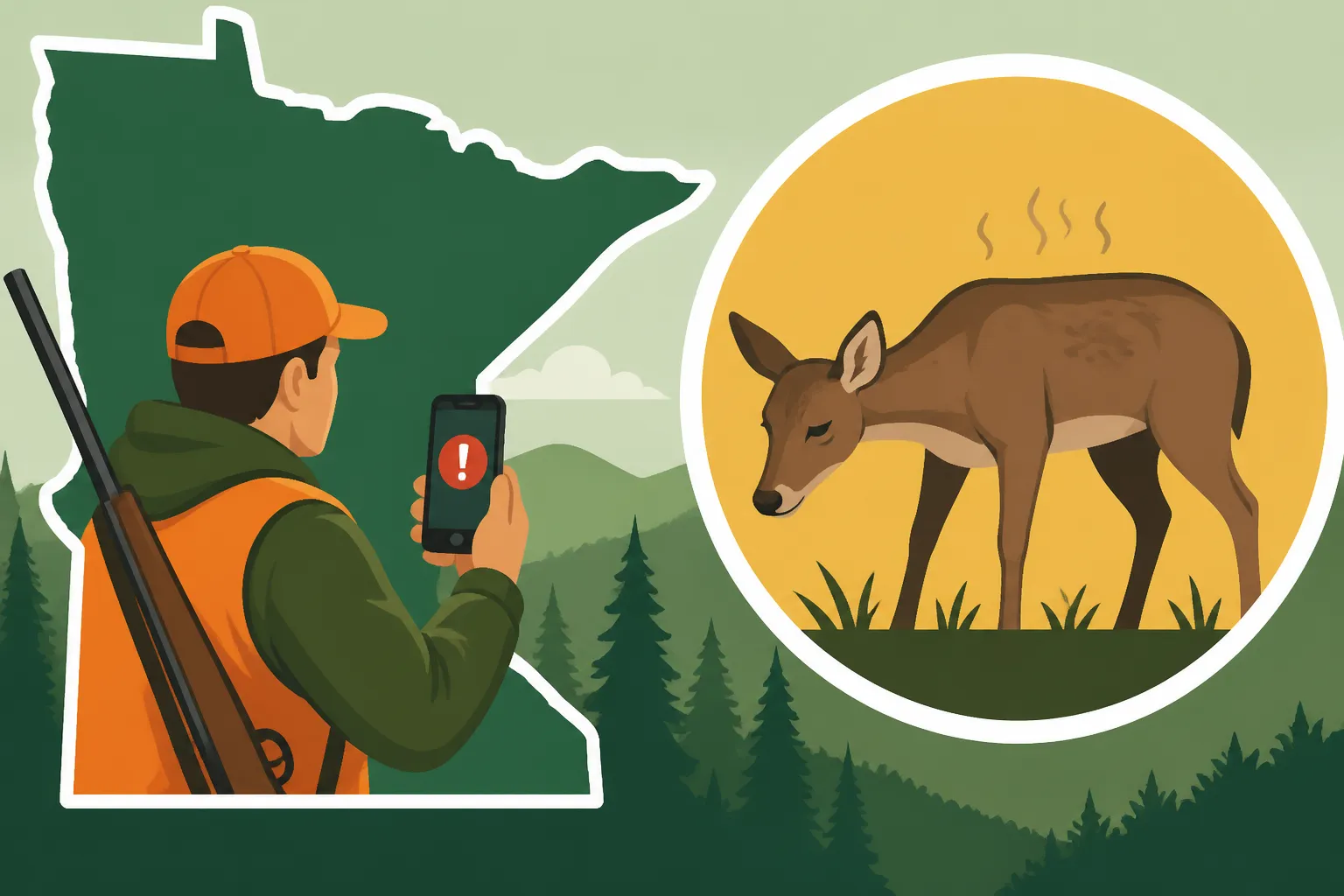
Many diseases can sweep through wildlife populations, causing significant mortality. Chronic Wasting Disease (CWD) in deer, for example, is a constant concern for hunters in Minnesota. Seeing a deer that is emaciated, drooling excessively, or showing a lack of fear of humans could be a sign of CWD. If such an animal is allowed to simply die and decompose on its own, the prions (the infectious agents of CWD) can remain in the soil for years, potentially infecting other deer. Reporting it allows for testing and proper disposal, which are crucial steps in limiting the spread.
Similarly, other diseases like Epizootic Hemorrhagic Disease (EHD) can cause rapid die-offs in deer, especially in warmer months. While EHD is generally less persistent in the environment than CWD, reporting clusters of dead or dying deer helps biologists track the disease's spread and understand its impact. Your report provides real-time data that helps the DNR make informed management decisions to safeguard our deer herds, bear populations, and even smaller game animals like grouse and pheasants.
Preventing Spread to Domestic Animals and Humans
Wildlife diseases aren't always confined to the wild. Avian influenza, for instance, can devastate domestic poultry flocks, leading to massive economic losses for farmers. If you stumble upon a large number of dead waterfowl or other birds, especially during certain times of the year, it's vital to report it. This allows authorities to test for diseases like avian influenza and take measures to prevent its transmission to local farms.
Then there's the concern for our pets and even ourselves. Diseases like rabies, distemper, and even some forms of mange can jump between species. A fox acting aggressively or unusually tame, or a raccoon staggering and disoriented, could be rabid. Mange, while often not directly transmissible to humans, can severely impact furbearer populations and could indicate other underlying health issues. Mange in Minnesota Coyotes and Foxes is a good example of a localized disease issue that hunters frequently observe. By reporting these sightings, you’re not just helping the animal; you’re helping to create a safer environment for everyone who shares the landscape, including your hunting dogs and family pets.
Spotting Trouble: What to Look For in a Sick Animal
Identifying a sick or injured animal isn't always obvious. Sometimes, the signs are subtle, while other times they are alarmingly clear. As hunters and outdoor enthusiasts, we often have a keen eye for what looks "normal" in the wild, which makes us excellent observers when something is amiss. It's not just about what you see, but also about how the animal is behaving.
When you're out scouting new ground, perhaps using a tool like GoHunt to analyze aerial maps and locate potential habitat features, you're also inherently observing the health of the environment and its inhabitants. Pay attention to anything that just seems "off." This could be an animal acting alone when it's usually in a group, or an animal showing an unusual lack of fear.
Visual Cues: What Does "Sick" Look Like?
Physical appearance can tell you a lot. Here's a breakdown of common visual signs to watch for:
- Emaciation or extreme thinness: The animal might look "hollow" in the flanks, with ribs or hip bones visibly protruding. This is a classic sign of many chronic illnesses, including CWD in deer.
- Visible injuries: This could range from a clear broken leg, open wounds, severe lacerations, or limping. Sometimes an animal might have been hit by a vehicle, leading to Minnesota Deer Vehicle Collisions, or suffered an injury from fighting or predator encounters.
- Lesions, sores, or abnormal growths: Look for scabs, crusty patches of skin, hair loss (common with mange), tumors, or warts. These can indicate parasitic infections, fungal diseases, or other health issues.
- Discharge from eyes, nose, or mouth: Excessive drooling, green or yellow discharge from the eyes or nose can point to respiratory infections or other systemic illnesses.
- Dull, matted, or missing fur/feathers: A healthy animal usually has a vibrant coat or plumage. Dull, matted, or patchy fur/feathers can be a sign of poor health, parasites, or environmental stress.
- Bloated appearance: While sometimes a natural consequence of feeding, a persistently bloated look without obvious food intake can be a sign of internal issues or disease.
Behavioral Anomalies: When Actions Speak Louder
Beyond physical appearance, an animal's behavior can be a huge red flag. Wild animals are typically wary and alert. Any deviation from this can indicate a problem:
- Lack of fear or unusual tameness: A deer that lets you approach within a few feet, or a fox that doesn't run when you get close, is often a sign of neurological impairment (e.g., rabies, CWD) or extreme illness.
- Disorientation or staggering: The animal might walk in circles, stumble, repeatedly press its head against objects, or appear generally confused. This is a very strong indicator of neurological disease.
- Aggression: An animal that is uncharacteristically aggressive, perhaps growling, charging, or snapping without provocation, is extremely dangerous and could be rabid. This isn't just limited to predators; even herbivores can become aggressive when infected.
- Paralysis or partial paralysis: Inability to move limbs, dragging a leg, or a general lack of coordination in movement.
- Repetitive actions: Constant scratching, circling, or other repetitive, unusual movements.
- Difficulty breathing: Labored breathing, gasping, or persistent coughing.
- Convulsions or tremors: Shaking, twitching, or full-blown seizures.
It’s important to distinguish between a truly sick animal and one that might just be resting, or a fawn that appears "abandoned" but is actually just waiting for its mother. If you're unsure, observe from a distance for a period of time to see if the unusual behavior persists.
Making the Call: How to Report a Sick or Injured Animal in Minnesota
So you've seen something concerning. Now what? Knowing who to call and what information to provide is key to an effective report. Minnesota has clear channels for reporting wildlife concerns, and getting it right helps the authorities respond quickly and appropriately.
First and foremost, do not attempt to approach, capture, or handle a sick or injured wild animal yourself. This is not only dangerous for you (risk of bites, scratches, disease transmission) but can also cause further stress or injury to the animal. Your role is to observe and report.
Who to Contact and When
The primary agency for reporting sick or injured wildlife in Minnesota is the Minnesota Department of Natural Resources (DNR). They have regional offices and specific programs dedicated to wildlife health.
- DNR Information Center: This is often your first and best point of contact for general inquiries or to be directed to the right specialist. They can be reached by phone during business hours.
- DNR Regional Wildlife Offices: If you know which region you're in, contacting the local wildlife office directly can sometimes be more efficient, especially for routine wildlife observations.
- DNR Enforcement Division (Conservation Officers): For urgent situations, especially involving potentially dangerous animals (like a suspected rabid animal), injured animals that are suffering greatly, or situations that might involve public safety, contacting a conservation officer is appropriate. If it's an emergency, especially outside of business hours, calling 911 might be necessary, and they can then connect you with the appropriate authorities.
- Local Law Enforcement: If you can't reach a conservation officer immediately and the situation presents an immediate public safety risk (e.g., a dangerously aggressive animal in a populated area), local police or sheriff's departments can also assist and coordinate with the DNR.
For marine animals or very specific species, other organizations might be involved, but for the vast majority of terrestrial hunting species in Minnesota, the DNR is your go-to.
What Information to Provide
When you make your report, the more detailed and accurate information you can provide, the better. Here’s a checklist of what they’ll want to know:
- Your Contact Information: Name and phone number, in case they need to follow up for more details or directions.
- Date and Time of Sighting: Be as precise as possible.
- Exact Location: This is critical. Provide the road name, nearest intersection, GPS coordinates (if you have them, perhaps from your GoHunt app or phone), landmarks, or specific public land identifiers. For example, "County Road 15, about a half-mile north of the State Highway 2 junction, in the Savanna State Forest Hunting Access" is much more helpful than "near the big pine tree."
- Species of Animal: Is it a deer, a fox, a turkey, a duck? Be specific.
- Number of Animals: If you saw more than one, report the total.
- Detailed Description of Condition/Behavior:
- What exactly did you see? (e.g., "deer was limping badly on its front left leg," "fox was circling and appeared disoriented," "several dead ducks floating in the pond with no visible injuries").
- What was the animal doing? (e.g., "staggering," "aggressive towards my dog," "lying still but still breathing").
- Any visible injuries, growths, or unusual discharge?
- Environmental Context: What was the weather like? Was it near a road, a housing development, or deep in the woods?
Here's a quick table to help summarize initial contacts for common scenarios:
| Situation Type | Primary Contact | Notes |
|---|---|---|
| Deer/Elk with CWD symptoms | DNR Information Center / Regional Wildlife Office | Crucial for disease monitoring. Provide detailed location. |
| Multiple dead birds (waterfowl) | DNR Information Center / Regional Wildlife Office | Potential Avian Influenza or other outbreak. Don't touch. |
| Aggressive/Disoriented mammal | DNR Enforcement / Local Law Enforcement (if urgent) | Potential rabies or other neurological disease. Maintain distance. |
| Severely injured deer/bear | DNR Enforcement / Local Law Enforcement (if urgent) | If suffering, immediate intervention may be needed. |
| Other sick/injured wildlife | DNR Information Center / Regional Wildlife Office | For non-urgent, general concerns. |
Remember, even if you’re just Scouting Minnesota Public Land Before Season and notice something, make the report. It's better to report and be wrong than to assume and allow a potential issue to fester.
The Aftermath: What Happens After You Report It
Once you've made your report, it's natural to wonder what happens next. The process can vary depending on the severity of the situation, the species involved, and the resources available to the DNR or other responding agencies. It's rarely an instant resolution, but your report kicks off a chain of events designed to address the issue.
Don't expect an immediate call back or for a team to be dispatched within minutes, especially for less urgent reports. The DNR prioritizes calls based on public safety, potential disease outbreaks, and the likelihood of successful intervention. However, rest assured that your information is cataloged and helps build a comprehensive picture of wildlife health across the state. This data is vital for programs like Minnesota Wildlife Disease Monitoring.
DNR Assessment and Response
Upon receiving a report, the DNR will first assess the information you’ve provided. If it's a critical situation, such as a suspected rabid animal threatening a community or a deer with clear CWD symptoms, a conservation officer or wildlife biologist might be dispatched to the location. Their goal will be to confirm the animal's condition, determine the best course of action, and safely manage the situation. This could involve humane euthanasia if the animal is suffering or poses a significant risk.
For less urgent cases, or for observations of general poor health, your report might become part of a larger data set. Wildlife biologists track these reports over time to identify trends, pinpoint areas with higher disease prevalence, or understand the impact of environmental factors on animal health. For instance, observing clusters of thin deer might lead to increased surveillance for CWD in that Finding Your Minnesota Deer Permit Area.
Testing and Surveillance
If the animal is retrieved, especially if CWD or another significant disease is suspected, samples might be taken for laboratory testing. For CWD, specific brain tissue is collected and sent to a lab to confirm the presence of prions. This is how the DNR tracks Chronic Wasting Disease in Minnesota Deer and updates its CWD management zones. Similarly, birds suspected of avian influenza would undergo testing.
This ongoing testing and surveillance are crucial. It allows the DNR to:
- Confirm disease presence and track its geographical spread.
- Understand prevalence rates in different populations.
- Implement targeted management strategies, such as special hunts or carcass movement restrictions, if a serious disease is identified.
- Inform the public about risks and precautions.
Your initial report can be the very first link in this critical chain of public health and wildlife management.
Staying Safe: Your Role When Encountering Compromised Wildlife
When you're out hunting or just enjoying Minnesota’s wild places, encountering a sick or injured animal requires careful consideration for your safety. It’s natural to feel sympathy, but direct intervention can be dangerous. Prioritizing your well-being, and that of any hunting partners or pets, is paramount.
Using resources like your GoHunt mapping app to mark the precise location of the sick animal, and then navigating away from it, is a smart play. Always remember that wild animals, especially when sick or injured, can be unpredictable.
Maintain a Safe Distance
The golden rule is distance. Never approach a sick or injured wild animal. Even a seemingly docile deer can lash out with hooves, and a smaller animal like a raccoon or fox can deliver a nasty bite, potentially transmitting rabies or other diseases. Binoculars are your friend here – use them to observe from afar.
- For deer: Stay well back. If it appears disoriented or aggressive, increase your distance significantly.
- For predators or furbearers (fox, coyote, bear, raccoon): These animals are especially prone to carrying rabies. If one exhibits unusual behavior, treat it as a serious threat. Bear Encounters Around Minnesota Cabins are typically about healthy bears, but a sick bear is a different level of danger.
- For birds: While generally less of a direct physical threat, do not touch dead or visibly sick birds with bare hands, especially waterfowl where avian influenza could be a concern.
Always be aware of your surroundings and have an exit strategy if an animal moves towards you.
Prevent Contact with Pets and Livestock
If you're hunting with dogs, keep them on a leash or under strict voice command, especially if you've spotted a sick animal. Dogs are naturally curious and might try to approach or engage with a compromised animal, putting them at risk of injury or disease transmission. Distemper and rabies can easily spread to unvaccinated pets.
If you own livestock and encounter a sick animal on your property or nearby, take extra precautions to keep your animals separated from the potential threat. This might involve temporarily confining your livestock or reinforcing fencing until the situation is resolved by the DNR.
Practice Good Hygiene
Even if you haven't directly touched a sick animal, it's wise to practice good hygiene after spending time in areas where you've observed one.
- Wash your hands thoroughly: Use soap and water, or hand sanitizer if water isn't available, after any wildlife encounter or after handling hunting gear.
- Clean your gear: If your boots or equipment have come into contact with fluids or tissue from a sick animal (e.g., if you accidentally stepped too close to a carcass), clean them thoroughly with a disinfectant.
- Handle game meat safely: If you harvest an animal near where you observed a sick one, or if your harvested animal shows any unusual signs during field dressing, consider having it tested. Always wear gloves when field dressing, and follow proper meat handling and cooking guidelines to prevent foodborne illnesses. This is particularly important with diseases like CWD, where consumption of infected meat is strongly discouraged.
Your active role in observing, reporting, and exercising caution ensures a healthier, safer outdoor experience for everyone in Minnesota.
Disclaimer
This article is for general informational purposes only and does not constitute professional advice. Laws, prices and regulations vary by location and change over time. Consult a qualified professional for guidance on your specific situation.