Minnesota Nonresident Small Game License Cost
It can be incredibly frustrating to plan an exciting hunting trip to a new state, only to get bogged down by confusing license structures and unexpected costs. You've got your gear ready, your travel booked, and you're dreaming of Minnesota's diverse small game opportunities, but then the question hits: "What's this actually going to cost me as a nonresident?" This comprehensive guide will break down the precise costs for nonresident small game licenses in Minnesota, clarify what those licenses cover, and help you budget effectively for your next adventure.
Understanding Minnesota's Nonresident Small Game License Landscape
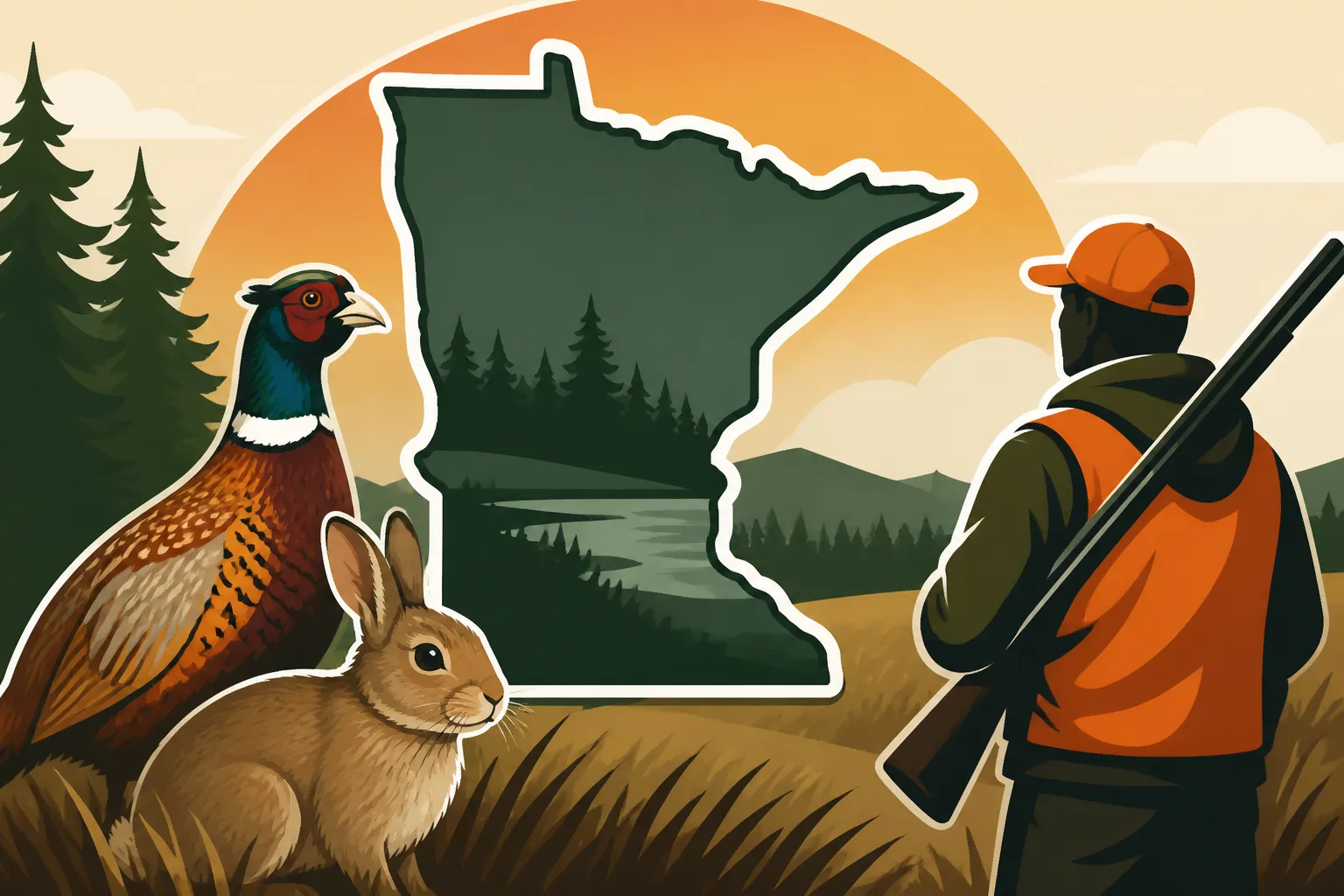
Heading to Minnesota from out of state to chase grouse, pheasants, rabbits, or ducks is a fantastic idea – our state truly offers incredible opportunities. However, before you even think about loading up the dog or packing your shotgun, you need to understand the financial commitment. It’s not just about the basic small game license; there are often additional stamps and certifications that stack up.
Why Nonresident Costs Differ (and Why It's Fair)
It's a common initial thought: "Why do I, as a nonresident, have to pay more for a license than someone who lives here?" It’s a valid question, and the answer lies in how wildlife management and conservation are funded. Resident hunters, anglers, and trappers contribute to Minnesota's natural resources through a variety of taxes, property taxes, and ongoing license purchases year after year. Their funds directly support the habitat work, species management, and enforcement efforts carried out by the Minnesota Department of Natural Resources (DNR).
Nonresident fees help balance this out, ensuring that everyone who enjoys Minnesota's incredible hunting heritage contributes equitably to its sustainability. It’s not about exclusion; it's about shared responsibility. Think of it as your direct contribution to keeping those pheasant fields healthy, those duck marshes vibrant, and those grouse woods thriving for generations to come. While the sticker shock might be a moment of pause, knowing your money goes directly back into the resources you're enjoying can make it feel a lot more palatable. For comparison, it's always interesting to look at the differences between a nonresident and a Minnesota Resident Small Game License Cost.
What a Small Game License Covers
In Minnesota, a "small game license" is your foundational permit for a wide array of species, but it's crucial to understand its exact scope. Generally, this license allows you to hunt most upland birds and migratory game birds (with additional stamps), as well as certain furbearers and other small game animals.
Here's a breakdown of what a Minnesota nonresident small game license typically covers:
- Upland Birds: This includes the ever-popular ruffed grouse and woodcock in our northern forests, as well as pheasants and gray partridge in the agricultural regions. If you're coming for the thunder of a grouse flush, this is your ticket.
- Small Game Mammals: You'll be good to go for rabbit and hare hunting in Minnesota's diverse landscapes, as well as squirrel hunting in Minnesota hardwoods. These species offer fantastic opportunities, especially for those looking to extend their hunting season into the colder months or introduce new hunters to the field.
- Certain Furbearers: Depending on the specific regulations, it can also cover species like fox and coyote. Always double-check the current hunting regulations for specific furbearer seasons and bag limits, as these can vary.
- Migratory Game Birds (with stamps): This is where the additional requirements come in. While the small game license is necessary, you must purchase additional stamps for species like ducks, geese, and doves. Without these stamps, your small game license alone won't permit you to hunt them.
It's important to remember that this license does not cover big game like deer, bear, or elk, nor does it cover turkeys. Each of those species requires its own distinct license, lottery application, or specific permit, so don't assume your small game license opens all doors. If you're interested in Minnesota Small Game and Upland Bird Seasons, this license is your entry point to a lot of excitement.
The Basic Nonresident Small Game License Cost
Let's get right to the numbers. As of the 2024 hunting season, the cost for a Nonresident Annual Small Game License in Minnesota is $109.00.
This fee grants you the ability to hunt the previously mentioned small game species throughout their respective open seasons, provided you adhere to all other state regulations regarding seasons, bag limits, and methods. It's valid from March 1st of the purchase year through February 28th of the following year, essentially covering a full year's worth of hunting opportunities. This annual option is almost always the best value if you plan to hunt for more than a couple of days or intend to return within the license year. There are typically no short-term nonresident small game options, unlike some other states that might offer 3-day or 7-day licenses.
Additional Stamps and Endorsements You Might Need
While the $109.00 covers your basic small game privileges, very few nonresident small game hunters stop there. Minnesota offers phenomenal waterfowl and pheasant hunting, both of which require additional purchases. Ignoring these can land you in serious trouble with conservation officers, and trust me, that's not how you want to end your hunting trip.
Federal Duck Stamp and HIP Certification
If your plan involves chasing ducks, geese, or any other migratory waterfowl, you're not just dealing with state regulations; federal law also comes into play. This applies to both residents and nonresidents across the entire United States.
- Federal Migratory Bird Hunting and Conservation Stamp (Federal Duck Stamp): This is a critical purchase for anyone aged 16 or older hunting migratory waterfowl. The Federal Duck Stamp costs $25.00. This stamp not only permits you to hunt migratory waterfowl but also contributes significantly to wetland conservation efforts nationwide. A single stamp is valid from July 1st through June 30th of the following year. You'll need to sign the stamp across the face to validate it once purchased.
- Harvest Information Program (HIP) Certification: This is not a physical stamp or a cost, but it's a mandatory registration for all migratory game bird hunters (waterfowl, doves, woodcock, snipe, rails). It's a quick, free survey that helps wildlife agencies gather data on harvest numbers, which is vital for managing migratory bird populations. When you purchase your Minnesota licenses, you'll typically be prompted to complete the HIP certification right then and there. It's essentially a click of a button, but it's legally required. Be sure to complete it. You can find more information on Minnesota Migratory Game Bird Certification.
Minnesota Migratory Bird Stamp
In addition to the federal requirements, Minnesota has its own state-specific stamp for migratory birds. This is separate from the Federal Duck Stamp and is equally mandatory if you intend to hunt migratory waterfowl or doves in the state.
- Minnesota Migratory Waterfowl Stamp: This stamp costs $7.50 for both residents and nonresidents aged 18-64. If you're a nonresident planning a trip for Minnesota Waterfowl Hunting on Lakes and Potholes or simply Hunting Teal During the Early September Season, this stamp is non-negotiable. Like other stamps, the funds generated go directly to supporting wetland habitat projects within Minnesota, benefiting not just waterfowl but countless other species that rely on these critical ecosystems. You'll purchase this at the same time you buy your small game license.
Minnesota Pheasant Stamp
If the colorful flush of a rooster pheasant is what calls you to Minnesota's agricultural fields, then you'll need one more specific stamp.
- Minnesota Pheasant Stamp: This stamp also costs $7.50 for both residents and nonresidents aged 18-64. This is specifically required for anyone pursuing pheasants in Minnesota. The revenue from these stamps directly supports pheasant habitat development and management, ensuring robust populations for future hunts. If you're setting your sights on Pheasant Hunting Minnesota Farmland, this is a must-have. Don't leave home without it if pheasants are on your target list!
What About Turkey and Bear?
It's a common misconception that all "small game" means all non-deer hunting. In Minnesota, wild turkey and black bear are managed as separate big game species, each with its own licensing system.
- Wild Turkeys: Turkey hunting, whether in the spring or fall, requires a specific turkey license. Minnesota has different zones and periods for spring turkey hunting, often requiring a lottery application for desirable early seasons. Fall turkey hunting is generally more accessible. A small game license will not allow you to hunt turkeys. You'll need to acquire a specific Minnesota Spring Turkey License Cost or fall turkey license.
- Black Bear: Bear hunting in Minnesota is primarily done via a lottery system for specific bear permit areas. This is a highly sought-after tag and requires a separate application and license. Your small game license has no bearing on bear hunting eligibility. You can learn more about the Minnesota Bear Lottery and Permit Areas if you're ever considering a future bear hunt.
Navigating the Purchase Process and Planning Your Hunt
So, you've got the costs figured out. Now, how do you actually get your hands on these licenses and stamps? The process is straightforward, but a little planning goes a long way, especially for nonresidents.
Where to Buy Your Nonresident Small Game License
Minnesota makes it pretty easy to purchase licenses, offering several convenient options:
- Online: This is often the easiest and most recommended method for nonresidents. You can purchase all your necessary licenses and stamps directly through the Minnesota DNR's eLicense system. It’s accessible 24/7, and you can print your licenses at home or save them digitally on your smartphone. Just make sure your phone has enough battery and coverage in the field to show your digital proof if asked!
- In Person: You can purchase licenses at any authorized license agent throughout Minnesota. These agents include many bait shops, sporting goods stores, county auditors, and some general stores. This can be a great option if you're already in the state and want to pick up a local map or get some last-minute advice.
- By Phone: You can also call the Minnesota DNR's toll-free number to purchase licenses. This is a good alternative if you have questions or prefer speaking to someone directly.
Remember, if you plan to hunt early in the season, particularly for birds like pheasants or ducks, don't wait until the last minute. Make sure you've got all your ducks (and pheasants) in a row before you hit the field. Resources like GoHunt can be invaluable for finding license vendors, understanding regulations, and even discovering prime public hunting lands.
License Validity and Requirements
Once you've made your purchase, a few details are still important to keep in mind:
- Validity: As mentioned, most annual licenses are valid from March 1st to February 28th. Pay attention to the specific dates printed on your license.
- Proof of License: You must carry proof of your current, valid license(s) and stamps while hunting. This can be a physical printout or a digital copy on your phone. If using a digital copy, ensure your phone is charged and readable.
- Hunter Safety: If you were born after December 31, 1979, you generally need to have a valid hunter education certificate to hunt in Minnesota. Minnesota recognizes hunter education certifications from other states and provinces. If you’re a minor, be sure to check Minnesota Hunter Safety Requirements and potentially Minnesota Mentored Youth Hunting Rules. Don't forget to have your certificate number handy when purchasing your license.
Planning Ahead with Cost in Mind
Hunting can be an expensive hobby, and travel only adds to it. Budgeting for your nonresident small game license and stamps is just one piece of the puzzle, but it's a crucial one that's easy to overlook until the last minute.
Here's a quick summary table of potential costs for a nonresident small game hunter targeting migratory birds and pheasants:
| License/Stamp | Cost (Approx. 2024) | Notes |
|---|---|---|
| Nonresident Annual Small Game | $109.00 | Required for all small game, including upland birds. |
| Federal Duck Stamp | $25.00 | Required for anyone 16+ hunting migratory waterfowl. |
| Minnesota Migratory Waterfowl | $7.50 | Required for anyone 18-64 hunting migratory waterfowl/doves. |
| Minnesota Pheasant Stamp | $7.50 | Required for anyone 18-64 hunting pheasants. |
| Total (for all above) | $149.00 | Your typical all-in cost for a mixed-bag small game trip. |
This table helps you visualize the total commitment. Remember to factor in travel, lodging, food, ammunition, and other gear. It’s also wise to check for potential discounts for seniors or youth, although these are typically reserved for residents or have specific age requirements. Resources like GoHunt can also help you organize your hunting plans, from finding potential hunting spots to understanding specific regulations for Minnesota Small Game and Upland Bird Seasons or Minnesota Waterfowl Zones and Seasons, making your trip more efficient and enjoyable.
Utilizing Digital Resources for Planning
In this day and age, technology is your best friend when planning an out-of-state hunt. Don't rely solely on paper maps or outdated regulations.
- Minnesota DNR Website: The official source for all regulations, season dates, permit area maps, and license purchasing. Bookmark it!
- Mapping Apps: Apps like onX Hunt, BaseMap, and others are indispensable. They show public land boundaries, Walk-In Access (WIA) areas, WMA boundaries, and even features like timber cuts and elevation changes. This is vital for Scouting Minnesota Public Land Before Season or even Reading Aerial Photos for Big Woods Deer. GoHunt also provides excellent mapping and planning tools that can help you identify promising areas and understand property lines before you arrive. This kind of preparation can save you hours of wasted time and frustration in the field, helping you focus on the hunt itself.
Disclaimer
The information provided in this guide is for general informational purposes only and is subject to change. While we strive to provide accurate and up-to-date information, hunting regulations, license costs, and season dates can be modified by the Minnesota Department of Natural Resources at any time. It is the responsibility of every hunter to consult the official Minnesota DNR website or regulation booklets for the most current and authoritative information before hunting. Failure to do so may result in legal penalties.