Where Minnesota Bears Range
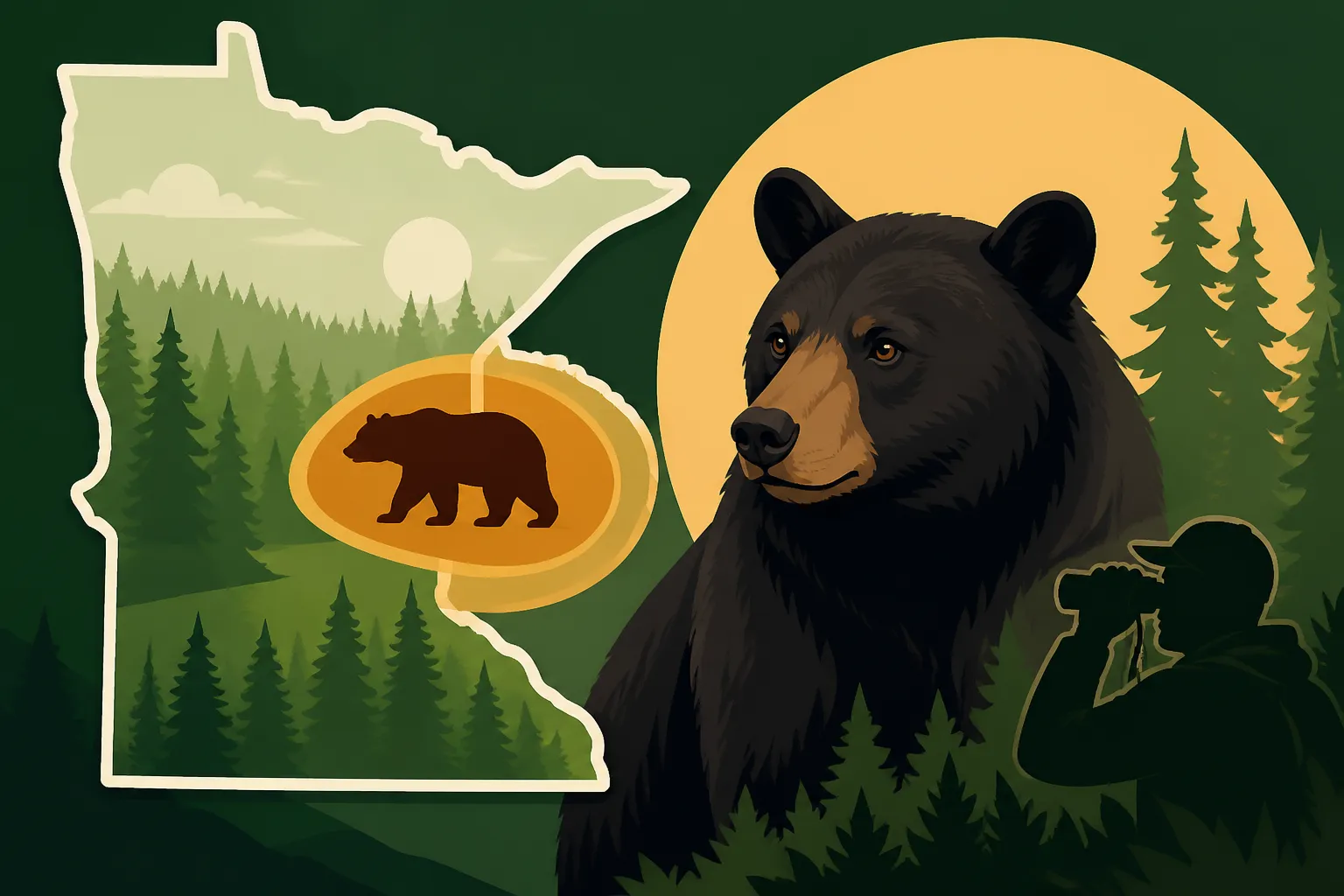
For many Minnesota hunters and outdoor enthusiasts, the question of "where do bears range?" used to have a simple answer: "up north." But the truth is, the majestic black bear population in our state is dynamic, and their range has been subtly, yet significantly, expanding and shifting, leading to more frequent encounters in areas folks might not expect. This comprehensive guide will peel back the layers on Minnesota's black bear territory, from their traditional strongholds to the surprising places they're making a temporary home, helping you understand their movements and how to best navigate their world.
Understanding Minnesota's Black Bear Population Dynamics
Before we dive into the specific geographical range, it's crucial to understand that bear populations aren't static. They ebb and flow, influenced by everything from annual food crops to human development. Minnesota's black bear population has shown remarkable resilience and adaptability, especially over the last few decades. What was once primarily a creature of the deep, untouched northern forests is now a more frequent visitor to agricultural fringes and even suburban outskirts. This adaptability is both a testament to their intelligence and a factor that makes understanding their range a bit more complex than just pointing to a map.
Historical Bear Range and Recovery Efforts
Back in the pioneer days, black bears were found throughout most of Minnesota. However, extensive logging, agricultural expansion, and unregulated hunting dramatically pushed their numbers down and restricted their range almost exclusively to the dense forests of the northeast. By the mid-20th century, their distribution was quite limited, leading many to believe they were strictly "northern" animals.
The story of Minnesota's black bear population since then has largely been one of recovery and expansion. Improved wildlife management practices, including regulated hunting seasons and habitat protection, have allowed bear numbers to rebound significantly. As populations grew, bears naturally began to explore new territories, pushing the boundaries of what was once considered their definitive habitat. This slow but steady outward movement from their core historical range is what we're observing today. It's a testament to good conservation, but it also creates new challenges and opportunities for those who share the landscape with these powerful animals. Learning about Minnesota's Black Bear Population can provide even more context on this fascinating recovery.
Factors Influencing Bear Distribution Shifts
Several key factors contribute to the ongoing shifts in where Minnesota bears range. One of the primary drivers is, predictably, food. Bears are opportunistic omnivores, and a poor natural food crop—like a year with sparse acorns or berries in the traditional forest zones—can send them searching far and wide for sustenance. This often pushes younger, less dominant bears, or even mothers with cubs, into new, sometimes less-than-ideal, habitats.
Another significant factor is habitat connectivity. River corridors, undeveloped green spaces, and even stretches of fragmented forest act as natural highways for bears. They can travel considerable distances along these corridors, often undetected, moving through areas that might otherwise seem inhospitable. Human development, ironically, can also play a role. While urban sprawl often displaces wildlife, the presence of easily accessible food sources like bird feeders, garbage, and unsecured pet food can inadvertently draw bears into residential areas, even if they're just passing through on their way to more natural cover. A useful tool like a GoHunt app can sometimes help visualize these habitat corridors on public lands.
The Core Bear Habitat: Northern Minnesota's Stronghold
When most Minnesotans think of black bears, they picture the vast forests of the northern part of the state, and for good reason. This region remains the absolute stronghold for our black bear population, offering the dense cover, diverse food sources, and expansive wild spaces that these animals thrive in. This is where the highest densities of bears are found and where encounters are most common.
The Dense Forests of the Northeast and North-Central Regions
The heart of Minnesota's bear country lies in the northeastern and north-central forested regions. Think of areas like the Superior National Forest, the Chippewa National Forest, and the numerous state forests that blanket these counties. These expansive woodlands provide everything a bear needs: a mosaic of deciduous and coniferous trees, including crucial mast-producing oaks and abundant berry bushes; thick underbrush for cover and denning; and plenty of wetland areas for additional forage. This is also where you'll find the highest concentration of permit areas for bear hunting, reflecting the robust population.
Within these core areas, bears typically maintain smaller home ranges due to the abundance of resources. They don't have to travel as far to find food, mates, or denning sites. This concentration of bears also means that hunters have a higher chance of success here, whether they're pursuing them with Baiting Bears in Minnesota's Forest Zone or running hounds. The sheer wildness of these regions, with their interconnected lakes and rivers, also means bears can move largely undisturbed by human activity, making it truly ideal bear habitat. It’s also where you'll often hear about How Many Black Bears Minnesota Has when the DNR releases population estimates.
Wilderness Areas and Remote Public Lands
Beyond the broader forest zones, specific remote and wilderness areas act as critical anchors for the bear population. The Boundary Waters Canoe Area Wilderness (BWCAW), for example, is a prime example of an untouched sanctuary. With minimal human presence and vast tracts of undisturbed forest, it provides ideal habitat for bears to thrive. While hunting in the BWCAW comes with unique challenges, bears move freely through its canoe country.
Similarly, other large tracts of public land, such as state parks (where hunting may be restricted but bears still live) and Wildlife Management Areas (WMAs) within the northern forests, contribute significantly to maintaining healthy bear numbers. These untouched or lightly managed areas ensure that a significant portion of the population remains relatively unpressured, serving as source populations that can then expand into surrounding areas. Hunters looking to challenge themselves and find truly wild bears might consider Hunting the Boundary Waters Canoe Area for a unique experience. These areas offer a glimpse into the natural movements of bears.
Bear Sightings Beyond the North: Expanding South and West
While the north remains the undisputed capital of bear country in Minnesota, the southern and western reaches of the state are experiencing an undeniable increase in bear activity. This doesn't mean these areas are now "bear country" in the same vein as the north, but it does mean that sporadic and sometimes sustained sightings are becoming more common, challenging old assumptions about their distribution.
Agricultural Fringes and River Corridors
The most common areas for bears to expand into are the agricultural fringes that border the historical forest zone, and especially along major river corridors. Rivers like the Mississippi, St. Croix, and Minnesota, with their associated woodlands, sloughs, and undeveloped banks, act as crucial pathways. Bears can follow these green corridors deep into what is otherwise heavily agricultural or even semi-urbanized landscapes. They are looking for food, and cornfields, oat fields, and even small orchards offer irresistible temptations.
These forays into new territory are often undertaken by younger, dispersing bears looking to establish their own home ranges, or by older bears pushed out of prime habitat by more dominant individuals. While they may not den permanently in these areas, they can certainly spend weeks or even months utilizing the available resources before moving on or retreating back to more familiar cover. Hunters in these transitional zones are increasingly aware that a bear tag might be useful even if they're primarily focused on deer.
Documented Sightings in Central and Southern Minnesota
It’s no longer a shock to hear about a bear sighting near Brainerd, St. Cloud, or even closer to the Twin Cities metro. The Minnesota Department of Natural Resources (DNR) consistently receives reports of bears far south of their traditional range. These sightings are often near river systems, large parks, or even in suburban backyards where attractants are readily available.
These southern and central Minnesota bears are almost always transient, meaning they’re not establishing permanent breeding populations. They’re usually young males on an adventure, or sometimes females exploring new territory. However, their presence highlights the fact that while the core population might be "up north," individual bears are showing incredible adaptability and a willingness to explore. For instance, stories of Bears Moving Into Southern Minnesota are becoming less of a novelty and more of a regular occurrence, prompting residents and hunters alike to be more vigilant.
Factors Driving Bear Movements and Range Expansion
The movement of black bears into new territories isn't random; it's driven by a complex interplay of ecological and human-influenced factors. Understanding these drivers is key to predicting where you might encounter a bear and appreciating the dynamics of their presence in Minnesota.
Food Availability and Seasonal Shifts
The primary driver of bear movement, both within their established range and into new areas, is undoubtedly food. Black bears operate on a seasonal diet, gorging themselves in spring and summer on grasses, forbs, berries, and insects, then entering a period of "hyperphagia" in the fall where they consume massive amounts of high-calorie foods like acorns, hazelnuts, and agricultural crops to build up fat reserves for winter denning.
Years with poor natural mast crops in the northern forests, for example, can trigger significant southward movements as bears search desperately for calories. Conversely, abundant food years might mean bears stay closer to home. Agricultural areas with cornfields, apple orchards, or even backyard bird feeders present incredibly tempting, high-calorie food sources that can lure bears away from natural habitats. This explains why a bear might be seen in a farm field far from dense timber, as it's simply following its nose to an easy meal. This seasonal migration for food is a huge part of Minnesota Bear Denning Behavior as well, as they need to put on ample weight before winter.
Habitat Connectivity and Human Influence
As mentioned, habitat connectivity plays a huge role. Wooded river valleys, undeveloped utility corridors, and even small patches of continuous forest act as natural highways, allowing bears to move through otherwise fragmented landscapes. Without these connections, bear expansion would be far more limited.
Human influence, while often seen as a deterrent, can sometimes inadvertently facilitate range expansion. Road networks, while dangerous for bears, can also open up access to new areas. More significantly, human development brings with it easily accessible food sources: garbage cans, compost piles, pet food left outdoors, and bird feeders are all major attractants. When these "free meals" become consistent, bears can become habituated to human presence and more willing to venture into populated areas. This interaction sometimes leads to Bear Encounters Around Minnesota Cabins, highlighting the need for responsible food storage. A hunter using a GoHunt app to scout might notice these habitat connections and how they can potentially be used by game.
Life in the Bear's World: Denning, Foraging, and Breeding
To truly understand where Minnesota bears range, you need to understand how they live within that range throughout the year. Their activities dictate their presence and visibility in different areas and at different times.
Seasonal Behavior and Habitat Use
Black bears exhibit distinct seasonal behaviors that influence their location. In spring, when they emerge from their dens, they're typically looking for the first green growth and carrion. This is a time when they might be seen along forest edges or roadsides. As summer progresses, they shift to consuming a variety of berries, grubs, and other vegetation. This is when they are most widely dispersed throughout their core forested range.
Fall is a critical period. Known as hyperphagia, bears are driven by an instinct to consume as many calories as possible before winter. This leads them to concentrate in areas rich in acorns, hazelnuts, and other hard mast. It's also the period when they are most likely to venture into agricultural fields for corn or oats. For hunters, this makes understanding Minnesota Muzzleloader Season Tactics for bears particularly important, as these late-season pushes for food often concentrate bears.
Denning Sites and Reproductive Success
When the snow flies, bears retreat to their dens, which can be in a variety of locations: hollow logs, rock crevices, dug-out depressions under tree roots, or even shallow scrapes in dense brush. Denning sites are chosen for protection from the elements and predators, and for security during the long winter nap. While most dens are found within the forested core, transient bears that ventured south might den in less conventional spots, such as large brush piles or dense cattail swamps, if the conditions are right.
Reproductive success is directly tied to the health of the bear population and thus, its range. Females typically give birth to cubs in the den during late winter. Healthy mothers with good fat reserves produce more cubs. These cubs stay with their mother for about 1.5 years, learning foraging skills and understanding the local range. As young bears mature, they will often disperse from their mother's territory to find their own, which is a major driver of range expansion into new areas. Knowing about Minnesota's Black Bear Population numbers can give you insight into how many of these young bears might be dispersing each year.
Interacting with Bears: Hunting and Coexistence
Whether you're a hunter, a cabin owner, or just an occasional hiker, understanding bear range means understanding how to interact safely and responsibly with these magnificent animals. Their movements directly impact hunting opportunities and the need for coexistence strategies.
Bear Hunting Opportunities and Regulations
Minnesota has a long-standing and well-managed bear hunting season, primarily focused in the core northern range. The season is regulated through a lottery system in designated permit areas, with a smaller "no-quota" zone in the far northwest. Hunters apply for permits, and the number issued is based on population goals and management objectives.
Understanding Minnesota's Fifteen Bear Permit Areas is crucial for any hunter. Each area has different characteristics, from dense forest to more mixed habitat. Hunting methods typically include baiting, using hounds, or still-hunting. The expansion of bear range doesn't necessarily mean more hunting opportunities in southern counties, as the populations there are transient and not managed for harvest in the same way. However, it does highlight the importance of being bear-aware even in unexpected locations. Knowing When Minnesota Bear Season Opens is crucial for those hoping to harvest a bear.
Here's a simplified look at typical bear activity by region:
| Region | Primary Habitat | Typical Bear Density | Hunting Opportunity | Likelihood of Transient Bears |
|---|---|---|---|---|
| Northeast/North-Central Forests | Dense mixed forest, wetlands, lakes | High | Excellent (Permit Areas) | Low (resident population) |
| Northwest Forest/Transition | Mixed forest, aspen, agricultural fringe | Medium to High | Good (Permit & No-Quota) | Medium |
| Central Minnesota | Forest fragments, river corridors, agricultural | Low to Medium (transient) | Very Limited | High |
| Southern Minnesota | River valleys, dense woodlots, agriculture | Very Low (transient) | Extremely Limited | High |
Living with Bears in Expanding Territories
For residents in areas experiencing increased bear activity, coexistence is paramount. The vast majority of bear encounters are harmless, but problems arise when bears become habituated to human food sources. This often leads to property damage and, in rare cases, aggressive behavior if a bear feels threatened or is defending food.
The key to preventing conflicts is managing attractants. This means securing garbage in bear-proof containers, bringing in pet food at night, removing bird feeders during bear season (roughly April through November), and cleaning grills thoroughly. If you encounter a bear, make noise, make yourself look big, and never run. Understanding that these animals are just following their natural instincts for food and shelter helps us take proactive steps to reduce conflicts. Educational resources and community awareness campaigns, often supported by groups like the DNR and even hunting brands like GoHunt, are vital for promoting responsible coexistence, especially as bears continue to demonstrate their presence further south.
Conclusion: A Dynamic Landscape for Minnesota's Bears
The black bear in Minnesota is no longer confined to the far northern reaches of the state. While the core forest zone remains their undeniable stronghold, their range is a dynamic, expanding landscape influenced by food availability, habitat connectivity, and human activity. From the deep woods of the Superior National Forest to the river valleys winding through agricultural heartland, bears are demonstrating their incredible adaptability. For hunters, this means new considerations and opportunities. For residents, it means a greater need for awareness and responsible attractant management. By understanding where Minnesota bears range, we can better appreciate these magnificent creatures and ensure a future of successful hunting and respectful coexistence across our beautiful state.
Disclaimer
The information provided in this guide is for general informational purposes only and is not intended as legal, wildlife management, or safety advice. Hunting regulations and wildlife behavior can change, and readers should always consult the most current regulations from the Minnesota Department of Natural Resources (DNR) and exercise extreme caution and good judgment when in bear country. Always prioritize safety and adherence to all local and state laws.