Bears Moving Into Southern Minnesota
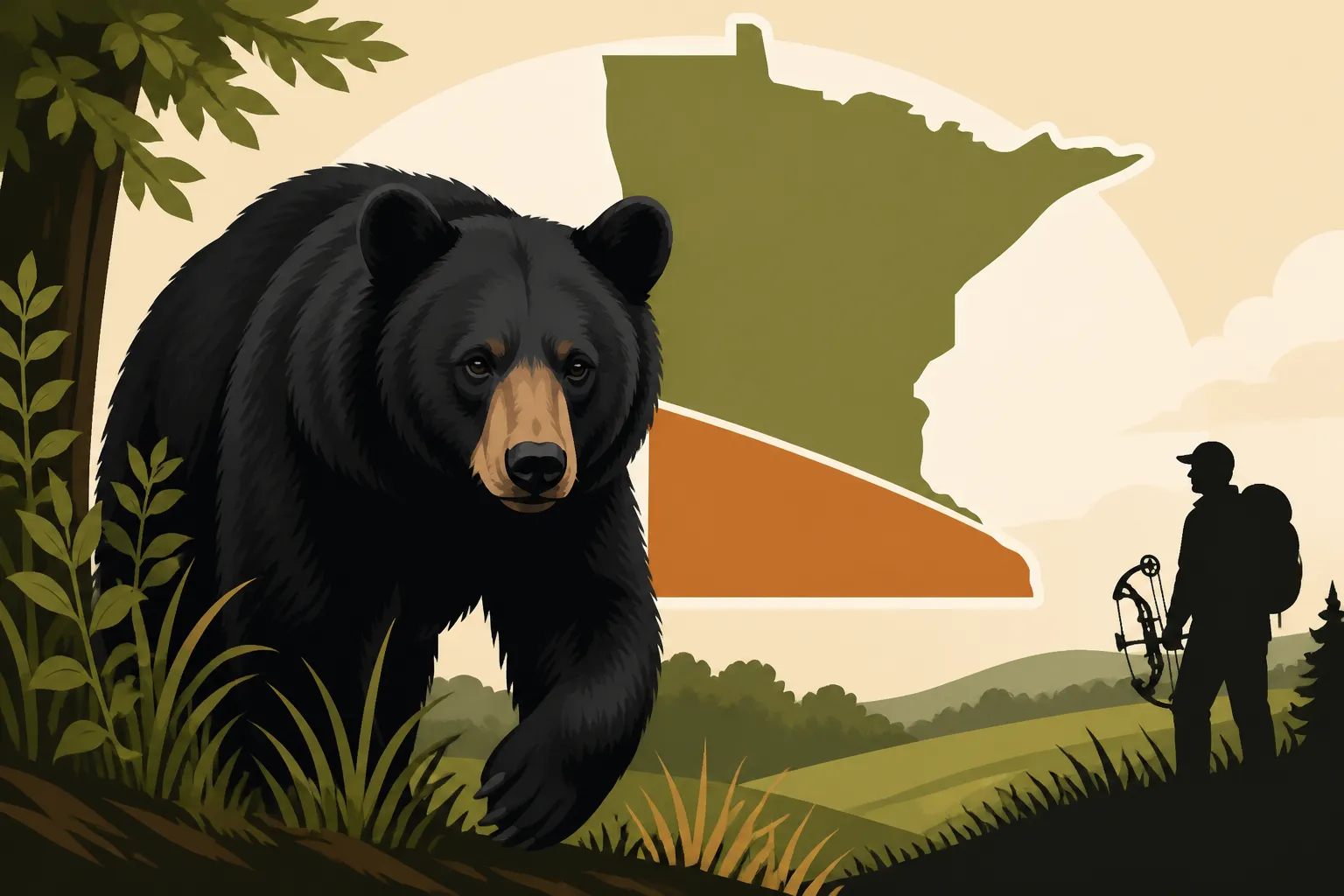
For many years, the sight of a black bear was something reserved for those of us living or hunting in the deep woods of northern Minnesota. You'd expect to see one raiding a campsite near Ely or lumbering across a logging road up by Grand Rapids. But if you’re suddenly finding signs of bears, or even seeing them firsthand, much further south than you ever imagined – maybe even in your own backyard or local woodlot – you're not alone, and it's a phenomenon that can be quite unsettling. This guide is here to shed some light on why these incredible animals are expanding their range, what it means for you, and how to coexist safely with these once-rare visitors in what we traditionally considered non-bear country.
The Shifting Landscape: Why Bears Are Moving South
It’s easy to assume that bears stay put, but wildlife populations are dynamic, constantly responding to changes in habitat, food availability, and their own numbers. The expansion of black bears into southern Minnesota isn't a random event; it's a clear signal that the environment is changing and these intelligent animals are adapting. Understanding the underlying reasons can help us make sense of their increasing presence.
Population Growth and Carrying Capacity
For decades, Minnesota has had a healthy and growing black bear population, primarily concentrated in the forested regions of the north. This is fantastic news for the species and for those of us who appreciate our state's wild heritage. However, just like any species, there's a limit to how many bears an area can sustainably support – what biologists call the "carrying capacity." When populations reach high densities, competition for resources like den sites, mates, and especially food, becomes more intense.
This increased competition is a major driving force behind dispersal. Younger bears, particularly sub-adult males, often get pushed out of established territories by larger, more dominant individuals. They are forced to strike out on their own, searching for new areas with less competition and sufficient resources to survive and eventually establish their own territories. While it might seem counterintuitive for a creature of the deep woods to venture into more agricultural or populated areas, these young, dispersing bears are often the ones we're seeing. Their wanderings are a testament to the resilience and adaptability of the species. You can learn more about Minnesota's Black Bear Population and how it has fluctuated over time.
Habitat Changes and Food Availability
Minnesota's landscape is a patchwork of forests, farmlands, and urban centers, but even within this mosaic, there are significant shifts happening that favor bear expansion. The agricultural lands of central and southern Minnesota, with their vast fields of corn, soybeans, and other crops, represent an enormous potential food source for an opportunistic omnivore like a bear. While not traditional bear habitat, these areas offer calorie-rich forage, especially during late summer and fall when bears are trying to pack on weight for hibernation.
Beyond direct food sources, changes in forest cover and interconnectedness also play a role. Even small woodlots, river bottoms, and green corridors that link larger tracts of forest can act as pathways for bears to move through areas they historically avoided. These linear features provide cover and a sense of security, allowing bears to travel further south than ever before. We're seeing Where Minnesota Bears Range expanding beyond previous known boundaries, indicating their ability to utilize these new habitat types. These animals are smart, and they'll follow the food and the cover.
Human Influence and Attraction
Let’s be honest, we humans play a significant, albeit often unintentional, role in attracting bears. Our garbage, bird feeders, pet food left outdoors, and even compost piles can be irresistible draws for a hungry bear. A bear's nose is incredibly powerful, and it can detect scents from a long distance. What we might consider a small snack can be a significant caloric reward for a bear, making the risk of venturing into human-dominated areas worth it.
Once a bear finds an easy meal, it's highly likely to return. Bears are intelligent and quickly learn to associate certain smells and locations with food. This can lead to repeat visits and, in some cases, bears becoming habituated to human presence. While most bears prefer to avoid people, those that become accustomed to finding food near homes can become a nuisance, or worse, a danger. Understanding Bear Encounters Around Minnesota Cabins in traditional bear country can offer valuable insights into what to expect and how to prevent issues in new territories. It’s crucial that we all do our part to avoid creating these "attractants" that encourage bears to stick around.
Unexpected Encounters: What to Do When You See a Bear
Coming face-to-face with a bear in your yard or while out for a walk can be startling, especially if you’re not used to seeing them. The key is to remain calm, understand bear behavior, and know how to react safely. Most bears are more afraid of you than you are of them, but surprising one or acting aggressively can lead to dangerous situations.
Remaining Calm and Assessing the Situation
Your first instinct might be to panic or run, but that’s often the worst thing you can do. Running can trigger a chase response in many animals, including bears. Instead, stop, take a deep breath, and assess the situation. Is the bear aware of you? What is it doing? Most encounters with black bears are not aggressive. They are usually just passing through, foraging, or trying to avoid you.
Try to appear as large as possible. If you have a jacket, hold it open above your head. Slowly wave your arms. Speak in a firm, calm voice, making sure the bear knows you are human and not a potential prey animal. Avoid direct eye contact, which can be interpreted as a challenge. Give the bear space, allowing it an escape route. This is about de-escalation and showing the bear you're not a threat, but also not an easy target.
When a Bear Charges or Behaves Aggressively
While rare, a black bear might bluff charge you. This is usually a warning, meant to scare you off, not to make contact. The bear might huff, stomp its feet, or even run at you before stopping short. In these situations, do not run. Stand your ground, continue to make yourself look big, and make loud noises. If the bear continues to advance, you might have to consider fighting back. This is different from a grizzly bear encounter; with black bears, fighting back is generally advised if physical contact is made.
If you have bear spray, this is the time to use it. Make sure you know how to deploy it quickly and accurately. The goal is to deter the bear, not to kill it. If you're hiking in an area where Bears Moving Into Southern Minnesota are becoming more common, carrying bear spray, even outside traditional bear country, is a wise precaution. Always carry it where it's easily accessible, not buried in your pack.
Reporting Bear Sightings
It’s incredibly important to report bear sightings, especially in areas where they are not traditionally common. Your local DNR office relies on public reports to track animal movements, population changes, and potential conflict areas. This data helps them understand the extent of Minnesota's Black Bear Population expansion and informs management decisions.
You can usually find contact information for your regional DNR office on their website. When you call, be prepared to provide details: the date and time of the sighting, the exact location (cross streets, address, GPS coordinates if you have them), what the bear was doing, and if it showed any signs of habituation or aggression. This information is invaluable for wildlife managers who are trying to monitor the evolving situation.
Making Your Home Less Inviting: Bear-Proofing Your Southern Property
As bears become more frequent visitors to areas historically free of them, it falls on us to adapt our habits to minimize conflicts. Attracting a bear, even unintentionally, can lead to problems for both the bear and your community. Bear-proofing your property is essential, whether you live in traditional bear country or in newly emerging bear habitats.
Securing Food Sources and Garbage
The number one rule of bear-proofing is to eliminate easy access to food. This means taking proactive steps with your garbage, pet food, and any other potential attractants. Your regular trash cans simply aren't enough to deter a determined bear. If you live in an area with confirmed bear activity, invest in bear-resistant garbage cans or keep your trash indoors, in a garage or shed, until collection day.
Never leave pet food or water bowls out overnight. These are prime targets. If you feed birds, consider taking down feeders during times of bear activity, especially in spring and fall when bears are most actively foraging. Compost piles should be carefully managed, avoiding meat scraps or strong-smelling foods. Even barbecue grills need to be cleaned thoroughly after use, as the residual grease and food odors can be a powerful attractant. GoHunt users often share tips on how to manage these attractants, demonstrating a broader awareness among outdoor enthusiasts.
| Item Type | Bear-Proofing Strategy | Notes |
|---|---|---|
| Garbage | Store in bear-resistant containers or indoors | Put out only on collection day. Double-bag pungent items. |
| Pet Food | Feed indoors; remove bowls immediately after eating | Never leave pet food outside overnight. |
| Bird Feeders | Remove when bears are active (spring-fall) | Store seed inside. Clean up spilled seeds regularly. |
| Grills | Clean thoroughly after each use; store in garage/shed | Burn off food residue; clean grease traps. |
| Compost | Only vegetative waste; turn regularly; keep covered | Avoid meat, dairy, oily foods. Consider a bear-resistant composter. |
| Fruit Trees | Pick ripe fruit promptly; clean up fallen fruit | Bears are drawn to sweet, fermenting smells. |
| Bee Hives | Install electric fencing | Essential for protecting apiaries in bear country. |
| Coolers/Food | Never leave unattended outside, even for a short time | Bears can recognize and open coolers. |
Electric Fencing and Other Deterrents
For more persistent bear issues, or to protect specific resources like chicken coops, apiaries, or valuable gardens, electric fencing can be a highly effective deterrent. A properly installed and maintained electric fence delivers a harmless but memorable shock that teaches bears to avoid the area. It’s a physical and psychological barrier.
There are many resources available online for setting up bear-resistant electric fences. It's crucial to use the correct voltage and grounding for effectiveness. Noise deterrents, like air horns or banging pots, can also be effective in scaring off a bear that's approached too closely, but only if you are safely able to deploy them. The key is to make the experience of approaching your home unpleasant and unrewarding for the bear. Keep in mind that for hunters interested in methods, understanding how Baiting Bears in Minnesota's Forest Zone works shows how appealing food can be, and why we must eliminate it from our homes.
Securing Outbuildings and Vehicles
Bears are incredibly strong and surprisingly adept at opening doors and windows. Never leave food in your vehicle, especially if it’s parked outside. Bears have been known to break into cars to get at food wrappers, empty soda cans, or even chapstick. Roll up windows and lock doors.
Sheds, garages, and other outbuildings that contain food, pet supplies, or even scented items like toiletries or fuel should be secured with heavy-duty locks. Simple latches are no match for a bear's strength. These precautions are becoming increasingly important as Bears Moving Into Southern Minnesota become more commonplace, changing how residents need to safeguard their property. A bear that gets a reward from an outbuilding will undoubtedly return, causing significant damage in the process.
Beyond the News: Understanding Bear Ecology in Southern Minnesota
While seeing a bear in an unexpected place can feel like a novel experience, understanding their fundamental biology and behavior helps us interpret their actions and predict their patterns, even in new environments. Bears are creatures of habit and opportunity, and their movements are often driven by predictable ecological factors.
Seasonal Movements and Denning Behavior
Bears have distinct seasonal patterns of activity. In spring, after emerging from hibernation, they are extremely hungry and often in search of easily digestible foods. This is a time when they might be more prone to exploring new areas as they shake off the winter slumber. During summer, they continue to forage, building strength and fat reserves.
The late summer and fall, however, are critical. This is hyperphagia season, when bears are intensely focused on consuming as many calories as possible to prepare for Minnesota Bear Denning Behavior and the long winter ahead. Their drive to find food is at its peak, and they might cover extensive ground, pushing into new territories in search of acorns, berries, and agricultural crops. This is often when sightings in southern areas peak, as bears are making their last-ditch effort to fatten up before the cold sets in.
Dietary Adaptations in New Environments
Black bears are omnivores, meaning they eat both plants and animals, and this dietary flexibility is a major reason for their ability to colonize new habitats. While the deep woods offer berries, nuts, and grubs, southern Minnesota's landscape provides a different, but equally appealing, buffet. They will readily consume corn, oats, and other grains from agricultural fields, especially when those crops are ripe.
Beyond crops, they will still utilize natural food sources available in southern woodlots and river bottoms, such as acorns from oak trees, various wild berries, and even insects. This adaptability means they aren't confined to a single type of food source and can exploit whatever is most abundant. Their ability to switch between diets makes them incredibly resilient and allows them to thrive in varied environments, unlike some more specialized game species.
Coexistence and Long-Term Outlook
The reality is that Bears Moving Into Southern Minnesota is likely a trend that will continue. As their population remains robust in their core range, and as new generations disperse, these intelligent and adaptable animals will continue to explore new territories where resources are available. Learning to coexist peacefully with bears will become an increasingly important part of living in Minnesota.
This means a collective effort: individuals securing their properties, communities educating residents, and wildlife managers continuing to monitor populations and respond to conflicts. While there isn't a hunting season for Game You Cannot Hunt in Minnesota like bears in the southern parts of the state, managing human-bear interactions through responsible practices is the best way to ensure both humans and bears can thrive in our changing landscape. Understanding How Many Black Bears Minnesota Has and their movement patterns through resources like GoHunt can help us all stay informed and prepared.
Disclaimer
This article is for general informational purposes only and does not constitute professional advice. Laws, prices and regulations vary by location and change over time. Consult a qualified professional for guidance on your specific situation.