How Many Minnesota Black Bears There Are
It’s easy to feel a mix of awe and a little bit of apprehension when you hear rustling in the Minnesota woods and wonder if it’s a black bear. Many of us, whether we’re hunters or just avid hikers, often ask, "Just how many bears are out there?" It can feel like a mystery, especially when you’re planning your outdoor adventures or considering a bear hunting tag. This detailed guide will pull back the curtain on Minnesota's black bear population, diving deep into their numbers, where they roam, what influences their well-being, and how the state manages these incredible animals.
Understanding Minnesota's Black Bear Population Dynamics
Black bears (Ursus americanus) are an iconic part of Minnesota's wildlife, especially in our northern forests. While they might seem elusive, the Minnesota Department of Natural Resources (DNR) works tirelessly to monitor their numbers, ensuring a healthy and sustainable population. It’s a complex undertaking, balancing ecological health with human interaction and hunting opportunities.
Current Population Estimates and Trends
For decades, Minnesota's black bear population has shown remarkable resilience and growth. From historical lows in the early 20th century due to habitat loss and unregulated hunting, conservation efforts have allowed their numbers to rebound significantly. Today, Minnesota boasts a robust and thriving black bear population.
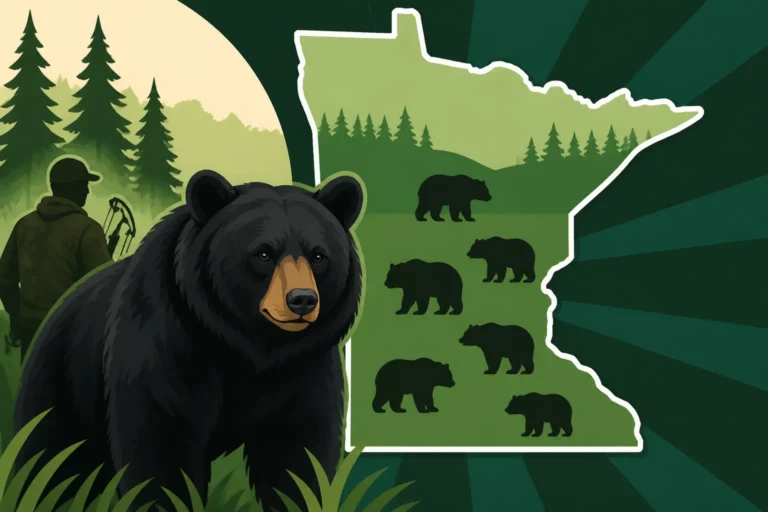
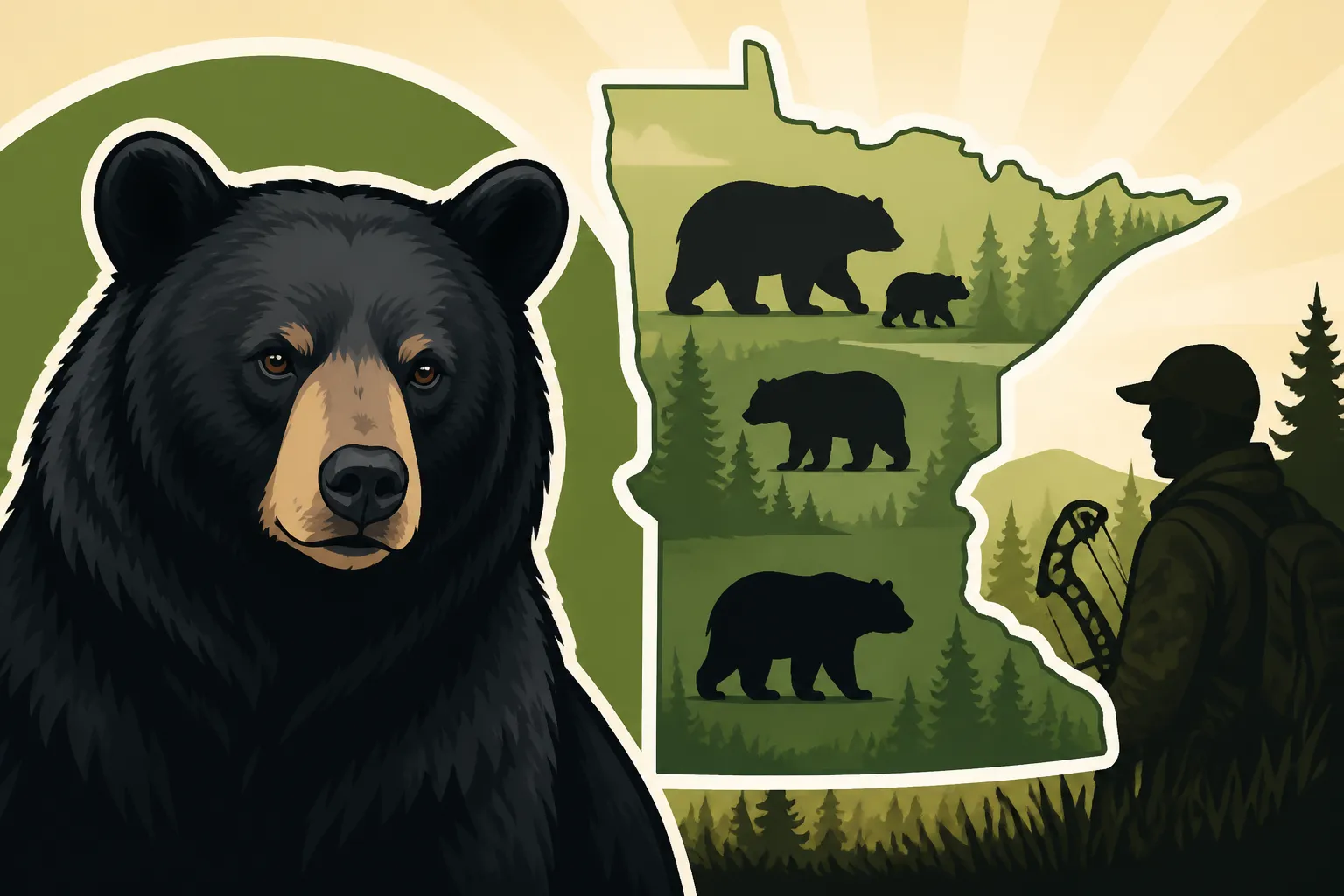
The most recent official estimates from the Minnesota DNR place the statewide black bear population at around 12,000 to 15,000 bears. This isn't a static number, of course. It fluctuates year to year based on factors like cub survival rates, food availability, and harvest totals. What's truly impressive is how consistently these numbers have stayed within a healthy range, showcasing successful management strategies. Unlike deer populations which can see more dramatic swings based on winter severity and disease, bear numbers tend to be a bit more stable, though still subject to environmental pressures. If you're curious about how other big game populations are tracked, you might find information on Minnesota Deer Herd Size interesting for comparison.
How Population Data is Collected
Counting bears in vast, dense forests isn't as simple as doing a head count. The DNR employs a sophisticated suite of methods to estimate the black bear population, combining scientific rigor with boots-on-the-ground observation. This isn't just about guessing; it's about using multiple data points to create the most accurate picture possible.
One of the primary methods is the bear bait station survey. DNR staff set up hundreds of bait stations across the bear range before the hunting season. These stations are checked regularly, and researchers record activity, especially tracks and scat, to gauge bear presence and density. It’s a bit like a census using snacks! Another crucial tool is den surveys. Biologists locate hibernating female bears (sows) in their dens, often with the help of radio telemetry from previously collared bears. They then sedate the sows, count and weigh cubs, and assess the health of the mother. This provides vital data on reproductive rates, cub survival, and overall denning success, which directly impacts future population projections. Hunters also contribute significantly to data collection. Each harvested bear must be registered, providing data on age, sex, weight, and location. This harvest data, when combined with the other survey methods, allows the DNR to create detailed models of the overall population. Tools like GoHunt often aggregate and present publicly available data like harvest reports and permit success rates, helping hunters understand trends even better before applying for a tag.
Geographic Distribution of Black Bears in Minnesota
While black bears are certainly present across much of Minnesota, their distribution isn't uniform. There are core areas where they thrive, and other regions where sightings are becoming more common as the population expands. Understanding where these bears concentrate can greatly inform your hunting or wildlife viewing plans.
The Primary Bear Range: North-Central and Northeastern Minnesota
When most Minnesotans think of "bear country," they're picturing the expansive forests of our north-central and northeastern regions. This is the heart of the black bear's domain, encompassing vast tracts of mixed coniferous and deciduous forests. Think of the areas around Grand Rapids, Ely, International Falls, and Two Harbors. These areas offer everything a bear needs to thrive: dense cover for security, a rich variety of food sources, and plenty of denning sites.
Key habitats include the extensive state forests, county forests, and federal lands such as the Superior and Chippewa National Forest Hunting grounds. These areas provide endless acres of timber, swamps, and wetlands that are rich in berries, nuts, and other forage. The sheer wildness of these regions means fewer human disturbances, allowing bears to follow their natural behaviors largely unhindered. They prefer areas with a mosaic of forest types, providing everything from early successional clear-cuts (great for berries) to mature stands (ideal for denning and hard mast). It's no surprise that this region also has the highest bear densities and offers the most consistent hunting opportunities, as outlined in guides like Where Minnesota Bears Range.
Expanding Range and Southern Sightings
While the north remains the stronghold, Minnesota's black bear population has shown a noticeable trend of expanding its range southward and westward over the past few decades. It's not uncommon anymore to hear of bear sightings in areas like the Brainerd Lakes region, parts of central Minnesota, and even occasionally in agricultural areas much further south. This expansion is a testament to the healthy population and bears' ability to adapt and seek out new territories.
This southward movement isn't without its challenges. As bears move into more populated or agricultural landscapes, they inevitably come into closer contact with humans. This can lead to increased conflicts, such as bears raiding bird feeders, garbage cans, or even damaging crops. It's a natural consequence of a healthy and expanding population, and understanding these dynamics is crucial for coexistence. Reports of Bears Moving Into Southern Minnesota highlight this trend and underscore the importance of proper food storage and deterrents for anyone living on the fringes of bear habitat. This expansion highlights the adaptability of these animals, but also places a greater responsibility on human residents to minimize attractants and prevent negative interactions.
Factors Influencing Black Bear Numbers
The size and health of Minnesota's black bear population are not simply a matter of static numbers. They are dynamically influenced by a complex interplay of environmental factors and human interactions. Understanding these variables is key to appreciating the resilience of these animals and the challenges of managing them.
Habitat, Food Availability, and Climate
At the core of bear population dynamics are habitat quality, the abundance of food, and prevailing climatic conditions. Bears are generalist omnivores, meaning they'll eat just about anything, but their health and reproductive success are heavily tied to the availability of natural food sources.
Hard mast crops, like acorns from oak trees and hazelnuts, are incredibly important, especially in the fall. A good mast crop year means bears can pack on significant fat reserves, which are crucial for successful hibernation and cub production. Conversely, a poor mast year can lead to leaner bears, fewer cubs, and increased roaming as they search for alternative food, potentially bringing them closer to human settlements. Soft mast, such as blueberries, raspberries, and saskatoons, also plays a critical role in their summer diet. The health of these berry crops can dictate how well cubs grow and how much weight a bear gains before denning. Climate plays a direct role here too. Droughts can severely reduce berry and mast production, while late spring frosts can damage budding plants. Severe winters, particularly those with deep snow, can impact cub survival during and after denning, even though bears are generally well-equipped for the cold, as you might learn more about in Minnesota Bear Denning Behavior. These environmental fluctuations are a natural part of the ecosystem, but they underline why bear populations aren't just one fixed number year after year.
Human Interactions and Management Strategies
Beyond nature's whims, human interactions are a significant force shaping bear numbers and behavior. For better or worse, our presence profoundly affects these animals.
Hunting is a primary management tool used by the DNR to keep bear populations healthy and in balance with their habitat. Through a carefully regulated lottery and permit system, the state can adjust harvest levels to maintain desired population goals. This isn't just about providing recreational opportunities; it's a critical part of preventing overpopulation in certain areas, which could lead to increased disease, starvation, and conflicts with humans. However, hunting is just one piece of the puzzle. Human development, with its associated roads, housing, and forest fragmentation, can disrupt bear habitat and movement patterns. Education and outreach are also crucial. When people understand how to store garbage properly, secure bird feeders, and manage compost piles, it drastically reduces negative Bear Encounters Around Minnesota Cabins and in other human-dominated areas. This proactive approach helps bears avoid becoming habituated to human food, which is often the precursor to conflicts that can lead to a bear's removal or euthanasia. It’s a delicate balance, and responsible human behavior is paramount for long-term coexistence.
Minnesota's Bear Hunting Management and Seasons
For those interested in bear hunting, understanding Minnesota's unique management system is crucial. It’s not simply a free-for-all; rather, it’s a carefully designed framework aimed at providing opportunity while ensuring the long-term health of the bear population.
The Bear Lottery System and Permit Areas
Minnesota employs a robust bear lottery system for hunters seeking to pursue these magnificent animals. This isn't a walk-up-and-buy-a-tag situation. Because the DNR manages the population to specific goals within different regions, a lottery is used to control the number of hunters and, by extension, the number of bears harvested.
The state is divided into numerous Minnesota bear permit areas, each with its own specific quota of available permits. These quotas are set annually based on the previous year's harvest data, population estimates from surveys, and the overall management objectives for that particular zone. Some areas, typically those with higher bear densities or larger forested tracts, might have more permits available, while others, with lower densities or more marginal habitat, might have very few or even no permits. For example, the expansive forest zones of Permit Area 12 (north of Grand Rapids) often have more permits than a smaller, more fragmented area. Hunters apply for a permit in their desired zone, and a drawing determines who receives a tag. Preference points are often a part of this system, meaning those who have applied unsuccessfully in previous years gain an advantage in future drawings. This system ensures that hunting pressure is distributed appropriately and that the overall harvest aligns with the DNR's population goals. Many hunters rely on resources like GoHunt to research historical draw odds and harvest success rates by permit area, helping them strategize their applications.
Harvest Impact on Population Trends
The annual bear harvest is a critical piece of data for the DNR. It’s not just a statistic; it's a vital indicator of population health and a tool for future management decisions. Every bear harvested contributes to the bigger picture.
When hunters register their bear, information such as the bear's sex, estimated age, and weight are collected. This data, combined with the number of permits issued and the success rate, directly informs the DNR's population models. If the harvest is consistently lower than the quota, it might indicate a decreasing population in that area, prompting the DNR to reduce future permit numbers. Conversely, if hunters are consistently filling their tags and the population indicators remain strong, quotas might be maintained or even increased. You can delve into historical data to see how this plays out in Minnesota Bear Harvest Trends. This adaptive management approach ensures that bear hunting remains sustainable. It’s a continuous feedback loop: data is collected, analyzed, decisions are made, and then the next year's data provides feedback on those decisions. This method allows the DNR to manage for a healthy bear population that can sustain both itself and regulated hunting opportunities.
Here's a glimpse at recent trends in Minnesota's black bear population and harvest numbers:
| Year | Estimated State Population (Approx.) | Total Harvested Bears | Permit Areas Offered | Hunter Success Rate (Approx.) |
|---|---|---|---|---|
| 2023 | 12,000 – 15,000 | 2,700 – 3,500 | 15+ No-Quota | 25-30% |
| 2022 | 12,000 – 14,000 | 2,800 – 3,300 | 15+ No-Quota | 25-30% |
| 2021 | 10,000 – 12,000 | 2,000 – 2,500 | 15+ No-Quota | 20-25% |
| 2020 | 10,000 – 12,000 | 3,300 – 3,800 | 15+ No-Quota | 30-35% |
| 2019 | 10,000 – 12,000 | 2,200 – 2,700 | 15+ No-Quota | 20-25% |
Note: Population estimates and harvest numbers are approximate and can vary slightly based on final DNR reporting and year-to-year conditions. "No-Quota" refers to the specific no-quota zone in the far northwest, alongside the permit lottery areas.
Being a Responsible Bear Hunter and Enthusiast
Whether you're drawing a bear tag or simply enjoy hiking in bear country, responsible behavior is key to ensuring both your safety and the continued health of Minnesota's black bear population. Our actions, both individually and collectively, have a lasting impact.
Ethical Hunting Practices and Regulations
For those fortunate enough to draw a bear permit, adhering to ethical hunting practices and understanding all regulations is paramount. Bear hunting in Minnesota typically involves three main methods: baiting, still-hunting (spot and stalk), and hunting with hounds. Each method has its own set of rules and ethical considerations.
If you choose to use bait, which is a popular method in Minnesota, understanding the specific regulations on bait types, placement, and distances from roads or dwellings is critical. You can learn a lot more about this in Baiting Bears in Minnesota's Forest Zone. Still-hunting requires immense patience and knowledge of bear habits, often focusing on travel corridors or food sources. Hunting with hounds, a traditional method, also has strict rules regarding dog training and tracking, which you can read about in Running Hounds for Minnesota Bears. Regardless of the method, shot placement is crucial for a quick, ethical kill. A good resource on this is Shot Placement on a Minnesota Black Bear. Beyond the shot, proper game recovery and handling are essential, especially with a large animal like a bear, as discussed in Handling a Bear After the Shot. Always carry your license and permit, know your permit area boundaries, and report your harvest promptly. If you're planning your hunt, GoHunt can sometimes provide valuable insights into hunting access on public lands or general bear behavior patterns in specific regions, aiding in responsible scouting. For those who prefer to hunt without bait or dogs, there's also valuable information on Hunting Bear Without Bait or Dogs.
Conservation and Coexistence
The responsibility doesn't end with hunters. Everyone who enjoys Minnesota's outdoors plays a role in bear conservation and promoting coexistence. Hunters, through license fees and excise taxes on gear, are a primary funding source for wildlife management efforts, including bear research and habitat preservation. This financial contribution is a cornerstone of conservation.
For the broader public, coexistence means understanding bear behavior and taking steps to minimize conflicts. This includes securing garbage, removing bird feeders during bear season, cleaning grills, and never intentionally feeding bears. These simple actions prevent bears from associating humans with easy food, which can lead to problem behaviors. If you spend time in areas where bears are common, be "bear aware" – carry bear spray, make noise on trails, and know what to do if you encounter a bear. Protecting bear habitat through responsible land use and supporting conservation initiatives also contributes to their long-term survival. Ultimately, a healthy black bear population is a sign of a healthy ecosystem, and it’s up to all of us to ensure they continue to thrive in the North Star State.
Disclaimer
The information provided in this guide is for general informational purposes only and is not intended as legal advice. Hunting regulations, population estimates, and season dates can change. Always consult the official Minnesota Department of Natural Resources (DNR) website and current regulations before planning any hunting or outdoor activity.