Where Minnesota Wolves Live
For many of us who cherish Minnesota's wild places, the presence of timber wolves is a complex and often debated topic. There's a lot of chatter out there, from concerns about deer populations to simply wondering if you might encounter one on your next hunting trip. This guide aims to pull back the curtain on exactly where Minnesota's magnificent wolves predominantly reside, and how their range has shifted over time, offering a clearer picture for anyone exploring our state's diverse landscapes.
A History of Range and Recovery
To truly understand where Minnesota's wolves live today, we need to take a quick look back. It’s a story of incredible resilience and conservation success. For generations, wolves roamed almost the entirety of Minnesota, from the vast northern forests down to the prairies and river bottoms of the south. They were an integral part of the ecosystem, a top predator keeping prey populations in check.
However, as European settlement expanded, so did the conflict between humans and wolves. Wolves were viewed as threats to livestock and game animals, leading to widespread eradication efforts. By the mid-20th century, the gray wolf population in the lower 48 states had been decimated, with a tiny, isolated remnant population surviving only in the northeastern corner of Minnesota and on Isle Royale in Lake Superior. This was the last stronghold, a testament to the ruggedness of that wilderness.
The Return of the Timber Wolf
Thankfully, with changing attitudes and the protection afforded by the Endangered Species Act, Minnesota became a critical anchor for wolf recovery. From that small, isolated pocket in the northeast, the wolf population slowly but steadily began to rebound and expand its territory. This wasn't a quick process, but a gradual, organic spreading out as packs found new areas with suitable habitat and prey. It's a prime example of successful conservation, even amidst ongoing discussions about management strategies. The story of their comeback is why Minnesota's Wolf Population remains a hot topic for conversation and study.
Shifting Boundaries Over Decades
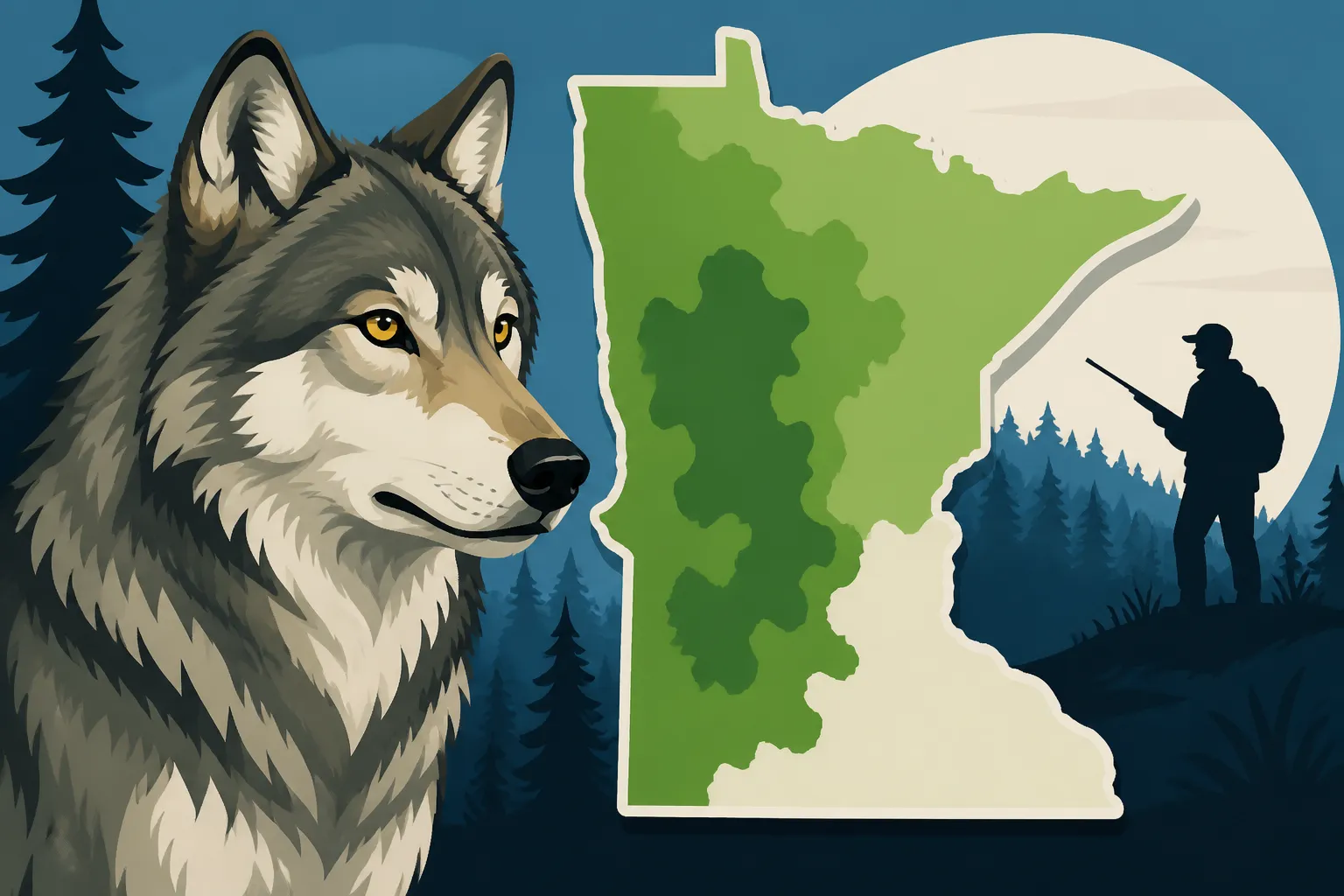
Over the last several decades, the wolves' range has significantly broadened from its historical low point. Initially concentrated entirely in the northern coniferous forests, they’ve pushed further west into the Aspen Parklands and even started to appear sporadically in central Minnesota’s agricultural-forest transition zones. This expansion has been driven by a few key factors: abundant prey, available habitat, and reduced human persecution. However, this doesn't mean they're spread evenly across the state; certain areas remain core strongholds, while others represent the fringes of their expanding domain.
The Heart of Wolf Country: Northern Forests
When you think of Minnesota wolves, your mind should immediately turn north. The vast, unbroken expanses of forestland in northern Minnesota are undeniably the epicenter of the state's wolf population. This is where they thrive, where pack territories are well-established, and where you're most likely to hear a howl echo through the pines.
Dense Populations in the Northeast
The true stronghold for Minnesota's wolves lies in the Arrowhead region, encompassing the Superior National Forest and extending west into the Chippewa National Forest. These areas offer everything a wolf needs: dense conifer and mixed hardwood forests for cover, a healthy population of white-tailed deer and moose as primary food sources, and relatively low human population density. This creates ideal conditions for breeding, raising pups, and maintaining large territories.
Imagine the deep woods of Cook, Lake, and St. Louis counties. This rugged, often remote terrain provides the perfect backdrop for wolf life cycles. Packs in these regions can range widely, often covering hundreds of square miles as they hunt and patrol their boundaries. For anyone venturing into these areas for Hunting the Boundary Waters Canoe Area or exploring the Superior and Chippewa National Forest Hunting opportunities, understanding that you are in prime wolf territory is essential. Their presence shapes the entire ecosystem, influencing the movement and behavior of other game animals.
Westward Expansion into Mixed Forests
While the northeast remains the core, wolves have also expanded westward into more mixed forest and even some agricultural interface areas. Counties like Beltrami, Koochiching, Cass, Itasca, and Hubbard hold significant wolf populations. Here, the landscape transitions from continuous forest to a mosaic of timber, wetlands, and smaller agricultural plots. This provides diverse hunting opportunities for wolves, including white-tailed deer, which are prevalent throughout these areas.
These western forest regions, while still primarily forested, often have a slightly higher density of roads and scattered human development compared to the deep northeast. Wolves here adapt to these conditions, sometimes navigating closer to human infrastructure but generally maintaining their natural patterns within the available wild spaces. The availability of White-Tailed Deer Across Minnesota remains a crucial factor in their distribution in these areas.
Expanding Horizons: Wolves Beyond the Northwoods
While the northern forests are undoubtedly wolf central, their presence isn't strictly confined to these areas. Wolves are incredibly adaptable, and over the years, their territories have started to push into regions that might surprise some, particularly as young wolves disperse to find new ground.
Transient Wolves in Central and Western Minnesota
It's not uncommon for dispersing young wolves to travel considerable distances from their birth territories in search of new hunting grounds or mates. This means that individuals, or sometimes even small groups, can occasionally be sighted in central Minnesota counties, even those with more agricultural land use. These are often transient animals, moving through rather than establishing permanent territories. They might be following deer migrations or simply exploring, but they generally won't stay long if the habitat can't sustain a full pack.
Factors like significant prey availability, such as a strong Deer Density by Minnesota Permit Area, are vital for these dispersers to consider settling down. However, the increased human population density, fewer large tracts of uninterrupted cover, and higher road mortality rates typically limit the establishment of stable packs in these more southerly and westerly regions. It's a constant push and pull between opportunity and the realities of human-dominated landscapes.
The Role of Habitat Corridors
Even in areas not considered traditional wolf country, rivers, large wetlands, and linear stretches of forest can act as critical habitat corridors, allowing wolves to travel and explore. For instance, river valleys with dense cover can provide a pathway for wolves to move through otherwise open or agricultural landscapes without being detected as easily. These corridors are crucial for genetic exchange and for allowing the species to maintain a wider, healthier population. When you're scouting, especially using tools like GoHunt that visualize different habitat types and waterways, you might notice these natural pathways that could potentially facilitate wolf movement.
Understanding Wolf Territories and Management
Knowing where wolves live is more than just academic interest; for hunters and outdoor enthusiasts, it provides context for wildlife interactions and informs our understanding of the ecosystem. The Minnesota Department of Natural Resources (DNR) actively monitors wolf populations and distribution, contributing to a broader understanding of their role in our environment. This ongoing monitoring is a key part of the Minnesota DNR's wolf delisting history discussions.
How Wolf Territories Are Maintained
Wolf packs are highly territorial, defending their home ranges from other packs. These territories can be massive, often covering 50 to 1,000 square miles, depending on prey density and habitat. They mark their territories with scent, urine, and scat, and vocally through howling. For a hunter walking through public land, understanding these dynamics means that if you find evidence of wolves, you're likely in a pack's established territory. Observing game trails and sign, which you can often do by Scouting Minnesota Public Land Before Season, might also give you clues about how deer and moose react to predator presence.
| Factor | Primary Wolf Range (Northern Forests) | Transient/Fringe Zones (Central/Western) |
|---|---|---|
| Habitat Type | Dense conifer/mixed hardwood forests, large wetlands | Mixed forest, wetlands, agricultural fringes |
| Prey Availability | High (deer, moose, beaver, grouse) | Moderate to high (primarily deer, some small game) |
| Human Population Density | Low | Moderate to high |
| Road Density | Low | Moderate to high |
| Primary Status | Established, breeding packs, stable territories | Dispersing individuals, occasional sightings |
| Management Focus | Population monitoring, habitat protection | Conflict mitigation, public awareness |
Coexistence and Management Zones
Minnesota’s approach to wolf management acknowledges their presence across different regions of the state. While wolves are generally found throughout the forested regions, the DNR divides the state into different zones based on wolf density and proximity to agricultural land. This helps guide management decisions, especially concerning issues like Wolf Depredation on Minnesota Livestock. This zoned approach recognizes that the challenges and dynamics of wolves in a remote wilderness are different from those on the edge of farmland.
Even if your primary hunting focus isn't wolves, knowing their distribution, easily viewable on mapping platforms like GoHunt, can inform your deer or moose hunting strategies. Areas with high wolf density might see deer moving differently, perhaps being more vigilant or using thicker cover. It’s a part of the greater predator-prey relationship that shapes the behavior of all game species in the woods. For hunters using apps like GoHunt to analyze land features and track their movements, being aware of potential wolf activity can add another layer to your hunting knowledge, whether you're after deer, moose, or even trying to differentiate between Timber Wolves Versus Coyotes in Minnesota.
How to Gauge Wolf Presence in Your Area
While direct sightings are rare, you can infer wolf presence in an area by looking for signs: tracks in mud or snow, scat, or prey carcasses that show distinct wolf kill patterns. Sometimes, you might even hear howling, especially at dawn or dusk, or when packs are communicating. When you're trying to figure out if you're venturing into active wolf territory, resources like the GoHunt app or other reputable mapping tools can be invaluable, especially when cross-referencing with local DNR reports or observed animal behavior. They provide layers that can help you understand the landscape features that wolves favor.
Understanding the distribution of wolves in Minnesota helps us appreciate the intricate balance of our natural world. It underscores the success of conservation efforts and highlights the ongoing need for informed management and respectful coexistence as these incredible animals continue to thrive in their natural habitat.
Disclaimer
This article is for general informational purposes only and does not constitute professional advice. Laws, prices and regulations vary by location and change over time. Consult a qualified professional for guidance on your specific situation.