Hunting Small Private Tracts in Minnesota
It can feel incredibly daunting to secure a good hunting spot in Minnesota, especially when public lands are getting more crowded every year. Many hunters find themselves frustrated, constantly bumping into other orange hats, or just driving past prime-looking private property wondering how to get access. This guide is all about demystifying the process of hunting small private tracts in Minnesota, from finding them to getting permission and employing effective strategies to tag out.
The Underrated Appeal of Small Private Tracts
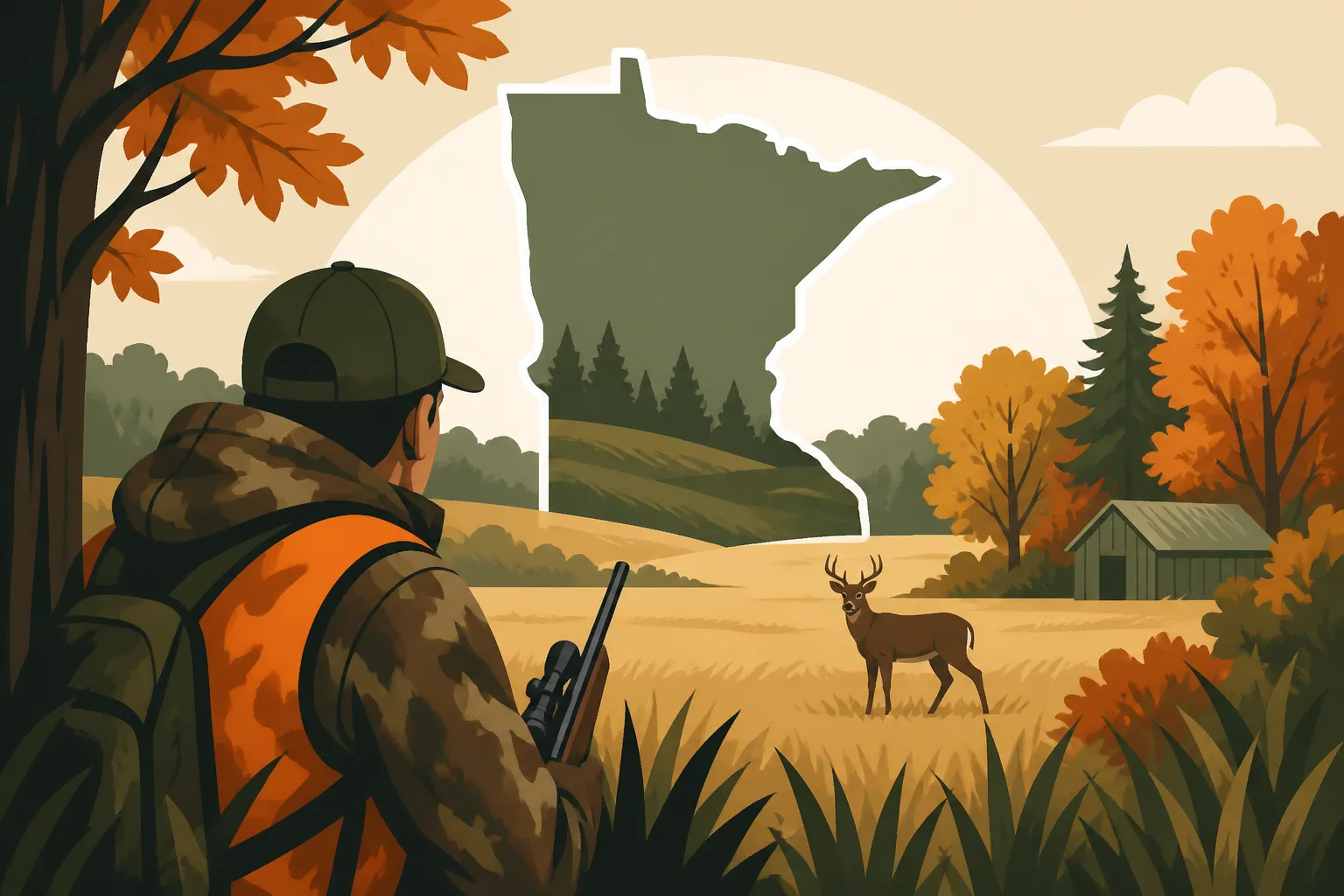
When you think of private land hunting, visions of massive, exclusive leases or sprawling family farms often come to mind. But the truth is, some of the best, most overlooked opportunities in Minnesota lie on smaller, often fragmented private parcels. These aren't always hundreds of acres; sometimes they're 10, 20, or 40-acre woodlots, forgotten corners next to suburban developments, or neglected riparian buffers. The real frustration for many is that they just don't know how to approach these opportunities.
Why These Smaller Parcels Are Goldmines
These small tracts often fly under the radar because they don't seem "big enough" for many hunters who are used to covering vast amounts of ground. However, this perception can be their greatest strength. Deer, especially mature bucks, are masters at finding sanctuary, and often, that sanctuary is a small, unpressured woodlot surrounded by open fields, or a thicket bordering a busy road where no one thinks to hunt. They offer pockets of refuge from intense hunting pressure found on larger public parcels. While many hunters are busy Hunting Pressure on Minnesota Public Land, these small private parcels can offer a more relaxed, productive experience.
Furthermore, neighbors often overlook these smaller spots. The landowner might own 20 acres of woods adjacent to their house, but they don't hunt, and neither do their immediate family or friends. They might just want someone responsible to help manage the deer population, or they might be tired of crop damage. This creates a vacuum of opportunity for the savvy hunter willing to put in the legwork.
Overcoming the Size Mentality
It's natural to think bigger is better when it comes to hunting land. More acres mean more space to roam, more diverse habitat, and theoretically, more deer. But with small tracts, you're not looking for space to roam; you're looking for a specific piece of the puzzle that deer are using. These small areas often act as bedding cover, travel corridors, or staging areas between larger food sources and deeper cover. You're hunting movement patterns and sanctuary, not just random woods. A small woodlot with a creek running through it, or a thick cattail slough bordering a cornfield, can be incredibly productive if hunted smart. Understanding how deer use these smaller, specific features is key to success.
Finding and Securing Permission on Small Tracts
This is where the rubber meets the road. Many hunters are hesitant to ask for permission, fearing rejection or not knowing how to approach a landowner. It’s a completely understandable anxiety, but it’s a hurdle that needs to be cleared.
Strategic Scouting from Afar
Before you even think about knocking on a door, do your homework. Start by looking at aerial maps – tools like GoHunt or the Minnesota DNR's Recreation Compass can be invaluable for this. Zoom in on areas you know hold deer, even if it's farmland or near smaller towns. Look for those isolated woodlots, brushy creek bottoms, power line easements, old abandoned farmsteads, or even dense plum thickets that stand out in a sea of agriculture. These are the magnets for deer in heavily fragmented landscapes. Identify parcels that seem difficult to access, or that are surrounded by properties that might not be hunted.
Once you've identified potential spots, use the mapping tools to determine property lines and landowner information. Sometimes this is publicly available online through county GIS systems. This initial digital scouting helps you target your efforts and avoid wasting time on properties that are already leased or too small to be viable. It's a much more efficient way to Scouting Minnesota Public Land Before Season and private alike.
The Art of the Approach: Knocking on Doors
This is arguably the most intimidating part for many hunters. The best time to ask for permission is not right before opening day. Landowners get inundated with requests then and are often less receptive. Start early, perhaps in late summer or early fall, long before the season kicks off. Dress respectfully, be polite, and have a clear, concise reason for your visit.
When you Knocking on Doors in Minnesota Farm Country, remember you're asking for a privilege, not asserting a right. Offer to help the landowner in exchange for hunting access – clearing brush, fixing fences, or even just keeping an eye on their property. Some landowners are simply looking for someone responsible to help manage deer numbers that are eating their crops or landscaping.
Key things to communicate:
- Your experience and respect for their property.
- Your hunting methods (bow, rifle, muzzleloader).
- Your commitment to safety and ethical hunting.
- Your willingness to share game meat (if that's something they'd appreciate).
- Offer references if you have them.
Always ask about any specific rules or areas to avoid. Make sure to confirm whether Do You Need Written Permission in Minnesota?. While not always legally required for all private lands, it’s always a good idea to have something in writing, even a simple note with dates and signatures, to avoid misunderstandings down the road.
Table: Approaching Landowners for Hunting Permission
| Aspect | Do's | Don'ts |
|---|---|---|
| Timing | Ask months before season (late summer/early fall). | Show up on opening weekend. |
| Appearance | Dress neatly, presentable, not in full camo. | Look disheveled or demanding. |
| Demeanor | Be polite, respectful, and grateful. | Be entitled, pushy, or assume permission. |
| Offer | Offer help (fences, chores), share game, or simply be a good steward. | Only focus on what you gain. |
| Transparency | Clearly state your intentions (what you hunt, how). | Be vague or evasive about your plans. |
| Preparation | Have your license/ID ready, know the parcel. | Show up unprepared or ignorant of their property. |
| Follow-Up | Send a thank-you note, report back on your hunt. | Disappear after the hunt, leave a mess. |
Effective Hunting Strategies for Small Tracts
Once you've secured permission, the real fun begins: figuring out how to effectively hunt a small parcel. This isn't like hunting hundreds of acres; it requires a more precise, less intrusive approach.
Micro-Scouting and Trail Camera Use
Every inch of a small tract matters. Spend time walking the property thoroughly, even if it's just 20 acres. Look for subtle deer trails, rub lines, scrapes, and bedding areas. Identify pinch points, funnels, and natural barriers that concentrate deer movement. Using a mapping app like GoHunt to mark every sign can help you visualize deer patterns. Pay close attention to the wind patterns and thermals, especially if the tract has any elevation changes. Knowing Wind and Thermals on a Minnesota Ridge can make or break your setup.
Trail cameras become even more critical on small tracts. You can't afford to bump deer with repeated scouting trips. Strategically place cameras on main trails, at the edges of bedding cover, or near any observed scrape lines along a logging trail. This helps you monitor deer activity, identify specific bucks, and pinpoint their movement times without leaving scent or disturbing the area. Remember to be discreet and check cameras infrequently to maintain low pressure.
Stand Placement and Entry/Exit Routes
This is paramount. On a small tract, every time you walk in or out, you risk alerting deer and pushing them off the property. Your entry and exit routes must be as silent and scent-free as possible. Consider using natural barriers for concealment, walking through ditches, or even approaching from an adjacent property (with permission) if it offers a better, less intrusive path. A good entry route through a cattail slough might be ideal if one exists.
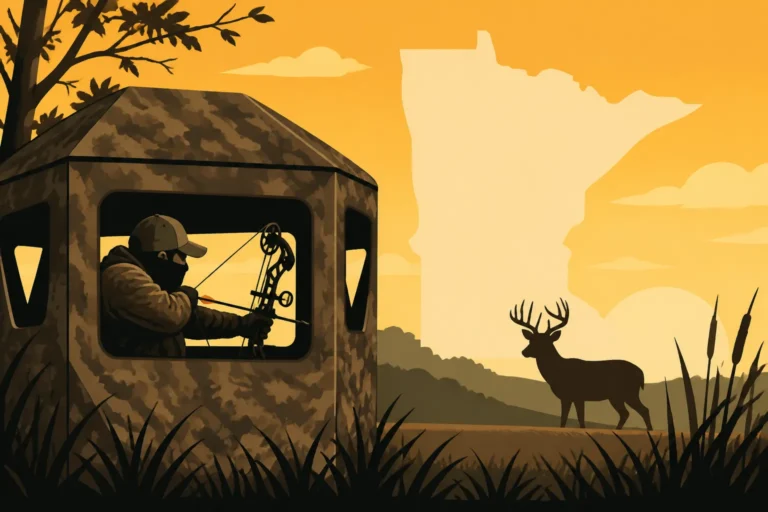
For stand placement, think about where deer will feel safe moving during daylight. Often, this is just inside the cover, away from field edges, or along subtle interior travel corridors. Focus on pinch points where deer are forced into a smaller area. When setting up your stand, consider that it should be relatively close to bedding areas, but far enough not to bump deer when you access it. You might only have one or two truly effective stand locations on a small parcel. Therefore, deciding on Treestand Setups in Minnesota Hardwoods or Using a Ground Blind on Minnesota Public Land should be done with extreme care and precision. Consider using mobile stand setups, like a saddle or lightweight climbing sticks, which allow you to be nimble and move if patterns change.
Maintaining Access and Respecting Boundaries
Getting permission is just the first step; keeping it is an ongoing responsibility. Your actions directly impact not only your future access but also the opportunities for other hunters seeking private land.
Respecting Property Lines and Neighbors
This is non-negotiable. On small tracts, property lines can be incredibly close to your hunting area, and often, neighboring properties might be residential or have different hunting philosophies. You must know exactly where the boundaries are. Use your mapping app, double-check with the landowner, and respect those lines rigidly. Avoid shooting towards neighboring houses, barns, or roads, even if it's technically legal. Always err on the side of caution.
If a deer crosses a property line, immediately contact the landowner of the adjacent property before attempting to track it. Never trespass, even if you think the deer is just on the other side of the fence. Explain the situation calmly and respectfully, and ask for permission to retrieve your animal. This proactive communication builds trust and can prevent serious conflicts. Violating Minnesota Trespass and Permission Law can quickly ruin your access and potentially lead to legal trouble.
Being a Good Steward and Communicating
Your relationship with the landowner is key. Always leave the property cleaner than you found it. Pack out all your trash, including spent shell casings, food wrappers, and anything else you brought in. If you gut your deer on the property, do so in a discreet location, and perhaps even offer to drag the carcass to a spot the landowner prefers.
Check in with the landowner periodically, not just when you want to hunt. Send a thank-you text or call, offer to help with chores, or share a photo of a deer you harvested. Offer them some venison if they're open to it. If you choose not to hunt the property for a season, let them know. Good communication reinforces your reliability and trustworthiness. Remember, you're not just a hunter; you're a temporary guest and a representative of all hunters. Building this kind of rapport can lead to long-term access, not just for you, but for potentially others who are looking for places to hunt. This is a great way to differentiate yourself from hunters just looking for quick access on properties that are often overlooked, helping you Finding Ground Others Walk Past.
Final Thoughts on Hunting Small Private Tracts
Hunting small private tracts in Minnesota offers a unique and often rewarding experience. It demands a different mindset than hunting vast public lands – more precision, more respect for individual properties, and a greater emphasis on relationship-building. While it can be challenging to secure permission initially, the rewards of having a low-pressure, private spot to hunt can be immense. It's about being a good neighbor, a respectful hunter, and understanding how deer use the landscape, no matter how small the parcel.
Disclaimer
The information provided in this guide is for general informational purposes only and does not constitute legal advice. Hunting regulations, permit requirements, and landowner permission laws can change. Always consult the latest Minnesota Department of Natural Resources regulations and local ordinances before hunting. Respect private property and always obtain explicit permission before entering any private land.