Running Beagles on Minnesota Snowshoe Hares
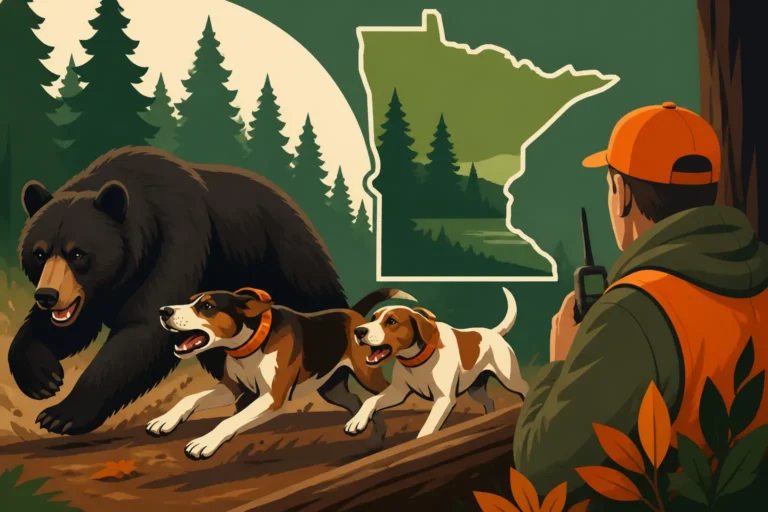
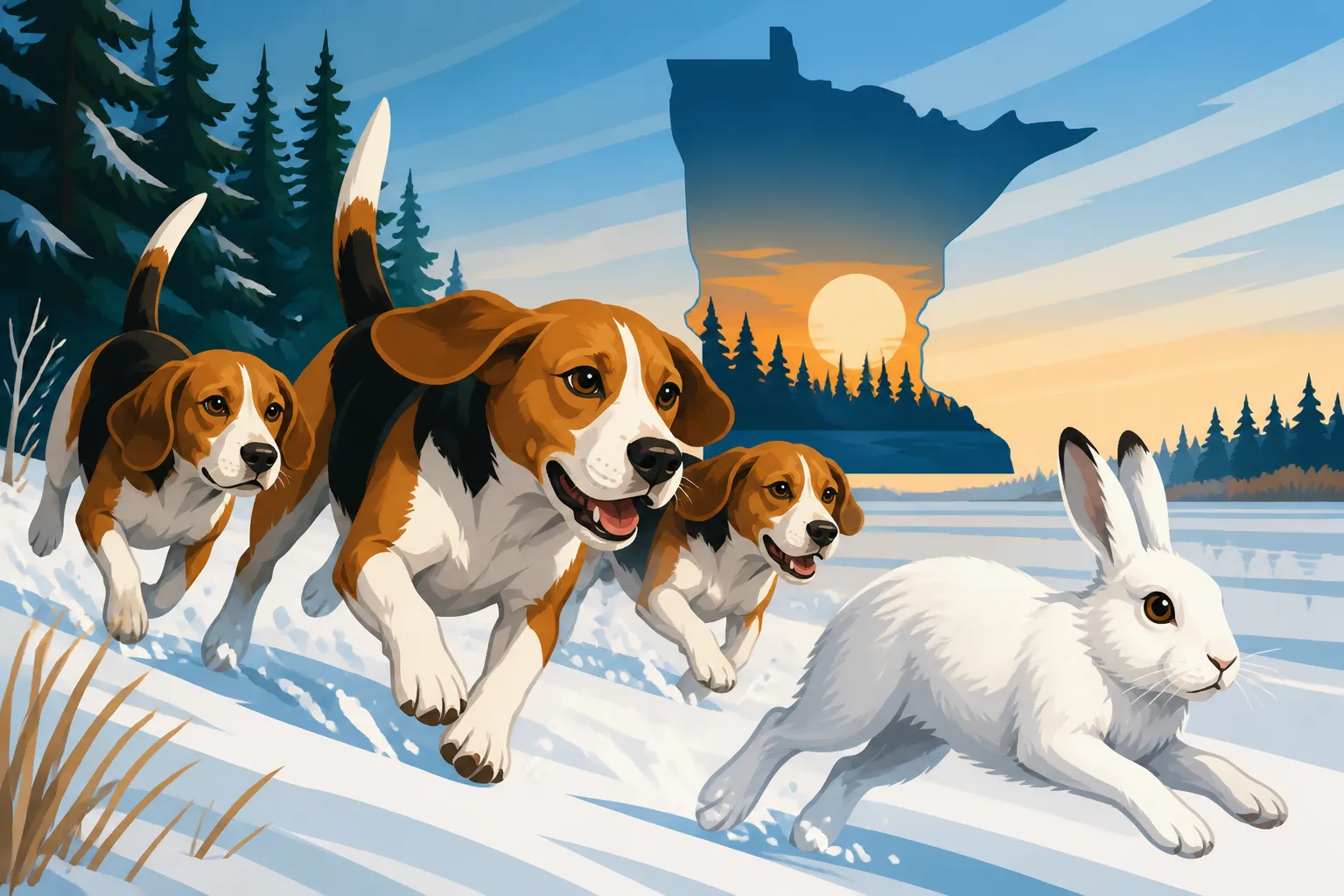
There’s a special kind of magic that happens when a pack of beagles hits a fresh snowshoe hare track in the Minnesota woods. For many of us, the silent, often frustrating, pursuit of these elusive critters through dense cover has led to more busted jumps and empty game bags than successes. That's where the unwavering enthusiasm and incredible noses of a good beagle pack truly shine, turning a solitary hunt into a symphony of barks and a thrilling chase that often ends with a successful harvest. This guide will walk you through everything you need to know about experiencing the unique joy of running beagles on snowshoe hares right here in our beautiful, albeit challenging, Minnesota landscape.
The Thrill of the Chase: Why Beagles and Snowshoe Hares Are a Perfect Match
There's something deeply primal and incredibly satisfying about hunting with hounds, especially when you're after something as wily as a snowshoe hare. It's a dance between predator and prey, with your dogs acting as the enthusiastic, vocal bridge. Understanding both sides of this equation is key to appreciating the experience and increasing your odds of success.
Understanding Snowshoe Hare Behavior in Minnesota
Snowshoe hares, often just called "snowshoes" or "brush bunnies" by local hunters, are creatures perfectly adapted to their northern Minnesota environment. They're a prime target for hunters who enjoy the challenge of thick cover and the unique experience of a hound chase.
Their habitat preferences are quite specific, making them somewhat predictable if you know what to look for. You'll primarily find snowshoes in dense, young coniferous stands – think thick spruce, cedar swamps, and even tamarack bogs. These areas provide the perfect blend of cover to hide from predators, food sources (they love the twigs and bark of young conifers), and protection from the harsh winter winds. When you're scouting, look for those almost impenetrable thickets, the kind of places you wouldn't want to walk through without a good reason and maybe a chainsaw. They often inhabit transitional zones, too, where denser cover meets a more open area, providing them quick escape routes.
One of their most striking features, and indeed the source of their name, is their seasonal camouflage. In the warmer months, their fur is a mottled brown, blending seamlessly with the forest floor and undergrowth. But as the days shorten and the snow flies, they undergo a remarkable transformation, shedding their brown coat for a pristine white one. This color change, usually occurring around October or November and reversing in March or April, makes them incredibly difficult to spot when they're still, but also signals prime hunting conditions as they become more active against the white backdrop. For more on Snowshoe Hare Numbers in Minnesota, it's worth checking out the latest surveys.
When pursued, snowshoes are masters of evasion. They rarely run in a straight line for long. Instead, they’ll utilize their knowledge of the local terrain, often making tight circles, doubling back on their own tracks, and even pausing in dense cover, hoping the scent trail dissipates or the hounds overshoot them. This behavior is precisely why beagles are so effective; their relentless nose and vocal nature keep the chase alive even when the hare tries to trick them.
The Beagle's Instinct: What Makes Them Ideal Hare Hounds
Now, let's talk about the stars of the show: the beagles. These dogs weren't just born to chase rabbits; they were bred for it. Their characteristics align perfectly with the challenges of hunting snowshoe hares.
First and foremost is their incredible scenting ability. A beagle’s nose is a finely tuned instrument, capable of distinguishing the subtle scent of a hare even hours after it's passed, or through a maze of other forest smells. They are built low to the ground, which means their noses are always in the prime scent-gathering zone. While other breeds might have speed or raw power, the beagle's unwavering commitment to following a scent trail is unparalleled. They won't give up easily, picking apart faint lines and working through frustrating checks until they find that elusive track again.
Then there's the persistence and voice. Once a beagle is on a track, they become a different animal. The excited whimpers turn into full-throated, melodious bays – what we often call the "music" of the hounds. Each dog might have a slightly different tone, and experienced hunters can often tell which dog is leading the pack just by listening. This constant vocalization isn't just for show; it serves several purposes. It tells you, the hunter, exactly where the chase is, how hot the track is, and what the hare is doing. It also keeps the hare moving, preventing it from simply sitting tight and letting the hounds pass. Their stamina allows them to keep this up for extended periods, pushing the hare until it eventually makes a mistake or circles back within gun range.
Finally, their compact size is a huge advantage in the type of thick cover snowshoes call home. A larger dog would struggle, getting tangled in brush and quickly exhausting itself. Beagles, on the other hand, can weave through dense alder, push through tangled spruce, and navigate cedar swamps with relative ease. They are agile and powerful for their size, capable of busting through cover that would stop a human hunter in their tracks. This combination of nose, voice, stamina, and size makes them the undisputed champions of hare hunting.
Essential Gear and Preparations for a Successful Hunt
Hunting snowshoe hares with beagles in Minnesota isn't just about showing up with a shotgun and a dog. The dense cover, varied terrain, and often chilly temperatures demand thoughtful preparation and the right gear for both you and your canine companions. Being prepared ensures a safer, more enjoyable, and ultimately more successful hunt.
Outfitting Your Beagles for the Minnesota Woods
Your dogs are your hunting partners, and protecting them is paramount. The Minnesota wilderness can be tough on even the most resilient hounds.
A non-negotiable piece of gear for any dog running in thick cover is a good GPS collar. Brands like Garmin offer excellent systems such as the Alpha or Sport PRO, which allow you to track your dog's exact location, monitor their behavior (are they running, treed, or stationary?), and even issue commands from a distance. In dense woods, where a beagle can quickly disappear from sight and sound, a GPS collar is a lifesaver, preventing lost dogs and allowing you to understand the flow of the hunt even when you can't see them. You might also consider using a platform like GoHunt to mark your dog's starting and ending points, or areas where they've successfully jumped hares, helping you build a personal map of productive spots.
Another crucial item, especially when traversing thorn bushes, barbed wire, and sharp ice, is a protective vest. These vests shield your dog's chest and belly from cuts and abrasions. Look for durable, brightly colored options that offer good coverage without restricting movement. Even with a vest, it's wise to carry a basic dog first-aid kit, including antiseptic wipes, wraps, and a pair of pliers for removing thorns or splinters.
Finally, consider the weather. If you're hunting late in the season, when temperatures plummet, some beagles might benefit from a lightweight, insulated vest to help them stay warm during breaks or when working through snow. Remember, while they're tough, they're still susceptible to the cold, especially smaller or older dogs.
Your Gear: Navigating Thick Cover and Cold Weather
As for you, the hunter, your gear needs to stand up to the rigors of Minnesota's brush and cold.
Layering is key for clothing. Start with a moisture-wicking base layer, add an insulating middle layer (fleece or wool works great), and top it with a durable, waterproof, and windproof outer shell. You’ll be moving a lot, then standing still, so the ability to shed or add layers is crucial to manage your body temperature. And, of course, blaze orange is a must for safety. Our state requires visible blaze orange or pink for firearm deer seasons, and while it's not always required for small game, it's highly recommended for hunting with dogs, especially if there might be other hunters or if you're Hunting Small Private Tracts in Minnesota adjacent to public land. A good blaze orange hat and vest are minimums.
Footwear is another critical consideration. You'll be slogging through swamps, negotiating slippery snow, and walking over uneven terrain. Invest in high-quality, waterproof boots with excellent traction. Insulated boots are a lifesaver in colder conditions, keeping your feet warm and dry. For more specific recommendations, look into specialized Boots for Minnesota Swamps and Snow.
When it comes to firearms, small-gauge shotguns are the preferred choice for hare hunting. A 20 gauge or even a .410 are light, maneuverable, and provide ample stopping power at the short ranges typical of brush hunting. Use smaller shot sizes, like 6 or 7.5, which spread well and are effective without excessive damage to the meat. For general small game discussions, you might find overlap with advice on the Best Shotgun Gauge for Minnesota Grouse.
Lastly, don't forget navigation. While you'll be listening to your dogs, knowing your location relative to roads, property lines, and your vehicle is important. A reliable GPS unit or a mapping app on your phone (like GoHunt, which can show public/private land boundaries, and topographic features) is essential. Even with modern tech, a good old-fashioned compass and paper map can be invaluable as a backup, especially in areas with poor cell service.
Pre-Hunt Scouting: Finding the Right Habitat
You can have the best beagles and gear in the world, but if you're hunting in the wrong place, your efforts will be in vain. Pre-hunt scouting is crucial for finding productive snowshoe hare habitat.
Start by looking at maps, particularly topographic and aerial maps. Identify areas with dense coniferous cover, particularly younger stands, swamps, and boggy ground. These are prime locations. Look for clear-cuts or logging operations from several years ago, as the regenerating forest provides excellent thick cover. Many public lands offer excellent hare hunting opportunities, including state forests and Wildlife Management Areas (WMAs). Using resources like the GoHunt app or the DNR's Recreation Compass can help you pinpoint these areas and understand land ownership. For tips on finding productive public land, consider resources like Finding Ground Others Walk Past.
Once you've identified promising areas on a map, it's time for boots-on-the-ground scouting. Look for actual signs of hare activity. Tracks in the snow are the most obvious indicators, identifiable by their distinct, large hind feet. Look for droppings, which are small, round pellets. Also, pay attention to browse marks on young saplings and brush; hares will clip off small branches at a clean angle. The presence of these signs, especially in areas with good escape cover, tells you you're in the right place. Focus on the edges of swamps, the interior of dense cedar thickets, and areas where young spruce and fir have created a veritable fortress of green. The best hunting often occurs during Minnesota Rabbit and Hare Seasons when snow is on the ground, making tracking and visibility of hares (against their white coats) more manageable.
On the Trail: Tactics for Running Beagles on Hares
Once you've done your homework and suited up, the real fun begins: the hunt itself. This isn't a stand-hunting affair; it's an active, dynamic experience that requires listening, anticipation, and quick reflexes.
Releasing and Following the Dogs
When you arrive at your chosen hunting spot, which ideally you've scouted and confirmed has hare sign, it's time to unleash the hounds. Find an edge of the dense cover you've identified and let your beagles loose. Give them a moment to stretch their legs and get their noses to the ground. The initial moments are often quiet, with the dogs systematically working through the cover, sniffing every promising scent.
Then, you'll hear it – the first whimper, a change in vocalization, signaling that a dog has hit a fresh track or, even better, jumped a hare. This is where the "music" of the hounds truly begins. Your job now is to listen intently. A short, sharp burst of barks often means a hare has been jumped, and the chase is on. The continuous, steady baying indicates a hot trail and that the dogs are locked on. Different barks can signal different things: a frantic, broken bay might mean the hare has doubled back or gone into a tricky piece of cover, causing the dogs to "check" and try to sort out the line.
Resist the urge to rush in immediately. Let the dogs work. They know what they're doing. Instead, listen to the direction of the chase. Snowshoe hares have a strong tendency to run in large, often overlapping, circles within their home range. This is the key to positioning yourself for a shot. The dogs will push the hare around, and eventually, if the chase is long enough, the hare will often circle back near its starting point, or pass through a familiar crossing.
Positioning Hunters for the Shot
This is where experience and patience come into play. While the dogs are baying their hearts out, your role is to quietly position yourself in a likely spot where the hare might pass. Think about the natural terrain: logging trails, openings in the brush, the edge of a swamp, or a narrow strip of less dense cover that the hare might use as a travel corridor. Remember the hare’s tendency to run in circles; if you can get ahead of the chase, anticipating where it might come back, you’ll have a significant advantage.
Ideally, you'll want to find a spot that offers a clear shot lane but still provides some cover for yourself. Stand still, stay quiet, and keep your shotgun ready. You'll often hear the barks of the beagles getting closer, then receding, then closer again. When the dogs are getting louder and closer, that's your cue to be absolutely ready. The hare, pushed by the hounds, will often slip through the brush quickly, presenting a fleeting target.
Safety is paramount, especially when hunting with multiple people and dogs. Always know where your fellow hunters are. Communicate clearly, perhaps with two-way radios, and ensure everyone is wearing plenty of blaze orange. When the hare breaks cover, take a safe shot with a clear background. In the dense cover where snowshoes live, shots are usually very close range, often under 20 yards.
Handling the Chase and Recovery
The chase can be exhilarating, but also a test of patience. Sometimes, the dogs will "lose" the track – the hare might have stopped in an incredibly dense thicket, gone into a hollow log, or simply broken the scent line. This is called a "check." When this happens, you'll hear the baying become more frantic, then perhaps stop or change to a searching whimper. Give the dogs time to work it out. They'll fan out, cast for the scent, and try to pick up the trail again. It’s tempting to go in and help, but often your presence can confuse the dogs or push the hare out of the area prematurely.
If the dogs pick up the trail again, the music starts anew. If they can’t, after a reasonable amount of time, you might go in to encourage them, but often it’s best to move to another promising spot and try to jump a fresh hare. Using a GPS collar can help you see where the dogs are checking, providing insight into the hare's evasive maneuvers.
Once a hare is harvested, congratulate your dogs! Let them sniff the game, giving them positive reinforcement. This helps reinforce their drive. Quickly and humanely dispatch any wounded game. Then, gather your dogs, secure them on leashes if necessary, and continue the hunt or head back to the truck. Proper game care, especially in cold weather, means getting the hare cooled down and cleaned as soon as practical.
Training and Maintaining a Quality Hare Hound Pack
Running beagles isn't just about the hunt itself; it's a year-round commitment to training, care, and developing your dogs into a cohesive, effective hunting machine. A well-trained pack makes for a much more enjoyable and successful experience in the woods.
Basic Obedience and Scent Training
Even the best scent hounds need basic obedience. The Minnesota woods, especially public land, can have other hunters, wildlife, and hazards. Ensuring your dogs will come when called, stay, and heel, even when excited, is vital for safety and control. Start training early, ideally when they are puppies. Use positive reinforcement and consistent commands.
Scent training doesn't always mean elaborate setups. Exposure to rabbit and hare scent from a young age is the most natural and effective method. If you know someone who traps, ask for some fresh rabbit pelts. Let your pups explore them, play with them, and get used to the smell. More importantly, simply taking them out to known hare country and letting them naturally explore and develop their nose is paramount. An older, experienced dog can be an incredible teacher for a young pup, showing them the ropes and demonstrating what a true chase sounds and feels like. For guidance on appropriate conduct on public land, including with dogs, remember to review local regulations, such as those regarding E-Collar Use on Public Ground.
Building Stamina and Trail Smarts
Beagles, while tenacious, need stamina to run for hours through challenging terrain. Regular exercise is crucial. This doesn't just mean a walk around the block; it means letting them run in varied terrain, similar to what they’ll encounter during a hunt. Build up their endurance gradually.
Trail smarts come with experience. A young dog might get easily confused by a hare's doubles or lose a faint track. An older, seasoned hound will know how to "cast" (search in wider circles) to pick up a lost scent or anticipate where a hare might go. The best way for dogs to gain these smarts is to simply run them, repeatedly, in actual hunting conditions. Let them make mistakes and learn from them. Patience is key; it takes time to develop a truly great hare hound. Running them with an established pack can accelerate this learning, as they'll emulate the experienced dogs.
Remember that a well-fed, healthy dog will perform better and recover faster. Provide a high-quality diet, keep them up-to-date on vaccinations, and maintain regular veterinary check-ups. A healthy dog is a happy and effective hunting dog.
| Shotgun Gauge | Typical Shot Size for Hares | Advantages | Disadvantages | Ideal Use Case |
|---|---|---|---|---|
| 12 Gauge | #6, #7.5 | Powerful, wide pattern, common ammunition | Heavier, can be overkill for small game | Versatile, but can be cumbersome in thickets |
| 20 Gauge | #6, #7.5 | Lighter, nimble, sufficient power, less recoil | Slightly smaller pattern than 12ga | Excellent all-around choice for hare hunting |
| .410 Bore | #6 | Very light, minimal recoil, excellent for youth | Very small pattern, limited effective range | For experienced shooters in very close cover |
Disclaimer
Please note: Hunting regulations and laws can change. Always consult the latest Minnesota Department of Natural Resources (DNR) regulations and local ordinances before heading afield. This guide is for informational purposes only and does not constitute legal advice. Safety should always be your number one priority.