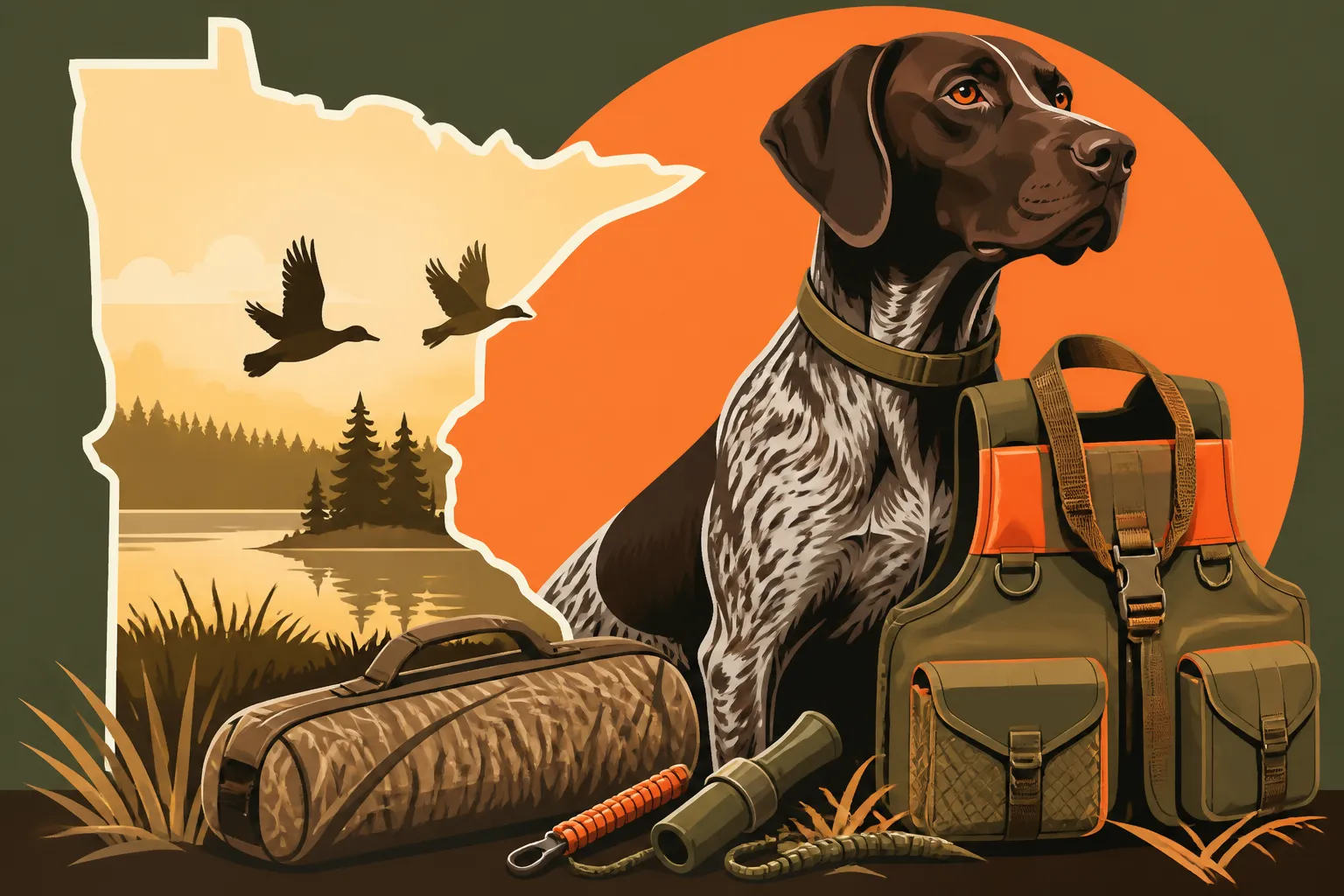
Bird Dog Gear for Minnesota Cover
There's nothing quite like the sight of a good bird dog working a cover, nose to the ground, tail flagging, absolutely locked in. But here in Minnesota, with our diverse landscapes ranging from thick popple cuts to cattail sloughs and open prairie, the environment can be incredibly demanding on our four-legged hunting partners. From nasty thorns and freezing water to long miles and hidden dangers, heading into the field unprepared can quickly turn a dream hunt into a vet visit. This guide is all about outfitting your bird dog properly for Minnesota's varied covers, ensuring their safety, comfort, and peak performance, so you both can enjoy every moment afield.
Protecting Your Dog in Dense Minnesota Cover
Minnesota's upland covers are legendary, but they're not always kind to an unprotected dog. Whether you're pushing through a thick stand of tag alders, wading into a cattail marsh, or busting brush in a spruce thicket, your dog's skin, chest, and paws are constantly exposed. Investing in the right protective gear isn't just about preventing minor scrapes; it's about avoiding deep lacerations, puncture wounds, and even serious infections that can end a season or worse.
Durable Vests and Skid Plates
When you're chasing ruffed grouse in the north woods or pheasants in a thorny plum thicket, a dog's chest and belly are often the first points of contact with sharp branches, stubble, and ice. A good protective vest acts like a shield. These aren't just for visibility, though blaze orange or blaze pink is certainly a huge plus; they're designed with durable, puncture-resistant materials like Cordura or tightly woven nylon. Look for vests that offer good coverage from the dog's throat down to their groin, protecting those softer, more vulnerable areas. Some even incorporate flotation elements, which can be a lifesaver if your dog accidentally breaks through thin ice or takes an unexpected swim in a deep ditch when Pheasant Hunting Minnesota Grassland.
Think about the specific type of cover you'll be hunting most. For incredibly dense, thorny stuff where you're crawling through, some vests even feature integrated skid plates or multi-layered construction for maximum abrasion resistance. It’s an investment, but comparing it to the cost of a vet bill for stitches or worse, it quickly pays for itself. The vest should fit snugly enough to prevent snagging but not so tight that it restricts movement or causes chafing. A poorly fitting vest can rub your dog raw over a long day, which is just as detrimental as a puncture.
Paw Protection for Rough Terrain and Cold
A dog's paws are their primary interface with the hunting ground, and they take an absolute beating. Long days of running over sharp stubble, frozen ground, ice, or abrasive gravel can lead to cuts, cracks, and general soreness. Booties or paw pads are an often-overlooked but absolutely crucial piece of gear, especially during late-season hunts when the ground is frozen hard or covered in crusty snow.
There are various types of paw protection available. Some hunters opt for reusable dog boots made from durable fabrics like Cordura, often with rubberized soles for grip. These are fantastic for abrasive terrain or when dealing with ice balls forming between toes. Others prefer temporary, disposable paw wraps for a single day's intense activity. Whichever you choose, practice with them before opening day. Your dog might find them awkward at first, and you don't want them kicking off their boots in the middle of a hot scent trail. Consider also carrying a paw wax or balm to help condition pads and prevent cracking, particularly in dry, cold conditions. It's not a substitute for boots on truly harsh ground, but it's great for daily conditioning and minor protection. A quick inspection of your dog's paws during breaks is also vital for early detection of any issues.
Visibility and Tracking Aids
In the expansive covers of Minnesota, keeping track of your dog isn't just about knowing where they are; it's about keeping them safe from other hunters, vehicles, and getting truly lost. Our dense forests and rolling farmlands can swallow a dog up in seconds, making reliable visibility and tracking tools non-negotiable.
Blaze Orange and Bells for Safety
The most basic and perhaps most vital piece of visibility gear is blaze orange or blaze pink. Just like us, our dogs need to be seen, especially when Hunting Pressure on Minnesota Public Land means other hunters might be nearby. Many protective vests come in these high-visibility colors, killing two birds with one stone. But even if your dog isn't wearing a full vest, a simple blaze orange collar or bandana can make a significant difference. It’s particularly crucial when your dog is ranging far out of sight in thick cover where they might be mistaken for a coyote or other wild animal by someone else.
Beyond visual cues, sound is an incredibly effective way to keep tabs on a dog working out of sight. Bells attached to the dog's collar or vest provide an audible cue of their location and movement. A regular, steady "tinkle" means they're moving, perhaps quartering through cover. The sudden absence of sound? They're on point, and it's time to move in! Different types of bells offer varying pitches and volumes, so you can choose one that's easily distinguishable and not overly annoying to you or your dog over hours of hunting. Some hunters even use different sounding bells for multiple dogs to tell them apart.
GPS and E-Collars for Control and Location
For serious upland hunters, modern technology has revolutionized dog handling and safety. GPS tracking systems paired with e-collars (electronic collars) are indispensable tools in Minnesota's vast and often challenging landscapes. These devices offer unprecedented control, peace of mind, and the ability to locate a dog instantly, even miles away or deep in a tangled swamp.
A quality GPS tracking system allows you to see your dog's exact location on a handheld device or even your smartphone, complete with their direction of travel, speed, and distance from you. This is invaluable when your dog is working a distant bird or if they get disoriented. Some systems, like those offered by Garmin or SportDOG, integrate GPS tracking with e-collar functions. This combination allows you to provide immediate, consistent feedback to your dog, reinforcing commands or correcting unwanted behaviors like chasing deer or ranging too far. You can typically choose from various levels of stimulation (nick or continuous), vibration, or tone, ensuring you can tailor the correction to your dog's temperament and the situation. For hunters who want to explore new grounds and feel confident their dog won't get lost, this technology is a game-changer. I personally use my GPS collar to track my dog when I'm walking into a Hanging a Stand on a Big Woods Funnel or just checking out new covers on public land, even if I'm not hunting at that moment.
When it comes to e-collars, ethical use is paramount. They are training aids, not punishment tools. Proper introduction and consistent training are essential for them to be effective and humane. Always use the lowest effective setting and reinforce good behavior. Many hunters find resources from sites like GoHunt incredibly useful for understanding how to integrate this technology into their training routine for peak performance and safety.
Cold Weather and Water Hunting Gear
Minnesota winters are no joke, and our hunting seasons often extend well into cold, sometimes frigid, conditions. For waterfowl and late-season upland hunters, this means dealing with ice, snow, and dangerously cold water. Protecting your dog from hypothermia and related hazards is just as important as protecting them from briars.
Insulated Vests and Waders
Just as there are protective vests for thorns, there are insulated vests for cold weather. These are typically made from neoprene or similar insulating materials, designed to keep your dog warm when working in chilly temperatures or making retrieves from icy water. Neoprene vests fit snugly, trapping body heat and providing a crucial barrier against the cold. They're especially popular for duck and goose hunting, where a dog might be sitting in a blind for hours in sub-freezing temperatures or repeatedly plunging into cold water.
Beyond insulation, these vests also offer some inherent flotation, which can be an added safety feature in deeper water or if your dog tires. Some models even come with handles on the back, making it easier to lift your dog back into a boat or over obstacles. For extreme cold, or if you're hunting in conditions where ice is a real threat, some dedicated wader-style garments are available, providing even more comprehensive coverage for your dog's legs and belly. These are specialty items, but for truly challenging conditions, they can make the difference between a successful, safe hunt and a dangerous situation.
Drying Gear and Warmth Post-Hunt
The hunt doesn't end when the birds are in the bag. Once your dog comes out of cold water or has been working hard in freezing rain or snow, getting them dry and warm is critical. Hypothermia is a silent killer, and a wet dog loses body heat incredibly fast. Always carry absorbent towels – microfiber ones work wonders for quickly wicking away moisture from their fur.
For longer rides home or if you're staying at camp, a dedicated dog drying coat or kennel cover can help them warm up efficiently. These are designed to quickly draw moisture away from their coat and provide an insulating layer. At camp, providing a warm, dry bed off the cold ground is essential. A simple cot or a thick, insulated pad can make a huge difference in their recovery and comfort overnight. Think of it this way: you wouldn't sleep in wet clothes on cold ground, and neither should your dog. Having a dedicated warming space in your vehicle, perhaps with a blanket or insulated crate pad, will ensure your dog recovers quickly and is ready for the next day's hunt.
Nutrition, Hydration, and First Aid
A hunting dog is an athlete, and like any athlete, they need proper fueling, hydration, and immediate care for injuries. You're asking a lot of their bodies, covering miles of tough terrain, and their performance and health directly depend on how well you support them before, during, and after the hunt.
High-Performance Food and Supplements
Just throwing some kibble in a bowl won't cut it for a hard-working bird dog. Hunting dogs burn an immense amount of calories, far more than a sedentary pet. They need a high-quality, high-protein, and high-fat diet formulated for active working dogs. Look for brands that specifically market to performance or sporting dogs. During the hunting season, you might even consider increasing their food intake or adding supplements like healthy fats (fish oil) or joint support.
It's crucial to transition your dog to a high-performance food before the season starts. A sudden change in diet can lead to digestive upset, which is the last thing you want when you're miles into the Superior National Forest Ranger Districts. Also, establish a feeding routine that fuels them without making them sluggish. Many hunters feed a portion of their daily ration in the morning, then the bulk of it after the hunt, once the dog has cooled down and rested a bit. This prevents bloating and ensures they have sustained energy throughout the day.
Hydration in the Field
Dehydration is a constant threat for active dogs, especially during warmer early-season hunts for pheasants or even Grouse and Woodcock Hunting in Minnesota during a mild fall. Dogs don't sweat like humans; they primarily cool themselves through panting. If they don't have access to water, they can overheat rapidly. You should always carry water for your dog, even if you think you'll encounter streams or potholes. Minnesota water sources aren't always clean or safe, and Giardia is a real concern.
Portable water bowls, collapsible dishes, or even squeeze bottles with attached cups make it easy to offer water frequently. Stop every hour or two and offer them a drink. If your dog is really hot, you can also use water to wet down their chest and belly to aid cooling. Electrolyte supplements can also be beneficial on extremely hot days or during extended hunts to help them rehydrate and maintain crucial mineral balance. Remember, if you're thirsty, your dog is likely even thirstier.
Comprehensive First Aid Kit
This isn't optional; it's absolutely mandatory. Every bird hunter with a dog should carry a well-stocked first aid kit specifically for their canine companion. Accidents happen, and being able to address a cut, sprain, or other emergency in the field can literally save your dog's life. Don't just carry a human first aid kit; many items are specific to dogs.
Here's a list of essential items for a bird dog first aid kit:
| Item | Purpose |
|---|---|
| Vet Wrap | Self-adhering bandage for wounds, securing gauze. |
| Gauze Pads/Rolls | To clean and cover wounds, absorb blood. |
| Antiseptic Wipes/Spray | For cleaning wounds (e.g., Betadine, chlorhexidine). |
| Tweezers/Hemostats | Removing thorns, splinters, ticks. |
| Paw Balm/Wax | Prevent and treat cracked pads. |
| Dog Boots | Protect injured paws, allow dog to walk out. |
| Styptic Powder | Stops bleeding from minor nail trims or superficial cuts. |
| Hydrogen Peroxide (small) | Induce vomiting (consult vet first), clean specific wounds. |
| Benadryl (liquid/pills) | Allergic reactions (insect stings). Consult vet for dosage. |
| Pain Reliever (dog specific) | Never give human pain meds. Consult vet for dog-safe options. |
| Small Scissors | Cutting tape, gauze, fur around wounds. |
| Muzzle (soft) | Injured dogs may bite out of pain, even their owners. |
| Tick Key/Remover | Safely remove embedded ticks. |
| Saline Solution | Flushing eyes or wounds. |
| Flashlight/Headlamp | Examining injuries in low light. |
| Contact Info | Your vet, emergency vet, poison control. |
Knowing how to use these items is just as important as having them. Consider taking a pet first aid course or at least familiarizing yourself with basic dog first aid techniques. A quick search on GoHunt or similar outdoor platforms can often lead to excellent articles and videos on this critical topic. When you're in the deep woods pursuing Hunting the Boundary Waters Canoe Area, you are your dog's first, and sometimes only, responder.
Essential Gear for the Handler
While the focus is on the dog, a bird dog's success and safety are intrinsically linked to their handler's preparedness. You need to be just as ready for the elements and terrain as your dog is, carrying the right gear to support them and yourself through a long day in the Minnesota covers.
Clothing and Footwear for All Conditions
Minnesota weather is famously unpredictable. A crisp, cool morning can quickly turn into a warm, sunny afternoon, or a beautiful day can descend into a sleeting, windy mess. Layering is key for the bird hunter. Start with a moisture-wicking base layer, add an insulating mid-layer (fleece or wool works great), and top it off with a durable, brush-resistant outer shell. This shell should ideally be waterproof or at least highly water-resistant, especially when you're Hunting Grouse and Woodcock Together through dewy fields or alder runs. Don't forget ample blaze orange or blaze pink for yourself, too.
Footwear is arguably the most crucial piece of handler gear. You'll be covering miles, often through uneven, wet, or thorny terrain. Quality, comfortable, waterproof boots with good ankle support are non-negotiable. Whether you prefer leather hiking boots, rubber boots for swampy areas, or insulated boots for cold weather, make sure they are well broken in before hunting season. Nothing sours a hunt faster than blisters or wet, cold feet. Consider carrying an extra pair of dry socks, especially if you anticipate wet conditions. For specific recommendations, check out Boots for Walking Minnesota Popple Cuts.
Navigation and Communication Tools
Even with a GPS collar on your dog, you need reliable navigation tools for yourself. Dense cover and winding trails can quickly disorient you, and a dead phone battery can leave you stranded. A dedicated GPS unit or a reliable mapping app on your smartphone (like GoHunt's mapping features) with downloaded offline maps is essential. Mark your vehicle, known trails, and any hazards.
Communication is also vital, especially if you're hunting with a partner. While cell service can be spotty in many of Minnesota's prime hunting areas, two-way radios can keep your group connected. Even a simple whistle for signaling your dog is a fundamental piece of gear. Teach your dog to respond to a whistle for recall or to "whoa" at a distance. This can save your voice and be far more effective than shouting across a field. Always tell someone where you're going and when you expect to be back, especially if you're venturing into remote areas.
Vehicle and Camp Essentials
The journey to and from the hunting grounds, and your setup at camp, are just as important for your bird dog's comfort and safety as the gear you carry in the field. Neglecting these aspects can lead to stress, injuries, or illness for your dog.
Safe Transport: Crates and Kennel Pads
Transporting your bird dog safely and comfortably is paramount. A well-ventilated, sturdy crate is the gold standard. It protects your dog from sudden stops, collisions, or falling objects, and also keeps them contained and secure when you're driving on rough backroads to access Finding Open Forest Roads for Access. For long drives, especially in cold weather, an insulated kennel cover can help maintain a more consistent temperature inside the crate.
Inside the crate, a comfortable, insulated pad or bed provides cushioning and warmth. Avoid thin blankets that can bunch up. A good quality pad will help your dog rest and recover during the drive home, ensuring they're ready for the next day's adventure. Always secure the crate in your vehicle to prevent it from sliding around. Some hunters prefer larger kennel setups that mount in the back of a truck, offering excellent ventilation and easy access.
Food, Water, and Recovery at Camp
Whether you're day-tripping or staying for a multi-day hunt, your camp setup needs to support your dog's recovery. Beyond their regular high-performance food, bring extra water, not just for drinking but for cleaning up after the hunt. If you're staying overnight, a raised cot or thick, insulated bed for their sleeping area will keep them off the cold, hard ground, preventing chills and joint stiffness.
After a long day of Still-Hunting Minnesota Big Woods or running through heavy cover, your dog's muscles will be sore, just like yours. A gentle massage can help improve circulation and reduce stiffness. Some hunters even use dog-specific recovery supplements or balms to aid in muscle recovery. Keep their kennel or sleeping area clean and dry, and ensure they have a quiet place to rest away from excessive noise or commotion, allowing them to truly recharge for the next day's efforts. A happy, well-rested dog is a better hunting partner.
Maintenance and Longevity of Gear
Investing in quality bird dog gear is only half the battle. To ensure that gear lasts season after season, and continues to perform its protective and functional duties, proper maintenance is essential. Neglecting your gear will not only shorten its lifespan but can also compromise its effectiveness when you need it most.
Cleaning and Inspecting Gear Regularly
After every hunt, especially those in wet, muddy, or thorny conditions, take the time to clean and inspect all of your dog's gear. Vests, collars, and harnesses can accumulate mud, burrs, and general grime. A simple hose-down or a scrub with mild soap and water can remove most of the dirt. For more stubborn stains or smells, specialized pet-safe detergents can be used. Always allow the gear to air dry completely before storing to prevent mildew and odor.
During the cleaning process, perform a thorough inspection. Look for frayed seams, torn fabric, loose buckles, or any signs of wear and tear on vests. Check e-collar contacts for corrosion and ensure all charging ports are clean. Examine bells for any damage that might alter their sound or cause them to fall off. For paw boots, check for holes or thinning soles. Addressing minor issues early can prevent them from becoming major problems in the field. It’s also a good practice to examine your dog for any hidden cuts or abrasions that the gear might have missed.
Battery Care for Electronics
GPS trackers and e-collars rely on rechargeable batteries, and their reliability is directly tied to how well you care for them. Always fully charge these devices before heading into the field. Carry portable power banks or spare batteries (if applicable) for multi-day hunts. Cold weather can significantly reduce battery life, so be mindful of this during late-season trips. When not in use, store electronic collars in a cool, dry place. Avoid leaving them in direct sunlight or extreme heat for extended periods, as this can degrade battery performance over time.
Periodically check the charging cables and ports for any damage. A compromised charging cable can lead to unreliable charging or even damage the device itself. Following the manufacturer's recommendations for battery maintenance will ensure your electronic aids are ready to go when you are, providing peace of mind and control over your valued hunting companion.
Disclaimer
This article is for general informational purposes only and does not constitute professional advice. Laws, prices and regulations vary by location and change over time. Consult a qualified professional for guidance on your specific situation.