Minnesota Pheasant Season Opening Day
That first crisp morning of pheasant season in Minnesota holds a special kind of magic, but it can also be a little confusing trying to keep track of all the rules and exactly when and where you can chase those wily roosters. We've all been there, double-checking the regulations, wondering if we've got the right stamp, or trying to remember if it's a sunrise or a specific time for shooting light. This guide is here to untangle all that, giving you a clear, comprehensive look at everything you need to know about Minnesota's pheasant season opening day so you can focus on the hunt itself.
Understanding the Minnesota Pheasant Season Opening Day
The opening day of pheasant season in Minnesota isn't just a date on the calendar; it's a long-standing tradition, a beacon of autumn for countless upland hunters. It marks the real start of the chase for many, offering the first opportunity to walk the golden fields and experience the explosive flush of a wild rooster. But beyond the excitement, there are specific details that every hunter needs to lock down.
The Official Start Date and What It Means
Every year, the Minnesota pheasant season typically kicks off in mid-October. While the exact date can shift slightly, it generally falls on a Saturday, ensuring a full weekend for hunters to get out into the fields. This timing is strategic, chosen to allow corn harvests to progress, which pushes pheasants into more accessible cover, and to coincide with favorable weather conditions. For example, the 2024 season is anticipated to open on Saturday, October 12th. Always double-check the current year's Minnesota Hunting and Trapping Regulations Handbook or the DNR website for the precise date, because missing it by even a day could mean a wasted trip or, worse, a violation. This specific opening day sets the stage for weeks of hunting opportunities, impacting everything from how you plan your trips to when you scout. It's the moment you can finally put all those offseason preparations into action.
The Buzz and Anticipation in Pheasant Country
There's an undeniable buzz that sweeps through Minnesota's pheasant country as opening day approaches. Towns like Luverne, Pipestone, and Marshall, nestled in the heart of prime pheasant habitat, see an influx of hunters, many returning year after year to their favorite spots or to visit relatives in the area. Gas stations are busy, local diners fill with camouflage-clad patrons, and the air is thick with anticipation. You'll hear talk of bird numbers from the recent roadside counts, the state of the cornfields, and local rumors of where the roosters are holding tight. This collective excitement is a huge part of the pheasant hunting experience in Minnesota, fostering a strong sense of community among hunters. Whether you're a solo hunter or part of a large hunting party, that shared feeling of "this is finally it!" is palpable. The DNR’s annual pheasant index survey, often published in late summer, gives us a sneak peek into the prospects for the upcoming season, further fueling the anticipation.
Key Regulations and Requirements for Pheasant Hunters
Navigating the rules and regulations can sometimes feel like a hunt in itself, but it's absolutely essential for a safe and legal pheasant season. Minnesota has clear guidelines to ensure ethical hunting and sustainable populations, and knowing them inside out will save you a headache.
Licensing and Stamps You Need
Before you even think about loading your shotgun, you need to ensure your paperwork is in order. Every pheasant hunter, regardless of age (unless participating in specific youth hunts with a mentor), must possess a valid Minnesota small game license. For those of us who hunt waterfowl, we're used to the federal duck stamp and HIP certification, but for pheasants, it's the state-specific Minnesota Pheasant Stamp that's required, in addition to your small game license. This stamp directly funds pheasant habitat improvement projects across the state, making it an investment in the future of our hunting. Non-residents also need a small game license, and they too must purchase the Minnesota Pheasant Stamp. You can purchase these through the DNR’s eLicense system online, at various vendors across the state, or by phone. Always carry proof of your license and stamp, whether it's a physical copy or a digital version on your phone – enforcement officers do check. You can learn more about Minnesota Small Game License Requirements and the Minnesota Pheasant Stamp Requirement to make sure you're fully covered.
Shooting Hours and Bag Limits
Timing is everything, especially on opening day. Legal shooting hours for pheasants in Minnesota typically begin at 9:00 AM Central Time on opening day and continue until sunset. After opening day, shooting hours revert to a more standard schedule, generally starting at sunrise. This 9:00 AM start on opening day is a unique aspect of Minnesota's pheasant season, designed to manage hunter pressure and give the birds a chance to move off the roost before the fields are flooded with hunters and dogs. It also prevents hunters from rushing in at first light, potentially pushing birds out of safe cover before the hunt even officially begins.
As for bag limits, Minnesota generally allows for a daily limit of two roosters (male pheasants) and a possession limit of six roosters. The daily limit refers to the number of birds you can legally take in one calendar day, while the possession limit is the maximum number of birds you can have in your possession at any given time, including those at your home or in cold storage. These limits are set by the DNR based on population surveys and habitat conditions to ensure that harvest remains sustainable year after year. Always verify these numbers in the current year's regulations, as they can occasionally be adjusted. It's critical to positively identify your bird as a rooster before pulling the trigger to avoid inadvertently taking a hen, which is illegal.
Blaze Orange Requirements
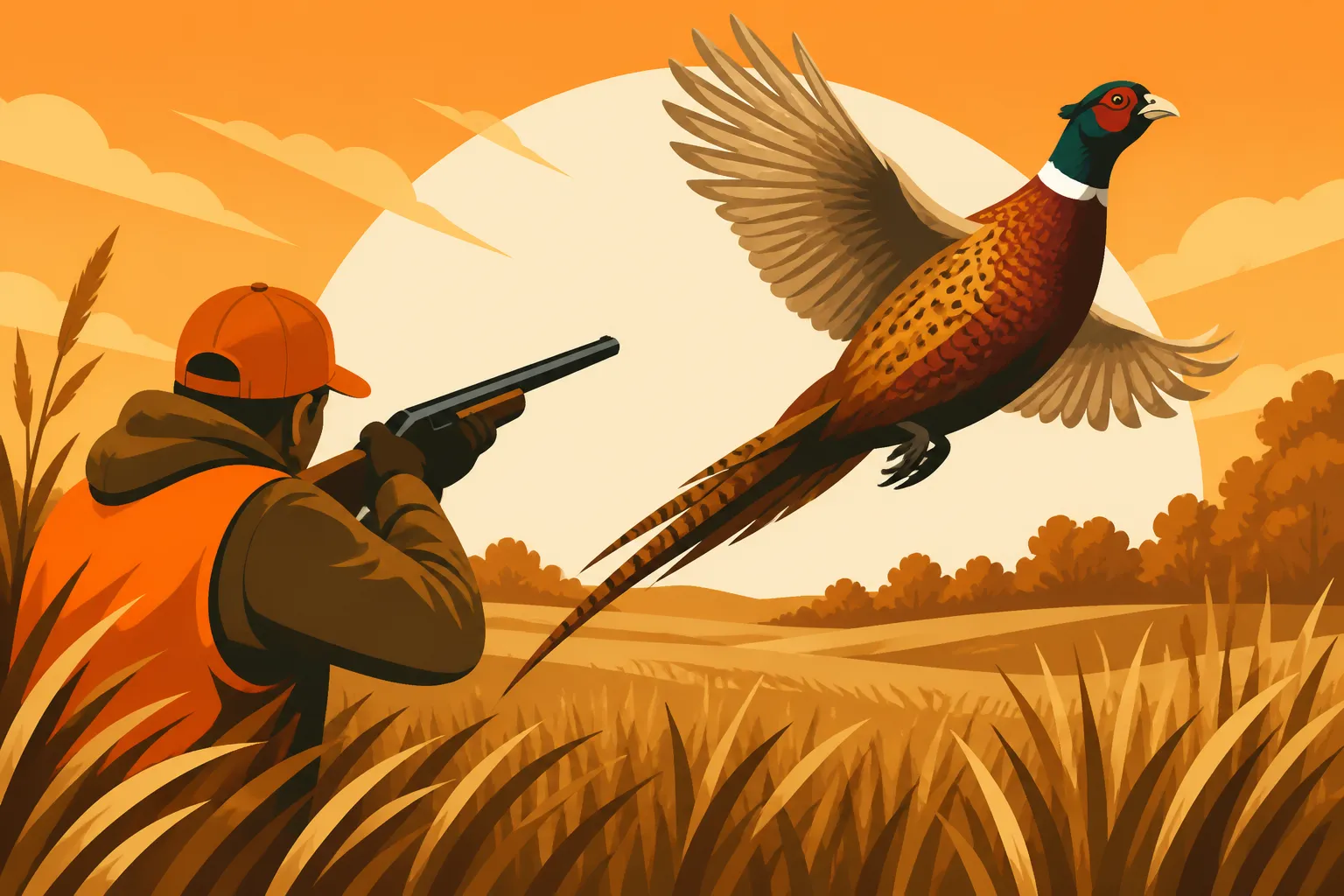
Safety is paramount, and Minnesota has strict blaze orange requirements for pheasant hunters. During the pheasant season, all hunters, or those accompanying hunters, must wear outer clothing above the waist that is blaze orange or blaze pink. This means a hat, jacket, vest, or combination thereof must be visible from all sides. The intent is to make hunters highly visible to one another, significantly reducing the risk of accidental shootings. This rule applies even if you're just walking to your stand or crossing a field. There's no minimum square inches requirement, just that it must be visible. It’s a simple, non-negotiable rule that literally saves lives. Many hunters opt for a blaze orange vest over their hunting coat, ensuring visibility without compromising their camouflage or layers. Understanding Minnesota Blaze Orange Requirements thoroughly is a non-negotiable part of preparing for your hunt.
Where to Find Pheasants on Opening Day
Knowing when to hunt is only half the battle; knowing where is just as critical. Minnesota boasts some fantastic pheasant habitat, particularly in the western and southern regions, but finding those elusive roosters requires a keen eye and a good understanding of their preferred haunts.
Prime Habitat and Preferred Cover Types
Pheasants are creatures of cover, especially dense, protective cover that offers food, shelter from predators, and refuge from the elements. On opening day, with potentially high hunter pressure, they'll often be holding tight in the thickest stuff they can find.
- CRP (Conservation Reserve Program) Fields: These tall, grassy fields are pheasant magnets. The dense native grasses provide excellent nesting cover in spring and incredible thermal cover and protection during the hunting season. Look for CRP fields adjacent to food sources like standing corn.
- Cattail Sloughs and Wetlands: These are absolute gold mines, especially later in the day or after significant pressure. Roosters will often retreat deep into the impenetrable thickets of cattails, where they feel safest. Hunting a Hunting Minnesota Cattail Sloughs for Deer is an art, and it's no different for pheasants – it's tough, wet work, but highly rewarding.
- Shelterbelts and Tree Rows: These linear strips of trees and shrubs often serve as travel corridors and thermal cover. Roosters will use them to move between feeding and loafing areas. Working a Shelterbelt for Roosters effectively often involves strategically placing blockers at the end of the row.
- Standing Cornfields: While much of the corn is cut by opening day, pockets of standing corn, particularly around wet areas or private tracts, are fantastic pheasant cover. The birds can disappear into a standing cornfield with remarkable ease.
- Food Plots and Field Edges: Fields of sorghum, milo, or even unharvested soybeans can concentrate birds. Pay close attention to the edges where these food sources meet denser cover like a CRP field or a ditch.
The best spots will often be a combination of these cover types, offering a mosaic of food, water, and escape routes. The areas surrounding Nobles County, Pipestone County, and Renville County are widely regarded as being among the best Minnesota counties for pheasants due to excellent habitat management and agricultural practices.
Public Lands vs. Private Land Access
Minnesota offers a wealth of public hunting opportunities for pheasants, but private land often holds excellent numbers as well.
- Wildlife Management Areas (WMAs): The Minnesota DNR manages hundreds of WMAs across the state, many of which are specifically managed for upland birds, including pheasants. These areas are clearly marked and offer fantastic access. You can find WMAs Using the Recreation Compass Map Tool provided by the DNR or through hunting apps like GoHunt. This app allows you to overlay public land boundaries and even identify different habitat types, making your scouting efforts much more efficient.
- Waterfowl Production Areas (WPAs): Managed by the U.S. Fish and Wildlife Service, WPAs are scattered throughout pheasant country and, despite their name, often provide prime upland bird habitat, especially dense grasslands.
- Walk-In Access (WIA) Program: This innovative program leases private land from landowners and opens it to public hunting access. These parcels are typically well-marked with yellow signs. They are a game-changer for public land hunters, offering additional, often less pressured, opportunities. Knowing How Minnesota Walk-In Access Works and Finding Walk-In Access Parcels can lead you to some hidden gems.
- Private Land: A significant portion of Minnesota's best pheasant hunting is on private land. Gaining access often involves knocking on doors well in advance of the season, showing respect, and offering to help out. Building relationships with landowners can unlock incredible hunting experiences.
On opening day, public lands can see considerable pressure. If you're heading to a popular WMA, expect company and be prepared to walk further or arrive earlier to stake out your spot. Sometimes, the best strategy is to look for areas that are harder to access, as these often hold unpressured birds.
Tips for a Successful Opening Day Hunt
Opening day can be chaotic, exhilarating, and sometimes frustrating. But with a few smart strategies and a focus on safety, you can significantly increase your chances of success and enjoyment.
Hunting with Dogs: Maximizing Efficiency and Safety
A good bird dog is almost indispensable for pheasant hunting, especially on opening day. They not only find birds that human eyes might miss but, crucially, they retrieve downed birds from thick cover, minimizing crippling losses.
- Working Your Dog: On opening day, with potentially many birds around and high excitement, keep your dog close and under control. A dog ranging too far can bust birds out of range or run into other hunting parties. Focus on working cover systematically, letting your dog crisscross in front of you. Training for Running Pointing Dogs on Minnesota Pheasants or working flushers effectively is key.
- Hydration and Breaks: Opening day in mid-October can still be warm, and dogs work incredibly hard. Carry plenty of water for your dog and offer frequent breaks, especially if they’re pushing through heavy cover. Watch for signs of overheating.
- Dog Safety: With other hunters and dogs in the field, outfit your dog with a blaze orange vest. This makes them visible and protects them from briars and sharp stubble. Carry a basic dog first-aid kit for minor cuts or burrs. Always keep your dog on a leash when walking through parking areas or roads.
Strategic Field Tactics for Pressured Birds
Opening day often means pressured birds. These aren't the same naive pheasants you might find later in the season. They've heard shotguns, seen dogs, and learned quickly.
- Hunt the Edges and Escape Routes: Instead of simply walking through the middle of a field, pay attention to the transition zones – where a CRP field meets a slough, or a shelterbelt ends. These are natural escape routes where pheasants will try to run out of harm's way.
- Blockers and Pushers: If hunting with a group, having "blockers" strategically positioned at the end of a cover strip or around a slough can be incredibly effective. The "pushers" then slowly and methodically work the cover, driving birds towards the blockers. Communication is key to ensure safety and avoid accidental shooting incidents. This tactic can also work wonders when you're Hunting a Standing Cornfield in Farm Country.
- Slow and Steady: Pheasants will often run before they fly. If you push too fast, they'll simply outrun you. Walk slowly, pause frequently, and let your dog work. These pauses can often make a nervous bird hold tight or flush.
- Revisit Cover: Don't be afraid to revisit productive cover, especially later in the day. Birds that were pushed out of a different area might return, or those that ran earlier might have circled back.
- Dress for the Conditions: October weather in Minnesota can be unpredictable. Layers are always your friend. You might start the morning in a light jacket and shed it by midday. Waterproof boots are a must, especially if you plan on tackling dewy grass or sloughs.
Safety First: Hunter and Public Considerations
Safety isn't just a rule; it's a mindset that ensures everyone has a positive experience.
- Awareness of Other Hunters: On opening day, you're rarely alone. Be acutely aware of other hunting parties. Know their location, respect their space, and never swing your shotgun toward another hunter.
- Know Your Target and Beyond: This is the golden rule. Always be 100% certain of your target – that it's a rooster – and what lies beyond it. Shotgun pellets can travel further than you think, and farmhouses, roads, and livestock are common in pheasant country.
- Communicate: If hunting with a group, use clear communication. Call out flushes, downed birds, and locations of other hunters. Consider using two-way radios, especially if hunting a large field or dense cover where visibility is limited.
- Respect Landowners: If hunting private land, leave gates as you found them, don't litter, and stay off planted fields unless given explicit permission. A little respect goes a long way in securing future access.
By understanding the rules, knowing where to focus your efforts, and always prioritizing safety, your Minnesota pheasant season opening day can be both productive and incredibly rewarding.
Disclaimer
Please remember that hunting regulations can change. While I strive to provide the most up-to-date and accurate information, it is always your responsibility to consult the current year's official Minnesota Department of Natural Resources (DNR) hunting regulations before heading afield. This guide is for informational purposes only and should not be considered a substitute for the official DNR regulations.