Running Pointing Dogs on Minnesota Pheasants
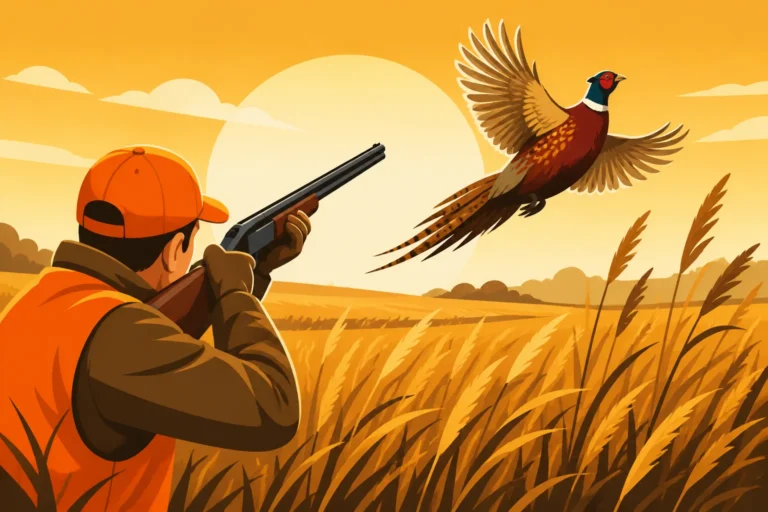
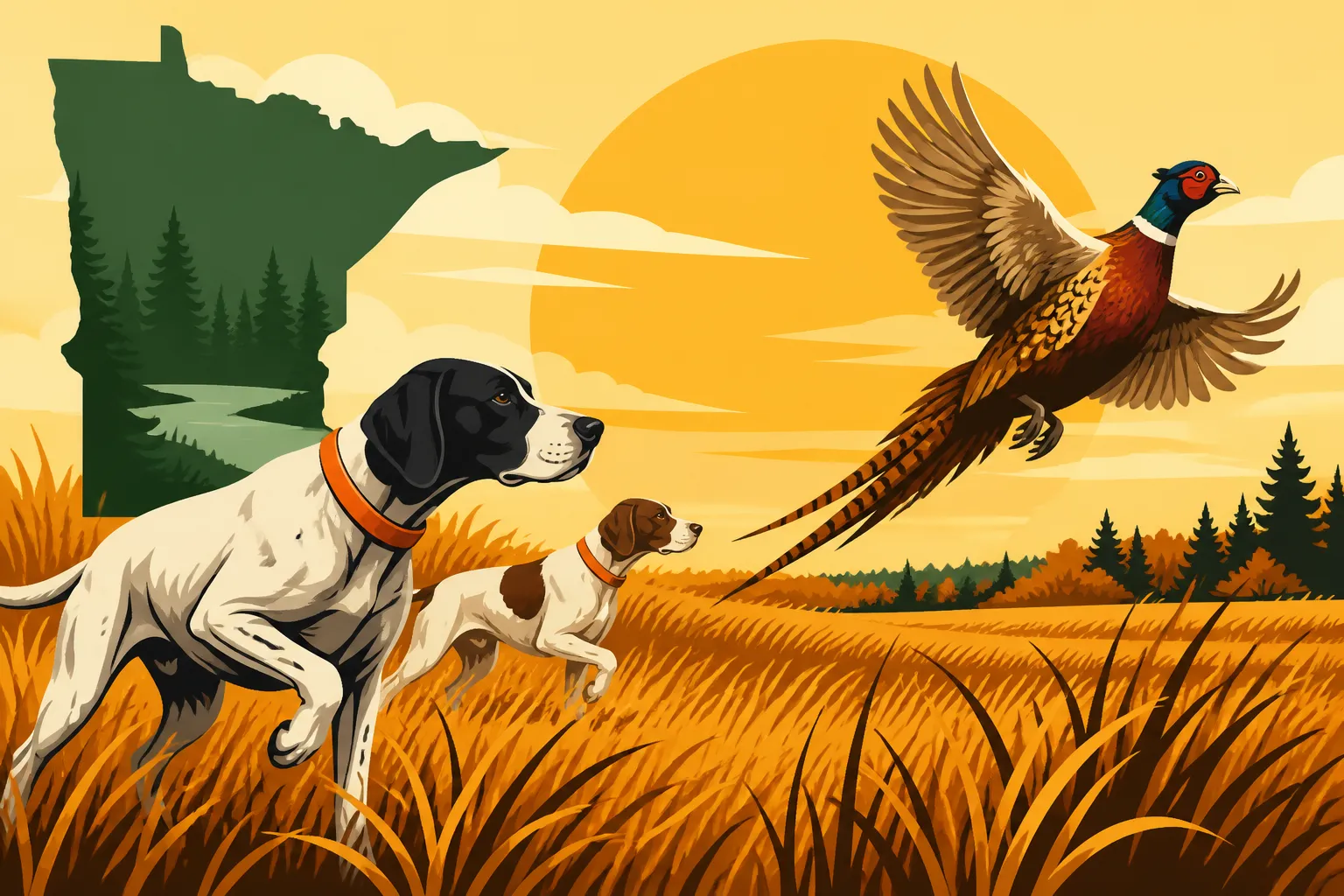
There's nothing quite like the sight of a well-trained pointing dog locked up solid, nose to the wind, indicating a rooster pheasant hidden in the thick Minnesota cover. Yet, the reality of pheasant hunting here often involves frustratingly long walks in heavy snow, roosters that run for miles, and dogs that get tangled in nasty sloughs. This guide aims to equip you with the knowledge and tactics to maximize your success and truly enjoy the magic of hunting Minnesota pheasants with your dedicated pointing companion.
Understanding the Minnesota Pheasant Landscape
Minnesota's pheasant hunting opportunities are renowned, drawing hunters from across the region. However, understanding the specific habitat and how weather influences bird behavior is crucial for any pointing dog handler. It's not just about letting the dog run; it's about a strategic partnership between hunter and canine, tailored to the unique challenges of the Upper Midwest.
Habitat and Pheasant Behavior in Minnesota
Minnesota pheasants thrive in a patchwork of agricultural land, CRP (Conservation Reserve Program) fields, dense cattail sloughs, and remnant prairie grasslands. The highest concentrations of these birds are typically found in the southwest and west-central regions of the state. These areas offer the ideal mix of food sources – waste grain from corn and soybean fields – and crucial winter cover. Roosters, in particular, are notorious for their cunning and tendency to run long distances before flushing, especially when pressured. They'll often hold tight in the nastiest cover, like dense plum thickets or thick stands of switchgrass, forcing your dog to work hard. Understanding where these birds prefer to loaf, feed, and escape is key to planning your approach. On a sunny, mild day, they might be dusting on a field edge. When the wind howls or temperatures drop, they'll burrow deep into thermal cover. This constant adaptation means your dog needs to be versatile, and you need to be observant. For a broader look at the state's prime bird areas, you can explore information on Pheasants and Southwest Minnesota Farmland.
The Role of Weather and Cover
Minnesota weather is a huge factor in pheasant hunting, impacting both the birds and your dog's performance. Early season, when temperatures are mild and cover is still green and abundant, birds might be spread out and hold well. As the season progresses into late fall and early winter, snow and cold temperatures compact the cover and force pheasants into denser, often wetter, thermal sanctuaries. Think about those massive cattail sloughs or thick shelterbelts. When the ground is frozen, scenting conditions can be tough for a dog, but fresh snow can sometimes help pinpoint running birds. Strong winds can carry scent far, making long-range points possible, but they can also make it harder for a dog to pinpoint the exact location of a bird that's trying to get out of the wind. Conversely, calm days might mean scent hangs low, requiring your dog to work closer to the ground. These shifting conditions demand flexibility in your hunting strategy and a dog that can adapt its search pattern and intensity accordingly.
Training and Preparing Your Pointing Dog
A successful pheasant hunt with a pointing dog isn't just about the hunt itself; it's the culmination of hours, even years, of dedicated training. Minnesota pheasants are challenging, and an unprepared dog (or handler) will quickly face frustration. The goal is a confident, biddable dog that understands its job and trusts your commands in chaotic field situations.
Foundation Training for Upland Birds
Before you even think about putting your dog in front of a wild pheasant, you need a strong foundation. This means reliable obedience: sit, stay, come, and whoa. The "whoa" command is paramount for a pointing dog. It teaches them to freeze on command, allowing you to get in position for the flush and shot. Introduce them to birds early – quail or pigeons are excellent for this – in a controlled environment. The goal is to build prey drive, teach them to stop on scent, and then to hold that point until you release them. Steadiness to wing and shot is another critical component; you don't want your dog breaking point and chasing a flushing bird or bolting after the shot. This takes repetition, patience, and often, the help of a good e-collar to reinforce commands from a distance. Remember, your dog isn't just a bird-finding machine; it's your hunting partner, and that partnership starts with clear communication and mutual respect. For guidance on appropriate gear for your dog, consider reviewing Bird Dog Gear for Minnesota Cover.
Advanced Field Work and Scent Recognition
Once the basics are solid, it's time to refine your dog's field skills. This includes teaching them to work a pattern, often a quartering pattern into the wind, to efficiently cover ground. Introduce them to different types of cover they'll encounter in Minnesota – tall grass, briars, light timber, and even the edge of a cattail slough. Each cover type presents unique challenges for scenting and movement. Simulate real hunting scenarios, planting birds in tough spots, making them run, and working your dog through the challenge. Crucially, teach your dog how to use the wind to their advantage. A good pointing dog will naturally learn to work into the wind, catching scent, but a great one will learn to cast, check crosswinds, and adjust its retrieve based on scent. Regularly practicing in varying conditions helps them develop that instinctual understanding of how scent travels and where birds are likely to be.
Tactics for Hunting Pheasants with a Pointer in Minnesota
You've put in the training, the season is open, and you're standing on the edge of a prime pheasant field. Now what? The real art of pheasant hunting with a pointing dog in Minnesota lies in the execution – knowing how to read your dog, the cover, and the wind, and coordinating your movements for optimal success.
Reading the Dog and the Cover
Your dog is your best asset, and learning to read their body language is vital. A subtle shift in their tail, a change in their gait, or an intense sniffing pattern can tell you they're on scent long before they lock into a full point. When your dog goes on point, pay close attention to the intensity and direction. Is it a soft point, indicating a bird might be running ahead? Or is it a rock-solid, high-tailed point, meaning the bird is holding tight right there? Use this information to inform your approach. When walking through thick cattails or plum thickets, where visibility is limited, your dog's point might be your only indication of a bird. In lighter cover, you might be able to see the bird before the dog points. Always walk to the side of your dog's point, allowing them to remain focused, and position yourself for a safe shot as you approach the presumed location of the bird. Sometimes, your dog will make a "relocation" – picking up their point and moving forward because the bird ran. This is where your trust in their nose comes in.
Working Wind and Terrain
The wind is your compass and your greatest ally when pheasant hunting. Always try to hunt into the wind. This allows your dog to pick up scent most effectively and gives you an advantage on flushing birds, as they typically flush into the wind to gain lift. If the wind is swirling or cross-wise, you might need to adjust your approach or work the edges of cover differently. Pay attention to how the terrain influences the wind. A deep ditch or a rise in the land can create microclimates and shift wind patterns, affecting scent. For example, when hunting a long shelterbelt, walking one side with a crosswind might be productive, but switching to the other side to get a headwind could be even better. Terrain also dictates how birds move. Pheasants often run up hillsides or through ditches for cover. Plan your path to intercept these escape routes. Using a mapping app like GoHunt can be invaluable here. It allows you to mark known pheasant locations, scout potential cover remotely, and navigate public land without cell service, which is especially helpful when dealing with Finding Walk-In Access Parcels or other public areas. This allows you to plan your walk to maximize your dog's ability to work the wind effectively across the terrain.
Flushing and Shooting Strategy
Once your dog is on point, the moment of truth arrives. Approach the point with purpose and caution, ensuring you're in a position for a safe shot. Walk ahead of your dog, trying to put pressure on the bird from the direction it expects to escape. This often helps hold a running bird or encourages it to flush. When the pheasant flushes, identify the rooster quickly. Minnesota law restricts you to roosters only (unless hunting a special hen season). Take a smooth, deliberate swing and follow through. After the shot, command your dog to "fetch" only when it's safe and the bird is down. Don't let your dog break point prematurely or retrieve a crippled bird until you've confirmed its location. A good retrieve is just as important as the point. Your dog should go directly to the bird, pick it up gently, and return it to hand. Sometimes, a bird will be crippled and run. This is where your dog's tracking ability comes into play. Trust their nose to follow the scent trail, and be ready for a second flush. Working along a Pheasant Hunting a Slough Edge requires different tactics than working a wide-open field, so adapt your flushing strategy to the cover.
Common Challenges and Solutions on Minnesota Pheasant Hunts
Pheasant hunting is rarely easy, and Minnesota's landscapes present their own set of trials. From cunning roosters to harsh weather and thick cover, you'll encounter situations that test both you and your dog. Being prepared for these challenges can turn a frustrating day into a rewarding one.
Dealing with Running Birds and Thick Cover
One of the biggest frustrations in Minnesota pheasant hunting is the running rooster. These birds would rather run for a mile through a standing cornfield or a dense cattail slough than flush. When your dog goes on point, but the bird keeps moving, you need to adjust. Sometimes, a quick, aggressive flush by the hunter can push the bird to fly. Other times, having a second hunter come from a different angle to pinch the bird can work. In very dense cover, like a plum thicket or a particularly nasty patch of switchgrass, your dog might need to get right on top of the bird to force a flush. This is where a bold, tenacious dog shines. You might have to physically push through the cover with your dog, knowing that shots will be close and fast. Always prioritize safety and maintain communication with your hunting partners. In such thick stuff, a bird might only offer a fleeting glimpse, so quick reflexes are essential. It's in these situations that the real bond between hunter and dog is forged – you relying on their nose, and them relying on your trust. Understanding how to navigate different types of cover is paramount, whether you're Working a Shelterbelt for Roosters or pushing a dense field.
Dog Care and Safety in the Field
Minnesota's varied terrain and often extreme weather demand vigilance for your dog's well-being. Early season can mean hot, humid days, increasing the risk of overheating. Always carry plenty of water and offer it frequently. Watch for signs of fatigue or heat stress. As the season progresses, cold temperatures and snow become the concern. Protect your dog's paws from ice, snow, and sharp stubble with booties, especially if they're prone to cracking or cuts. Checking your dog's pads after each hunt is crucial. Consider a protective vest, like those from companies such as Avery or Browning, which can shield their chest and belly from briars, burrs, and icy water, especially when working through tough cover or Hunting Minnesota Cattail Sloughs for Deer (which often hold pheasants too). Be mindful of barbed wire fences, often found in agricultural areas, and keep a first-aid kit handy for minor cuts or scrapes. A tired dog is more prone to injury and less effective. Plan your hunts with breaks, and don't push your dog beyond its limits. Just like you need warm layers for Cold-Weather Sitting Strategy in Minnesota, your dog needs proper care to stay healthy and perform.
| Breed | Key Traits for Pheasant Hunting | Ideal Hunter Type | Notes |
|---|---|---|---|
| German Shorthaired Pointer | High energy, excellent nose, strong prey drive, good retrieve, very biddable, thrives on activity. | Active hunters, those wanting a versatile family dog. | A fantastic all-around bird dog, well-suited for varied Minnesota conditions. Can cover a lot of ground and handle diverse cover types. |
| English Pointer | Extreme endurance, wide-ranging search pattern, powerful nose, classic stylish point. | Hunters who like to cover large areas, very active lifestyles. | Known for their speed and ability to hunt big country. Requires a lot of exercise and space. May be too wide-ranging for smaller public land parcels unless trained specifically for close work. |
| Brittany Spaniel | Energetic, eager to please, strong nose, natural retrieve, smaller size but big heart. | Hunters preferring a closer working dog, good for families. | A popular choice for a reason. Excellent for medium-range hunting and handles thick cover well despite its size. Very trainable and affectionate. |
| Vizsla | Intelligent, gentle, athletic, close-working, excellent retrieve, "velcro dog" personality. | Hunters wanting a close companion, good for families. | A beautiful, sensitive breed that forms a strong bond with its owner. Great in warmer weather, but sensitive to extreme cold without proper protection. |
| Setter (English, Irish, Gordon) | Graceful, elegant point, strong endurance, good nose, good for walking hunters. | Traditionalists, those who enjoy a graceful dog in the field. | English Setters are perhaps the most popular for upland. All setters are known for their beautiful points and stamina. Can be wide-ranging but often work in closer for their handler. Requires consistent training. |
| Wirehaired Pointing Griffon | Rugged, intelligent, excellent cold-weather tolerance, strong retrieve, versatile. | Hunters in colder climates, those wanting a hardy dog. | Their wire coat provides excellent protection in harsh conditions and dense cover. Great water retrieve skills, making them versatile for ducks too. |
Disclaimer
The information provided in this article is for general guidance and informational purposes only. Hunting regulations and conditions can change rapidly. Always consult the most current Minnesota Department of Natural Resources (DNR) regulations and local ordinances before heading into the field. Safety should always be your top priority.