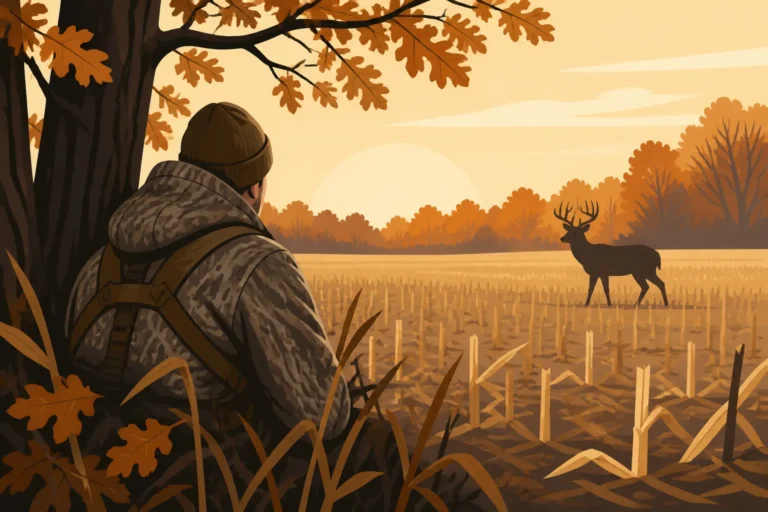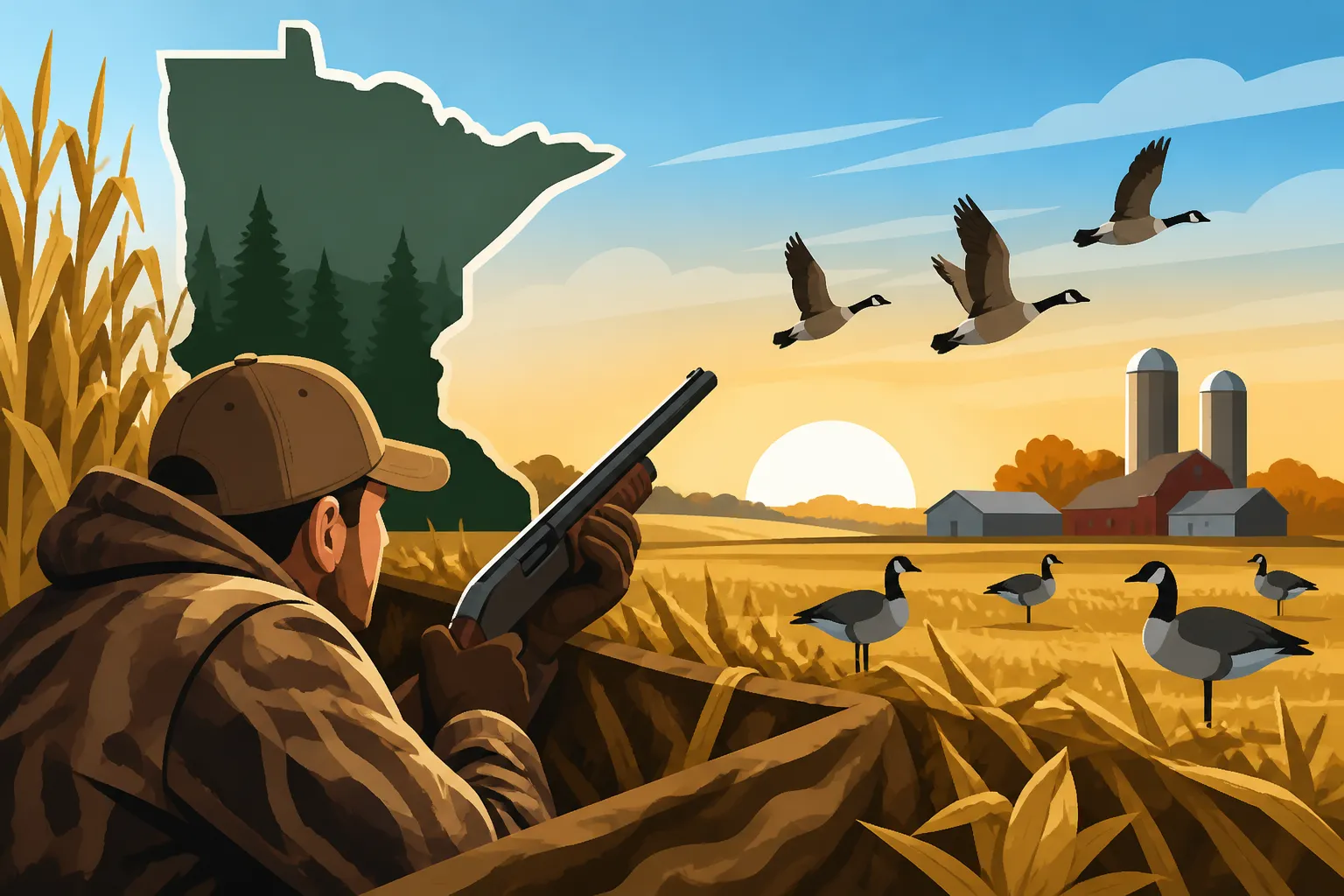
Layout Blind Hunting Minnesota Farm Fields
Hunting waterfowl or even deer in wide-open Minnesota farm fields can feel like trying to hide an elephant in a bathtub – it’s just plain tough to disappear. That feeling of being exposed, of ducks flaring at 200 yards or wary deer busting you before you even raise your gun, is a frustrating reality for many hunters. This guide is all about mastering the art of layout blind hunting in these challenging agricultural landscapes, helping you blend seamlessly and boost your success rates.
The Undeniable Advantages of Layout Blind Hunting in Farm Fields
The vast, flat expanses of Minnesota's farm fields, from the Red River Valley to the fertile plains of the south, offer incredible hunting opportunities, particularly for geese, ducks, and even deer. However, these same open landscapes present a monumental challenge: how do you hide? You can't just tuck behind a tree line that's miles away, and digging a pit blind isn't always feasible or allowed. This is where the layout blind truly shines, offering a solution to the concealment conundrum in ways traditional methods simply cannot.
Superior Concealment in Wide-Open Terrain
Imagine trying to hide a full-grown person, let alone a group of hunters, in the middle of a recently cut cornfield. Standing up or even sitting in a standard chair blind creates an obvious silhouette that wary game can spot from incredible distances. Ducks and geese, with their phenomenal eyesight, will pick out anything unnatural against the horizon long before they’re in range. Deer, too, become accustomed to field edges and any new anomaly sticks out like a sore thumb.
Layout blinds are specifically designed to overcome this challenge by putting you virtually flat on the ground. By minimizing your profile to an absolute minimum, they essentially make you disappear into the natural contours of the field. When properly brushed in, the top of the blind becomes part of the terrain itself, mimicking a clump of dirt, a pile of stubble, or a small snowdrift, rather than an upright human form. This low profile is the secret weapon, fooling even the most educated birds and bucks into thinking the field is clear of threats.
The psychological effect on game is profound. When a flock of geese circles, scanning the field, they're looking for upright shapes, movement, and anything that screams "danger." A well-concealed layout blind, however, presents nothing but a continuous, undisturbed landscape. This lack of perceived threat encourages them to commit to your decoy spread, dropping their guard and setting them up for a closer, cleaner shot. It removes that "something doesn't look right" feeling that causes so many flocks to flare at the last second.
Unmatched Mobility and Adaptability
One of the biggest frustrations in field hunting is being tied to a fixed position. Waterfowl, in particular, are creatures of habit but those habits can change daily, sometimes hourly, based on wind, feeding pressure, and even sun angle. If you've spent hours digging a pit blind or setting up a bulky pop-up, moving to adjust to a new flight path or a different feeding spot can feel like an impossible task, often costing you valuable hunting time.
Layout blinds, by contrast, are built for mobility. Most models are lightweight and designed to fold or collapse quickly into a compact, backpack-style form. This ease of transport means you can rapidly relocate if the birds aren't working your original spot, or if a new flight pattern emerges. Imagine being able to pick up your entire setup, move 200 yards down a field edge, and be fully concealed again in a matter of minutes. This adaptability is critical for success in dynamic field hunting scenarios, allowing you to stay on the X, no matter how much it shifts.
This flexibility extends to adapting to various field conditions. Whether you're hunting a freshly cut cornfield with tall stubble, a low-profile soybean field, or even a winter wheat field, there’s a layout blind that can be effectively concealed. Unlike permanent structures, a layout blind isn't restricted by specific terrain or crop height; it simply becomes part of whatever environment you place it in, as long as you have the materials to brush it in effectively. This makes them far more versatile than other blind options for hunters pursuing Pheasant Hunting Minnesota Farmland or Hunting Minnesota Farmland Deer.
Enhanced Comfort and Endurance for Long Hunts
Minnesota weather can be brutal, especially during the waterfowl and late-season deer hunts. Spending hours exposed to biting winds, freezing temperatures, or even unexpected rain or sleet can quickly turn an exciting hunt into a miserable endurance test. Sitting or standing for prolonged periods in such conditions is not only uncomfortable but can lead to a loss of focus, making you less effective when the critical moment arrives.
Layout blinds offer a surprising level of comfort for what is essentially a minimalist shelter. Most models feature padded backrests and headrests, allowing you to lie in a relaxed, ergonomic position. This takes the strain off your back and neck, helping you remain still and comfortable for extended periods. Furthermore, the robust, weather-resistant fabrics used in their construction provide excellent protection from wind and light precipitation, helping you stay warmer and drier than if you were simply lying on the bare ground.
Staying comfortable directly translates to increased endurance and mental focus. When you're not shivering uncontrollably or constantly shifting to relieve an aching back, you're more attuned to your surroundings – listening for distant honks, scanning the horizon for approaching game, and maintaining the sharp concentration needed to make accurate shots. This enhanced well-being is invaluable, allowing you to truly enjoy the experience and be at your best when the moment of truth arrives, especially during those long, cold sits when you're Cold-Weather Sitting Strategy in Minnesota.
Choosing the Right Layout Blind for Minnesota's Fields
Just like choosing the right decoy spread or call, selecting the perfect layout blind is crucial for success in Minnesota's diverse farm fields. With so many options on the market, understanding the different types, materials, and essential accessories can make all the difference between feeling exposed and being utterly invisible. It's not just about blending in, but about durability, comfort, and functionality that can withstand the rigors of our hunting seasons.
Understanding Blind Types and Features
The world of layout blinds has expanded considerably, offering various designs to suit different preferences and hunting styles. The most common is the "coffin blind" or "sled blind," which features a rigid or semi-rigid frame with a door that flips open for shooting. These offer excellent weather protection and often have ample storage for calls, shells, and snacks. However, they can be bulkier to transport. Another popular option is the "low-profile blind," which aims for the absolute lowest silhouette possible, sometimes sacrificing a bit of internal space or features for ultimate stealth. Then there are "chair blinds" or "backpack blinds," which are essentially a low chair with a fabric cover, offering slightly more upright comfort but a higher profile. For hunters specifically looking for maximum concealment in wide-open spaces, a traditional coffin or low-profile style, such as those that can serve as Layout Blinds for Minnesota Cut Corn, is generally preferred.
When evaluating features, pay close attention to the frame material. Aluminum frames are typically lighter and more resistant to rust than steel, but can sometimes be less robust. Steel frames, while heavier, often provide superior durability. The fabric is paramount: look for heavy-duty, abrasion-resistant materials like 600D or 900D polyester or Cordura, which can stand up to the sharp stubble and harsh conditions of Minnesota fields. Quiet operation is also a must – zippers, buckles, and frame joints should be designed to minimize noise, preventing an untimely spook when game is close. Finally, consider the entry and exit points. A blind with easy-access doors and a smooth, quick-deploying flap system for shooting will ensure you're ready when the birds are overhead.
Another critical consideration is the packed size and weight. If you're hunting public land or areas that require a long walk-in, a lighter, more compact blind will save you a lot of effort. Conversely, if you primarily hunt private land with vehicle access, a slightly larger, more feature-rich blind might be more appealing for the added comfort and storage. It’s a trade-off, so assess your primary hunting scenarios before committing.
Camouflage Patterns and Material Considerations
The effectiveness of any blind hinges on its ability to disappear into the environment. For Minnesota farm fields, this means selecting camouflage patterns that accurately mimic local agricultural landscapes. Patterns designed for corn stubble, cut grain, or even general dry grass work exceptionally well throughout the fall. As the season progresses and snow blankets the fields, a white or snow-specific camo cover becomes essential to maintain that critical low profile. Many manufacturers offer interchangeable covers, allowing you to adapt your single blind to various seasonal conditions.
Beyond the pattern, the material itself plays a huge role. A matte finish is crucial to prevent glare, which can be a dead giveaway to approaching game, especially on sunny days. You'll also want materials that are water-resistant and wind-blocking. This isn't just about comfort; a cold, wet hunter moves more, shivers more, and is generally less patient and focused. A good quality blind will help you remain still and undetected, even when the wind howls and a light drizzle sets in. Durability is also key; the fabric needs to withstand constant rubbing against abrasive crop stubble, mud, and ice without tearing or fraying after just one season.
Some premium blinds even incorporate insulated floor panels or extra thick padding, which can be a game-changer on those frigid Minnesota mornings. While these might add a bit to the weight or cost, the added warmth and comfort can extend your hunt by hours and significantly improve your overall experience. Remember, a blind is an investment, and choosing one made with high-quality, durable, and well-thought-out materials will pay dividends over many hunting seasons.
Essential Accessories to Maximize Blind Performance
While the blind itself is the foundation, a few key accessories can truly maximize its performance and your comfort in the field. Think of these as the fine-tuning elements that elevate your hunting experience from good to exceptional. One often overlooked accessory is a good quality ground cloth or tarp to place under your blind. This prevents moisture from seeping up from the damp ground, keeping you and your gear drier and warmer, which is especially important during early morning freezes.
Many blinds come with stubble straps, but having extra, easily attachable straps can be a huge bonus for really locking down natural camouflage. A quiet, easily accessible shell holder is a must; fumbling for shells at a critical moment can ruin a shot. Gear bags that attach to the blind or fit snugly inside are great for keeping calls, gloves, and other necessities organized and within reach without making noise. For those hunting with a canine companion, a dedicated, low-profile dog blind that matches your layout blind is essential for keeping your retriever concealed and comfortable right alongside you. Reputable brands like Avery, Tanglefree, and Rig'Em Right offer a full line of accessories designed to integrate seamlessly with their blinds, and resources like GoHunt can often provide reviews and comparisons of these various options to help you choose wisely.
Don't forget personal comfort items like a small pillow for your head (some blinds have built-in ones), hand warmers for those frigid days, and a thermos of hot coffee or soup. These small luxuries can significantly improve your mental state during a long wait, making you a more patient and effective hunter. Investing in these essential accessories will ensure that your layout blind is not just a place to hide, but a fully functional, comfortable command center for your field hunts.
Strategic Scouting and Flawless Field Set-Up
Even the most expensive, perfectly camouflaged layout blind is only as good as its placement. You can be completely invisible, but if you're not in the right spot, all that effort is for naught. This is where meticulous scouting and a strategic setup come into play, turning your field into a magnet for game and ensuring that when they commit, you're perfectly positioned for success.
Decoding Field Patterns and Game Movement
Successful field hunting begins long before you set out your decoys. It starts with dedicated, often obsessive, scouting. For waterfowl, this means finding the "X" – the exact spot where ducks and geese are consistently feeding. This might involve driving backroads, watching from a distance with binoculars or a spotting scope, and observing flight patterns at dawn and dusk. Pay attention to how the birds enter and exit the field, what specific parts they favor, and how they react to different wind conditions. Modern tools like GoHunt's mapping features can be invaluable here, allowing you to mark specific observations, track game movements, and analyze terrain features from an aerial perspective, even when you're not physically in the field.
For deer hunting in farm fields, understanding their travel corridors between bedding areas, cover, and food sources is paramount. Deer often use field edges, fence lines, and subtle terrain breaks as highways. Knowing the prevailing wind direction is critical for both waterfowl and deer; you always want the wind in your face or quartering, so your scent is carried away and approaching game can land or approach into the wind, presenting easier shots. Also, consider the angle of the sun. Setting up with the sun at your back can blind approaching game, making them less likely to spot your blinds, and gives you a clear, glare-free view for shooting. Identifying these subtle nuances is what separates a lucky hunter from a consistently successful one. This type of detailed Scouting Minnesota Public Land Before Season is essential, whether you're targeting big bucks or migrating birds.
Look for subtle terrain features that offer natural advantages. A slight dip or swale in a field, a low rise, or even a line of taller stubble can provide extra concealment for your layout blinds. These natural contours can break up your silhouette even further, making your brushed-in blind truly disappear. Spend time observing during scouting – what do the birds do when they encounter this rise? Do they land short, or fly over it? These observations will dictate your ultimate setup.
Crafting Effective Decoy Spreads and Placement
Decoy spreads are the illusion you create to entice game, and their effectiveness directly correlates with how natural and inviting they appear. For waterfowl, the number and type of decoys can vary significantly. For geese, full-body decoys are often preferred for their realism, especially if you have the means to transport them. However, shells and silhouettes can be highly effective in large numbers. The key is motion: flagging or using motion decoys like spinning wing ducks (where legal) can mimic active feeding birds and be a powerful draw. For example, using Decoy Spreads for Minnesota Divers requires specific tactics, but for field hunting, the goal is often to simulate a relaxed feeding flock.
When it comes to placement, classic waterfowl spreads like the "J-hook," "U-shape," or "teardrop" are popular, with the opening or "landing zone" positioned directly in front of your layout blinds, usually downwind. This forces approaching birds to fly over your blinds as they commit to land, putting them perfectly in range. The spacing of your decoys also matters – too dense can look unnatural, too sparse might not convey a large enough flock. Aim for a realistic density that mimics how birds gather in a feeding field. For deer, while less common with layout blinds, a single buck or doe decoy strategically placed to draw attention away from your blind or to pique curiosity can sometimes be effective, though this is a more advanced and situation-specific tactic.
Don't be afraid to experiment. What works one day might not work the next. Pay attention to how birds react to your spread. Are they flaring short? Landing away from your kill hole? Adjust your spread as needed throughout the hunt. Sometimes, a smaller, tighter spread is more effective for wary birds, while other times a massive spread is needed to grab attention from afar. Having a diverse collection of decoys – different species, postures, and sizes – gives you the versatility to adapt to changing conditions and target species.
Masterful Brushing In for Invisible Concealment
This is arguably the single most critical step in layout blind hunting. You can have the best blind and the most perfect decoy spread, but if your blind isn't properly brushed in, everything will flare. Ducks and geese have incredible eyesight and can spot anything unnatural. Deer, too, are highly observant of their surroundings. A poorly brushed-in blind sticks out like a geometric anomaly in a natural landscape. The goal is complete invisibility. This means not just throwing a few stalks on top, but meticulously blending your blind into the surrounding environment. This principle is universally important, whether you're Brushing In a Blind on a Field Edge for deer or a goose hunt.
Start by gathering plenty of natural materials from the immediate vicinity of your setup. This is key – use what's already there. If you're in a cornfield, use corn stalks. In a soybean field, use bean stubble. In a grassy area, use dry grass. The color and texture must match perfectly. Begin by weaving smaller pieces into the stubble straps and loops on your blind, covering every inch of the fabric. Pay particular attention to the edges and corners, as these are often the hardest to conceal and can create unnatural shadows or lines.
Don't just cover the top; brush in all around the sides of the blind as well, especially the leading edge. The goal is to make it look like a natural clump of crop residue or a low mound of dirt. Step back and look at your blind from multiple angles, including from a crouching position (mimicking an approaching bird's perspective) and from a distance. If you can still discern the outline of your blind, you need more brushing. Over-brushing is generally better than under-brushing, but avoid creating a pile so large it looks unnatural. The perfect brush job strikes a balance, making the blind truly disappear into the field, forcing incoming birds to commit without a second thought.
Executing the Hunt from Your Layout Blind
Once your blinds are perfectly brushed in and your decoy spread is looking irresistible, the real work of hunting begins. It’s a game of patience, discipline, and precise execution. From the quiet art of calling to the absolute stillness required for ultimate concealment, every action (or inaction) from within your layout blind contributes to the success or failure of your hunt.
Calling Strategies Tailored for the Blind
Calling from a layout blind requires a slightly different approach than from a standing or elevated position. Your movements are restricted, so you need to be especially mindful of stealth. For waterfowl, a variety of calls are important – goose calls, duck calls (mallard, pintail, wigeon, etc.), and even a whistle can be effective. Start with softer, more subtle calls when birds are distant, mimicking contented feeding. As they get closer, you can increase volume and urgency, turning up the intensity to grab their attention and pull them into the spread.
The key is to read the birds. If they're cupped and committed, stop calling and let the decoys do the work. If they start to drift or look hesitant, a well-timed comeback call or a series of clucks and moans can often bring them back. Always ensure your calling hand movements are minimal and subtle. A sudden, exaggerated motion of your hand or arm as you work a call can easily spook a wary flock. Practice calling with your head down or with minimal movement, so you can remain as concealed as possible while still producing effective sounds.
For deer, calling from a layout blind is less common, but certainly possible. Grunt calls or even rattling can be used to draw in curious bucks. The low profile of the blind can actually be an advantage here, as the sound appears to come from ground level, mimicking natural deer sounds. Just remember that any movement to pull out a call or rattle antlers needs to be slow, deliberate, and executed when deer are not looking directly at your position.
The Art of Staying Concealed and Patient
This is where many hunters struggle. The ability to remain absolutely still and patient within your layout blind is paramount. Even the slightest twitch, an arm moving to check a phone, or a head popping up for a quick peek can blow a hunt. Birds have incredible vision, and deer are masters of detecting movement. Once you've set up, you become a statue. Use the mesh viewing panels in your blind to keep an eye on incoming game without exposing your face. If your blind doesn't have one, a dark headnet is essential to break up the outline of your face.
The mental game of patience cannot be overstated. It can be cold, it can be boring, and the action might be slow, but you must resist the urge to fidget or move unnecessarily. Train yourself to scan the sky or field with your eyes only. When birds are working, lock down. Don't sit up until the shot has been called and the game is fully committed and in range. Practice this discipline; it will significantly increase your success rate. Remember that the payoff for this patience is often a thrilling, close-range encounter that makes all the waiting worthwhile.
When the shot is called, the transition from lying flat to sitting up and shooting must be smooth and quick. Practice this motion at home so it becomes second nature. Fumbling with your gun or struggling to sit up will lead to missed opportunities. A well-practiced sequence, where you smoothly rise, shoulder your gun, and acquire your target, is vital for those fast-paced shooting opportunities from a layout blind.
Prioritizing Safety in a Field Hunting Environment
Hunting from layout blinds, especially with multiple partners, requires an unwavering commitment to safety. With hunters lying side-by-side, often in close proximity, clear communication and designated shooting zones are not just recommendations – they are absolute necessities. Before the hunt even begins, discuss and agree upon safe zones of fire. Typically, hunters will shoot out in front of them, never across another hunter's line of fire. Identify "no-shoot" zones, particularly in areas where other hunters or dogs might be positioned.
Gun safety is paramount. Always keep your firearm unloaded until you are in the blind and ready to hunt. When getting in or out of the blind, ensure the action is open and the gun is pointed in a safe direction. With multiple hunters, designate who calls the shot. This prevents confusion and ensures that everyone is on the same page when a flock or animal commits. When retrieving downed game, ensure all firearms are unloaded and actions open before anyone leaves the blind. While often associated with deer hunting, even during a waterfowl hunt, understanding Minnesota Blaze Orange Requirements is important for walking to and from the blinds, especially in low light conditions.
Furthermore, be aware of your surroundings beyond your immediate hunting party. Know if there are roads, farmhouses, or livestock in the distance. Always be certain of your target and what lies beyond it. The open nature of farm fields means projectiles can travel far. A responsible hunter ensures that every shot taken is not only ethical but also safe for everyone in the area. A quick review of your hunting plan with your partners before the sun rises can prevent accidents and ensure a safe, enjoyable experience for everyone.
Seasonal Nuances and Advanced Field Tactics
Minnesota's hunting seasons offer a wide array of opportunities in farm fields, each with its unique challenges and rewards. Mastering layout blind hunting isn't just about the gear or the setup; it's about understanding how game behavior changes with the seasons and adapting your tactics accordingly. From the warm early fall to the frigid depths of winter, strategic adjustments are key to consistent success.
Early Season Grain Fields for Waterfowl and Deer
The early season, typically from September through early October, presents unique opportunities. For waterfowl, this often means targeting freshly cut wheat, barley, or pea fields. These fields provide high-energy food sources that migrating ducks and resident geese heavily utilize. Scouting to find these active feeding fields is critical, as birds will often hit them hard for a few days before moving on. The challenges in early season include warmer weather (making scent control for deer more difficult and requiring careful game meat handling) and often less stubble for concealment, necessitating extra diligent brushing-in of your blinds. For deer, early season often sees them in patterns around standing cornfields, seeking both food and cover. Tactics used when Hunting a Standing Cornfield in Farm Country can be greatly enhanced with layout blinds set up on travel lanes leading into or out of the corn, especially during the first hour of light or the last hour of daylight.
During these warmer periods, scent becomes a major factor for deer. Even from a layout blind, your scent can easily drift across a field. Paying attention to wind direction is paramount, and using scent-eliminating sprays or clothing can help. For waterfowl, the lack of dense stubble means you might need to bring in extra brushing material, perhaps from nearby ditch lines or forest edges, to supplement what's available directly in the field. The early season is also when you often encounter more resident birds before the major migrations begin, so understanding their local habits can be a huge advantage. Early Goose Season Tactics in Minnesota heavily rely on finding these early feeding patterns.
Late Season Snow Hunts and Corn Stubble Strategy
As autumn transitions into winter, the landscape of Minnesota's farm fields dramatically changes. Snow often blankets the ground, and temperatures plummet, making hunting a true test of endurance and strategic thinking. This late season, typically November and December, is often characterized by big pushes of migrating waterfowl and deer seeking critical food sources. Cut cornfields become absolute magnets for both. Ducks and geese will pick through the waste grain, while deer will paw through the snow to access leftover kernels, providing essential calories to endure the cold.
Concealment in snow-covered fields requires specialized tactics. Your standard green/brown camo layout blind will stand out like a beacon. This is where white snow covers for your blinds become indispensable. Without them, you're practically waving a flag at incoming game. The increased visibility of a snowy landscape means your brushing-in needs to be even more meticulous. Use white sheets or snow camouflage netting, and supplement with natural snow, ice, or frosted stubble to break up your outline. For deer, a layout blind can be exceptionally effective in open fields bordering dense cover, allowing you to intercept deer moving from bedding to feed. Understanding Late-Season Food Sources for Minnesota Whitetails is key to placing yourself in the right field.
The extreme cold of late season also demands careful gear management. Keep extra hand warmers, wear multiple layers, and have insulated boots to stay warm. Your calls might freeze, so consider placing them in an inside pocket to keep them warm. Hydration and caloric intake are also important for enduring long, cold sits. The late season can be incredibly rewarding, offering some of the best hunting opportunities, but it tests a hunter's preparation and resolve.
Navigating Public Versus Private Land Challenges
Hunting Minnesota farm fields often brings up the classic public versus private land dilemma. Private land, with permission, typically offers lower hunting pressure and more consistent game patterns, as well as the ability to cultivate relationships with landowners. Building these relationships, offering to help with chores, or even sharing some of your harvest can open up invaluable opportunities. Resources like GoHunt, while primarily focused on Western big game, often publish articles with tips for gaining access and building rapport with landowners, which are universally applicable.
Public land, such as Wildlife Management Areas (WMAs) or Waterfowl Production Areas (WPAs), offers accessible hunting but often comes with significantly higher pressure. Here, advanced tactics are crucial. You might need to walk further, seek out overlooked corners of fields, or hunt during off-peak times (mid-week, foul weather days). Scouting is even more critical on public land to find those less-pressured pockets. Setting up your layout blind further from obvious access points, or in areas that require a bit more effort to reach, can yield surprising success. Understanding how to find and use Hunting Minnesota Farmland Deer on public land is a skill honed through experience.
Regardless of whether you're on public or private ground, always be respectful of the land. Pack out all your trash, pick up spent shells, and leave no trace of your presence. If you're on private land, ensure you understand and adhere to any specific rules or requests from the landowner. On public land, familiarize yourself with WMA or WPA regulations, which can sometimes have specific rules regarding blinds, decoys, or access. Responsible hunting practices ensure that these valuable opportunities remain available for future generations.
Comparing Popular Layout Blind Features
Choosing a layout blind can feel overwhelming with the variety available. This table breaks down some common features and what to consider when making your selection.
| Feature / Model Type | Low-Profile Blind (e.g., Avery Finisher) | Coffin Blind (e.g., Rogers Deluxe) | Chair Blind (e.g., FA Eliminator) |
|---|---|---|---|
| Primary Advantage | Ultimate concealment; lowest profile | Excellent comfort & storage | Quick setup; slightly elevated |
| Concealment Level | Highest | High | Moderate |
| Comfort Level | Good (padded, reclined) | Excellent (padded, spacious) | Good (seated, back support) |
| Portability | Good (folds relatively flat) | Moderate (can be bulky) | Excellent (backpack style) |
| Weather Protection | Good (low profile minimizes exposure) | Excellent (full fabric enclosure) | Moderate (some open areas) |
| Storage Capacity | Moderate (internal pockets) | High (ample internal space) | Low (minimal pockets) |
| Frame Material | Aluminum or fiberglass | Steel or aluminum | Steel |
| Best For | Wary birds, minimal cover, long walks | Long sits, cold weather, gear heavy | Quick hunts, easy in/out, less gear |
Disclaimer
The information provided in this article is for educational and entertainment purposes only. Hunting regulations and safety protocols can change frequently. Always consult the official Minnesota Department of Natural Resources (DNR) website and local ordinances for the most current and accurate information regarding hunting seasons, licensing, bag limits, CWD regulations, and safety requirements before engaging in any hunting activities. Adherence to all laws and responsible hunting practices is the sole responsibility of the individual hunter.