Minnesota Waterfowl Migration Timing
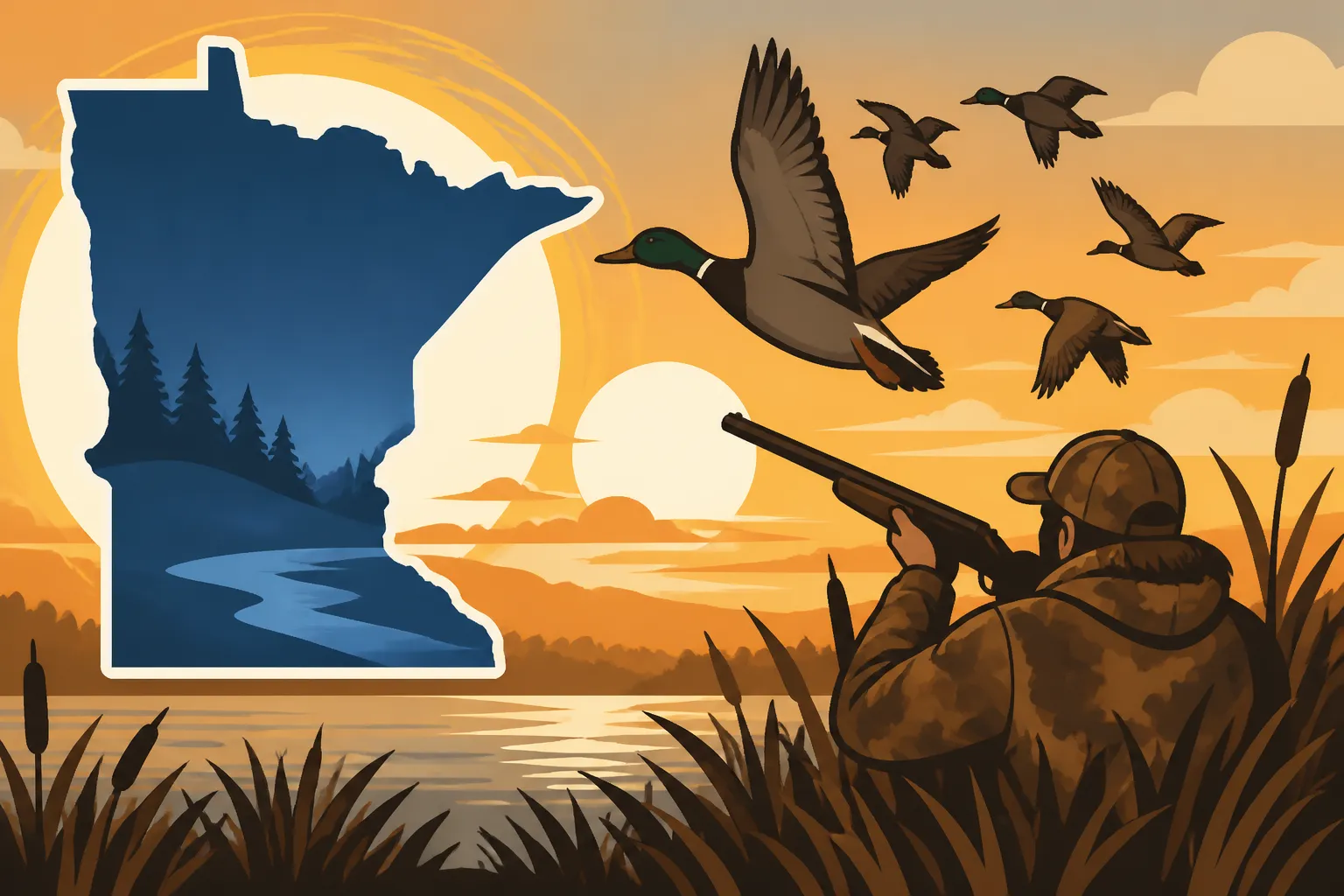
There's nothing quite as deflating for a duck hunter as waking up long before dawn, battling the cold, setting out a perfect spread of decoys, and then sitting there through shooting hours under an utterly empty sky. You hear the phantom whistle of wings, you tell yourself they're just late, but deep down, you know the birds simply haven't arrived or have already blown through. Understanding Minnesota waterfowl migration timing isn't just about reading a calendar; it's about predicting the weather, reading the landscape, and getting a feel for the subtle shifts that push ducks and geese across our vast state. This guide is here to help you get a better handle on those movements so you can be in the right place at the right time.
Understanding the Factors Driving Waterfowl Migration
Waterfowl migration isn't a simple, fixed schedule. It's a complex dance driven by a combination of biological imperatives and environmental cues. Knowing these underlying factors can help you anticipate major pushes of birds and avoid hunting ghost towns. It's not just about the date on the calendar; it's about what the ducks and geese are experiencing.
Weather and Cold Fronts
The most significant driver of waterfowl migration, hands down, is weather, specifically cold fronts. When a strong cold front sweeps down from the north, bringing with it plummeting temperatures and often snow or freezing rain, it triggers mass movements of ducks and geese. These birds are hardwired to seek more hospitable climates where food and open water are readily available. It's a survival instinct. You might see a trickle of birds moving south on mild days, but a true migration event almost always coincides with a significant dip in temperature and a strong north wind.
It’s not just the temperature drop itself, but the duration of the cold. A single frosty night might get some birds to stage, but a sustained cold spell that starts to freeze up smaller potholes and pushes ice onto the edges of larger lakes is what really gets them flying. When you see a forecast showing several days of below-freezing temperatures, especially in the northern parts of the state, that's your cue to get ready. The birds up in Canada and northern Minnesota are going to be on the move, and they’ll be heading your way. Keep an eye on the long-range forecast, and don't just focus on your local weather; what's happening north of you is even more critical.
Food Availability and Water Conditions
Beyond the immediate weather, the availability of food and suitable water habitats plays a huge role in how and when ducks and geese move. Early in the season, ducks might stick around areas with abundant natural foods like wild rice, smartweed, and corn, even if temperatures are dipping. As these food sources become depleted or buried under snow, or as water bodies start to freeze, birds are forced to push south. A dry late summer or early fall can mean fewer shallow water areas for ducks to feed and rest, potentially leading to earlier movements. Conversely, a wet year with lots of flooded timber and sheet water might hold birds longer.
Geese, especially Canada geese, are often tied to agricultural fields. They’ll stay in an area as long as there's waste grain available in cut corn or bean fields, and open water for roosting. As those fields become less productive or are covered by significant snow, they'll relocate. Understanding the local crop cycles and harvest timelines can give you a significant edge in predicting goose movements. It’s also why scouting is so vital; you need to know not just if there's food, but how much and how accessible it is. Many hunters keep a close eye on corn harvest progress, as it’s a major factor for both ducks and geese seeking easy calories.
Early Season Ducks and Geese: The Local Birds
When the Minnesota duck opener arrives, usually in late September, the hunting is often dominated by local birds. These are the ducks and geese that hatched and raised their broods within the state, or those that have made short, early migrations from nearby areas just to our north. It's a fantastic time to be out, offering diverse opportunities before the true push of northern migrants begins.
Resident Ducks and Their Habits
The ducks you'll primarily encounter during the initial weeks of the season are often wood ducks, local mallards, teal, and a good number of gadwall and wigeon. These birds are familiar with their home territories, often using smaller wetlands, wooded creeks, and hidden backwaters. They haven't been pressured much, and can sometimes be more forgiving of less-than-perfect setups. You'll find them hitting consistent food sources, like stands of wild rice or acorn-producing oaks. Early season success often hinges on knowing these local pockets, identifying their flight paths from roost to feed, and setting up strategically.
These resident ducks can provide some incredibly exciting hunts. Imagine sneaking into a secluded beaver pond at dawn, hearing the excited chatter of wood ducks as they pitch in, or watching a small flock of mallards drop into a remote slough. They might not be the vast numbers of later migration, but their predictability and the intimate nature of the hunt are highly rewarding. Focusing on smaller, overlooked waters that hold consistent food, perhaps even finding good spots with the help of something like the GoHunt app's mapping features, can pay huge dividends. Checking out our article on Minnesota Duck Opener Date can help you time your first outings.
Early Migrants and Teal Season
Even before the main duck opener, Minnesota has a dedicated early teal season in early September, which is a fantastic opportunity to target these speedy little ducks. Blue-winged teal are among the earliest migrants, feeling the urge to head south long before many other species. They breed further north than green-winged teal and are typically the first to leave, often coinciding with the first hints of cooler weather. If you’re seeing teal during this special season, you’re already witnessing the very beginning of the large-scale migration.
Beyond teal, you'll start to see other early migrants mixing in with the resident birds as the regular season progresses. Pintails and wigeon can show up surprisingly early, often pushed by minor cold fronts that haven't quite reached the "major event" status yet. These early migrants, especially pintails, are often quite wary, so keen observation and good camouflage are critical. Pay attention to changes in bird behavior – if your local mallards suddenly become much harder to decoy, it might be a sign that some new, more wary birds have arrived and are influencing the flock. For more on this, check out Minnesota Early Teal Season Dates.
The Main Event: Mid-Season Migration Patterns
This is what many Minnesota waterfowl hunters live for: the big push. As October rolls into November, especially after a significant cold front, Minnesota becomes a major staging ground and travel corridor for millions of ducks and geese heading down the Mississippi Flyway. This is when the diversity of species peaks, and the skies can truly fill with birds.
Peak Migration Timing by Species
Different species have different migration timelines. While teal are early, gadwall and wigeon tend to follow, often peaking in mid-October. Mallards, the bread and butter for many hunters, show up in waves. Local mallards are always around, but the big numbers of northern-breeding birds tend to pour in from mid-October through early November, especially with the first hard freezes up north. This is when you'll see large concentrations of them in agricultural fields, working the waste grain. Dive ducks like ringnecks, canvasbacks, and bluebills also start to arrive in force, generally from mid-October into early November, congregating on large lakes and deeper marshes.
Geese also experience their peak migrations during this time. Local giant Canada geese are omnipresent, but the big push of lesser Canada geese from the far north often aligns with the mallard migration in late October and early November. Snow geese are a different beast, with huge flocks typically passing through in late October and early November, especially through the western and central parts of the state, though their patterns can be less predictable and more weather-dependent. Staying informed on species-specific movements can inform your hunting strategy; for instance, if you're targeting divers, knowing the best time for Diver Hunting on Mille Lacs Open Water is crucial.
How Hunting Pressure Influences Movement
While weather and food are primary drivers, don't underestimate the role of hunting pressure in how birds behave and move. As more hunters hit the wetlands and fields, especially during opening weekend and subsequent Saturdays, birds quickly become educated. Heavily pressured birds will adjust their flight times, often feeding more at night or in the middle of the day, and seeking refuge in non-hunted sanctuaries. They'll become warier of decoys and calling, and often fly higher.
This pressure can also cause birds to "jump" south faster than they might otherwise. If a particular staging area or public wetland becomes a gauntlet of gunfire, birds will push on to find quieter spots. This is where scouting for less-pressured areas or private land opportunities becomes vital. It also highlights the importance of adaptability. What worked on opening weekend for relatively naïve birds might not work two weeks later for flight-weary, hunter-wise migrants. Hunters utilizing tools like GoHunt's property data or Scouting Minnesota Public Land Before Season can find those less-pressured areas.
Late Season Opportunities: Chasing the Last of the Southbound Birds
Just because the major migration has seemingly passed doesn't mean the hunting is over. Late season in Minnesota, typically from mid-November through the close of the season in December, offers some unique and often challenging opportunities for dedicated waterfowl hunters. These hunts are often colder, requiring more specialized gear and tactics, but they can be incredibly rewarding.
Diver Ducks and Big Water Hunting
As inland marshes and smaller lakes begin to freeze solid, diver ducks like goldeneyes, buffleheads, and scaup (bluebills) will concentrate on the last remaining areas of open water – usually large, deep lakes like Lake Mille Lacs or portions of Lake Superior, or moving water like rivers. These birds are incredibly resilient to cold, and they'll stick around as long as they have open water and access to their preferred food sources, like mussels and other aquatic invertebrates. Hunting these birds often involves larger boat setups, tough weather conditions, and specialized decoy spreads.
The key to late-season diver hunting is finding those open water sanctuaries and understanding the flight paths from their feeding areas to their roosts. Wind is a massive factor; divers often fly low over the waves, and a strong wind can make decoying them much more effective. Patience is also critical, as the action can come in spurts, and you might spend hours glassing for distant flocks. For serious late-season pursuits, it’s not uncommon to need specialized gear like a layout blind or a stable marsh boat. Knowing the behavior of these birds in the cold is crucial, and you might find useful tips in articles about Minnesota Waterfowl Hunting on Lakes and Potholes.
Field Geese and Mallards in the Cold
Even as temperatures plummet and snow covers the ground, pockets of mallards and large numbers of Canada geese will remain in Minnesota as long as there's accessible food. Often, these birds shift almost entirely to feeding in agricultural fields, relying on waste grain in cut corn or bean fields. They will fly from large, open water roosts (which might be the only unfrozen water left) to feed in fields, sometimes miles away. This creates prime opportunities for field hunting with large decoy spreads and ground blinds.
Late-season mallard and goose hunting demands extreme attention to scouting. You need to know exactly which fields the birds are using, their flight lines, and where they're roosting. The birds at this time of year are incredibly wary; they've seen every trick in the book. Camouflage, concealment, and realistic decoy spreads become paramount. Often, these birds won't commit fully, instead circling and testing the setup, so calling proficiency and remaining absolutely still are critical. Dressing in proper layers, such as those recommended in Base Layers for a Minnesota November, is essential to endure long, cold sits. If you're looking to target these birds, understanding Layout Blind Hunting Minnesota Farm Fields will be invaluable.
Tools and Strategies for Tracking the Migration
Being successful in waterfowl hunting, especially when dealing with migration, is all about being adaptable and using every available resource to your advantage. The days of simply showing up on opening morning and hoping for the best are largely gone. Modern tools and a proactive approach can significantly increase your odds.
Deciphering Weather Forecasts
I mentioned it before, but it bears repeating: the weather forecast is your best friend when it comes to tracking migration. Don't just look at tomorrow's weather; delve into the 7-day or even 10-day forecast. Pay close attention to temperature trends, especially sustained drops, and wind direction and speed. A strong, sustained north wind after a cold front is the classic trigger for a big push of birds. Also, look at forecasts for areas north of Minnesota, like Manitoba and Saskatchewan; what's happening there today will be affecting us in a few days.
Understanding how different weather patterns impact specific species can also be beneficial. For example, some divers prefer rougher water brought by strong winds, making them more active. Geese often prefer to fly on clear, cold days with light winds. Don't forget precipitation either. Snow can push birds south quickly, while rain might ground them for a day or two. The more nuanced you become at interpreting weather, the better you'll be at predicting bird movements.
Online Resources and Community Intel
In today's connected world, there's a wealth of information available online to help you track the migration. State wildlife agencies often provide waterfowl reports, offering insights into local bird numbers and movements. Many hunting forums and social media groups dedicated to Minnesota hunting are buzzing with real-time reports from fellow hunters. While it’s always wise to take internet reports with a grain of salt, they can provide a general pulse of the migration.
There are also sophisticated mapping and scouting tools available. Services like GoHunt offer detailed satellite imagery, public land boundaries, and topographical maps that can help you identify potential hunting spots, roosting areas, and flight corridors. This kind of data can be invaluable for identifying unpressured water or secluded fields. Using a combination of official reports, community observations, and advanced mapping can paint a very accurate picture of where the birds are and where they're likely to go. You can even find specific guidance for things like Reading a Pothole for a Morning Flight using these resources.
Scouting and Adaptability
Ultimately, no amount of forecasting or online intel can replace boots-on-the-ground scouting. The most successful waterfowl hunters are relentless scouts. Before and during the season, drive around, glass fields, observe wetlands, and watch for bird activity. Look for concentrations of ducks and geese, identify their feeding patterns, and pinpoint their travel routes. This information is highly localized and constantly changing, so ongoing scouting is crucial.
Furthermore, be adaptable in your hunting approach. If the birds aren't working your typical decoy spread, change it up. If they're shying away from your calls, try a different cadence or go silent. If your usual spot isn't producing, don't be afraid to pull stakes and move to a new area that your scouting has identified. Waterfowl hunting is a dynamic pursuit, and the hunters who can read the conditions and adjust their tactics are the ones who consistently fill their straps, no matter where the Minnesota waterfowl migration timing puts the birds. It’s a game of chess, not checkers, and the birds are constantly making their moves.
Here's a quick look at general migration characteristics:
| Season Phase | Primary Bird Types | Key Weather Triggers | Typical Behavior | Hunting Strategy Focus |
|---|---|---|---|---|
| Early Season | Resident mallards, wood ducks, local geese, teal | Mild cold fronts, stable fall weather | Predictable local patterns, less pressured, often in small groups | Find secluded waters, identify local food sources, minimal decoys |
| Mid-Season | Northern mallards, divers (ringnecks, cans), Canada geese, pintails, wigeon | Strong cold fronts, sustained north winds, first widespread freezes | Large flocks, follow defined flyways, can be wary, use large staging areas | Large decoy spreads, aggressive calling, field hunting (geese/mallards), big water for divers |
| Late Season | Hardy mallards, diver species (goldeneyes, buffleheads), large Canada geese | Hard freezes, widespread snow cover, extreme cold | Concentrate on open water & waste grain, highly wary, often nocturnal feeding | Maximize concealment, extensive scouting, specialized cold weather gear, identify crucial roost/feed areas |
Disclaimer
This article is for general informational purposes only and does not constitute professional advice. Laws, prices and regulations vary by location and change over time. Consult a qualified professional for guidance on your specific situation.