Breaking Up a Fall Turkey Flock
Minnesota's fall turkey season can be a truly rewarding experience, but let's be honest, it often feels like you're playing a completely different game than spring hunting. Instead of solo gobblers strutting and answering every call, you're faced with these massive, wary flocks that seem to know your every move before you even make it. Trying to call a whole group of birds can feel impossible, leaving many hunters frustrated and wondering how to even get a shot opportunity. This guide is all about tackling that exact challenge, breaking down the art of scattering a fall flock and then effectively calling those birds back in for a chance at success.
Understanding Fall Turkey Dynamics
Hunting fall turkeys is a unique dance, far removed from the aggressive, territorial battles of spring. In autumn, the game shifts from a male-dominated breeding ritual to a survival-focused, social affair. Turkeys are driven by food and security, which means they gather in large, cohesive groups that can feel impenetrable to a hunter. Understanding why they behave this way is the first step in formulating a successful strategy.
Why Flocks Are So Tight in Autumn
Once the breeding season is over and the poults have grown, turkey families consolidate. You'll often see multiple hen-and-poult groups merge, forming these impressive super-flocks that can number anywhere from a dozen to fifty or more birds. This congregation isn't just for fun; it's a survival mechanism. There's immense security in numbers, allowing more eyes and ears to spot predators like coyotes, bobcats, or even a hunter moving through the woods. Each bird contributes to the collective vigilance, making the entire flock incredibly difficult to sneak up on.
Furthermore, as the Minnesota landscape transitions into fall, prime food sources like acorns, beechnuts, and leftover agricultural grains become more localized and harder to find. When food is concentrated in specific areas, so too are the turkeys. These larger flocks can effectively sweep through a food plot or an oak ridge, consuming everything available. This behavior reinforces their tightness, as staying together helps them locate and defend these valuable resources from other flocks.
The pecking order within these large groups also dictates behavior. Older, dominant hens often lead the way, guiding the flock to food and safety. The younger poults, still learning the ropes, stick close to their mothers, relying on them for protection and guidance. This strong social bond is why simply trying to call in a whole flock rarely works; the leader will often question an unfamiliar call, and the collective wariness of so many birds makes them incredibly difficult to fool. This is precisely why tactics focused on breaking up the flock become so crucial for success in the fall.
The Different Types of Fall Flocks
Not all fall turkey flocks are created equal, and understanding the composition of the group you're after can significantly impact your strategy. The most common type you'll encounter is the hen-and-poult flock. These are family units, often with several adult hens and their broods from the spring, sometimes numbering 20-40 birds. These groups are constantly communicating with softer clucks, purrs, and the distinctive "kee-kee" of the young birds. They are often the most responsive to scattering and calling back, especially the lost poults.
Then you have your jake flocks. These are groups of juvenile males, typically year-old birds that haven't quite matured into full gobblers. They often stick together in bachelor groups, learning the ropes and establishing a social hierarchy. While they might not be as numerous as hen-and-poult flocks, they can still be quite wary. They are often less vocal than the family groups but can sometimes be drawn to lost calls from other jakes or even aggressive gobbler yelps if you're trying to challenge their dominance.
Finally, while less common in Minnesota's fall, you might occasionally encounter mature gobbler flocks. These are groups of adult males that have survived previous hunting seasons. They are incredibly savvy, quiet, and often stick to thick cover. They rarely respond to calls, and breaking them up can be an exercise in futility. If you do manage to scatter a gobbler flock, your best bet is usually a silent ambush where they are expected to regroup, or to try extremely subtle, non-committal gobbler calls. Knowing which type of flock you're dealing with, whether it's through careful observation or scouting with tools like the Minnesota Recreation Compass App, will help you choose the right approach.
The Art of the Flush: Making Them Scatter
The core strategy for fall turkeys revolves around one critical action: breaking up the flock. You can't call them in as a group, so you have to force them to separate. This creates individual, disoriented birds that are much more susceptible to your calls. It's a high-energy tactic that requires planning and execution.
Ideal Scenarios for a Successful Flush
Successfully flushing a turkey flock isn't about running wildly through the woods; it's about calculated aggression. The ideal scenario usually involves surprising the birds when they are somewhat relaxed and concentrated, making them less likely to run as a cohesive unit. Look for flocks that are actively feeding in relatively open areas like a cut cornfield, a newly logged timber stand, or an oak flat where they're busy scratching for acorns. Their attention is often down, focused on food, making them slightly less vigilant than when they're loafing or traveling.
Terrain also plays a crucial role. A ridge system, a dense patch of popple, or a thick alder run can be perfect. You want to use the terrain to conceal your approach and then burst into their midst. A good flush doesn't just make them fly; it makes them fly in different directions, disorienting them further. If they all fly off in the same direction, you haven't truly broken them up. A sudden, noisy approach from an unexpected angle, perhaps using a natural barrier like a creek or a steep bank to your advantage, can work wonders. Avoid flushing them into a wide-open field where they can easily see each other and regroup without much effort.
Timing is also important. Mid-morning, after they've had their initial feeding frenzy and are moving towards a loafing area, can be excellent. They might be a bit more relaxed, and the midday lull can make them eager to regroup once separated. If you can approach from an uphill position and rush them down into a thick bottom, that can also create a more effective scatter. Remember, the goal isn't just to make them fly, but to send them off in as many different, confused directions as possible. This sets the stage for the true hunt, the callback.
Flushing Tactics for Solo Hunters and Groups
Whether you're hunting alone or with a partner, the principle of flushing remains the same: create chaos and confusion. For the solo hunter, this means being both quiet and explosive. You'll need to use all your scouting knowledge, perhaps from a quick look at a map like the one on GoHunt, to anticipate where the flock might be. Once you've located them, whether by sight or sound, your approach needs to be as quiet and stealthy as possible, getting as close as you can without being detected. When you're within range—ideally 50-75 yards or less—erupt! Yell, run, break branches, anything to create a sudden, terrifying surprise. The more noise and sudden movement you make, the more likely they are to panic and scatter widely. Then, immediately find a good setup location.
Hunting with a partner, or a small group, opens up even more effective flushing tactics. One popular strategy is the "line drive." Hunters spread out in a line, maintaining visual contact, and walk through an area where turkeys are known to frequent. The goal isn't necessarily to be quiet, but to systematically push birds ahead of you until you encounter a flock. When you hit them, everyone charges, yelling and making as much noise as possible to ensure a thorough scatter. For deer hunters who also pursue turkeys, this might feel a little like a small-scale Deer Drives With Three or Four Hunters, but with the intention of scattering rather than pushing to standers.
Another group tactic involves designated "pushers" and "blockers." Pushers drive towards the turkeys, while blockers position themselves quietly on anticipated escape routes or in areas where birds are likely to land after the flush. The blockers then create a secondary wave of noise or simply remain still, hoping to catch a confused bird trying to regroup. Always prioritize safety in group hunts, knowing where everyone is at all times. The key is aggressive, unexpected disruption that truly breaks the flock's cohesion.
The Post-Flush Play: Calling Them Back In
Okay, you've done the hard part. The woods are quiet again, except for your pounding heart and maybe a few distant clucks. This is where the real patience and subtle artistry of fall turkey hunting comes into play. The birds are scattered, they're feeling vulnerable, and they want to get back together. Your job is to make them think you're one of them.
Deciphering the Calls After the Break
Immediately after a successful flush, listen intently. What you're hoping to hear are "lost calls" – the distinctive sounds of disoriented birds trying to locate their flock mates. The most common and effective lost call is the kee-kee, a series of high-pitched, whistle-like notes, often followed by a short, soft yelp. This is typically made by juvenile birds (poults or jakes) desperately trying to reunite with the family. The more insistent version is the kee-kee run, where the whistle is extended and often includes a string of sharp, pleading yelps.
You might also hear various types of yelps – soft, plaintive sounds that indicate a turkey is alone and searching. Sometimes, an older hen might let out a series of coarse, reassuring yelps, acting as a beacon for her scattered brood. Your ability to mimic these sounds is paramount. The key is to sound like a lonesome bird, not an aggressive one. Unlike spring hunting, where loud, dominant calls can sometimes work, fall calling is all about empathy and sounding like you're just another lost member of the flock.
Mature gobblers, on the other hand, are notoriously quiet after a flush. They might only let out a soft, distant cluck or a guttural "putt" as they try to assess the situation. Don't expect a lot of gobbling. Instead, focus your efforts on mimicking the calls of hens and poults, as these are the birds most likely to be actively searching for their companions. It's a delicate balance of listening, identifying the type of bird that scattered, and then choosing the appropriate, non-threatening call to draw them back into your setup.
Setting Up for the Callback
The moments directly after a flush are critical. As soon as the birds have scattered, immediately find the best possible hide. Turkeys will often return to the general area where they were flushed, or to a nearby open area where they feel safe regrouping. Look for good cover—a cluster of pines, a thick brush pile, the base of a large tree like you might when Setting Up Against a Big Oak—that allows you to break up your outline completely. You need to be invisible, as these birds will return with extreme caution, scanning the area with their incredible eyesight.
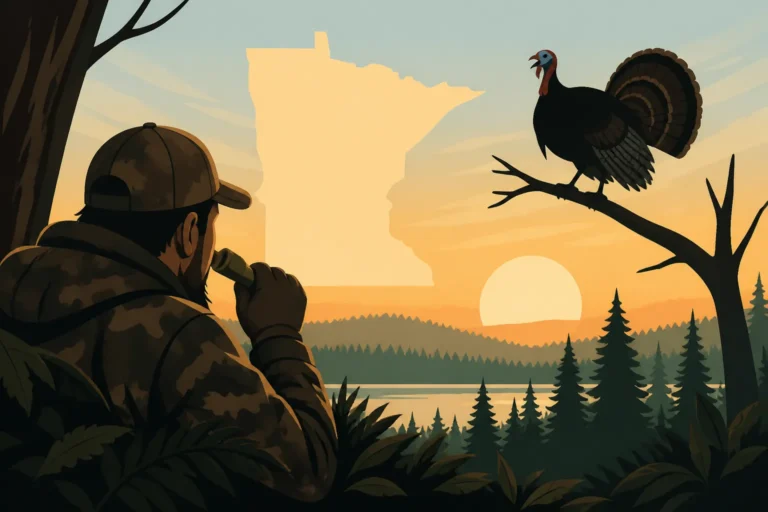
Once hidden, remain absolutely still and silent for at least 15-20 minutes. Give the birds time to calm down, realize they are truly alone, and start sending out their lost calls. When you begin calling, start softly. A few plaintive kee-kees or soft lost yelps are often all it takes. Mimic the calls you heard immediately after the flush. If you hear responses, try to pinpoint the direction and respond just enough to keep their interest, but don't overcall. You want them to come to you, believing you're another lost bird.
Patience is a virtue in this phase. Turkeys might take an hour or more to gather their courage and start making their way back. They will often approach silently, using terrain to conceal their movements, so constant vigilance is essential. If you don't hear anything after a good 30-40 minutes, you might consider moving quietly to a new location within the general area of the flush, perhaps 100-200 yards, and try calling again. This "run-and-gun" approach, similar to Run-and-Gun Turkey Tactics on Public Land, can sometimes coax out a bird that might have been out of earshot or too wary to respond to your initial setup. If you've got good mapping software like GoHunt, you can use it to identify good travel corridors or small clearings where birds might feel comfortable regrouping. Keep in mind that a single bird returning is often your best bet, as they feel the most vulnerable.
Common Mistakes and How to Avoid Them
Even with the best intentions, fall turkey hunting can throw curveballs. It's easy to get excited, impatient, or simply misinterpret the subtle cues the birds are giving you. Knowing the pitfalls can help you avoid them and increase your chances of success.
Calling Too Soon or Too Aggressively After the Flush
This is probably the most common mistake in fall turkey hunting. After the exhilarating rush of scattering a flock, many hunters grab their call immediately and start wailing away. While the urge is understandable, it can be detrimental. When turkeys first scatter, they are disoriented, yes, but also highly alert and probably still a bit panicked. If they hear loud, aggressive, or overly frequent calls right away, their natural instinct might be to stay hidden and silent, or even move further away from the source of the perceived threat. They don't want to run into more trouble; they want to cautiously find their way back to safety.
Instead, exercise extreme patience. As discussed, give them at least 15-20 minutes, sometimes even longer, to settle down. Let the initial shock wear off. Listen for their lost calls first. When you do start calling, begin with soft, plaintive kee-kees or subtle yelps. Mimic a lost, slightly timid bird, not a bold, confident one. Think about how you would feel if you were suddenly separated from your group in the woods—you'd likely be cautious and make tentative sounds, not shout. If you hear a response, respond with a similar volume and frequency. Let them dictate the pace of the conversation, drawing them closer with just enough encouragement. Overcalling can be just as bad as not calling at all, potentially scaring off wary birds who are already on high alert during Minnesota's Fall Turkey Season Rules.
Not Adapting to Different Flock Types
As we touched on earlier, not all flocks are the same, and trying a one-size-fits-all approach is a recipe for frustration. If you've flushed a large hen-and-poult flock, your best bet is usually soft kee-kees and lost yelps. Poults are incredibly vocal and desperate to rejoin their mother. They're often the first to come back and are generally less wary than older birds. You're trying to sound like a lost sibling or a concerned parent.
However, if you've scattered a group of jakes, they might respond better to slightly more aggressive jake yelps or even soft gobbler clucks, challenging them just enough to pique their curiosity. They might be drawn in by a perceived rival or another jake trying to regroup. These younger males are still figuring out their place in the pecking order, and a subtle challenge might be more effective than a plaintive lost call. Mature gobbler flocks are the toughest. They are often silent after a flush, and any calling attempt needs to be extremely subtle, rare, and might not work at all. With gobblers, setting up on a known regrouping point and simply waiting, rather than aggressive calling, is often the most productive strategy. Understanding the makeup of the flock you're hunting is vital for success, and adjusting your calls accordingly is the key to unlocking those fall turkey opportunities.
Overlooking the Importance of Setup and Concealment
It's a common story: you've successfully flushed a flock, you're hearing birds calling back, and you get excited. In the rush, you plop down next to a skinny sapling, or in plain sight against a wide, open background. This is a fatal mistake in fall turkey hunting. These birds, having just been scattered, are incredibly wary and approaching with extreme caution. Their eyesight is phenomenal, and they will be scanning their surroundings for any hint of danger.
Your setup needs to be impeccable. Find a spot that completely breaks up your outline. This means a wide tree, a dense brush pile, a thick fence line, or even a ground blind well-brushed into the cover. Think about your background – avoid sitting against an open field or a light-colored tree that makes you stand out. Consider the angle of approach; can you see them coming, and can they see you before they're in range? Utilize natural terrain features like ditches, small ridges, or creek beds to provide additional cover for their approach. Turkeys will often use these to sneak in, so be ready to intercept them.
Furthermore, stillness is paramount. Any fidgeting, glancing around too much, or sudden movements will immediately blow your cover. Practice drawing your gun or bow slowly and silently beforehand. Even a slight glint from your gun barrel or an exposed face can be enough to send a bird scurrying. If you're struggling to find good natural cover, consider bringing a small pop-up ground blind. Many hunters find them invaluable for Hunting Minnesota's Fall Turkey Season on field edges or in areas with sparse natural cover, helping you stay completely hidden while those wary birds circle and search for their lost companions.
Maximizing Your Fall Turkey Success in Minnesota
Beyond the core tactics of flushing and calling, there are several other elements that can significantly boost your odds of success during Minnesota's autumn turkey season. From scouting to understanding specific behaviors, every bit of knowledge helps.
Scouting for Fall Turkey Hotspots
Just like with deer hunting, scouting is non-negotiable for fall turkeys. You can't just stumble into a flock and expect success every time. Before the season, or even during early archery deer season, hit the woods looking for sign. Turkeys are creatures of habit, especially when it comes to food. Look for areas with abundant mast crops like oak ridges (acorns), beech trees (beechnuts), or even areas where wild cherries or berries are present. Spend time identifying agricultural fields—especially those with corn or soybeans—that are adjacent to thick timber or dense brush, as these provide both food and security.
Droppings are a clear indicator of turkey activity. Large, concentrated areas of droppings, along with scratch marks in the leaves, show where flocks are actively feeding. Dusting bowls—small, bare depressions in the dirt where turkeys "bathe" to rid themselves of parasites—are also excellent indicators of frequented areas. Another crucial piece of the puzzle is locating roosting sites. Turkeys will often roost in the same general area, typically in tall, mature timber near water. Finding these roosts gives you a starting point for the morning, allowing you to intercept them as they fly down to feed, setting up a potential flush opportunity. Using a mapping app or even a paper map from a resource like Where to Get a Minnesota Public Land Map can help you pinpoint these features and plan your approach.
Don't overlook historical data or local knowledge. Local diners, bait shops, or even online forums can sometimes offer insights into perennial turkey hotspots. Remember that Minnesota Turkey Population Trends can shift, but core areas often remain productive. Good scouting allows you to pinpoint not just where turkeys are, but what kind of turkeys are there, and how they're using the landscape—critical information for planning your flush and callback strategy.
Understanding Turkey Movements and Behavior Patterns
Fall turkeys operate on a fairly predictable schedule, largely dictated by their need for food and security. Understanding this daily rhythm can help you be in the right place at the right time. They'll typically fly down from their roosts around first light, often with a series of soft tree yelps before hitting the ground. Their first priority is usually food, so they'll head to a prime feeding area. This early morning period can be a fantastic time to intercept them on their way to breakfast, potentially setting up a flush.
After their morning meal, usually mid-morning to midday, they'll often move to a "loafing" area. This could be a dense patch of timber, a sunny hillside, or thick cover where they can rest, preen, and digest their food. This relaxed state can make them slightly less vigilant, creating another good window for a flush. As the afternoon progresses, they'll typically engage in another feeding period, often similar to their morning routine, before making their way back to a roosting site just before dark.
Weather also plays a significant role. On cold, rainy, or windy days, turkeys might be less active and more reluctant to move or vocalize. They might stick to sheltered areas or delay their morning fly-down. On clear, crisp fall days, they'll often be more active and responsive. Keep these patterns in mind as you plan your hunt. Patience and persistence are key, especially if you're hunting in challenging conditions or if the birds seem to have When Minnesota Gobblers Go Quiet. Sometimes, simply observing their patterns over a few hours can reveal the perfect opportunity for a successful flush and callback.
The Role of Decoys and Calls
While the primary tactic for fall turkeys is the flush and callback, incorporating decoys and a variety of calls can sometimes enhance your success, especially during the callback phase. For scattered birds, a simple hen or jake decoy can provide a visual target, a point of reassurance for a lonely turkey trying to regroup. A single hen decoy, or even a jake decoy placed discreetly, can act as a magnet, drawing in wary birds that might be hesitant to come to calls alone. The visual confirmation can be just enough to pull them the last few crucial yards into range.
When it comes to calls, having a diverse range is beneficial. While kee-kees and lost yelps from a mouth call or slate call are your bread and butter, don't forget the power of softer clucks and purrs. These reassuring sounds can comfort a wary bird and entice it to close the distance. An occasional "assembly yelp" from an older hen call might also be effective if you're trying to gather scattered poults, but use it sparingly as it can sometimes alert more cautious birds. Experiment with different calls and volumes based on the responses you're getting.
If you're hunting in a situation where birds have been highly pressured, or if they're particularly call-shy, sometimes the best call is no call at all. After the initial lost calls, you might just need to sit silently, letting the birds' own desire to regroup do the work. Remember that fall turkeys are often seeking reassurance and security, not a confrontation. The goal is to sound like a friendly, familiar, but slightly lost turkey, rather than an aggressive gobbler or a constantly chattering hen. This strategic use of minimal calling, combined with excellent concealment and the right decoy, can often turn a tough hunt into a successful one.
Conclusion
Fall turkey hunting in Minnesota truly offers a different kind of challenge and a different kind of satisfaction. It’s less about the booming gobble and more about the strategic flush, the patient wait, and the nuanced language of lost birds trying to find their way home. By understanding the dynamics of fall flocks, mastering the art of the scatter, and then meticulously executing the callback with the right sounds and setup, you'll be well on your way to filling your tag. So grab your calls, study your maps, and get ready to engage with these savvy birds on their own terms. The rewards of a successful fall turkey hunt are more than just a bird for the table; they're the satisfaction of outsmarting one of Minnesota's wariest game animals.
Disclaimer
Hunting is an inherently dangerous activity. Always prioritize safety, adhere to all Minnesota hunting regulations, and ensure you have proper training and equipment. The information provided in this guide is for educational and informational purposes only and should not be considered a substitute for official hunting regulations or professional guidance. Always hunt ethically and legally.