Superior and Chippewa National Forest Hunting
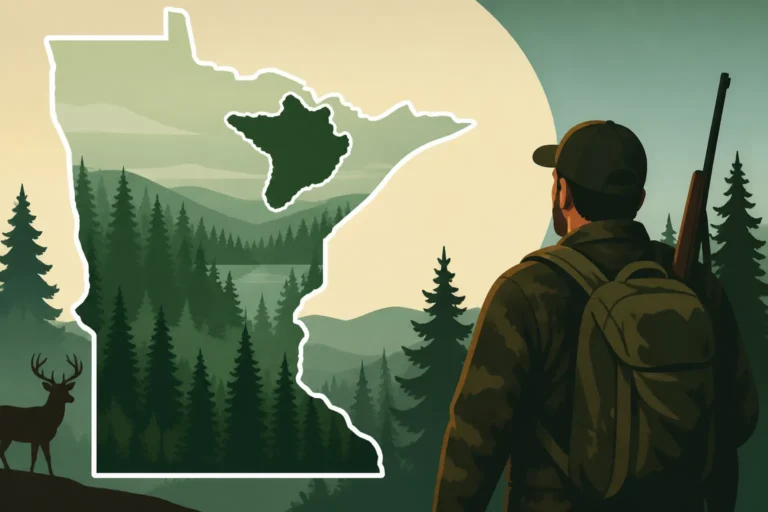
It’s easy to feel overwhelmed when you look at a map of Minnesota and see those massive green swaths indicating the Superior and Chippewa National Forests. For many hunters, especially those used to smaller state forests or wildlife management areas, the sheer scale of these federal lands can be intimidating, leading to questions about where to even begin. This guide is here to break down the vastness, offer practical advice, and help you unlock the incredible hunting opportunities within these iconic Minnesota landscapes.
Understanding Minnesota's National Forests for Hunting
Minnesota is blessed with incredible public lands, and among the grandest are our national forests: the Superior and the Chippewa. These aren't just big tracts of trees; they are living, breathing ecosystems managed for multiple uses, including timber, recreation, and, crucially for us, hunting. They offer a truly wild experience, a stark contrast to some of the more intensely managed state lands, and understanding their unique character is the first step to a successful hunt.
The Landscape of Superior and Chippewa
The Superior National Forest, stretching across northeastern Minnesota, is a realm of rugged beauty. We're talking about millions of acres dominated by boreal forest — spruce, fir, aspen, and birch clinging to rocky ridges and surrounding countless lakes, including the famed Boundary Waters Canoe Area Wilderness (BWCAW). This is a land shaped by ancient glaciers, with granite outcrops, deep woods, and a feel of true wilderness that can be hard to find elsewhere. It’s where you truly feel small against the backdrop of nature. The terrain can be challenging, with elevation changes, thick underbrush, and plenty of water features to navigate, but it’s also incredibly rewarding for those willing to put in the effort.
Heading west and south, the Chippewa National Forest presents a somewhat different picture. While still expansive, it's generally less rugged than the Superior. Here, you'll find a blend of northern hardwoods (oak, maple), mixed conifers, and extensive aspen stands. It's often characterized by rolling hills, numerous lakes (like the legendary Leech Lake), and a more diverse mosaic of habitats. This variety can translate into different hunting experiences, with opportunities not just in dense timber but also along lake edges and in transitional zones between forest types. It still offers a significant wilderness feel, but perhaps with a slightly gentler introduction for those less accustomed to the deep northwoods.
Why National Forests Are Different from WMAs or State Forests
If you've spent most of your time on Wildlife Management Areas (WMAs) or State Forests, you might notice some key differences in the National Forests. WMAs, for instance, are often managed with a primary focus on wildlife habitat, sometimes featuring food plots, specific timber rotations, or enhanced access for hunters. State Forests also offer great hunting, but their scale is generally smaller, and they might have more developed road systems.
National Forests operate under a broader mandate. While wildlife is a crucial component, they also balance timber production, recreation (camping, hiking, fishing), and preservation. This means you might encounter active logging operations, which can create fantastic deer habitat but also temporary access issues. Road systems can be extensive but might also be less maintained or seasonally gated, requiring a different approach to scouting and access. The sheer size, though, is the biggest differentiator. The vastness means less hunting pressure in many areas if you're willing to walk, offering a more solitary hunting experience. It also means you need to be far more self-reliant and prepared for extended periods away from immediate assistance.
General Hunting Opportunities Available
Both the Superior and Chippewa National Forests are teeming with diverse wildlife, making them fantastic destinations for a variety of hunting pursuits. While white-tailed deer are often the main draw, the forests offer much more. Black bears roam these woods, particularly in the northern reaches, offering a challenging big game hunt. Upland birds like ruffed grouse and woodcock thrive in the aspen and alder regeneration, providing fast-paced action. Small game such as squirrels and rabbits are abundant, and predators like coyotes are present across both landscapes. While moose are present in the Superior National Forest, hunting is not currently permitted in Minnesota for this species. This diversity means you can tailor your hunting experience from a multi-day backcountry deer hunt to a day trip chasing grouse with a bird dog.
Accessing the Deep Woods: Roads, Trails, and Entry Points
Getting into the heart of the national forests is often the biggest hurdle for new hunters. These aren't places with paved roads every mile. Access can range from well-maintained gravel roads to barely-there two-tracks, and sometimes, no motorized access at all. Understanding the lay of the land, and how to use modern tools, is absolutely essential for a successful and safe trip.
Navigating Forest Roads and Gating Policies
The U.S. Forest Service maintains an extensive network of roads within both the Superior and Chippewa National Forests. Many of these are gravel and suitable for most vehicles, but conditions can vary wildly, especially after heavy rains or during spring thaw. You'll find main arteries that cut through large sections of the forest, but also countless smaller spur roads and old logging trails. A critical aspect of national forest hunting is understanding gating policies. Many roads, particularly those leading to sensitive areas, interior sections, or recently logged tracts, are gated and closed to motorized public access. These gates might be seasonal, opening only for a certain period, or permanently closed.
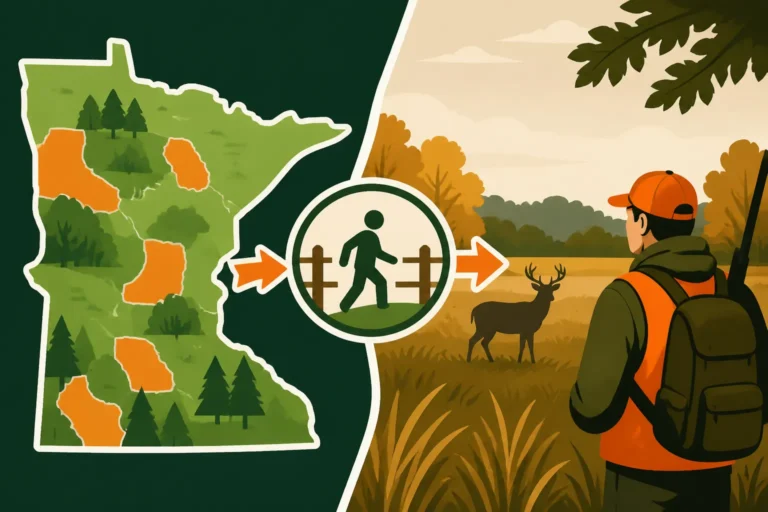
This isn't necessarily a bad thing for hunters. Gated roads often mean less human pressure beyond the gate, creating sanctuaries for wildlife and offering fantastic walk-in hunting opportunities. However, it requires you to scout thoroughly and know where you can legally drive and park. Always assume that if a road looks less traveled, it might be gated. Always have a backup plan, and be prepared to put some miles on your boots.
The Role of Non-Motorized Access
For many seasoned national forest hunters, non-motorized access is the key to success. This means lacing up your boots, hopping on a mountain bike, or even launching a canoe. The vastness of these forests truly opens up once you're willing to leave the vehicle behind. Hiking in on gated logging roads, following old skid trails, or navigating by compass and map through the timber allows you to reach areas that see little to no human pressure.
In the Superior National Forest, especially around the edges of the Boundary Waters, canoe access becomes a primary method. Imagine paddling silently into an untouched bay, then still-hunting the shoreline for deer. Canoe Hunting Boundary Waters Deer and Grouse is a completely different experience. For grouse hunters, hiking old logging roads or lesser-used ATV trails can lead to excellent popple and alder cover, perfect for flushing birds. Grouse Hunting Minnesota Aspen Cover often means getting away from the main thoroughfares. Embrace the idea that the best hunting is often a mile or more from the nearest accessible road.
Leveraging Technology for Access
In an environment as vast and sometimes confusing as a national forest, modern mapping technology is not just helpful, it's almost essential. Tools like onX Hunt and GoHunt have revolutionized how hunters approach public lands. These apps, typically used on smartphones or dedicated GPS units, provide incredibly detailed satellite imagery, topographic maps, and crucially, land ownership data. You can see public and private land boundaries, forest road networks, walking trails, and even approximate stand locations from previous hunts.
Before you even leave home, you can use these apps to digitally scout. Look for logging cuts (often visible as lighter green patches on satellite imagery), natural funnels, ridges, and transitions in habitat. Identifying potential access points, whether paved roads, gravel roads, or gated two-tracks, becomes much easier. You can drop pins for potential parking spots, mark trails, and plan your entry and exit routes. This significantly reduces guesswork and allows you to optimize your time on the ground. Scouting With the Minnesota Recreation Compass App is another excellent resource, offering official state data that complements these third-party applications. Being able to see onX Layers for Minnesota Land Status can prevent accidental trespassing and maximize your time on legal hunting ground. These tools are invaluable for navigating the complex patchwork of federal, state, and private lands, giving you confidence even in the deepest woods.
Deer Hunting Strategies in the National Forest Environment
Hunting deer in the expansive national forests is a different beast than pursuing them in agricultural areas or smaller woodlots. The sheer scale, dense cover, and often lower deer densities mean you need to adapt your strategies and be prepared to work for your opportunities.
Still-Hunting and Tracking Tactics
In the vast timber of the Superior and Chippewa National Forests, still-hunting is often a highly effective strategy, especially during the firearm seasons. Instead of sitting and waiting, you become an active participant, slowly moving through the woods, stopping frequently to observe, listen, and scan. This method works well in areas where deer densities might be lower, or where deer movement is less predictable than, say, along a food plot edge. Focus on terrain features like subtle ridges, benches, creek bottoms, or the edges of thick cover. Pay attention to the wind and thermals, moving into the wind or crosswind, always being mindful of your scent. Still-Hunting Minnesota Big Woods demands patience and keen observation skills.
If there's fresh snow, tracking can be a deadly tactic. The vastness of the national forest gives deer plenty of room to roam, and a fresh set of tracks can lead you directly to a feeding or bedding area. Look for large, deliberate tracks, especially those that show a buck's wider gait or drag marks from heavy antlers. Follow them slowly, watching for changes in the track pattern that might indicate the deer has stopped or is about to bed down. Be ready for a shot at any moment. Tracking is a skill developed over time, but the payoff in these big woods can be immense.
Treestand and Ground Blind Considerations
While still-hunting is popular, treestands and ground blinds certainly have their place, particularly in areas where you've identified consistent deer sign or travel corridors during scouting. The key is strategic placement. Look for natural funnels – pinched points between swamps, along ridges, or where different timber types converge. Old logging roads, especially those that are overgrown or gated, can serve as excellent travel routes for deer and can be prime locations for stands. Consider Hanging a Stand on a Big Woods Funnel or Setting Up on a Clear-Cut Edge.
When using treestands, remember the rules for public land. Most national forests allow portable stands, but they often must be removed at the end of the season. Always use a safety harness and lifeline. Ground blinds can be effective, especially if you want to avoid silhouetting yourself against the sky or if you're hunting with a youth. Brush in your blind well, ensuring it blends seamlessly with the surroundings. Treestand Rules on Minnesota Public Land and Ground Blind Rules on Minnesota WMAs are important to review, as similar principles often apply to national forests, though specific regulations might vary slightly by district. Pay attention to how deer might approach from downwind, and set up accordingly.
Understanding Deer Movement in Vast Timber
Deer in the national forests often behave differently than their farmland counterparts. They tend to be more spread out, less habituated to human presence, and their movements are dictated more by natural food sources, thick cover, and terrain rather than distinct field edges or food plots. Key factors to consider:
- Food Sources: Rather than standing corn, deer will be focused on acorns (especially in the Chippewa's oak stands), browse (young aspen, maple, dogwood), conifer needles in winter, and any available mast crops. Hunting After a Poor Acorn Year will drastically change where you find deer.
- Bedding Areas: Big woods bucks often bed in the thickest cover available – dense spruce and fir swamps, blowdowns, or on points and ridges that offer them a good vantage point to detect danger. Look for Where Big Woods Bucks Bed in Minnesota.
- Travel Corridors: Deer will use natural "highways" like old logging roads, creek bottoms, ridge lines, or the edges of dense swamps to travel between bedding and feeding areas. These aren't always obvious and require careful scouting on foot.
- Hunting Pressure: While less overall pressure than some other public lands, deer can still become incredibly wary once the season starts. If you're encountering other hunters, don't be afraid to walk further or deeper into the woods, or to find ground that others simply walk past. Finding Ground Others Walk Past is often the key to success.
Beyond Whitetails: Other Game in the National Forests
While deer hunting often takes center stage, the Superior and Chippewa National Forests offer a wealth of opportunities for pursuing other game species. Expanding your horizons can lead to incredibly rewarding experiences and extend your time afield.
Grouse and Woodcock Hunting in Aspen and Alder
If you love upland bird hunting, these national forests are a dream come true, especially for ruffed grouse and woodcock. Both species thrive in early successional forest habitats, which are abundant due to timber harvesting and natural disturbances like fires. Look for young aspen stands, especially those 5-20 years old, or thick alder swamps along creek bottoms and moist areas. These provide the dense cover and abundant food sources (like catkins, buds, and insects) that these birds crave.
Walking old logging roads, overgrown two-tracks, or designated walking trails through these habitats is a classic method. A good bird dog is an incredible asset for finding and retrieving downed birds, but plenty of hunters find success flushing grouse without a canine companion. Grouse Hunting Minnesota Aspen Cover is a prime example of where to focus your efforts. For woodcock, specifically target wetter areas, like alder runs along small streams or swamp edges, particularly during their fall migration. Finding Woodcock in Alder Runs often requires walking through very thick, wet cover, so appropriate footwear is a must. The fast-flushing nature of these birds makes for exciting and challenging wing-shooting.
Bear Hunting Opportunities
The Superior and Chippewa National Forests lie within Minnesota's traditional black bear range, offering significant opportunities for bear hunters. Bear hunting in these areas can be done via baiting (within designated permit areas) or by spot-and-stalk/still-hunting.
Baiting is a popular and often effective method, but it requires substantial time and commitment to establish and maintain a bait site. This means repeated trips into the forest to refresh bait, scout for bear activity, and set up your stand. Understanding the regulations around Building and Freshening a Minnesota Bear Bait and Minnesota Bear Bait Registration Rules is crucial. Choosing a remote, undisturbed location within a permit area, away from heavy human traffic, is key to success.
For those seeking a more challenging experience, still-hunting or spot-and-stalk bear hunting is an option. This requires extensive knowledge of bear habits, food sources (like berry patches in late summer or acorn flats in the Chippewa), and a keen eye for fresh sign. The vastness of the national forests provides ideal habitat for bears to roam undisturbed, and a chance encounter with a bruin in its natural element is an unforgettable experience. However, this method requires patience, stealth, and often a lot of miles covered.
Small Game and Predator Hunting
Don't overlook the abundance of smaller game animals and predators in the national forests. Squirrels (gray and fox) are plentiful, especially in the oak stands of the Chippewa National Forest. They offer a great opportunity to introduce new hunters to the sport or to simply enjoy a quiet day in the woods. Squirrel Hunting a Minnesota Oak Ridge can be a surprisingly engaging way to spend a morning. Rabbits and snowshoe hares are also found, with snowshoe hares particularly common in the thick conifer and young aspen stands of the northern forests, providing fun hunting in the winter months. Rabbit and Hare Hunting in Minnesota can be an exciting way to get out after deer season.
For hunters interested in predators, coyotes are found throughout both national forests. Calling coyotes can be a thrilling experience, especially during the colder months when their fur is prime. The vast, often remote nature of these forests means there's less pressure on coyotes, potentially leading to more responsive animals. Just be sure to check specific regulations regarding night hunting and firearm restrictions if applicable.
| National Forest Comparison | Superior National Forest | Chippewa National Forest |
|---|---|---|
| Primary Location | Northeastern MN (Lake, Cook, St. Louis counties) | North-central MN (Cass, Itasca, Beltrami counties) |
| Approximate Size | ~3 million acres (including BWCAW) | ~667,000 acres |
| Dominant Landscape | Rugged Boreal forest, rocky terrain, countless lakes, BWCAW | Rolling hills, mixed hardwoods/conifers, many large lakes (e.g., Leech Lake) |
| Key Tree Species | Spruce, Fir, Aspen, Birch, Pine | Aspen, Birch, Oak, Maple, Pine, Spruce |
| Hunting Vibe | Remote wilderness, challenging terrain, solitary | Diverse habitat, somewhat gentler terrain, more access, good mix of solitude and accessibility |
| Commonly Hunted Species | Deer, Bear, Grouse, Woodcock, Small Game | Deer, Bear, Grouse, Woodcock, Pheasant (edges), Small Game, Waterfowl (lakes) |
| Special Considerations | BWCAW rules, wolf presence, extreme remoteness | Pressure around popular lakes, understanding diverse habitat zones |
Essential Navigation and Safety for National Forest Hunters
The vastness and often remote nature of the Superior and Chippewa National Forests mean that preparedness, especially regarding navigation and safety, isn't just a good idea—it's absolutely critical. Getting lost or facing an emergency far from help can turn a great hunt into a dangerous situation quickly.
Map and GPS Reliance
Never, ever venture deep into a national forest without reliable navigation tools, and always have a backup. A physical map (US Forest Service maps are excellent) and a compass are indispensable. Learn how to use them proficiently. Even with modern technology, batteries die, screens break, and signals drop. Knowing how to orient yourself with a map and compass is a fundamental skill for any big woods hunter.
For primary navigation, modern GPS units or smartphone apps like onX Hunt and GoHunt are incredibly powerful. Download offline maps of your hunting area before you lose cell service, which is common in many parts of both forests. These apps allow you to mark your vehicle, your stand locations, game sightings, and potential escape routes. They track your movement, showing you exactly where you've been, which is invaluable for finding your way back to your vehicle in dense cover or after dark. Reading Aerial Photos for Big Woods Deer in these apps can reveal subtle terrain features, clear cuts, or swamp edges that you might miss on the ground, helping you plan your movements effectively. Don't just rely on the dot on the screen; understand the terrain around you.
Emergency Preparedness and Communication
Because you might be hours from the nearest town or cell signal, emergency preparedness is paramount. Always tell someone exactly where you're going and when you expect to return. Pack a small emergency kit that includes:
- First-aid supplies: For cuts, blisters, and other common injuries.
- Fire starter: Waterproof matches, lighter, or ferro rod.
- Shelter: A lightweight tarp or emergency blanket.
- Extra food and water: Or a water filter.
- Signaling device: A whistle is simple and effective.
- Headlamp or flashlight: Even if you plan to be out before dark, things happen.
Cell phone service is often nonexistent in the interior of these forests. Consider carrying a satellite communication device, such as a Garmin inReach or a Zoleo. These devices allow you to send and receive text messages and, more importantly, trigger an SOS call to emergency services even without cell signal. This can be a lifesaver if you get injured or lost. Ensure you have fresh batteries for all electronics and consider a portable power bank.
Blaze Orange Requirements and Visibility
Safety also means being seen by other hunters. Minnesota has specific blaze orange (or blaze pink) requirements during certain firearm seasons. For deer firearm seasons, you generally must wear outer clothing above the waist that is brightly colored. The specific amount required can vary, but generally, a hat and vest are minimums. Even during archery or muzzleloader seasons, where blaze orange isn't always legally mandated (check regulations for specifics), it's a very smart idea, especially on public land.
In the national forests, with their dense cover and varying terrain, visibility is key. Blaze Orange Requirements are designed to prevent accidental shootings. Don't just meet the minimum; wear as much visible color as practically possible. This is particularly important if you're still-hunting or moving through thick timber where another hunter might not expect you. Communicate with your hunting partners, if you have them, about your movements and locations. The goal is to maximize your visibility and reduce any risk of being mistaken for game, ensuring everyone has a safe hunt.
Camping and Lodging: Making Your Hunt a Home Away From Home
Hunting in the national forests often means multi-day excursions, and where you lay your head at night can significantly impact your hunting experience. Whether you prefer a rustic tent camp or a cozy cabin, there are options to suit different styles, all while emphasizing responsible use of these cherished lands.
Dispersed Camping and Designated Campsites
One of the great freedoms of national forest land is the opportunity for dispersed camping. This means you can often set up camp almost anywhere, as long as you are following general guidelines (e.g., away from water sources, existing structures, and main roads). Dispersed camping offers unparalleled solitude and the flexibility to camp close to your hunting grounds, cutting down on travel time each morning and evening. Imagine waking up to the sounds of the forest, right where you plan to start your hunt. This is particularly appealing for backcountry hunters or those looking to minimize their footprint.
However, dispersed camping comes with responsibilities. Practice strict Leave No Trace principles: pack out everything you pack in, minimize your impact on vegetation, and properly dispose of human waste. In some popular areas or near certain lakes, there might be restrictions or designated sites only. Always check with the local US Forest Service Ranger District for specific rules in the area you plan to hunt.
For those who prefer a few more amenities, both the Superior and Chippewa National Forests offer numerous developed campgrounds. These sites typically have designated spots, fire rings, picnic tables, and often vault toilets and potable water. While they offer less solitude than dispersed camping, they provide a comfortable base camp, especially if you're hunting with a family or prefer easier access to facilities. Reserving a spot in advance, especially during peak hunting seasons, is often a good idea. Camping on Minnesota Public Hunting Land provides a general overview, and these principles apply directly to the national forests.
Nearby Lodging and Cabin Rentals
If sleeping in a tent isn't your idea of a comfortable hunt, or if you prefer a warm place to dry gear and cook a hot meal, there are usually towns and resorts on the fringes of both national forests that offer lodging. Towns like Ely, Grand Marais, and Grand Rapids serve as gateways to the Superior, while Walker, Park Rapids, and Bemidji are good bases for the Chippewa. These communities often have hotels, motels, and even cabin rentals that cater to outdoor enthusiasts.
Renting a cabin can be an excellent option for a hunting camp, especially if you're hunting with a group. It provides a comfortable base, a place to process game (with proper facilities), and a warm, dry retreat after a long day in the woods. While it means more driving to and from your hunting spots, the comfort can be a welcome trade-off, particularly during late-season hunts when temperatures drop. Many of these establishments are used to catering to hunters and can offer local advice or services.
Minimizing Impact: Leave No Trace Principles
Regardless of your camping or lodging choice, embodying Leave No Trace principles is crucial when hunting in our national forests. These areas are wild and precious, and it's our responsibility as hunters to ensure they remain that way for future generations.
- Plan Ahead and Prepare: Know the rules, pack appropriately, and anticipate challenges.
- Travel and Camp on Durable Surfaces: Stick to existing roads and trails. If dispersed camping, choose a site away from water and vegetation.
- Dispose of Waste Properly: Pack it in, pack it out. This includes all trash, spent casings, and even gut piles if regulations require it or if you're close to a high-traffic area. Bury human waste properly.
- Leave What You Find: Don't disturb historical sites, cultural artifacts, or natural features.
- Minimize Campfire Impacts: Use established fire rings, keep fires small, and ensure they are completely extinguished.
- Respect Wildlife: Observe from a distance, don't feed animals, and store food properly to prevent attracting bears and other critters.
- Be Considerate of Other Visitors: Share trails, keep noise levels down, and respect other users' rights to enjoy the forest.
By adhering to these principles, we help preserve the wild character of these national treasures, ensuring they remain prime hunting grounds for decades to come.
Navigating Regulations and Ethical Considerations
Hunting in federal lands like the national forests comes with a specific set of rules and a strong ethical imperative. While state hunting regulations generally apply, there are often additional considerations specific to the US Forest Service. Understanding these nuances and upholding high ethical standards protects the resource and ensures the future of hunting.
Specific Rules for National Forest Hunting
While the general hunting seasons, bag limits, and licensing requirements (e.g., Minnesota Hunting Licenses and What They Cost) are set by the Minnesota DNR, the US Forest Service often has its own set of rules regarding public conduct, vehicle use, and certain activities within national forest boundaries.
Key regulations to be aware of include:
- Vehicle Access: As mentioned, many forest roads are gated or have seasonal restrictions. Respect these closures. Driving off designated roads is generally prohibited. Always check with the local Ranger District for current road conditions and access rules.
- Treestands and Ground Blinds: While portable stands are generally allowed, they often must be clearly marked with your name and address (or DNR number) and removed at the end of the hunting season. Permanent stands or those that damage trees are typically prohibited. Treestand Rules on Minnesota Public Land gives a good overview of similar state-level rules that generally apply.
- Baiting: If you are bear hunting, ensure you are within a designated bear permit area that allows baiting, and strictly adhere to all baiting regulations, including registration and removal requirements.
- Carcass Disposal: While generally permitted to field dress deer on site, be mindful of where you leave entrails, especially near roads, trails, or developed recreation areas. In CWD zones, specific rules for carcass movement may apply.
- Firewood: Collection of dead and down firewood for personal use at your campsite is usually allowed, but check for any restrictions or permit requirements.
- Target Shooting: While often permitted, target shooting generally has specific rules about distances from roads, trails, and campsites, and prohibits shooting at natural features.
Always consult the Minnesota DNR hunting regulations booklet and, ideally, contact the specific US Forest Service Ranger District in your hunting area for the most up-to-date and localized rules.
Carcass Movement and CWD Awareness
Chronic Wasting Disease (CWD) is a serious concern for Minnesota's deer herd, and understanding carcass movement restrictions is vital, particularly when hunting in national forests that might overlap CWD surveillance or management zones. The DNR implements regulations on what parts of a deer can be moved out of a CWD zone to help prevent the spread of the disease.
Generally, only deboned meat, skull caps (cleaned of all brain tissue), hides, and antlers are allowed to be transported out of CWD zones. This means if you harvest a deer in one of these areas, you'll need to be prepared to do more extensive field dressing or processing on site. Be aware of Minnesota Carcass Movement Restrictions and know which specific permit areas fall under CWD management. This knowledge can influence where you choose to hunt and how you plan to handle your harvest. Being proactive protects our deer herd and ensures hunting opportunities for the future.
The Importance of Respecting Other Users
The national forests are multi-use lands. This means hunters will share the woods with hikers, birdwatchers, campers, ATV riders, and other outdoor enthusiasts. Respectful behavior ensures a positive experience for everyone and helps maintain public support for hunting.
- Visibility: Especially during firearm seasons, wear your blaze orange. It's a matter of safety and also clearly signals to other users that you are a hunter, allowing them to take appropriate precautions.
- Noise: Be mindful of excessive noise, particularly near developed campgrounds or popular trails. While calling for game is part of hunting, gratuitous noise disrupts the peace for others.
- Right-of-Way: If you encounter hikers or other non-hunters on a trail, give them space and a friendly nod. You are an ambassador for the hunting community.
- Leave No Trace: Beyond environmental considerations, this also extends to leaving behind no evidence of your hunt that could disturb others, such as gut piles too close to a trail or litter.
- Share Information: If someone asks about your hunting, be polite and informative, but avoid disclosing sensitive information like specific hunting spots.
By acting as responsible and ethical stewards of the land, we ensure that national forests remain a welcoming place for all users, including hunters. The incredible scale and wild beauty of the Superior and Chippewa National Forests offer unparalleled hunting adventures, but they demand respect, preparedness, and a deep understanding of their unique character. Heading into these vast woods is more than just a hunt; it's an immersive experience in the heart of Minnesota's wilderness.
Disclaimer
This article is for general informational purposes only and does not constitute professional advice. Laws, prices and regulations vary by location and change over time. Consult a qualified professional for guidance on your specific situation.