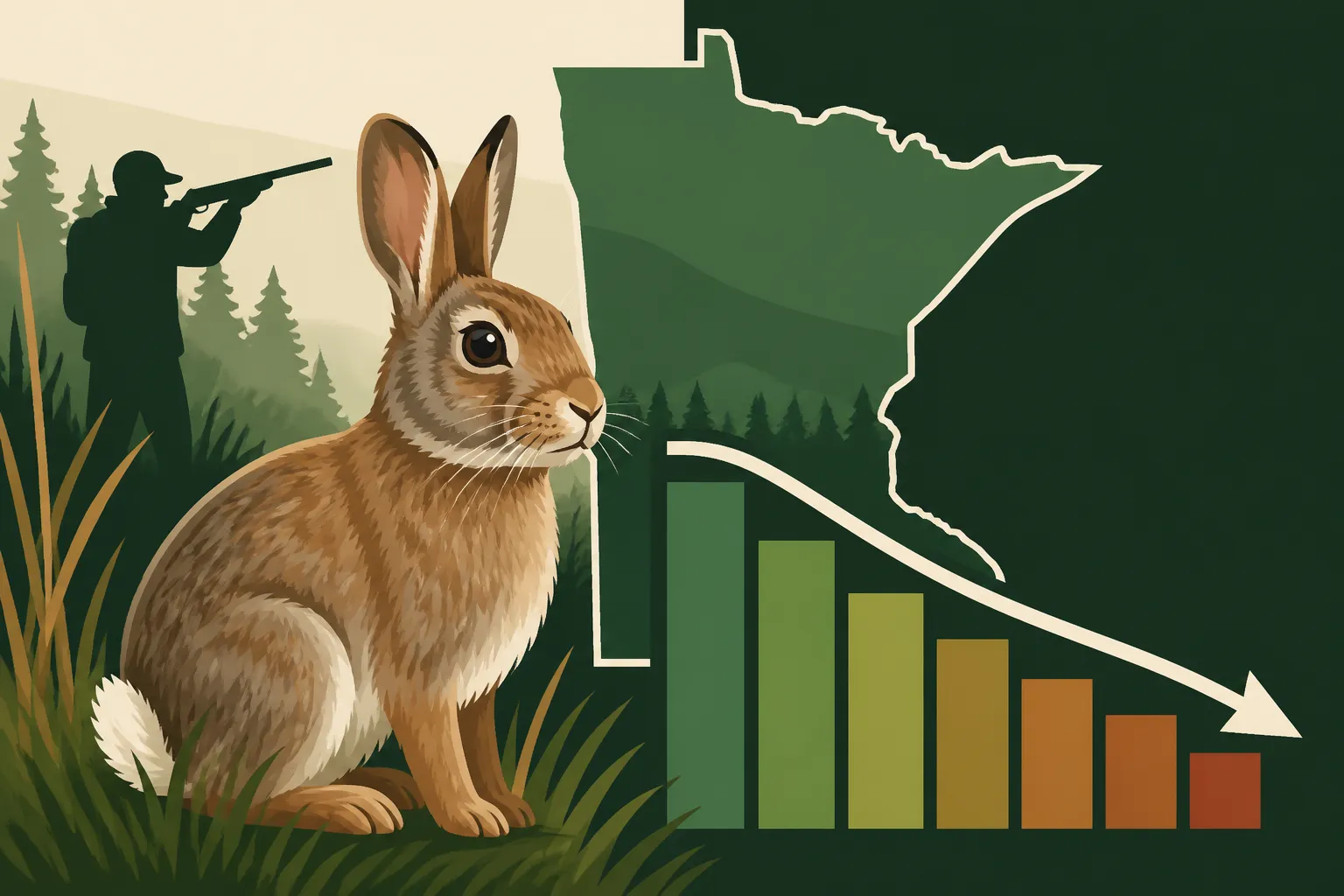
Minnesota Cottontail Population Trend
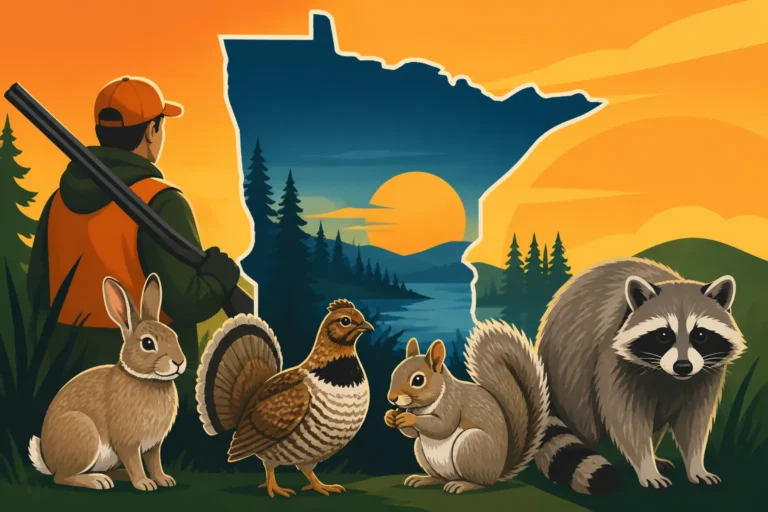
For many of us who love chasing small game, the thought of a good rabbit hunt brings back memories of brisk autumn mornings, beagles baying, and the thrill of a quick shot in thick cover. But it often feels like one year the cottontails are everywhere, and the next, you're walking miles just to jump a single bunny. This can be incredibly frustrating when you've carved out time for a hunt. This guide aims to shed some light on the Minnesota cottontail population trend, exploring the real factors behind these fluctuations and how you can still find success in the field, even when numbers seem low.
Understanding the Ups and Downs of Minnesota Cottontails
The world of small game, especially cottontail rabbits, is one of constant ebb and flow. Hunters often notice these changes profoundly because rabbits are such a visible and accessible species. What might seem like a sudden disappearance or explosion of bunnies is usually the result of several interconnected environmental factors working behind the scenes. It's a complex picture, but understanding these dynamics can make you a more informed and adaptable hunter.
The Nature of Rabbit Population Cycles
Cottontail rabbits are, by nature, a boom-and-bust species. They're like nature's fast-food; they reproduce incredibly quickly, often having multiple litters a year with several kits per litter. This allows their populations to rebound rapidly from setbacks. If conditions are good – plenty of food, adequate cover, and mild weather – you can see an explosion in numbers in just a year or two. This is why some seasons feel like rabbits are under every brush pile.
However, this rapid reproduction also means they're very susceptible to crashes. Overpopulation can lead to increased competition for food and cover, making them more vulnerable. Plus, their high reproductive rate is a survival mechanism; nature counts on a large percentage of rabbits not making it. This is a tough reality, but it's part of what makes them a resilient species over the long haul. So, when numbers seem low, remember they have the biological machinery to bounce back.
Habitat and Land Use Changes
Habitat is arguably the single most important factor for any wildlife species, and cottontails are no exception. They thrive in what we often call "edge" habitat: where woods meet fields, overgrown fencerows, old farmsteads, and brushy transition zones. Unfortunately, land use in Minnesota is constantly evolving. Agricultural practices often involve larger, cleaner fields with fewer fencerows or brushy corners. Suburban sprawl encroaches on prime rural habitat, and even natural succession can turn ideal young, brushy cover into mature timber that's less suitable for rabbits.
Think about an old abandoned farm field that starts growing up with small trees and brambles. For a few years, it's rabbit heaven. But as those trees mature and form a closed canopy, the undergrowth dies back, and suddenly, that same spot becomes less productive. Understanding these shifts in habitat, both natural and human-driven, is crucial for predicting where rabbits might be concentrated, regardless of the broader population trend. This kind of observation is a skill that only comes with time in the field and paying attention to Reading Aerial Photos for Big Woods Deer and other species too.
Predation and Disease Pressure
It's a tough world out there for a cottontail, and they are a vital food source for a host of predators. Coyotes, foxes, bobcats, owls, and hawks all rely on rabbits as a significant part of their diet. When rabbit numbers are high, predator populations often follow suit, as there's plenty of food to go around. This natural predator-prey cycle is a key mechanism that helps regulate rabbit populations, preventing them from completely overrunning an area and then crashing even harder.
Beyond predators, diseases can also sweep through rabbit populations, sometimes with devastating effects. Diseases like tularemia or external parasites can weaken animals, making them more susceptible to predation or simply reducing their overall health and reproductive success. These disease outbreaks can be localized or more widespread, contributing to those years where rabbits just seem scarce, despite good habitat. It's a natural, albeit sometimes harsh, way the ecosystem maintains balance.
Key Factors Influencing Local Cottontail Trends
While broad strokes like habitat and predator cycles certainly influence cottontail numbers across the state, there are more localized and immediate factors that can dictate whether a particular woodlot or fencerow is full of bunnies or eerily quiet. For the hunter on the ground, paying attention to these nuances can be the difference between a frustrating bust and a successful day in the field.
The Impact of Weather and Winter Severity
Minnesota winters are no joke, and they play a huge role in cottontail survival. Deep, persistent snow can be a double-edged sword. On one hand, it can offer a layer of insulation from extreme cold and, if it's soft enough, provide escape cover from predators. But too much snow, especially crusty or icy layers, makes it incredibly difficult for rabbits to move, find food, and escape. They expend more energy, become more vulnerable to predators because they can't burrow or run as effectively, and can struggle to access essential browse.
Prolonged periods of extreme cold can also take a heavy toll. Even with good cover, the metabolic demands of staying warm can be too much if food is scarce. Conversely, mild winters with less snow can allow more rabbits to survive, leading to a bump in numbers come spring. Likewise, spring and summer weather conditions like extreme rainfall during nesting periods can affect the survival of young kits, influencing the population you see in the fall and winter.
Food Availability and Cover Density
A rabbit's life pretty much revolves around eating and hiding, so the availability of food and the density of protective cover are paramount. Cottontails are herbivores, browsing on a wide variety of plants, twigs, and bark, especially in winter. Areas with a diverse mix of low-growing vegetation, briars, and young woody stems provide both sustenance and security. If an area lacks this diversity, or if a drought diminishes food sources, populations will suffer.
Crucially, this food must be near dense cover. Rabbits need thick brush piles, downed timber, dense thorny thickets, and even old building foundations to escape predators and harsh weather. Think of it as a rabbit's supermarket and fortress rolled into one. Without adequate escape cover immediately adjacent to feeding areas, even abundant food won't support a thriving population. You'll often find rabbits concentrated in these narrow bands of prime real estate. When scouting, I always use my GoHunt app to zoom in on aerial imagery and identify these thick, brushy areas, especially along field edges or near old structures. It's an invaluable tool for finding potential rabbit havens.
Human Disturbance and Hunting Pressure
While rabbits are prolific, and their populations are primarily driven by habitat, weather, and predation, human disturbance and hunting pressure can certainly have a localized impact. In areas with extremely high hunting pressure, especially small, easily accessible public lands near population centers, rabbit numbers might be kept lower. However, rabbits are also incredibly resilient and adaptable to human presence, often thriving in suburban green spaces or agricultural fringes close to human activity.
For most of Minnesota's vast hunting areas, particularly when you're looking at something like Hunting Small Private Tracts in Minnesota or even large chunks of public ground, hunting pressure is likely a less significant factor than habitat and weather. The sheer reproductive capacity of cottontails means that as long as good habitat exists, they can often bounce back quickly. What hunting pressure often does is make the rabbits you do find much warier, forcing you to adjust your tactics, perhaps by Using a Ground Blind on Minnesota Public Land more often.
| Factor | Impact on Cottontail Populations | Hunter's Takeaway |
|---|---|---|
| Habitat Diversity | Direct correlation; good edge, food, and cover = higher numbers. | Focus on diverse cover (brush, briars, tall grass, thickets). |
| Winter Severity | Harsh, deep snow/cold lowers survival. Mild winters boost numbers. | Late season, target areas with food still accessible above snow. |
| Predation Levels | Natural control, high predator numbers can reduce rabbits. | Hunt thicker cover where rabbits have better escape options. |
| Disease Outbreaks | Can cause rapid, localized declines. | Not much to do, but explains sudden disappearances. |
| Food Availability | Essential for survival and reproduction. | Look for areas with ample browse, especially in winter. |
| Cover Density | Crucial for escaping predators and weather. | Prioritize dense, thorny cover adjacent to food sources. |
| Human Disturbance | Can make rabbits warier, localized impact on numbers. | Hunt quieter spots, or adjust tactics for pressured areas. |
Where to Find Cottontails in Minnesota Despite Trends
Even when statewide trends indicate lower populations, or if you're just not seeing the numbers you'd expect, there are always pockets where cottontails thrive. The key is to shift your focus from hoping for widespread abundance to meticulously scouting and understanding the micro-habitats that still offer everything a rabbit needs to survive. This means being a bit more strategic about your efforts.
Identifying Prime Cottontail Habitat
Cottontails are creatures of dense cover. Forget open woods or vast, clean fields. You're looking for tangled messes. Think brush piles, whether natural or man-made, that offer overhead protection and escape routes. Look for old field edges that have grown up into a wall of briars, sumac, and young cedars. Abandoned farmsteads with crumbling foundations, old machinery, and overgrown gardens are absolute gold mines. These spots provide both cover and food in close proximity.
Another fantastic option is the transition zone where a swampy area or cattail slough meets higher ground and brush. The edge of a Hunting a Funnel Between Two Sloughs can be incredibly productive for rabbits, not just deer. These linear features provide a travel corridor and security. Even in suburban areas, large parks with thickets, creek beds, and overgrown edges can hold surprising numbers of rabbits. The common thread is always dense, impenetrable cover that makes life difficult for predators and easy for rabbits.
Scouting Strategies for Productative Areas
Pre-season scouting for rabbits isn't as intense as deer hunting, but it's just as important. Instead of looking for scrapes or rubs, you're looking for fresh droppings, small tracks in the mud or light snow, and areas with obvious signs of browsing on low vegetation. During the season, if you jump a rabbit, pay close attention to the specific type of cover it came out of and where it ran. That tells you what they're using in that area.
Mapping tools are incredibly valuable here. Apps like GoHunt allow you to pore over aerial imagery, identifying those distinct lines of brush, shelterbelts, old building outlines, or dense riparian corridors that scream "rabbit habitat." You can mark these potential hot spots and then go check them on foot. This saves you a lot of aimless walking and helps you focus your efforts. Look for changes in vegetation density, abrupt edges, and areas of disturbance like old logging cuts that have grown back into thick cover. Even when searching for grouse in Grouse Hunting Minnesota Aspen Cover, remember to keep an eye out for rabbit sign in those thick spots.
Adapting Hunting Tactics to Population Realities
If the population trends are down, your hunting tactics need to adapt. First, adjust your expectations. It might not be a limit day, but a single rabbit is still a success and good table fare. Secondly, be prepared to cover more ground. Instead of expecting to fill your vest in one small patch, plan to hit several promising spots throughout the day. This might involve more walking, so ensure you have comfortable boots and a light pack.
Consider using a dog, if possible. Beagles are legendary for a reason; their ability to push rabbits out of seemingly impenetrable cover is unmatched. Even a good flushing dog can be a huge asset. If you're still-hunting, slow down to a crawl. Pause frequently, scanning ahead into the thickest cover. Many times, you'll spot a rabbit before it bolts if you're patient. Rabbit and Hare Hunting in Minnesota can be incredibly rewarding, but it often demands persistence and adapting to what the land gives you.
Contributing to Healthy Cottontail Populations (and Your Hunting Success)
While you can't control statewide population trends, you absolutely can make a difference on a local level, both through direct action and by simply being an observant hunter. Thinking about habitat not just for the hunt, but for the long-term health of the species, benefits everyone. It’s about being a conservationist, not just a consumer of wildlife.
Habitat Improvement on Private Land
If you're lucky enough to own or have access to private land, even small parcels, you have a direct opportunity to influence cottontail numbers. Simple habitat improvements can create rabbit magnets. Creating brush piles from downed trees and limbs provides instant, secure cover. Just make sure they're substantial enough to offer protection. Planting dense, thorny shrubs like multiflora rose (where legal and non-invasive) or native berry bushes offers both food and cover.
Maintaining overgrown fencerows instead of clearing them, or allowing a field edge to naturalize into a brushy border, are also excellent strategies. These linear features are like highways and homes for rabbits. Even something as simple as allowing a corner of your property to go wild, letting brambles and saplings take over, can create prime rabbit habitat. These efforts aren't just for rabbits; they benefit a whole host of small game and songbirds.
Public Land Opportunities for Rabbit Hunters
For many Minnesota hunters, public land is the primary access point, and thankfully, there are plenty of options for cottontails. State forests, Wildlife Management Areas (WMAs), and even some county-owned lands can hold excellent rabbit populations. The key is to find areas with the right kind of habitat: recent logging cuts that have grown back into thick saplings and briars, areas with plenty of natural brush piles, or zones of transition between timber and agricultural fields.
The Minnesota Small Game and Upland Bird Seasons often coincide with some fantastic rabbit hunting opportunities. When considering your hunting options, remember to check out areas designated as Minnesota Wildlife Management Areas or those that allow Hunting Minnesota State Forest Hunting. Using the DNR's online mapping tools or commercial apps like GoHunt can help you pinpoint these promising areas, looking for the tell-tale signs of good rabbit cover on aerial views. Don't be afraid to explore areas that might seem marginal at first; sometimes the best spots are the ones that are a little harder to reach, leading to Finding Ground Others Walk Past.
Citizen Science and Reporting Observations
While there isn't a formal statewide cottontail population survey in Minnesota like there is for deer or grouse, your observations as a hunter are incredibly valuable. Pay attention to how many rabbits you're seeing, what kind of habitat they're in, and any signs of disease or unusual behavior. While not official "citizen science," simply sharing your observations with fellow hunters, or noting trends in your hunting journal, builds a collective understanding.
If you encounter diseased animals or unusual die-offs, reporting them to the Minnesota DNR can help wildlife managers track potential issues. The more eyes and ears out in the field, the better picture we have of what's happening with our wildlife resources. So, even when you're just out for a casual walk or targeting pheasants while Pheasant Hunting Minnesota Grassland, keep an eye open for the humble cottontail – your observations contribute more than you might realize.
Disclaimer
This article is for general informational purposes only and does not constitute professional advice. Laws, prices and regulations vary by location and change over time. Consult a qualified professional for guidance on your specific situation.